

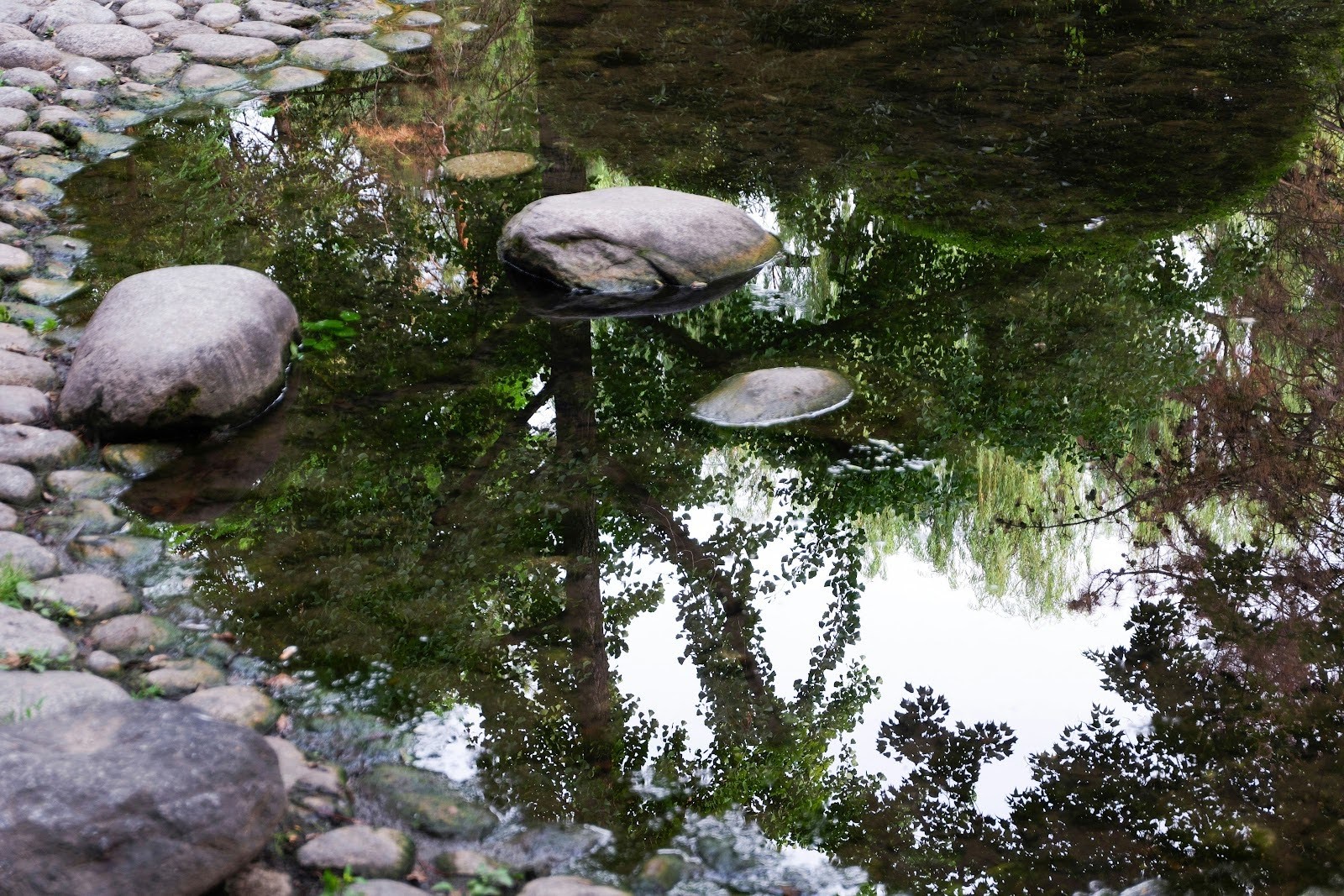
That first hard freeze is a beautiful sight in Canada, but for pond owners, it signals a season of hidden danger. Beneath the serene layer of ice, a silent crisis can be unfolding.
Oxygen levels plummet while toxic gases build up, creating a ticking time bomb. Come spring, the consequence is often heartbreaking: a pond filled with dead fish and choked by algae. You don’t have to face this annual disappointment.
This guide cuts through the cold to deliver the essential strategies you need to defend your pond against a Canadian winter, focusing on the critical role of proper aeration to keep your ecosystem alive and healthy until spring.
Why Winter Poses Serious Risks to Canadian Ponds
Beneath that serene icy surface, your pond is fighting for its life. The formation of continuous ice cover creates a sealed environment where natural gas exchange with the atmosphere ceases.
This simple physical barrier triggers a cascade of potentially devastating ecological consequences that every pond owner should understand.
In Ontario’s climate, where ice cover may persist for weeks or months, several critical processes unfold underwater. Decomposing organic matter—like fallen leaves and dying aquatic plants—continues to consume oxygen while releasing carbon dioxide and other gases.
Without atmospheric exchange, oxygen levels steadily decline while toxic gases accumulate. This dangerous combination can lead to winter fish kills, often discovered only during spring thaw when it’s too late to intervene.
The Most Common Winter Problem Scenarios
Pond owners often discover these problems too late.
- Oxygen depletion: Aquatic life and decomposing matter continuously consume available oxygen
- Carbon dioxide buildup: Trapped gases create toxic conditions for fish and beneficial bacteria
- Nutrient accumulation: Decomposing organic matter releases phosphorus and nitrogen that fuel spring algae blooms
- Ice cap pressure: Solid ice coverage prevents natural gas exchange with the atmosphere
The Critical Role of Aeration in Preventing Winter Pond Problems
Aeration serves as your pond’s winter lifeline—an artificial replacement for the natural gas exchange that ice cover prevents. By maintaining open water areas and circulating the water column, aeration systems allow harmful gases to escape while introducing life-sustaining oxygen throughout the winter months.
The science behind aeration is straightforward but vital. As aerators push water upward toward the surface, they create openings in the ice cover where gas exchange can occur. This process simultaneously releases trapped carbon dioxide and introduces oxygen.
More sophisticated systems provide additional water column mixing, preventing the stratification that leads to dead zones. For Canadian pond owners, this isn’t a luxury—it’s essential winter insurance.
Professional pond managers often describe aeration as the single most effective winter protection strategy. According to water quality specialists at Pond Perfections, a properly installed aeration system can maintain oxygen levels within 80-90% of saturation even under thick ice cover.
This dramatically improves survival rates for fish and beneficial bacteria while preventing the conditions that lead to massive spring algae blooms.
Installing the Right Aeration System for Canadian Winters
Selecting appropriate aeration equipment for winter operation requires careful consideration of your specific pond characteristics and regional climate patterns. Not all aeration systems perform equally well under ice, and improper installation can lead to equipment damage or ineffective gas exchange.
Canadian pond owners should prioritize cold-rated components and designs that create sufficient open water area for gas exchange.
The two primary aeration approaches for winter application include floating fountain systems that maintain open water through surface agitation, and bottom-based diffused aeration that creates updrafts bringing deeper water to the surface.
Each method offers distinct advantages depending on your pond’s depth, size, and specific winter challenges.
Critical installation considerations for winter systems:
- Placement position to maximize water circulation patterns
- Ice protection measures to prevent equipment damage during freeze-thaw cycles
- Proper sizing based on pond volume and surface area
- Accessibility for winter monitoring and maintenance
- Backup power options for critical systems during outages
Nearly 70% of winter aeration issues stem from improper sizing or placement rather than equipment failure. Professional assessments like those conducted by technicians at Pond Perfections, a pond store located in Ontario, typically pays for itself through appropriate system selection and optimized placement.
Creating Your Comprehensive Winter Protection Plan
Effective winter protection doesn’t emerge from random applications of products or techniques. Instead, it requires a sequenced, thoughtful approach that begins well before the first frost and continues through spring thaw.
Developing this comprehensive plan now ensures your pond receives appropriate attention at each critical juncture.
Start with a late-summer assessment that identifies current conditions and potential vulnerabilities. This evaluation should guide your fall interventions, from aeration system maintenance to pre-winter weed management.
As temperatures drop, implement your aeration strategy before full ice formation occurs—this proves far more effective than attempting to open already-frozen water.
Essential timeline for Canadian pond owners:
- Late August to Early September: Conduct thorough pond assessment and water testing
- September to October: Perform aeration system maintenance and install new equipment
- Late October to November: Implement final pre-winter treatments and remove debris
- December to February: Monitor system performance and maintain open water areas
- March to April: Prepare for spring transition and assess winter survival
Remember that regional variations significantly impact timing. Pond owners in British Columbia’s milder climates might delay winter preparations until November, while those in Quebec or Alberta should complete them by mid-October.
Don’t Gamble With Your Pond This Winter
Protecting your pond through Canadian winters requires understanding, preparation, and appropriate intervention.
By addressing the fundamental challenge of gas exchange through proper aeration while implementing complementary strategies, you can ensure your aquatic ecosystem survives and thrives from freeze-up to spring thaw.
With the right approach, the silent world beneath the ice will remain healthy and vibrant, ready to flourish when warmer weather returns.
For personalized guidance on winter pond protection strategies specific to your region and pond characteristics, consult the experts at Pond Perfections, your pond and lakeshore specialists.
