

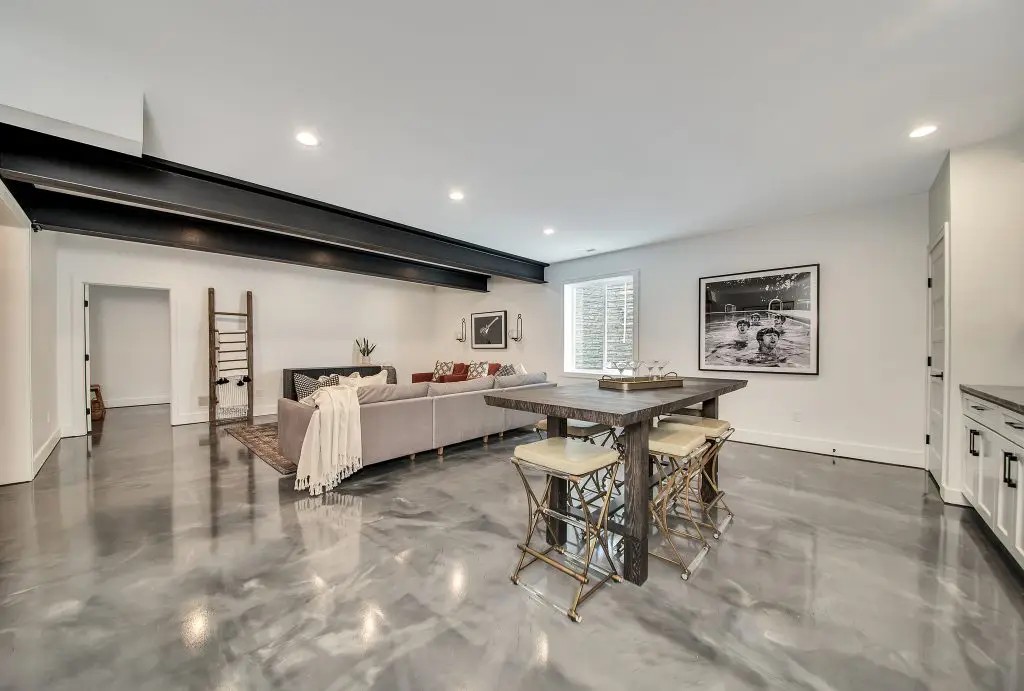
Basements are often the most overlooked space in a home. But with the right flooring, you can transform your basement into a functional and stylish area. If you’re considering upgrading your basement floor, epoxy flooring for the basement is a smart choice. It’s durable, cost-effective, and offers a clean, sleek look that can enhance the overall appeal of your home.
In this article, we’ll explore why epoxy is a fantastic option for your basement. We’ll also cover its benefits, types, and installation process, helping you decide whether it’s the right fit for your home.
Why Epoxy is Perfect for Basements
When it comes to basement flooring, the primary challenge is moisture. Basements tend to be more humid than other parts of the house, and excess moisture can lead to mold, mildew, and damage to traditional flooring options like wood or carpet. This is where epoxy flooring for basement really shines. Epoxy provides a waterproof barrier that helps protect your floor from water damage, making it ideal for spaces prone to dampness.
Additionally, epoxy is highly durable. It’s resistant to scratches, stains, and heavy foot traffic, making it a long-lasting solution for high-traffic areas like basements. Whether you’re using your basement for storage, a home gym, or a recreation room, epoxy flooring can withstand the wear and tear that comes with everyday use.
Another significant advantage is its versatility in appearance. You can choose from a range of finishes, including high-gloss, matte, or even metallic, giving your basement a modern and polished look. Whether you prefer a sleek, glossy floor or a more industrial-style matte finish, epoxy can easily meet your needs.
Advantages of Epoxy Flooring for Basement
Durability
Epoxy is one of the most durable flooring options available. It’s designed to withstand heavy impact and is highly resistant to damage caused by chemicals, oils, and other substances commonly found in a basement environment. For instance, if you’re storing tools, household items, or cleaning supplies in your basement, you don’t have to worry about spills damaging your floor.
The high durability of epoxy makes it perfect for basements, especially when considering how these areas often deal with high humidity and occasional water seepage. Unlike other flooring materials, epoxy won’t absorb moisture, helping to keep your basement dry and free from mold.
Moisture Resistance
Basements often face moisture-related issues. If there’s poor ventilation or if your home is located in a rainy area like Woodland Park, NJ, moisture can be a persistent problem. This moisture can cause wood floors to warp or carpet to become moldy. However, epoxy creates a seamless, non-porous surface that protects against water and moisture. By installing epoxy flooring for basement, you’re preventing water from seeping through, making your basement more livable and comfortable.
Aesthetic Appeal
Another reason epoxy flooring is a great choice is the aesthetic transformation it offers. Epoxy finishes are available in various colors and designs, so you can easily match the floor to your basement’s decor. You can choose from solid colors, multi-colored flakes, or even custom designs. This flexibility allows you to achieve the look that fits your home’s style and elevates the basement’s visual appeal.
Low Maintenance
One of the standout benefits of epoxy floors is their low maintenance. Unlike carpet or hardwood floors, epoxy doesn’t require constant cleaning and upkeep. Regular sweeping and mopping are enough to keep it looking like new. Epoxy is resistant to stains, dirt, and spills, making cleanup quick and easy. This makes it an ideal choice for basements, where dust and moisture can easily accumulate.
Types of Epoxy Flooring for Basements
There are several types of epoxy flooring options, each offering different finishes and features to suit your needs:
Solid Epoxy
Solid epoxy is one of the most durable options. It’s ideal for spaces with heavy traffic, such as basements used for workshops or home gyms. It provides a smooth, seamless surface that’s resistant to moisture and stains.
Metallic Epoxy
For homeowners looking to add some flair to their basement, metallic epoxy is a great option. This type of epoxy creates a unique, glossy, and reflective surface with swirling patterns. It adds a touch of elegance to your basement while offering all the benefits of durability and moisture resistance.
Flake Epoxy
Flake epoxy offers a more textured look. It incorporates colorful flakes that are mixed into the resin, giving the floor a decorative, speckled appearance. This is an excellent option if you’re looking for a style that mimics the appearance of granite or terrazzo, while still providing the same durability and moisture resistance.
Self-Leveling Epoxy
If your basement floor has imperfections like cracks or uneven spots, self-leveling epoxy is a great solution. It smooths out the surface and fills in any irregularities, creating a flat and even floor that’s easy to clean and maintain.
Installation Process: What to Expect
Installing epoxy flooring in your basement is not a quick DIY project. It involves several steps, including surface preparation, mixing and applying the epoxy, and allowing it to cure properly. Here’s a brief overview of the installation process:
- Surface Preparation: Before applying the epoxy, it’s essential to clean the basement floor thoroughly. Any dirt, dust, or moisture can interfere with the adhesion of the epoxy. In some cases, professional floor preparation may be required to ensure the floor is properly leveled and free of debris.
- Epoxy Application: Once the floor is prepped, the epoxy mixture is applied. The application typically involves a primer coat followed by one or more layers of epoxy. The floor will need time to dry between each layer.
- Curing Time: After the final coat is applied, the epoxy needs time to cure properly. This can take anywhere from 24 to 72 hours, depending on the type of epoxy and the conditions in your basement.
- Final Touches: After curing, your new epoxy floor will be ready to use. It will have a glossy, smooth surface that’s resistant to stains, moisture, and wear.
Epoxy Flooring for Residential Homes
Epoxy floor residential options offer not only the benefits of durability and moisture resistance but also improve the overall value of your home. When you invest in epoxy flooring for your basement, you’re not only creating a more usable and attractive space but also increasing your home’s appeal to potential buyers if you ever decide to sell.
A well-maintained epoxy floor can last for years, making it a wise investment for residential homeowners looking to upgrade their space without breaking the bank. Whether you’re turning your basement into a home gym, a playroom, or simply using it for storage, epoxy flooring will enhance the space’s usability and aesthetic appeal.
Epoxy Flooring Right for Your Basement
While epoxy flooring offers many benefits, it’s not the right choice for everyone. If you’re looking for a flooring material that’s soft underfoot, then epoxy might not be the best option. It’s also not recommended for areas where heavy machinery or equipment will be frequently used. However, for most homeowners in Woodland Park, NJ, epoxy flooring provides the ideal solution for their basements, offering a durable, moisture-resistant surface that’s easy to maintain and looks great.
Conclusion
Epoxy flooring is an excellent choice for homeowners looking to upgrade their basement. It’s durable, easy to maintain, and moisture-resistant, making it perfect for this often overlooked part of the home. With various finishes available, you can customize the look to match your style while enhancing the functionality of the space.
For homeowners in Woodland Park, NJ, opting for epoxy flooring for the basement can be a game-changer. Not only will you protect your basement from moisture and stains, but you’ll also enjoy a modern, low-maintenance surface that adds value to your home. Whether you choose a solid, metallic, or flake finish, epoxy flooring offers both practicality and beauty, making it a smart investment for residential homes.
