

Key Takeaways
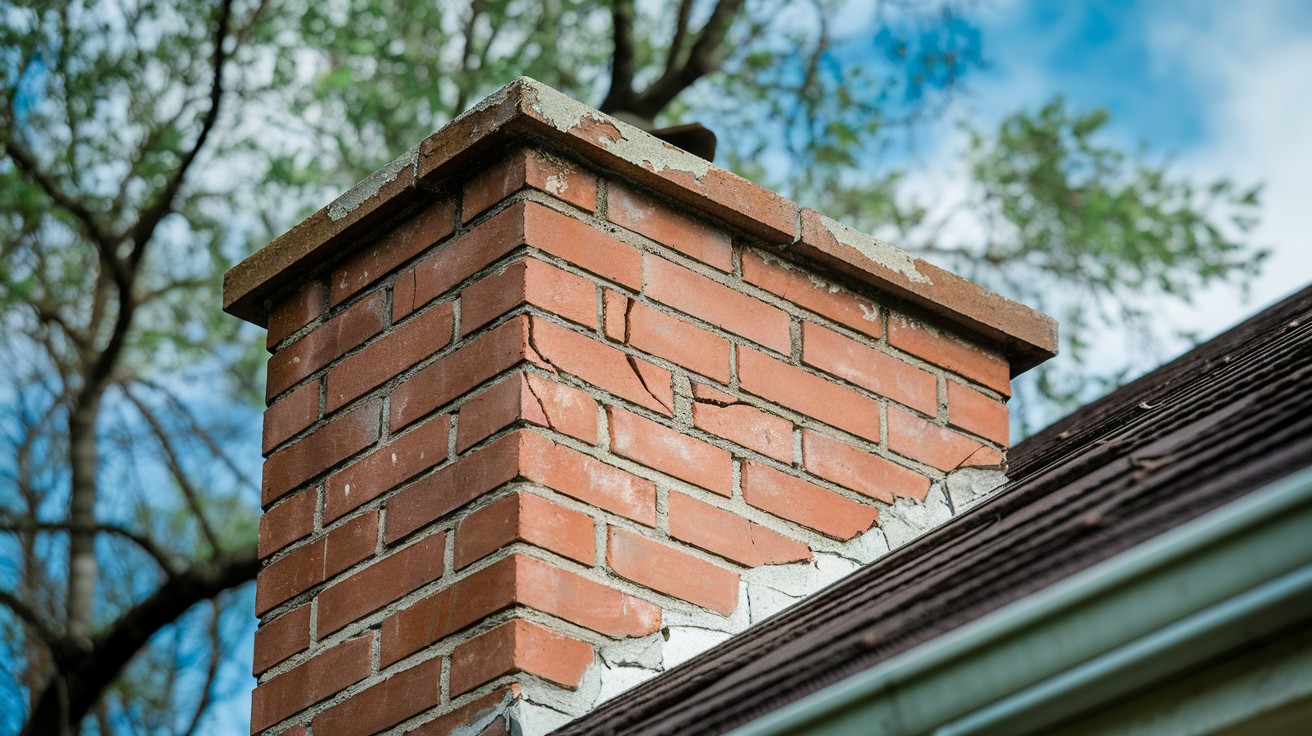
- Even small chimney cracks can result in extensive damage and high repair costs if neglected.
- Early detection and regular maintenance are crucial for maintaining chimney safety and efficiency.
- Natural elements, water infiltration, and house settling are common causes of chimney deterioration.
Table of Contents
- Introduction
- Causes of Chimney Cracks
- Risks of Ignoring Small Cracks
- Signs Your Chimney Needs Attention
- Preventive Measures and Maintenance
- When to Call a Professional
- Conclusion
Chimneys play a vital role in keeping homes safe by venting smoke and harmful gases outside. Even the tiniest cracks in chimney masonry shouldn’t be ignored, as they can gradually develop into far more serious complications for your home. If you’re noticing small fissures or surface damage, prioritizing chimney masonry repair is crucial not just for maintaining your chimney but also for protecting your property’s overall safety. Homeowners often overlook early warning signs in brickwork, such as cracks, believing them to be harmless. However, these cracks can allow moisture in, threatening the chimney’s structural integrity. Regular inspections and addressing minor issues promptly can prevent costly repairs and minimize the risk of smoke entering living spaces.
Causes of Chimney Cracks
Chimney cracks can be caused by various factors, and understanding these culprits can help homeowners develop a proactive maintenance routine.
- Weather Exposure:The constant assault from rain, snow, wind, and especially freeze-thaw cycles can expand existing microcracks year after year. Water seeps into the porousmasonry, freezes, and expands, prying bricks and mortar apart with each winter. This is one of the leading causes of chimney deterioration.
- Thermal Expansion:Your chimney heats up quickly during use and cools down just as fast. This temperature fluctuation creates stress, leading to gradual cracking in bricks and mortar.
- Structural Settling:As the house settles and shifts, the rigid masonry of the chimney may not move evenly, resulting in gaps or cracks along its length or at the base.
- Moisture Intrusion:Persistent exposure to moisture, whether from rain, snow, or humidity, weakens mortar joints and can erode bricks, making the structure especially prone to cracking over time.
Risks of Ignoring Small Cracks
Overlooking even a fine crack in your chimney can lead to damage that extends far beyond the masonry itself. If water seeps through a crack, it can rot the surrounding woodwork, cause mold growth, and damage the walls adjacent to the fireplace. Cracks also allow poisonous gases, such as carbon monoxide, to seep back indoors, creating serious health hazards for residents.
- Water Damage:Once water gets in, it can deteriorate not just the chimney but also your home’s walls, ceilings, and insulation. Over time, the result may be costly repairs for mold remediation and wood rot.
- Structural Instability:Cracks can erode the inner structure and, if left unchecked, may cause portions of the chimney to loosen or even collapse during storms or seismic activity. Safety becomes a significant concern, as weakened chimneys can pose risks to anyone nearby.
- Increased Repair Costs:What could have been an inexpensive fix becomes more complex and costlier the longer the crack is ignored. Major structural repairs often require scaffolding, brick replacement, and extensive restoration far costlier than tending to a small crack early on.
Signs Your Chimney Needs Attention
Not all chimney damage is immediately apparent. Being attentive to early warning signs can make all the difference in protecting your investment and avoiding emergencies. Homeowners should look out for visible cracks in bricks or mortar, but there are other subtler indicators:
- Water stains on the walls or ceilings near the chimney a common side effect of moisture intrusion.
- A leaning or tilting structure, which suggests progressive foundational issues.
- Efflorescence, marked by a white, powdery residue left by evaporating water on the brick surface.
- Signs of crumbling mortar or spalling (flaking) bricks.
Preventive Measures and Maintenance
Annual Inspections
A certified chimney specialist should inspect your chimney every year for hairline cracks, shifting bricks, or moisture ingress. Early detection and targeted repair are essential for long-term stability and function. Annual professional inspections are a top recommendation for preventing severe chimney issues.
Waterproofing and Repairs
Applying a water-repellent sealant is an effective way to safeguard your masonry from water damage. Ensure the product used is breathable, allowing moisture vapor from inside the chimney to escape while blocking rain from entering. Additionally, any minor cracks or loose mortar should be repaired immediately to stop further deterioration.
When to Call a Professional
Certain scenarios demand immediate attention from chimney and masonry experts. If you see large or widening cracks, persistent water leaks, smoke escaping into rooms, or if part of the chimney appears to be shifting away from your house, it’s time to make that call. Professionals have the tools and expertise to assess both visible and hidden damage, recommend reliable solutions, and perform repairs safely and effectively.
Conclusion
Small chimney cracks may not seem urgent, but they can set off a chain reaction that threatens both your home’s safety and your wallet. Through diligent inspections, timely maintenance, and prompt addressing of even the most minor issues, you can ensure your chimney endures harsh weather, time, and the demands of your heating system. Always act swiftly being proactive can keep your family safe and spare you from expensive, large-scale repairs in the future.
