

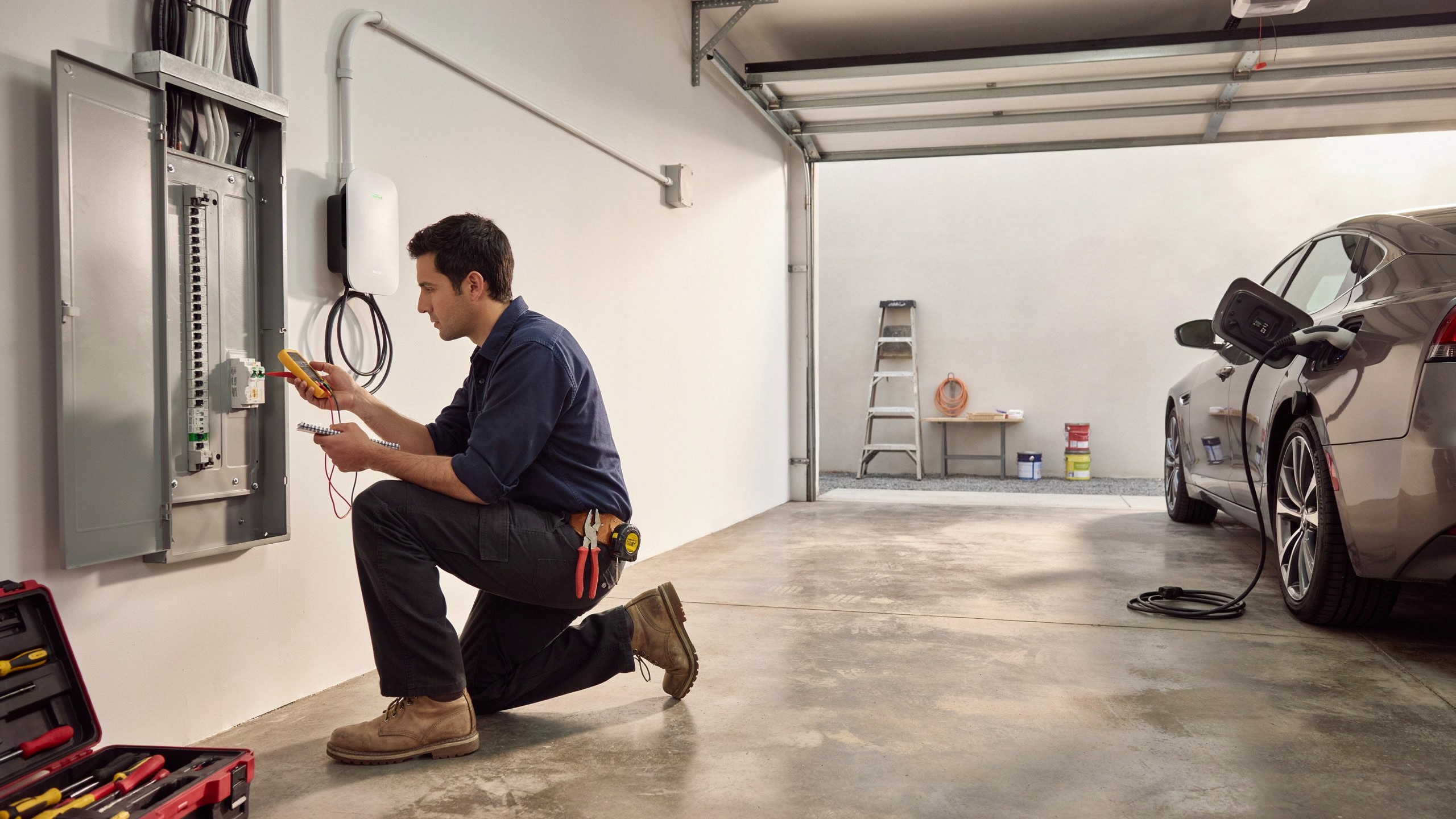
Charging your electric vehicle (EV) at home gives you the convenience of starting each day with a fully charged battery while supporting a more sustainable lifestyle. However, if you live in an older home, your electrical system may not have been designed to handle the additional power required for a Level 2 charger. Before moving forward with EV charger installation, you must understand whether your electrical panel and wiring can safely support the added demand.
1.Understand Your Home’s Existing Electrical System
Before you install an EV charger, you must understand the age and condition of your home’s electrical system. Many older homes still have outdated wiring and limited circuit capacity, which can affect charging performance. Over 30 million homes in the U.S. are at least 50 years old, and the frequency of fires in these aging homes is disproportionately high, making a professional assessment an important first step.
Before contacting an electrician, gather basic information about your home’s electrical service, including your panel size and available breaker space. Having these details ready can help the electrician evaluate your system more efficiently and recommend the safest and most cost-effective upgrades for your EV charger.
2.Determine Whether Your Electrical Panel Can Support an EV Charger
Your electrical panel is the central hub that distributes electricity from the utility service to every circuit in your home. When you add a Level 2 EV charger, the panel must safely handle the extra electrical load. Many older homes still operate on 60-amp or 100-amp electrical service, while newer homes with Level 2 EV chargers benefit from 200-amp service to support higher electrical demand.
Before moving forward, you should evaluate the condition and capacity of your electrical panel. Your panel may need replacement if it’s over 25 to 30 years old, as older panels are known safety hazards. A licensed electrician can perform a load calculation to determine whether your existing service has enough capacity for an EV charger or whether a panel upgrade is the safest long-term solution.
3.Inspect Your Home’s Wiring and Grounding
Before getting a Level 2 charger, evaluate your home’s wiring to ensure it can safely handle the additional electrical load. Older homes often contain deteriorated wire insulation or aluminum wiring, which can increase the risk of overheating and poor electrical performance. Addressing these issues before EV charger installation creates a stronger foundation for safe, dependable charging.
Correcting outdated wiring and grounding problems improves electrical safety and supports more reliable long-term charging performance. A professional electrical inspection can uncover hidden issues that are not immediately apparent, such as damaged connections or worn components. Taking these steps protects your home and your investment while ensuring your charging system performs as intended.
4.Plan the Best Location for Your EV Charger
Choosing the right location for your EV charger affects installation costs and the convenience of charging your vehicle every day. Public charging availability remains a major obstacle to EV adoption, with 52% of survey respondents citing the lack of charging stations as their top concern. This means you might have to charge at home more often than you’d think. By placing your charger where it is easy to access, you can enjoy dependable overnight charging while reducing your reliance on public infrastructure.
When selecting a location, consider how close the charger will be to your electrical panel, how protected it is from weather exposure and whether the charging cable can comfortably reach your vehicle. Installing the charger closer to the electrical panel may reduce material and labor costs because it requires less wiring and conduit. In contrast, longer conduit runs and more complex installations can increase labor costs and extend the installation process.
5.Install a Dedicated Circuit for Safe Charging
A Level 2 EV charger requires a dedicated circuit because it draws significant power for extended periods. Sharing that circuit with other appliances can overload your electrical system and trip breakers. A dedicated circuit delivers consistent power to your charger while helping protect the rest of your home’s electrical system.
Some homes may not have enough electrical capacity to support Level 2 charging. However, a qualified electrician can evaluate your system and add new circuits or recommend electrical upgrades to accommodate the capacity needed for safe and reliable charging. Circuit size depends on your charger’s power requirements and local electrical codes, making planning essential. Properly sized breakers and protective devices prevent overheating and ensure your EV charger operates safely for years.
6.Understand Permits, Inspections and Building Codes
Most EV charger installations require permits and inspections to verify that work meets safety standards and electrical codes. For example, Los Angeles County requires an Electric Vehicle Supply Equipment permit to ensure the installation is safe and compliant with building regulations. Permit requirements vary by location, so check with your local building department before starting.
A licensed electrician will understand local electrical codes and manufacturer installation requirements, ensuring your EV charger will be installed correctly. After the installation is complete, an inspection verifies that the wiring, breakers and grounding meet safety requirements before the charger is placed into service. Obtaining the proper permits and passing inspections creates a documented record of the work, simplifying the paperwork if you ever decide to sell your home.
7.Work With a Qualified EV Charger Installation Professional
Professional installation provides a higher level of safety because Level 2 EV chargers require strict compliance with electrical codes. An improperly installed charger can increase the risk of electrical shock and equipment damage, while a licensed electrician has the training to identify potential hazards before they become serious problems.
Hiring a qualified professional also ensures your installation meets local regulations and manufacturer requirements. They can also recommend the most cost-effective upgrade path, helping you avoid unnecessary work while ensuring your electrical system is ready for safe, reliable charging.
Building a Safer Home for EV Charging
Preparing your home’s electrical system supports your daily driving needs. Consider EV charger installation as an opportunity to modernize older electrical infrastructure while embracing a more sustainable lifestyle. With a professional electrical evaluation, you can ensure your home charging setup remains safe and ready to meet your future energy needs.
