

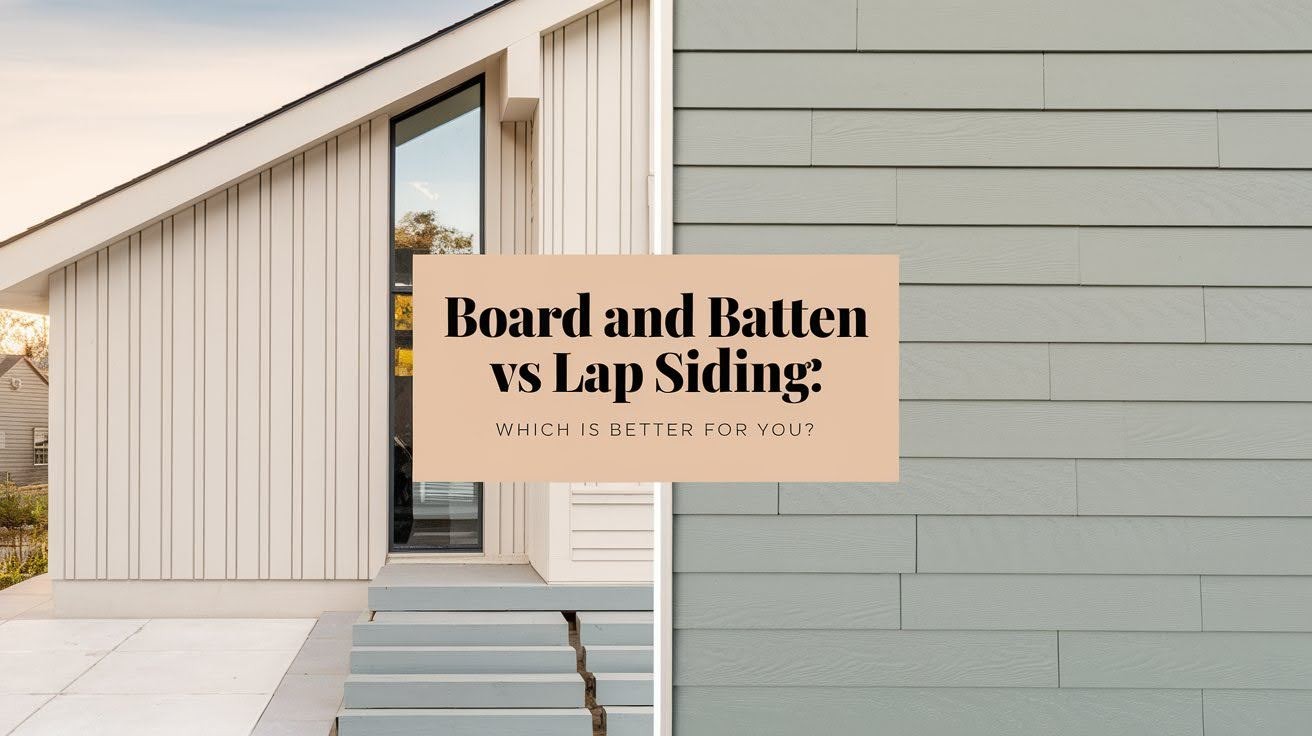
Your home’s siding is more than just protection from the elements. It’s the first thing neighbors see, the backdrop for family photos, and a major factor in your property’s value.
But with so many options available, choosing the right siding can feel overwhelming.
Two styles consistently rise to the top of homeowner wish lists: board and batten with its bold vertical lines, and lap siding with its classic horizontal appeal.
Both offer distinct advantages, but the right choice depends on your specific needs, budget, and personal taste.
Before you make this important decision, let’s break down what each option brings to the table.
Understanding these differences will help you choose siding that complements your home and fits your lifestyle for years to come.
What is Board and Batten Siding?
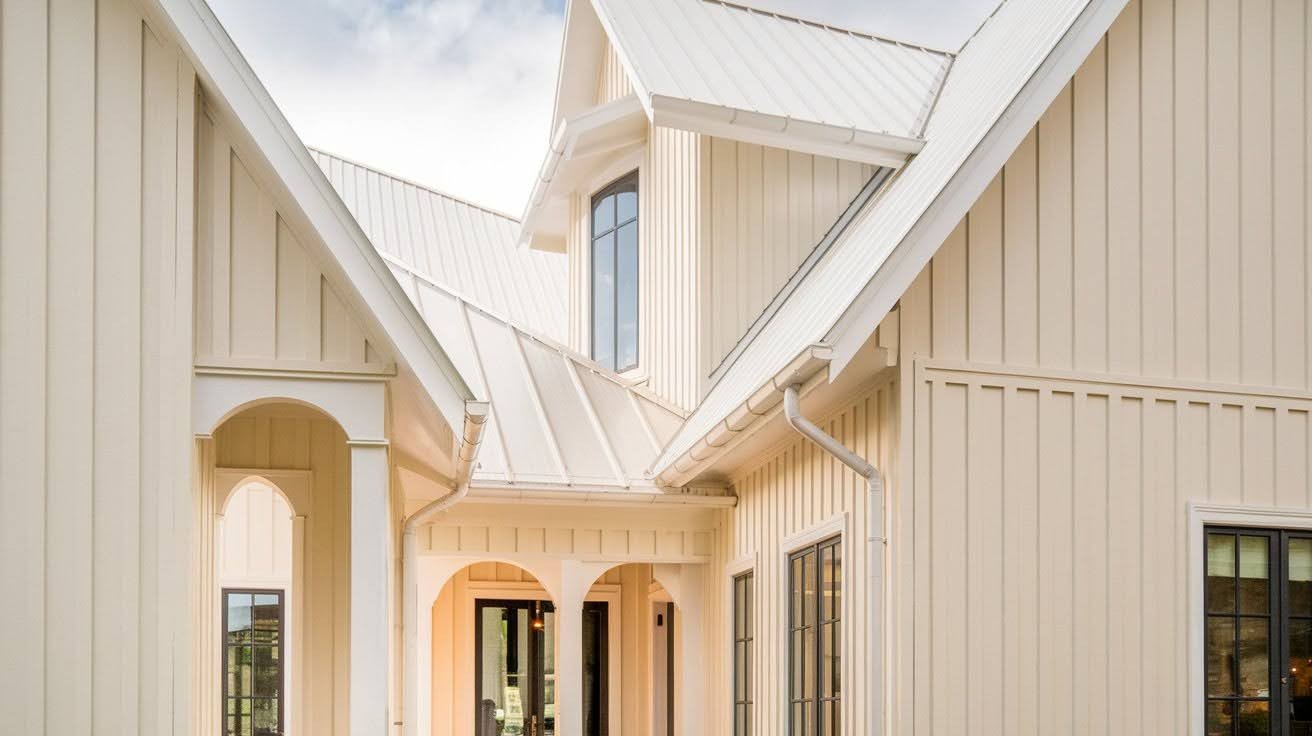
Board and batten siding originated in American farmhouses, where settlers used wide vertical boards with narrow strips called battens to cover seams.
This practical solution created the distinctive vertical pattern we see today.
The siding features wide vertical boards with narrow battens covering the joints, creating a three-dimensional texture.
The vertical lines make homes appear taller and add rustic charm that works well with modern farmhouse styles.
This style offers unique visual appeal and works great for highlighting architectural features like gables and bump-outs.
However, installation is more complex than horizontal siding, and wood versions require regular maintenance, including staining and sealing to prevent warping and weather damage.
What is Lap Siding?
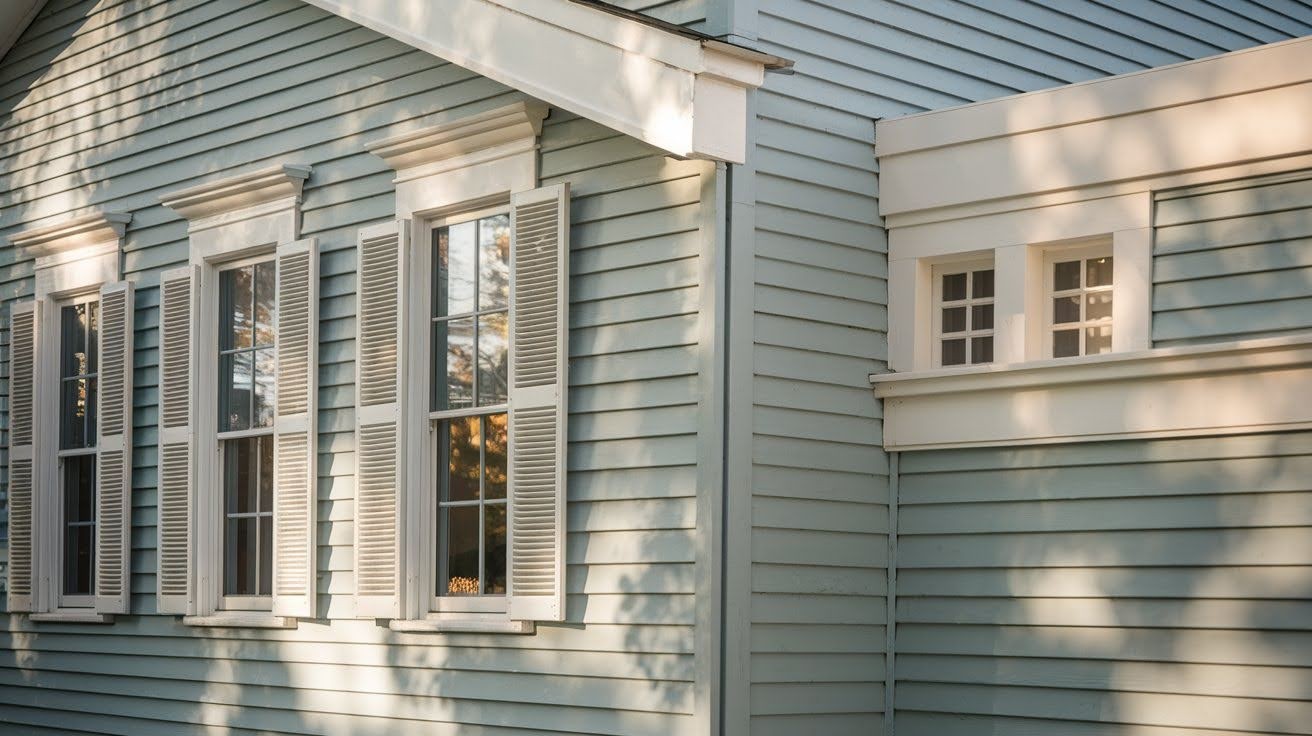
Lap siding features traditional horizontal planks like clapboard, Dutch lap, and shiplap that overlap for weather protection. This time-tested approach has protected American homes for centuries.
The clean horizontal lines create visual balance and make homes appear longer and more proportional.
This classic look works with nearly any architectural style from colonial to contemporary.
Lap siding’s main advantage is versatility. It pairs easily with trim, shutters, and decorative details without competing for attention. The horizontal orientation provides a neutral backdrop for other design elements.
The downside is its commonality. Some homeowners find lap siding too traditional or ordinary.
Wood versions also require regular painting, staining, and plank replacement to maintain their appearance and weather protection.
Stylish: Which Look Suits Your Home?
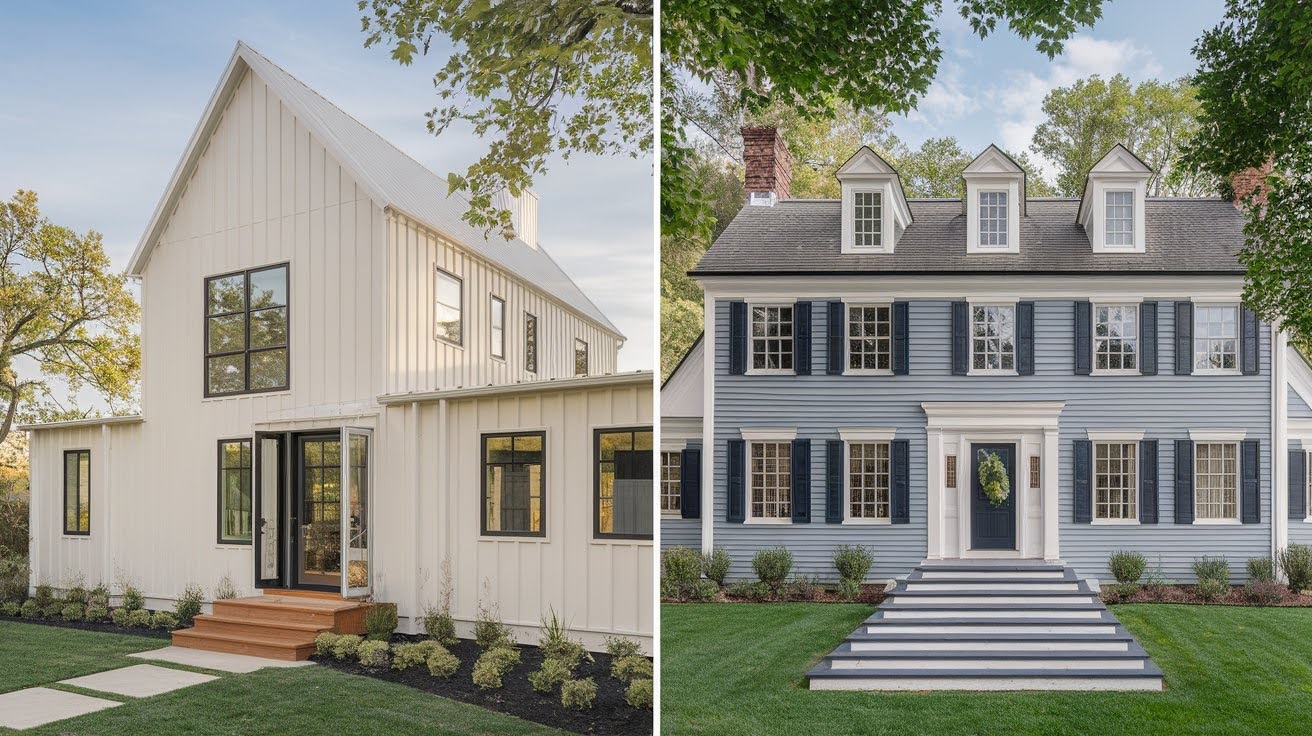
Board and Batten
Board and batten make a bold vertical statement that creates visual height and distinctive character. This style works best with farmhouses, cottages, and modern rustic homes where the dramatic lines complement the overall design.
Lap Siding
Lap siding offers subtle, timeless charm with horizontal lines that create stability and balance. This classic approach complements colonial, craftsman, and contemporary homes while allowing other architectural features to take center stage.
Practical Considerations
Durability
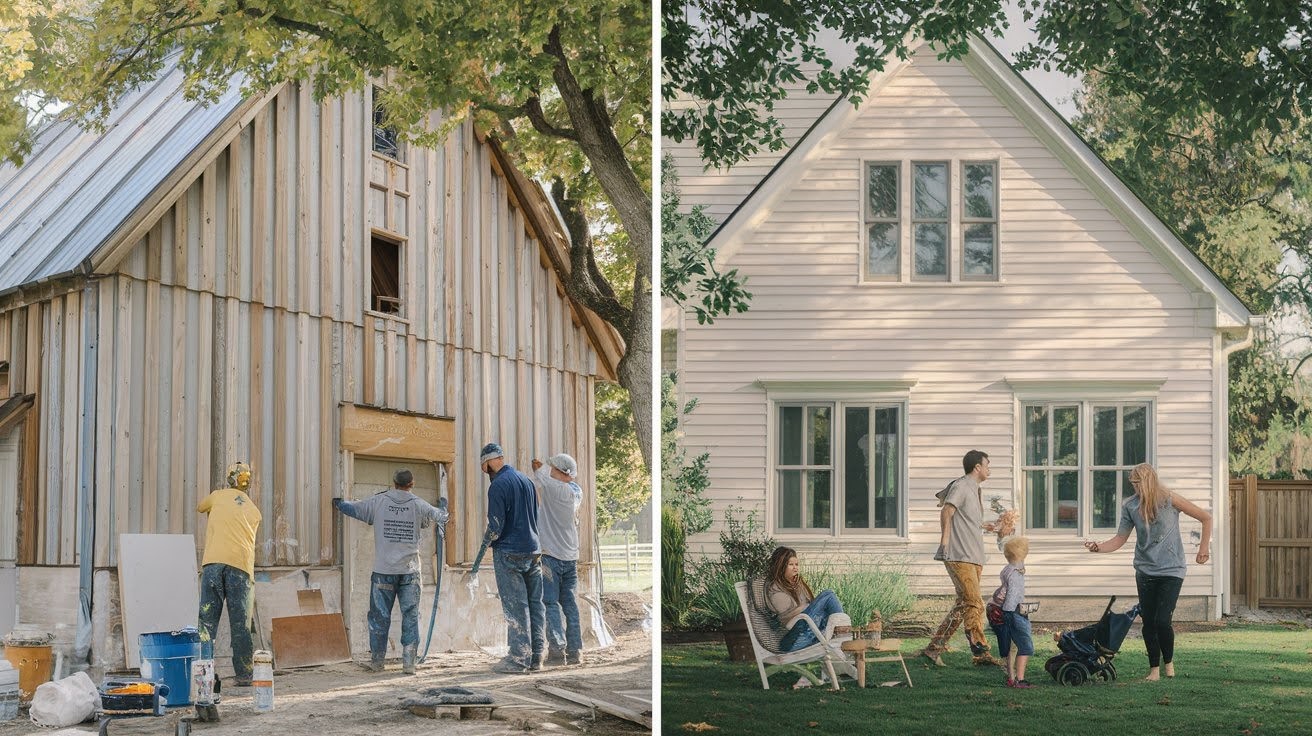
Fiber cement and engineered wood options significantly reduce upkeep while maintaining authentic looks. These materials resist weather damage, insects, and fading better than traditional wood.
Cost
Board and batten typically costs more due to complex installation requirements. Lap siding is generally more budget-friendly for both materials and labor.
Maintenance
Wood siding requires repainting or staining every 3 to 5 years. Fiber cement and vinyl options need only occasional cleaning and rarely require major repairs.
Combining Board and Batten with Lap Siding
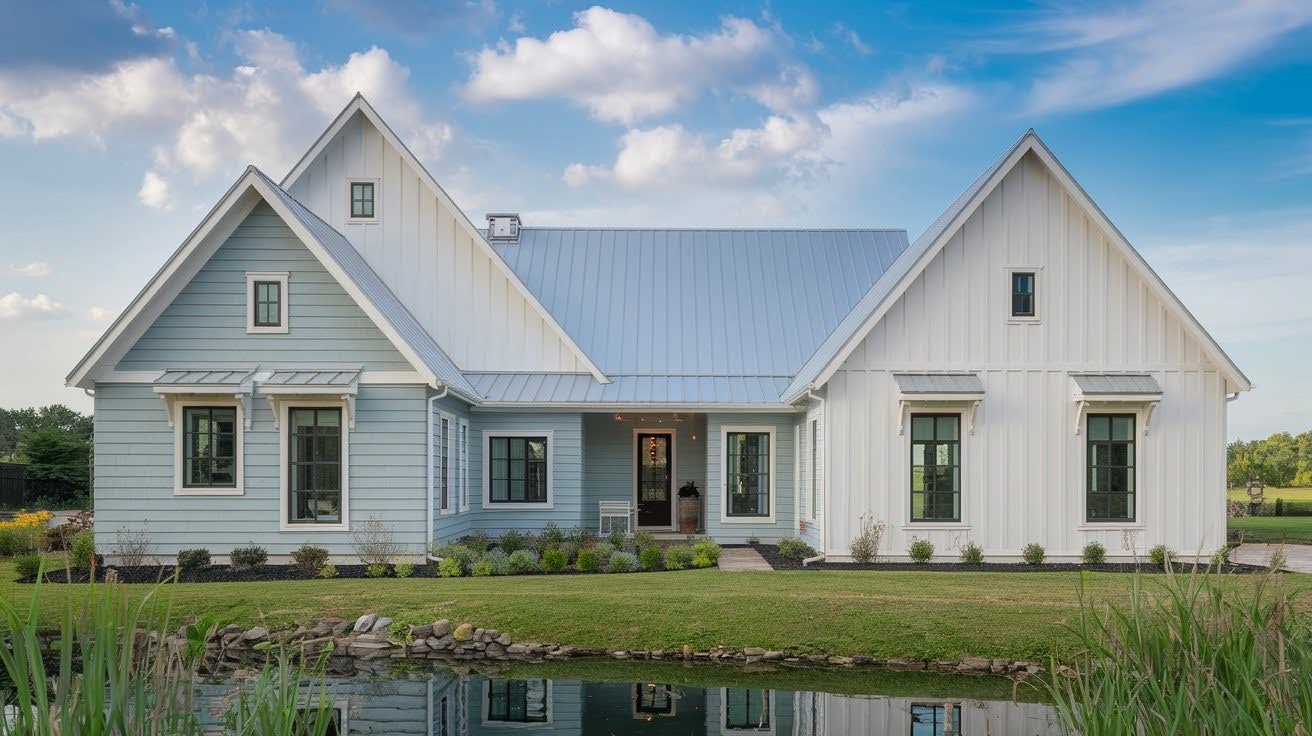
You don’t have to choose just one siding style. Many homeowners successfully combine both to create a custom look that maximizes each style’s strengths.
Use board and batten on gables, peaks, and architectural accents where you want visual drama. Apply lap siding to the main walls for a classic foundation that keeps costs reasonable.
This combination creates depth and visual interest without overwhelming your design. The contrast between vertical and horizontal elements adds sophistication while maintaining good proportions.
Strategic placement helps you achieve a high-end custom appearance at a more manageable budget.
Board and Batten vs. Lap Siding: Side-by-Side Comparison
| Factor | Board and Batten | Lap Siding |
| Style | Bold vertical lines with rustic, farmhouse charm | Classic horizontal appeal with timeless elegance |
| Cost | Higher upfront cost due to complex installation | More budget-friendly with simpler installation |
| Durability | Excellent with fiber cement, moderate with wood | Excellent with fiber cement, moderate with wood |
| Best For | Farmhouses, cottages, modern rustic homes | Colonial, craftsman, contemporary styles |
| Installation | Complex, requires skilled labor | Straightforward, faster installation |
| Maintenance | Wood: repaint every 3-5 years<br>Fiber cement/vinyl: minimal | Wood: repaint every 3-5 years<br>Fiber cement/vinyl: minimal |
| Visual Effect | Makes homes appear taller, adds texture | Makes homes appear longer, creates balance |
This comparison shows that your choice often comes down to aesthetic preference, budget, and architectural style rather than major performance differences between the two options.
Which One is Right for You?
Your perfect siding choice depends on three key factors. First, consider your home’s architectural style. Colonial homes suit lap siding, while farmhouses shine with board and batten.
Budget matters significantly. Lap siding offers better value with lower installation costs, while board and batten requires a bigger upfront investment for its visual impact.
Think about maintenance preferences. Both styles perform similarly with modern materials, but board and batten’s complexity may mean higher repair costs later.
Climate plays a role too. Vertical board and batten sheds water quickly in rainy areas, while horizontal lap siding handles high winds better due to its overlapping design.
The right choice fits your home, budget, and lifestyle for years to come.
Conclusion
After helping countless homeowners make this exact decision, I can honestly say both board and batten and lap siding are excellent choices when done right.
Each brings its own character and benefits to your home’s exterior.
The real game changer isn’t which style you choose, but selecting durable materials like fiber cement that will protect your investment for decades.
I’ve seen too many beautiful siding jobs compromised by cutting corners on material quality.
My advice? Don’t make this decision alone. Connect with a local siding expert who understands your area’s climate challenges and building requirements.
They’ll help you weigh the practical considerations against your design dreams, ensuring you get siding that looks great and performs flawlessly for years to come.
Frequently Asked Questions
Can I mix board and batten with lap siding on the same house?
Yes, this combination works beautifully when done strategically. Use board and batten on gables and accents while applying lap siding to main walls for a custom, high-end appearance.
Which siding style costs more to install?
Board and batten typically costs 15-30% more than lap siding due to complex installation requirements. The vertical orientation and batten placement require more skilled labor and time.
How long does each siding type last?
Both styles can last 20-50 years, depending on material choice and maintenance. Fiber cement versions of either style typically outlast wood options by 10-15 years.
Which siding works better in harsh weather conditions?
Both perform well in extreme weather when properly installed with quality materials. Board and batten sheds water quickly, while lap siding’s overlapping design resists wind-driven rain effectively.
Do I need special permits for either siding type?
Most areas don’t require special permits for siding replacement, but local building codes may have specific requirements. Check with your local building department before starting any exterior renovation project.
