

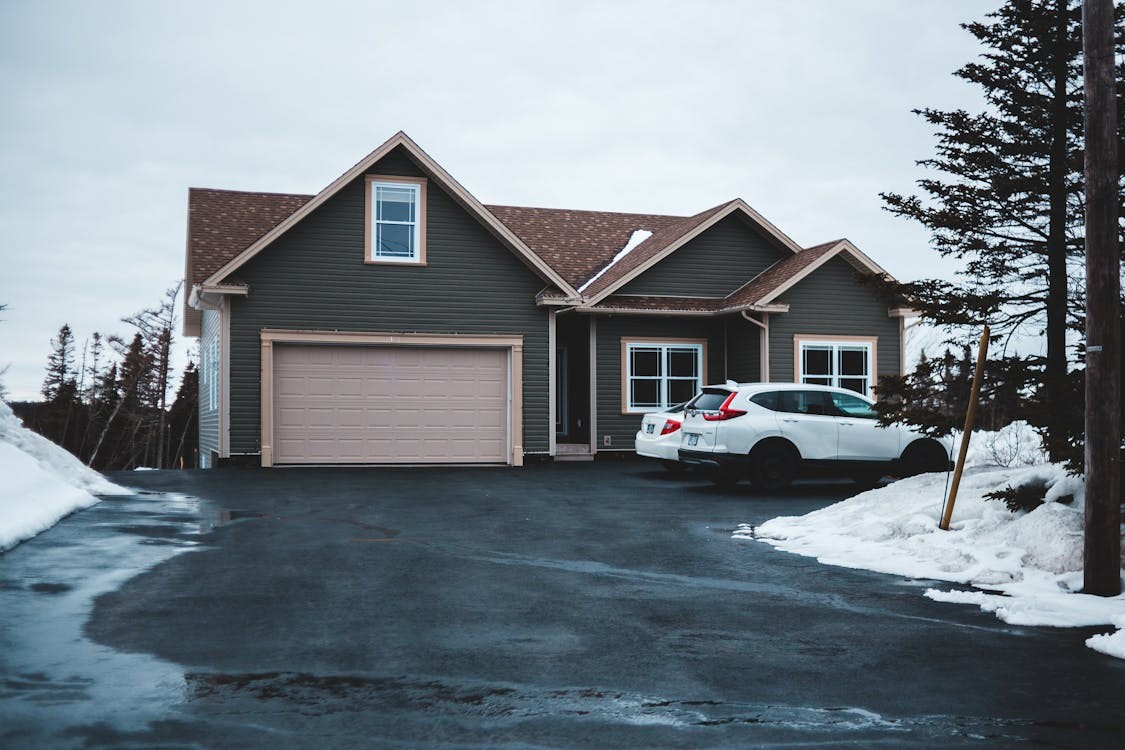
Daily stress from traffic and weather causes asphalt driveways to crack and fade, hurting curb appeal. However, a consistent maintenance routine can significantly extend their lifespan. Follow these four simple steps to protect your investment and avoid costly repairs.
Routine Cleaning and Debris Removal
The most important, yet least done task in asphalt maintenance is keeping the surface clean. Dirt and organic material retain moisture. This can cause cracking and weed or moss growth in the small fissures in the pavement. A stiff broom or leaf blower applied weekly will clean up loose debris. And a garden hose or pressure washer set on low will remove any mud or spilled oil. Pay particular attention to the edges where soil and decomposing leaves form the fastest.
Cleaning is also a great time to check the driveway for early damage. Check for discoloration that may be due to standing water or hairline cracks that need filling while sweeping. Promptly repairing automotive fluids is also essential because gasoline and motor oil chemically corrode asphalt. It then causes it to soften or crumble.
Clear these spills with mild detergent before they sink in. This will help to avoid localized failure and will prevent deep penetration. Maintenance fixes minor issues early, saving time and money.
Cracks Filling and Sealcoating
Asphalt failure is mainly caused by water seeping into cracks. It then freezes and expands during the colder months, eventually splitting the pavement. The small cracks may grow to potholes in just one season if left untreated.
Be sure to do an inspection on a regular basis (spring and fall). Apply pourable rubberized fillers to narrow fractures and backer rods, and patching compounds to larger fractures. Repairing these small problems early reduces the chance of a leaking base that will ultimately require expensive reconstruction.
Sealcoating is a crucial barrier against the elements. It’s usually done every two to three years to protect the surface from UV rays, water, and other fluids, and to give it a deep black look. Fill and clean cracks in the pavement before applying thin, even coats.
Sealcoating is not a solution for structural damage, however. Hire a professional asphalt paving service for large cracks or depressions. These solutions solve the root cause and will provide many years of service without having to patch regularly.
Addressing Drainage Issues
Water is the biggest threat to asphalt surfaces. Poor drainage can accelerate this damage. The driveway should be sloped in such a way that water flows away from the garage or house to drain towards the streets or swales.
Puddles that persist hours after a rainstorm or water running along the sides and washing away the base material are all indications that you have a drainage issue that must be addressed. Low areas that pool are especially hazardous because water will seep through the cracks and into the stone base. This may cause settlement, then potholes or alligator cracking.
Solutions for poor drainage depend on the situation. Sometimes, all that is needed is to add several bags of cold patch asphalt to raise a low area of the driveway and divert the water flow. For more persistent problems, a small trench may need to be dug across the driveway to install a channel drain, or the soil around the driveway may be regraded so as to divert water naturally.
Keep downspouts from the roof far away from the edge of the driveway. Extend gutter pipes if they are currently draining onto the asphalt. Proper drainage also prevents water from seeping into your home’s foundation. The two main sources of water damage are eliminated with proper drainage and frequent crack filling.
Proper Snow and Ice Removal
Asphalt driveways are at a greater risk during the winter season. Snow is safe, but how people clear it can cause long-term damage. The roughened areas left by metal shovels and sharp ice choppers can retain more water. This can form damaging ice lenses.
Always shovel snow with a plastic or a shovel with a rubber edge. Push rather than chop or scrape snow. The skid shoes for snow blowers should be set up so the auger doesn’t touch the asphalt. Also, avoid chipping ice too vigorously.
You must also exercise care in selecting chemical deciders. Rock salt is cheap but may accelerate asphalt deterioration by causing freezing and thawing. It also has corrosive effects on the binder that secures the pavement. Calcium magnesium acetate or similarly “asphalt safe” products are better choices.
Apply it sparingly and evenly, and remove any remaining granules. Plain sand or cat litter for light ice provides good traction without harming the ice. With gentle removal methods and proper selection of deicers, your paved driveway will come out of winter looking as strong as it went in, and not just subject to spalling and cracking as a neglected paved driveway will.
Endnote
Investing time in maintaining a driveway results in increased durability. Integrating basic cleaning practices with prompt repairs and protective layers creates a complete barrier against everyday damage. These ongoing efforts will yield dependable service and improve the property for many years to come.
