

Have you ever wanted to feel like you’re standing under a gentle summer rain? That’s exactly what a rain shower can do for your bathroom.
Rain showers have become incredibly popular in recent years. More homeowners are choosing them over traditional shower heads. And for good reason.
These special shower heads create a spa-like experience right in your home. Instead of harsh water streams, they provide gentle rainfall that covers your entire body. The result? A more relaxing and luxurious shower experience.
In this guide, I’ll explain what a rain shower is and how it works. You’ll learn about different types, their benefits, and drawbacks. By the end, you’ll know if a rain shower is right for your home.
Let’s start with the basics.
What Is a Rain Shower?
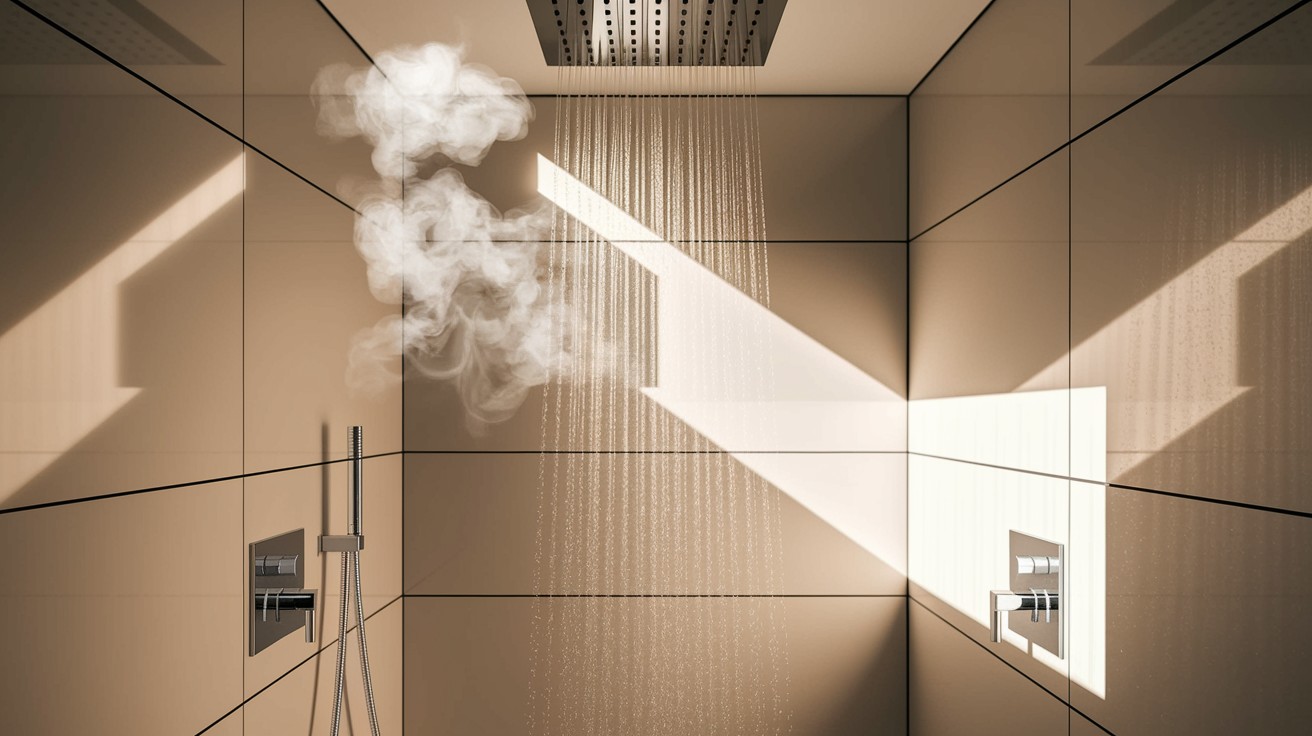
A rain shower is a special type of shower head that mimics natural rainfall. Instead of shooting water at you like a traditional head, it lets water fall gently from above.
Think of it this way: regular shower heads spray water in focused streams. Rain showers let water drop down softly, just like rain from the sky.
The key difference is the experience. Rain showers create a calm, soothing feeling. Traditional heads focus on getting you clean quickly.
Most rain shower heads are much larger than standard ones. They spread water over a wider area. This creates that natural rainfall feeling.
Key Features of a Rain Shower Head
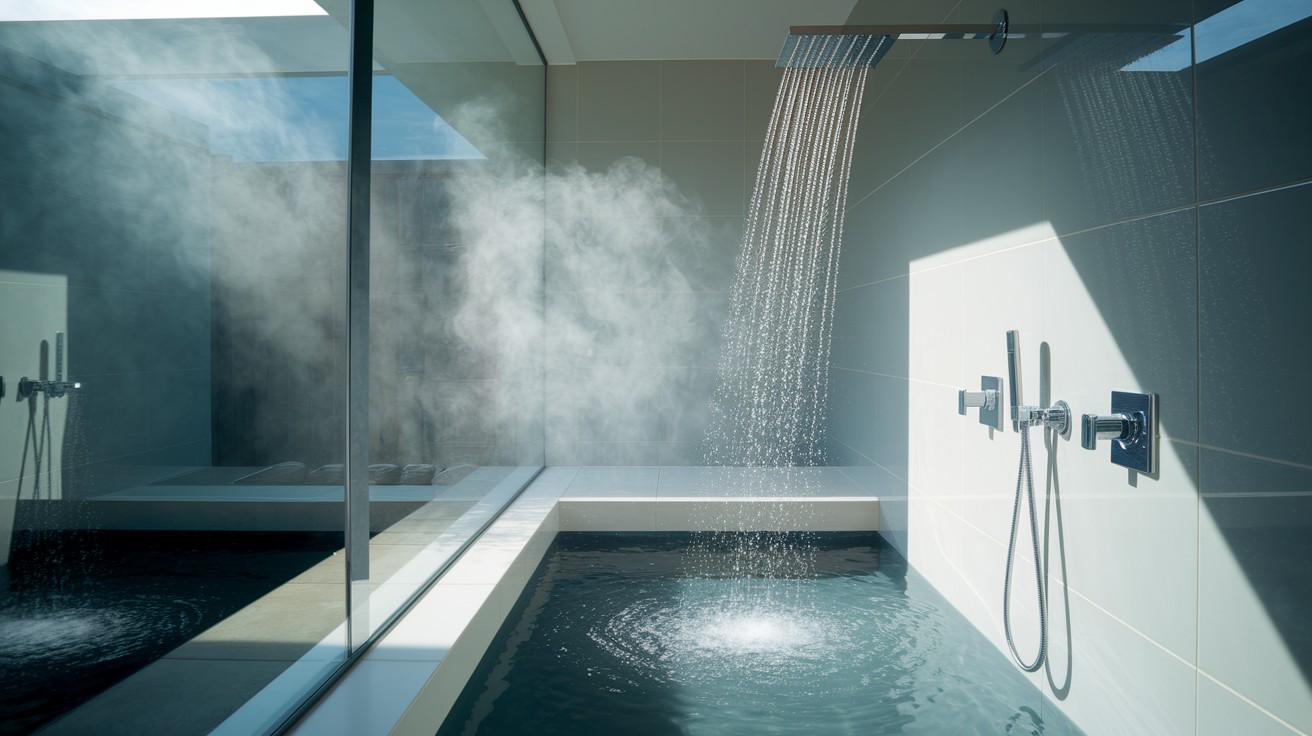
Rain shower heads have several unique features that set them apart.
Size Matters: Most rain shower heads are 8 to 12 inches wide. Some are even larger. This big surface area helps create the rainfall effect.
Gentle Flow: Water comes out softly, not in hard streams. The pressure is usually lower than traditional heads.
Mounting Options: You can install them on the ceiling or the wall. Ceiling-mounted ones give the most authentic rain feeling.
Style choices come in many shapes and finishes:
- Square or round designs
- Chrome, brushed nickel, or matte black finishes
- Thin or thick profiles
Multiple Holes: Rain heads have many small holes instead of a few large ones. This creates the soft, even water flow.
How Does a Rain Shower Work?
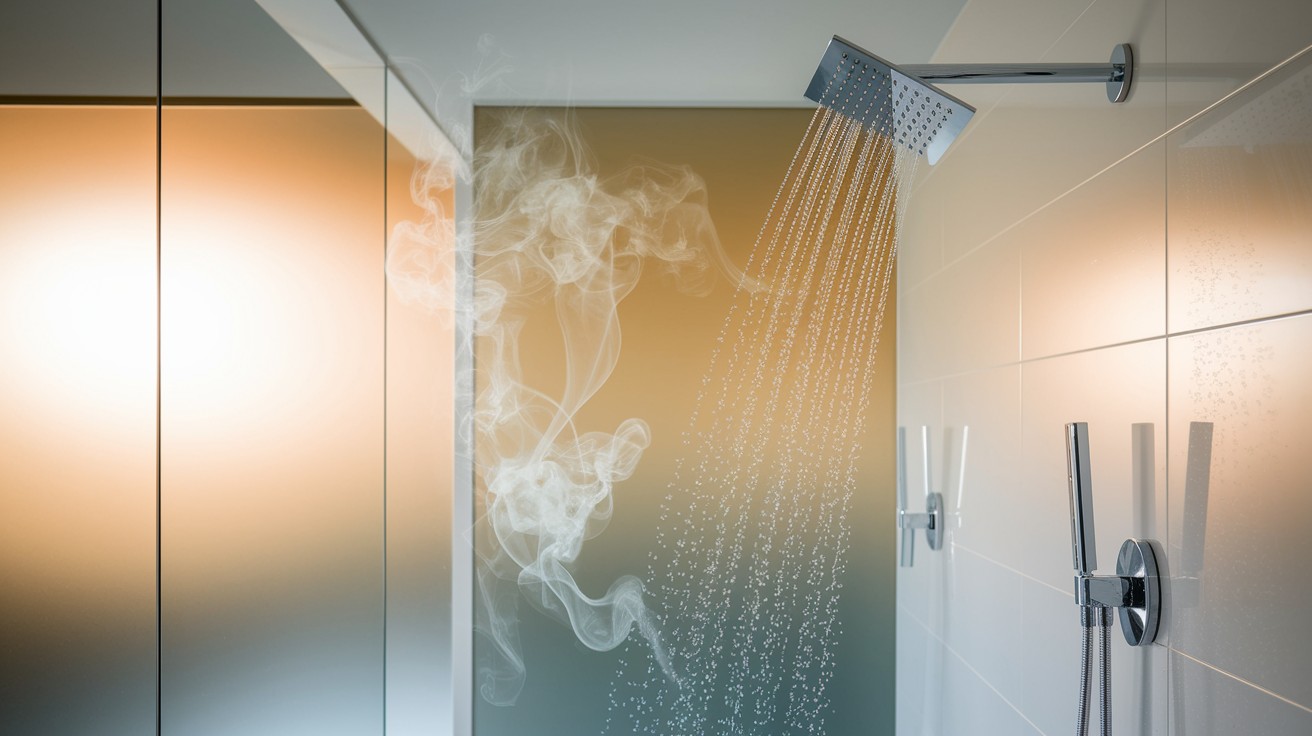
The magic is in the design. Rain shower heads work differently from regular ones.
Water enters the head through your plumbing. But instead of being forced through a few openings, it spreads across a large area.
Inside the head, water flows through many small nozzles. These nozzles are spread evenly across the surface. Each one releases a gentle stream of water.
The result? Water falls straight down like rain.
Water pressure plays a big role. Rain showers work best with moderate pressure. Too much pressure ruins the gentle effect. Too little pressure makes the water dribble.
Most rain heads also have a flow restrictor. This controls how much water comes out. It helps maintain that soft, rain-like feeling.
Types of Rain Shower Heads
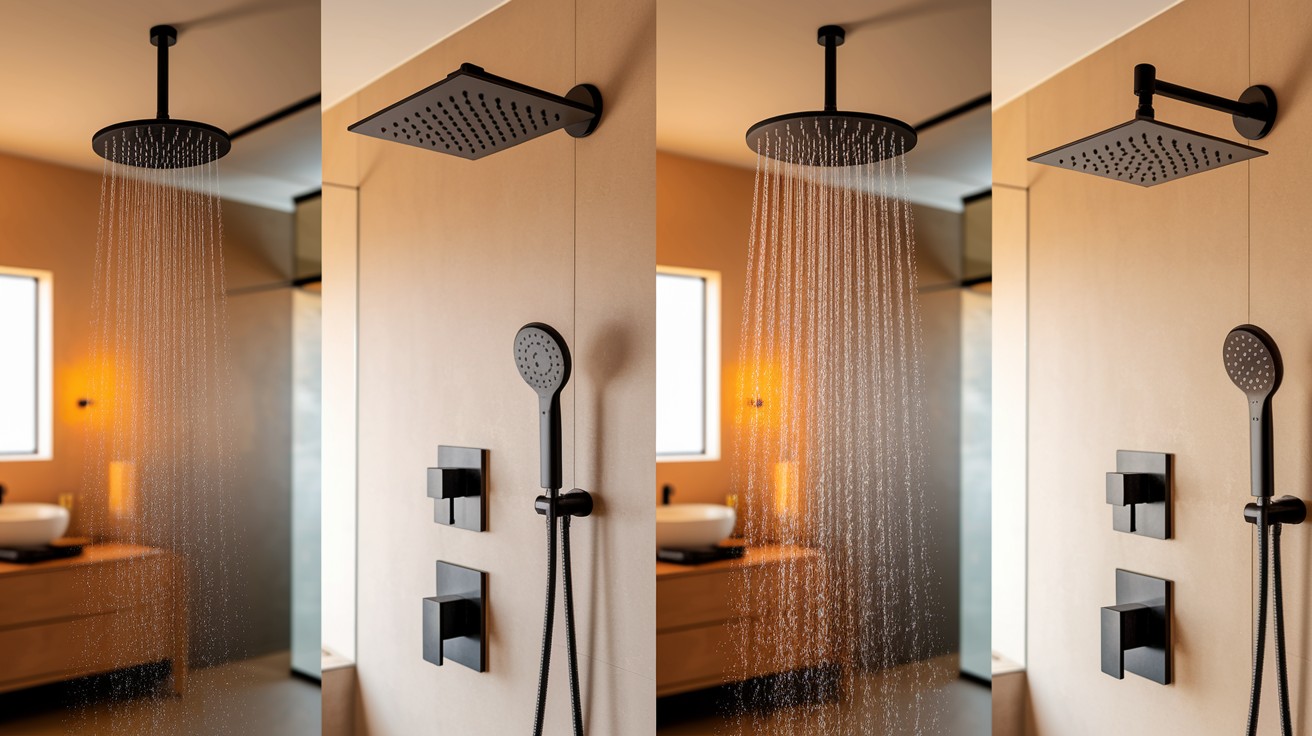
Not all rain showers are the same. Here are the main types you’ll find.
- Ceiling-mounted rain showers: hang directly from the ceiling. They give you the most realistic rain experience. Water falls straight down on your head and shoulders.
- Wall-mounted rain showers: attach to the wall like regular shower heads. They’re easier to install but don’t feel as much like real rain.
- Dual-function heads: combine a rain shower with a handheld sprayer. You get the best of both worlds. Use the rain head for relaxation and the handheld for washing.
- High-pressure models: are designed for people who want more water pressure. They maintain the rain effect but with a stronger flow.
Some rain showers also have LED lights or Bluetooth speakers. These add extra luxury to your shower experience.
Pros and Cons of Rain Showers
Here’s a quick comparison to help you decide if a rain shower is right for you.
|
Pros |
Cons |
|
Spa-like experience – Feels like a relaxing treatment that helps you unwind |
Installation challenges – Ceiling models often need professional help |
|
Even coverage – Water hits your whole body at once, no moving around needed |
Not for high-pressure lovers – Gentle flow might feel too soft for some people |
|
Modern appearance – Instantly upgrades your bathroom with sleek, contemporary style |
Higher water usage – Large heads can use more water and increase bills |
|
Quiet operation – Gentle flow creates less noise than traditional shower heads |
Maintenance needs – Many small holes get clogged and need regular cleaning |
|
Gentle on skin – Soft water pressure is better for sensitive skin and hair |
Higher cost – Quality rain heads and installation cost more than standard options |
Who Should Choose a Rain Shower?
Rain showers work well for certain people and situations.
- Relaxation seekers will love the spa-like experience. If you use showers to unwind, a rain head is perfect.
- Modern design lovers appreciate the contemporary look. Rain showers fit well in updated bathrooms.
- People with larger bathrooms have space for proper installation. Small bathrooms might feel cramped with a big rainhead.
- Those who value the experience over just getting clean quickly. Rain showers are about enjoying the process.
- Homeowners planning bathroom renovations can easily add rain showers to their plans.
Installation Tips
Installing a rain shower requires some planning.
- Ceiling vs. wall mount: Ceiling installation gives the best experience but is more complex. Wall mounting is easier but less authentic.
- Plumbing considerations: You might need to move water lines or add support. Check your water pressure first.
- DIY vs. professional: Wall-mounted models are often DIY-friendly. Ceiling installations usually need a plumber.
- Shower size: Make sure your shower is big enough. Rain heads work best in larger spaces.
- Water heater capacity: Large rain heads use more hot water. Your water heater should handle the increased demand.
Conclusion
Rain showers transform your daily routine into a relaxing experience. They work by spreading water gently across a large area, creating that natural rainfall feeling.
The key is understanding what you want from your shower. If you value relaxation and modern style, a rain shower is worth considering. If you prefer high pressure and quick showers, stick with traditional heads.
Consider your bathroom size, budget, and installation requirements. Rain showers require more planning than regular heads, but many people find them worth the effort.
Ready to upgrade your bathroom? Start by measuring your space and checking your water pressure. Your perfect shower experience might be just one installation away.
Frequently Asked Questions
Do rain showers use more water than regular shower heads?
It depends on the model. Many rain showers use 2.5 gallons per minute, the same as standard heads. However, larger models or those without flow restrictors can use more water.
Can I install a rain shower head myself?
Wall-mounted rain showers are often DIY-friendly if you have basic plumbing skills. Ceiling-mounted models usually require professional installation due to plumbing and structural considerations.
Will a rain shower work with low water pressure?
Rain showers need moderate water pressure to work properly. Very low pressure makes the water dribble instead of creating the rainfall effect. Consider a pressure-boosting model if your home has low pressure.
How often do rain shower heads need cleaning?
Clean your rain shower head monthly to prevent mineral buildup. The many small holes can clog easily in areas with hard water. Use vinegar or a commercial descaling solution.
Are rain showers good for washing hair?
Rain showers can make hair washing more challenging because of the gentle pressure. Many people choose dual-function heads that include a handheld sprayer for washing hair and rinsing thoroughly.
