

Have you ever walked into your basement and noticed that musty smell or spotted water stains on the walls? You’re not alone.
Basement waterproofing isn’t just about preventing obvious flooding; it’s about protecting your home’s foundation, preventing mold growth, and maintaining healthy indoor air quality for your family.
When it comes to basement sealing solutions, two names consistently rise to the top: RadonSeal and Drylok.
Both promise to keep water out, but they work in very different ways and serve different purposes.
Which one is right for your specific situation? In this comparison, we’ll break down their key features, examine the pros and cons of each product, and help you determine the best use cases for your home’s particular needs.
What Is Drylok?
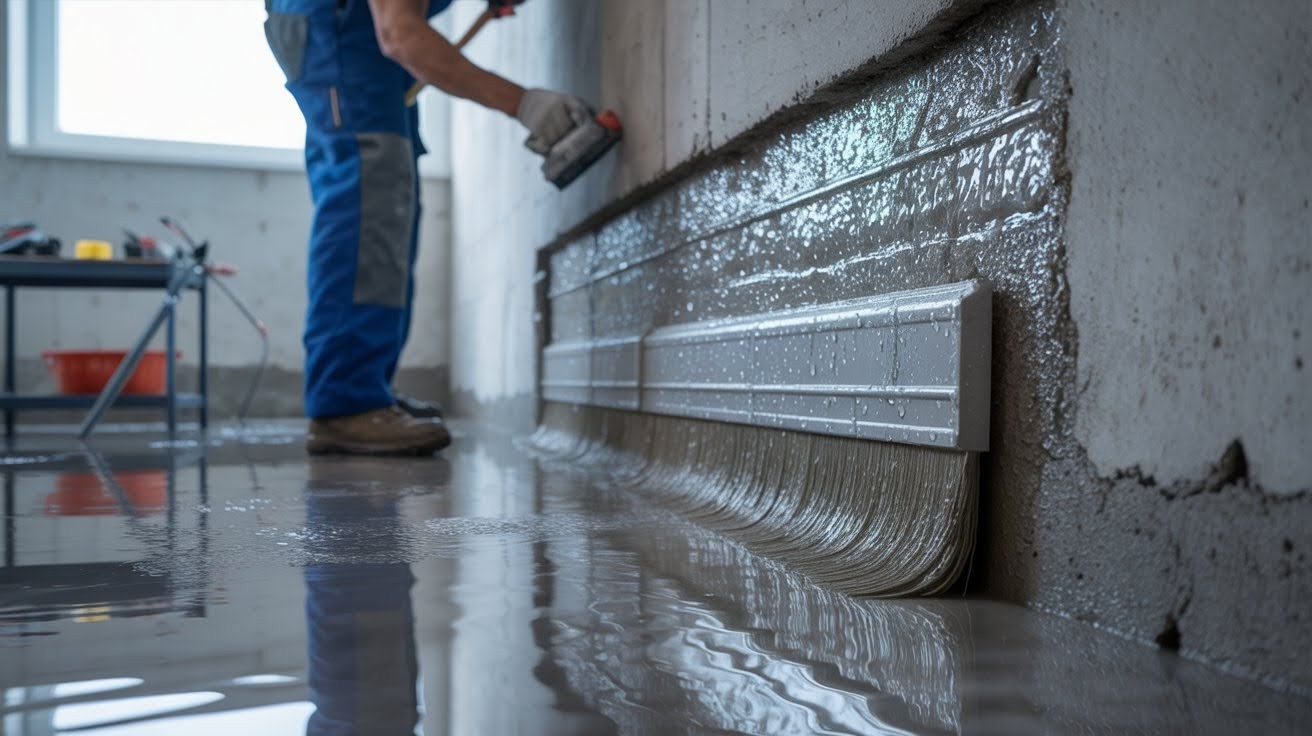
Drylok Masonry Waterproofer is a thick, paint-like coating designed to create a waterproof barrier on masonry surfaces.
This product works by forming a protective layer over your basement walls that seals the tiny pores in concrete, brick, and block materials.
The application process is straightforward. You brush or roll Drylok directly onto clean masonry surfaces, much like applying regular paint.
Once dried, it creates a solid barrier that prevents water from seeping through the surface.
Homeowners commonly use Drylok on basement walls, concrete floors, and various masonry surfaces both indoors and outdoors.
It’s particularly popular for addressing minor moisture issues and creating a finished look on basement walls.
What Is RadonSeal?
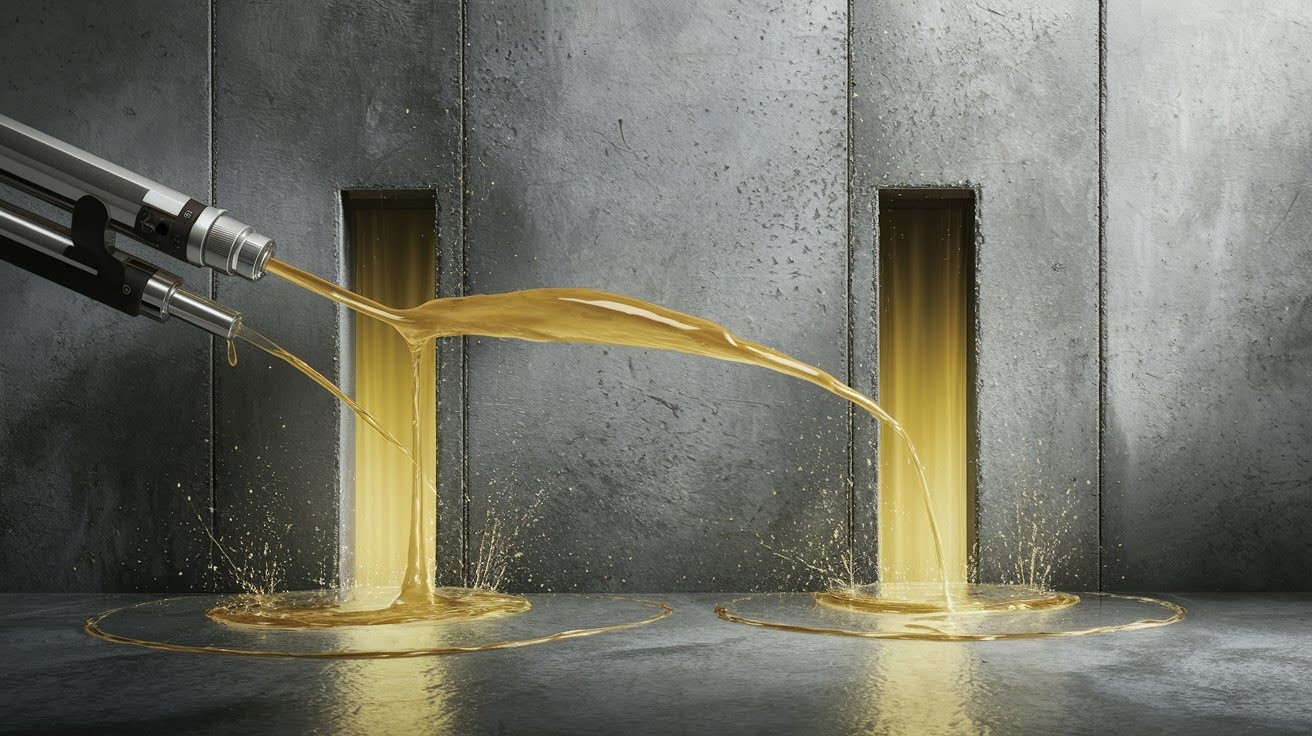
RadonSeal Deep-Penetrating Concrete Sealer takes a completely different approach to waterproofing.
Instead of sitting on the surface, this liquid sealer soaks deep into concrete and masonry materials.
The product penetrates up to 4 inches into concrete, filling microscopic spaces and creating an internal seal.
This deep penetration means the protection comes from within the concrete itself rather than from a surface coating.
RadonSeal offers a special benefit that sets it apart from other sealers. Beyond waterproofing, it also reduces radon gas emissions from concrete, making it valuable for homes with radon concerns.
This dual function makes it particularly appealing for basement treatment.
Key Differences Between RadonSeal and Drylok
1. Method of Application
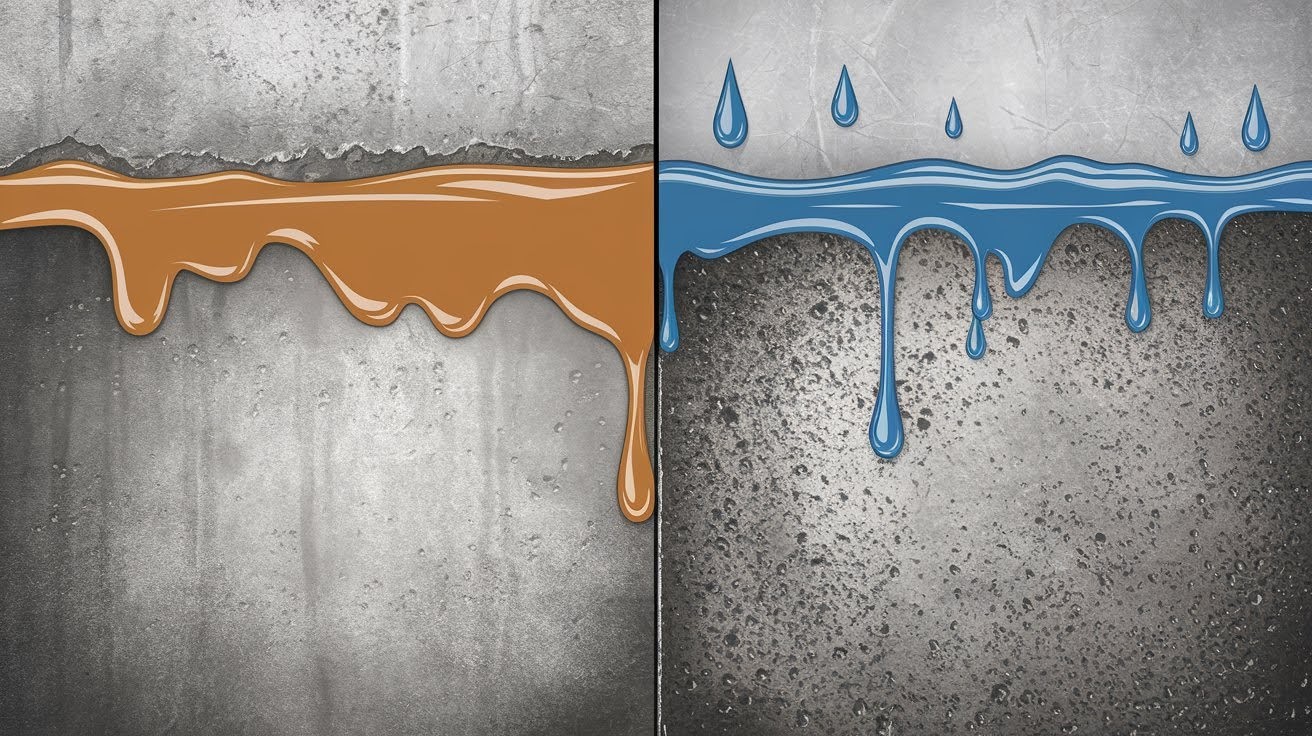
Drylok applies like regular paint using a brush or roller. You spread it evenly across the surface to create a thick protective coating.
RadonSeal can be applied with a spray, brush, or roller, but it works differently by soaking into the concrete rather than sitting on top.
2. Depth of Protection
Drylok creates a surface-level barrier that blocks water from the outside.
RadonSeal penetrates deep into concrete, creating protection from within the material itself. This fundamental difference affects how each product performs over time.
3. Resistance to Moisture and Seepage
Drylok effectively blocks water seepage and can handle pressure up to approximately 12 PSI.
RadonSeal creates a long-term internal barrier that resists hydrostatic pressure by sealing the concrete from the inside out.
4. Mold and Mildew Resistance
Drylok includes built-in mold resistance in its finish coating.
RadonSeal prevents water penetration at the source, which reduces mold risk indirectly by keeping moisture out of the concrete.
5. Radon Gas Protection
Drylok offers no protection against radon gas emissions.
RadonSeal specifically reduces radon gas that naturally seeps through concrete, making it valuable for homes with radon concerns.
6. Appearance After Application
Drylok leaves a visible painted finish that can be smooth or textured, depending on your application method.
RadonSeal dries completely clear, leaving no change to your concrete’s original appearance.
7. Ease of Use
Drylok is straightforward for DIYers but requires careful application of even coats to avoid streaks or thin spots.
RadonSeal offers a simple spray-on application, but it needs multiple coats for maximum deep penetration.
8. Durability and Lifespan
Drylok may peel or flake over time if not applied correctly or if moisture pressure becomes too high.
RadonSeal creates a permanent effect inside the concrete that doesn’t wear away or require reapplication.
Pros and Cons
Drylok Pros & Cons
Pros: Drylok offers excellent value with its affordable price point. The application process is straightforward and familiar to anyone who has painted before.
It includes built-in mold resistance and comes in different finishes.
Cons: The protection only works at the surface level, which means water pressure can cause problems.
You may need to reapply the coating over time in heavy moisture areas. Poor application can lead to peeling or flaking issues later.
RadonSeal Pros & Cons
Pros: RadonSeal penetrates deep into concrete for long-lasting protection without reapplication needs.
It provides the added benefit of reducing radon gas emissions from concrete surfaces. The finish dries completely invisible, maintaining your concrete’s natural appearance.
Cons: The upfront cost is higher than surface coatings for budget-conscious homeowners. It doesn’t provide any decorative benefits since it dries clear and invisible.
You’ll need additional products if you want to improve your basement’s visual appearance.
Which One Should You Choose?
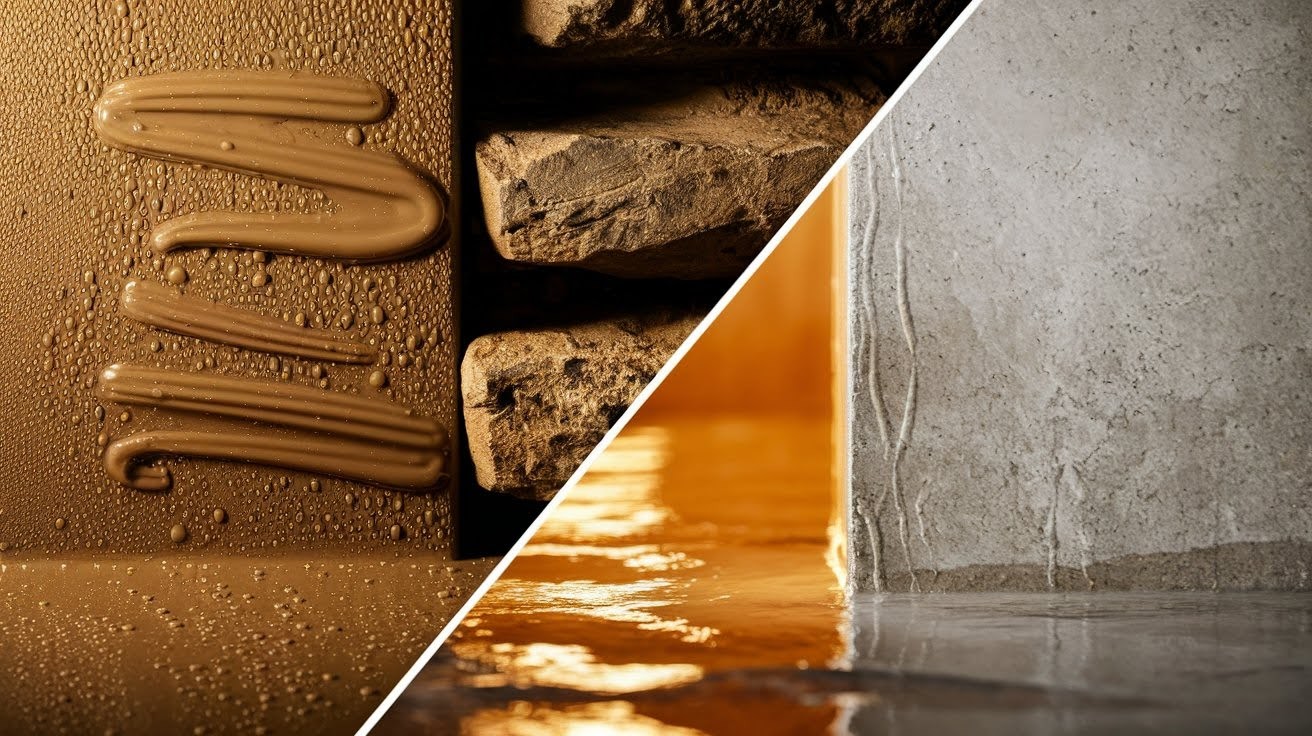
Best Situations for Drylok
Choose Drylok when you want to improve your basement’s appearance while addressing moisture issues.
This product works well for basements with minor seepage and surface-level moisture problems.
It’s perfect for homeowners who want immediate visual improvement along with basic waterproofing in one application.
Best Situations for RadonSeal
Select RadonSeal when your home has radon concerns that need addressing alongside waterproofing.
It’s ideal for concrete surfaces that need deep, permanent sealing rather than surface-level treatment.
Choose this option for long-term, low-maintenance protection that doesn’t change your concrete’s appearance.
Final Thoughts
After years of helping homeowners with basement waterproofing projects, I’ve seen both products work well in their intended applications.
The key difference comes down to your primary goal: Drylok provides cosmetic improvement plus surface protection, while RadonSeal offers deep, structural protection that works from within the concrete.
Think of it this way: Drylok is like putting on a raincoat, while RadonSeal is like making your skin waterproof. Both approaches work, but for different situations and needs.
If you’re still unsure which product suits your basement’s specific conditions, I strongly recommend consulting a professional.
They can assess your moisture levels, radon concerns, and help you make the right choice for your home’s long-term health and your family’s safety.
Frequently Asked Questions
Can I use both RadonSeal and Drylok together on the same surface?
Yes, apply RadonSeal first for deep penetration, then Drylok over it for surface protection and appearance. This combination provides both deep sealing and cosmetic benefits.
How long do RadonSeal and Drylok last before needing reapplication?
RadonSeal provides permanent protection that doesn’t require reapplication since it bonds with concrete. Drylok typically lasts 5-10 years, depending on moisture conditions.
Which product works better for basement floors versus walls?
RadonSeal works well on both floors and walls, providing deep penetration for high-traffic areas. Drylok is better suited for walls where you want a decorative finish.
Do these products require special surface preparation before application?
Both require clean, dry surfaces free of dirt and loose material for proper adhesion. RadonSeal can be applied to slightly damp concrete, while Drylok needs completely dry surfaces.
Are RadonSeal and Drylok safe to use indoors without ventilation concerns?
RadonSeal is water-based with minimal odors, making it safer for indoor use. Drylok has stronger fumes during application and requires good ventilation.
