

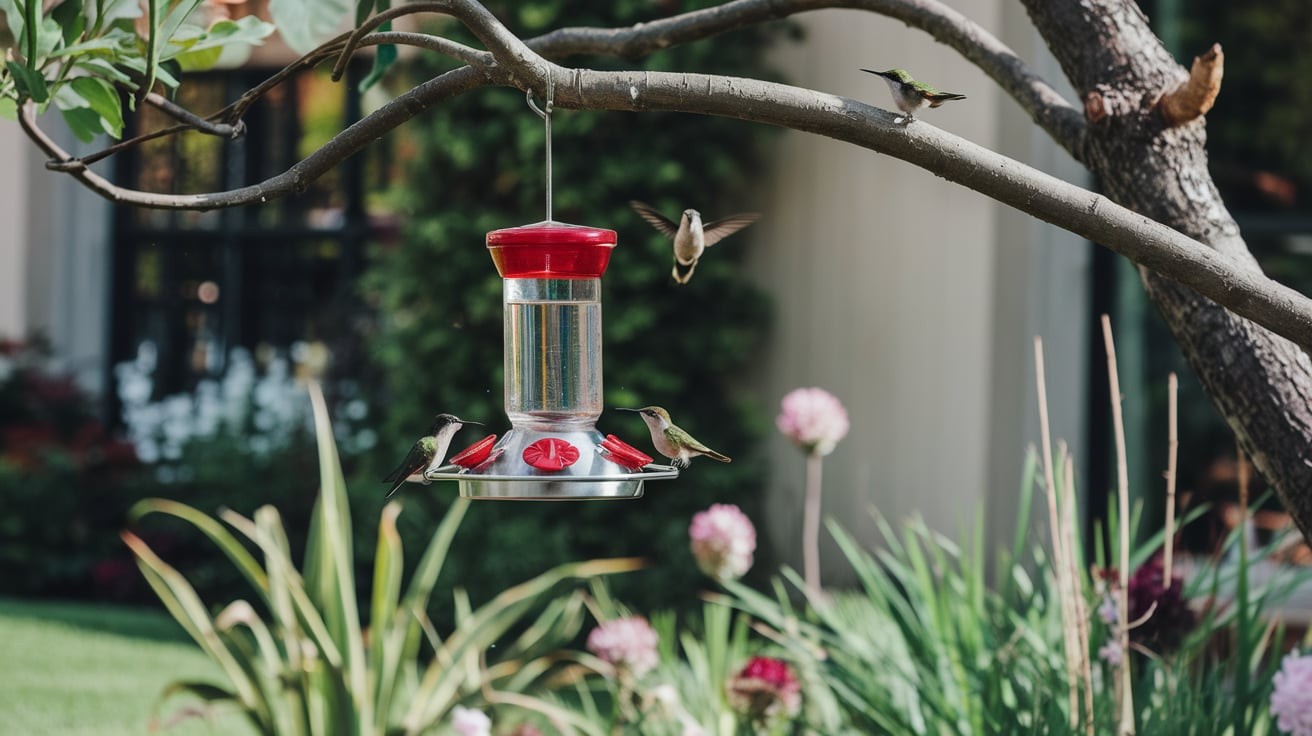
There’s a unique kind of magic that happens when a garden comes alive—not just with color and fragrance, but with movement. The soft hum of wings, a flash of iridescent feathers, and the fleeting presence of a hummingbird can turn even the simplest backyard into something extraordinary. Creating this harmony isn’t about luck; it’s about thoughtful design, a touch of patience, and a willingness to share your space with nature.
Designing a backyard that feels both elegant and alive means balancing beauty with function. When you introduce backyard hummingbird feeders into your landscape, you’re not only adding charm—you’re inviting nature’s most mesmerizing guests to take part in your garden’s story.
The Beauty of Motion in the Garden
Gardens are often designed for stillness—a tranquil space for reflection, framed by symmetry, color, and form. Yet, when you incorporate elements that attract wildlife, the space transforms from static to dynamic. The delicate dance of hummingbirds brings movement and rhythm to your garden, much like wind does to leaves or light does to water.
Unlike many birds, hummingbirds interact with flowers and feeders at eye level, hovering gracefully as they sip nectar. This creates an experience that feels intimate and immersive—you’re not just observing nature; you’re part of it.
When thoughtfully integrated into your design, feeders can enhance your garden’s overall composition. A hanging feeder glimmering in sunlight can become a natural focal point, while one tucked among blooming plants blends seamlessly into the scenery.
Choosing the Right Location
Placement is everything. A successful hummingbird-friendly garden begins with thoughtful positioning of feeders and plants.
Start by observing where sunlight hits throughout the day. Hummingbirds prefer bright, open spaces but also need shaded perches to rest. Place feeders where they’ll catch the morning light—near a window, patio, or along a walking path where you can easily enjoy the view.
Avoid hanging feeders too close to high-traffic areas or under direct afternoon sun, which can cause nectar to spoil quickly. If possible, situate your feeder near native flowers such as salvia, trumpet vine, or bee balm. This not only creates a natural look but encourages birds to explore the full range of your garden.
For a balanced design, consider spacing feeders evenly across your yard. Too many in one area can lead to territorial disputes among hummingbirds, while thoughtful distribution allows you to enjoy more peaceful activity across your space.
Designing Around the Feeder
A hummingbird feeder doesn’t have to look out of place. Think of it as an accent piece—part of your garden’s visual and ecological story. Choose feeders that match the tone of your landscape. In a modern garden, sleek glass or metal feeders echo clean architectural lines. In a rustic or cottage-style yard, hand-blown glass or bronze designs blend beautifully with wooden furniture and climbing vines.
High-quality options like Kingsyard bird feeders balance form and function, offering both durability and subtle elegance. These designs withstand the elements while complementing the aesthetic of your outdoor space, making them as enjoyable to look at as they are to use.
You can further enhance visual harmony by layering textures and colors around your feeder. Soft green foliage, flowering vines, and even decorative stones create a natural frame that highlights the feeder without overpowering it.
Creating a Bird-Friendly Environment
Attracting hummingbirds isn’t just about feeders—it’s about building an environment where they feel safe, nourished, and at home.
Planting native species is one of the best ways to ensure a steady food supply. Flowers like coral honeysuckle, penstemon, and columbine provide nectar-rich blooms while supporting local pollinators. Avoid using pesticides; even mild ones can harm hummingbirds or the insects they rely on.
Water is another essential element. A small fountain or shallow basin with a gentle trickle provides a perfect place for hummingbirds to drink and bathe. The sound of moving water can also enhance the sensory experience of your garden, inviting both birds and people to linger a little longer.
Finally, think vertically. Hummingbirds enjoy perching high, so small trees or trellises offer excellent resting spots. Combine flowering plants at varying heights—tall perennials, medium shrubs, and ground-level blossoms—to create a three-dimensional space that feels lush and layered.
Harmony Through Color and Texture
Hummingbirds are naturally drawn to warm colors, especially red and orange. You don’t need to overwhelm your garden with them; subtle accents are enough. A red feeder among green foliage or a cluster of orange blooms near a seating area can guide the birds in naturally.
Use repetition and rhythm to tie everything together. If your feeder has metallic or glass accents, echo those tones in nearby planters or light fixtures. Contrast soft, flowing plants like grasses or ferns with structured blooms or ornamental borders. This balance of textures mirrors the very essence of a hummingbird—graceful yet strong, delicate yet full of energy.
Savoring the Experience
Once your garden begins to attract hummingbirds, it becomes less about decoration and more about connection. Watching these tiny birds dart among blossoms and feeders is a simple pleasure that brings daily calm. Many homeowners describe it as meditative—the momentary pause that reminds you to breathe and observe.
Incorporating backyard hummingbird feeders isn’t about filling your space with objects—it’s about filling it with life. Each visit becomes a reminder that your garden is part of something larger, part of a living cycle that thrives when we choose harmony over control.
As seasons shift, maintaining clean feeders and fresh nectar ensures your garden remains a dependable stop for these travelers. Regular care, just like watering your plants or pruning your roses, becomes a ritual of mindfulness—an act of stewardship as much as gardening.
Final Thoughts
A well-designed garden tells a story, and when birds are part of that story, it becomes something far richer. Through color, motion, and thoughtful design, you can turn your backyard into a living work of art—one that evolves with every season and every wingbeat.
Blending Kingsyard bird feeders and hummingbird-friendly plants into your outdoor space isn’t simply about attracting birds; it’s about cultivating peace, balance, and beauty. In a world that moves too fast, a garden like this invites us to slow down—to notice, to listen, and to find harmony in the small, fleeting miracles that flutter just beyond our reach.
