

I had never seen dirt void of life, and I did not know where to start. I made this homenumental garden guide for you to avoid my experience.
You will learn garden planning and planting, healthy soil building, seed starting, and composting. You’ll also learn about growing plants indoors.
I killed a lot of plants until I figured this out. Avoid my mistakes. You will save money. You will grow your own food and keep your plants alive with that.
View this as errors I committed and lessons I learned, which can help you.
Planning Your Garden Layout
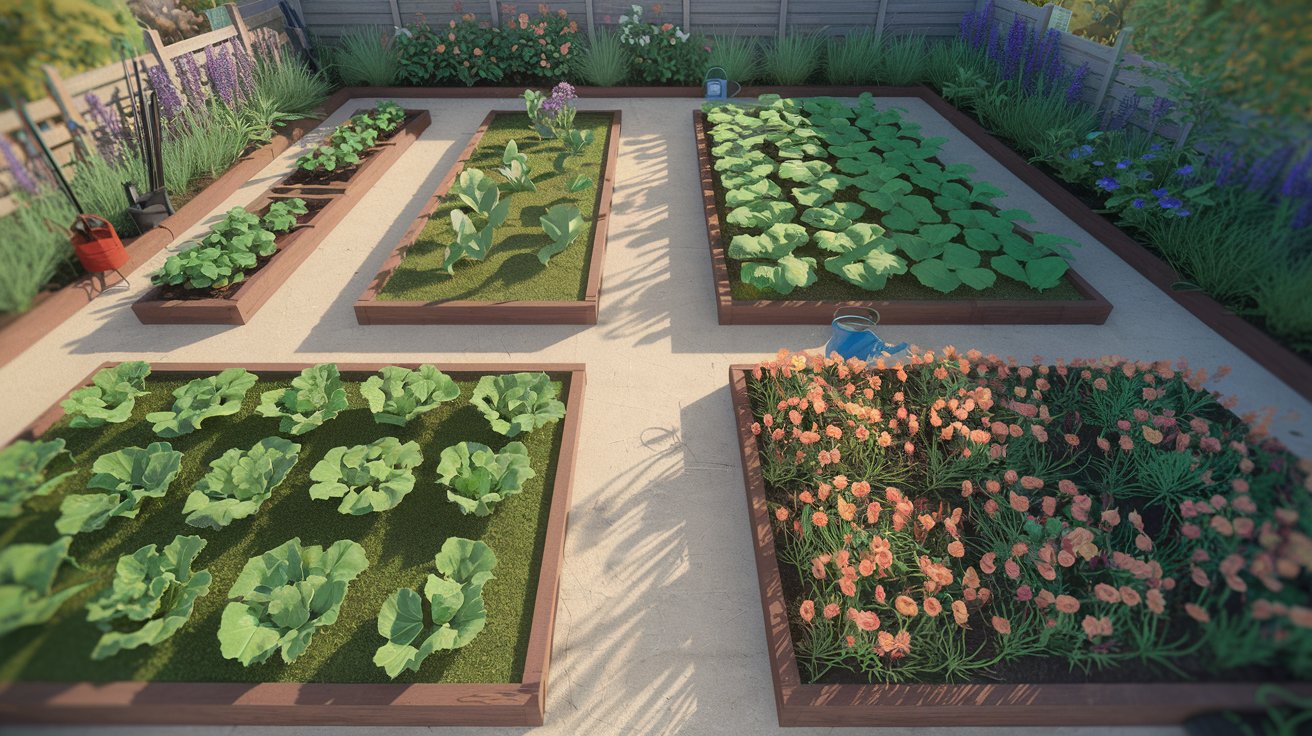
Every great garden starts with a solid plan. Walk around your yard at different times and notice where the sun hits and where shadows fall. Some plants need full sun while others prefer shade.
Measure your available space because even small yards can become productive gardens. Pay attention to how much light each area gets throughout the day.
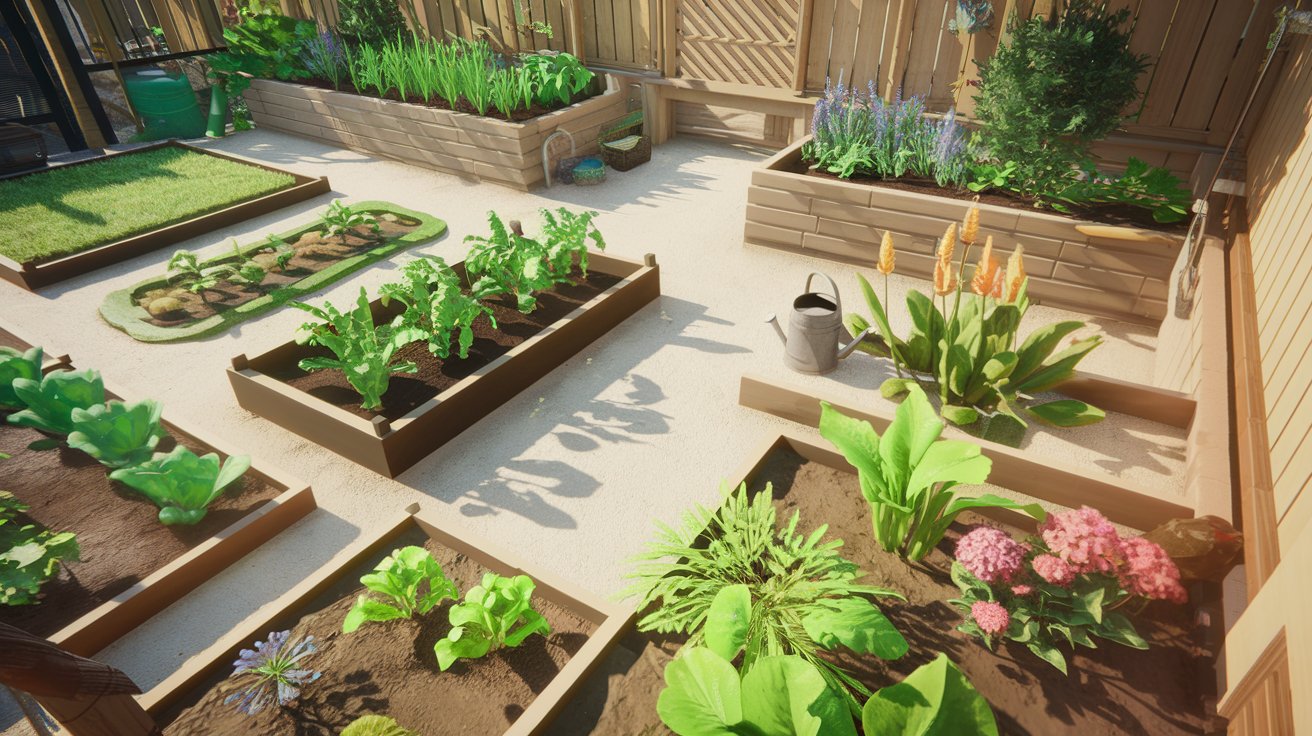
Create clear zones for different purposes. Group vegetables in one section and put flowers in another. Raised beds work well for organization and drainage. Design pathways wide enough to walk through comfortably.
Symmetry looks nice but isn’t required. Focus on function first. Beauty follows naturally when your garden works well. This information guides every decision you make.
Choosing the Right Plants
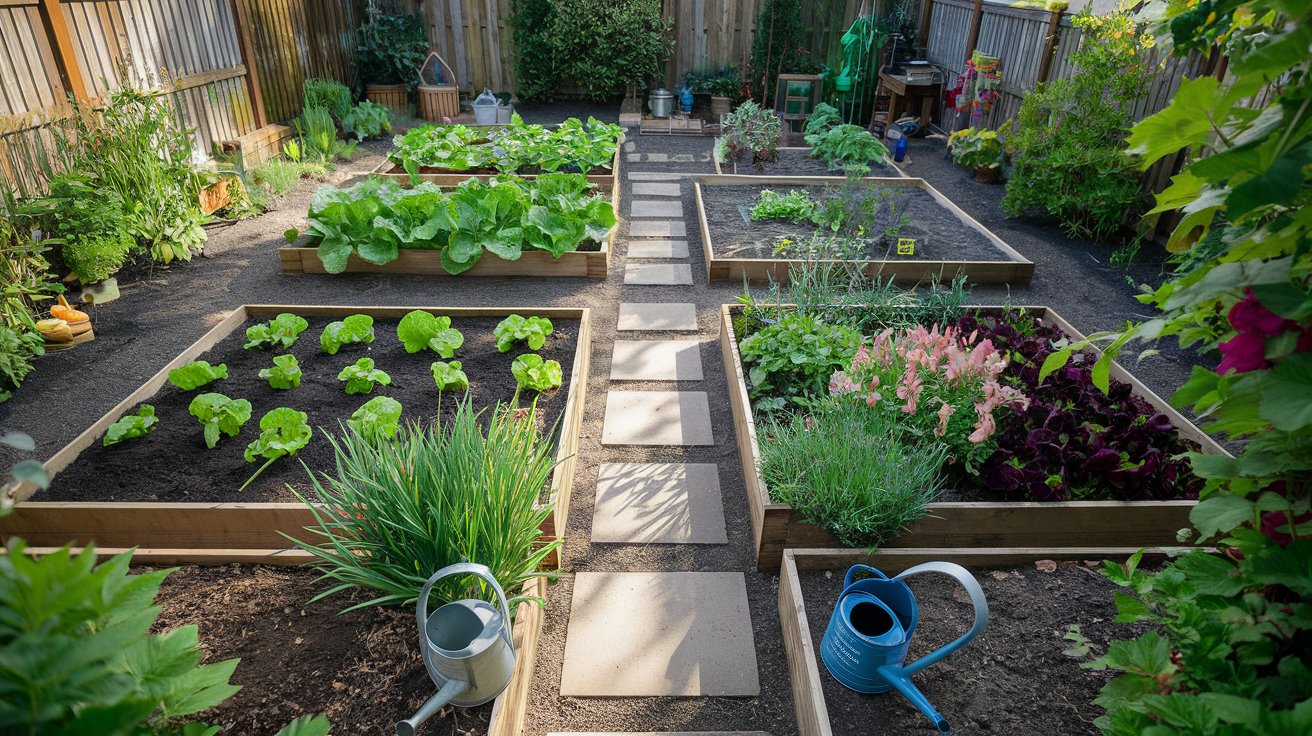
Plant selection makes or breaks your garden success.
Understanding Your Climate and Zone:
Check your USDA hardiness zone. This tells you which plants survive in your area. Native plants typically need less maintenance. They’re already adapted to your climate. Non-native plants often need extra care. Choose wisely based on your available time and energy.
Selecting Easy-to-Maintain Plants:
Start with low-maintenance options. Tomatoes, lettuce, and herbs grow reliably. Marigolds and zinnias bloom easily. These plants forgive beginner mistakes. Save exotic varieties for later. Build confidence with simple successes first. You’ll learn what works in your specific conditions.
Plant Grouping and Spacing:
Group plants with similar water needs together. Don’t mix drought-tolerant plants with water-lovers. Follow spacing guidelines on seed packets. Crowded plants compete for resources. They’re also more prone to disease. Give each plant room to grow properly.
Soil Preparation and Enrichment
Healthy soil creates healthy plants. This step cannot be skipped.
Testing Soil Quality
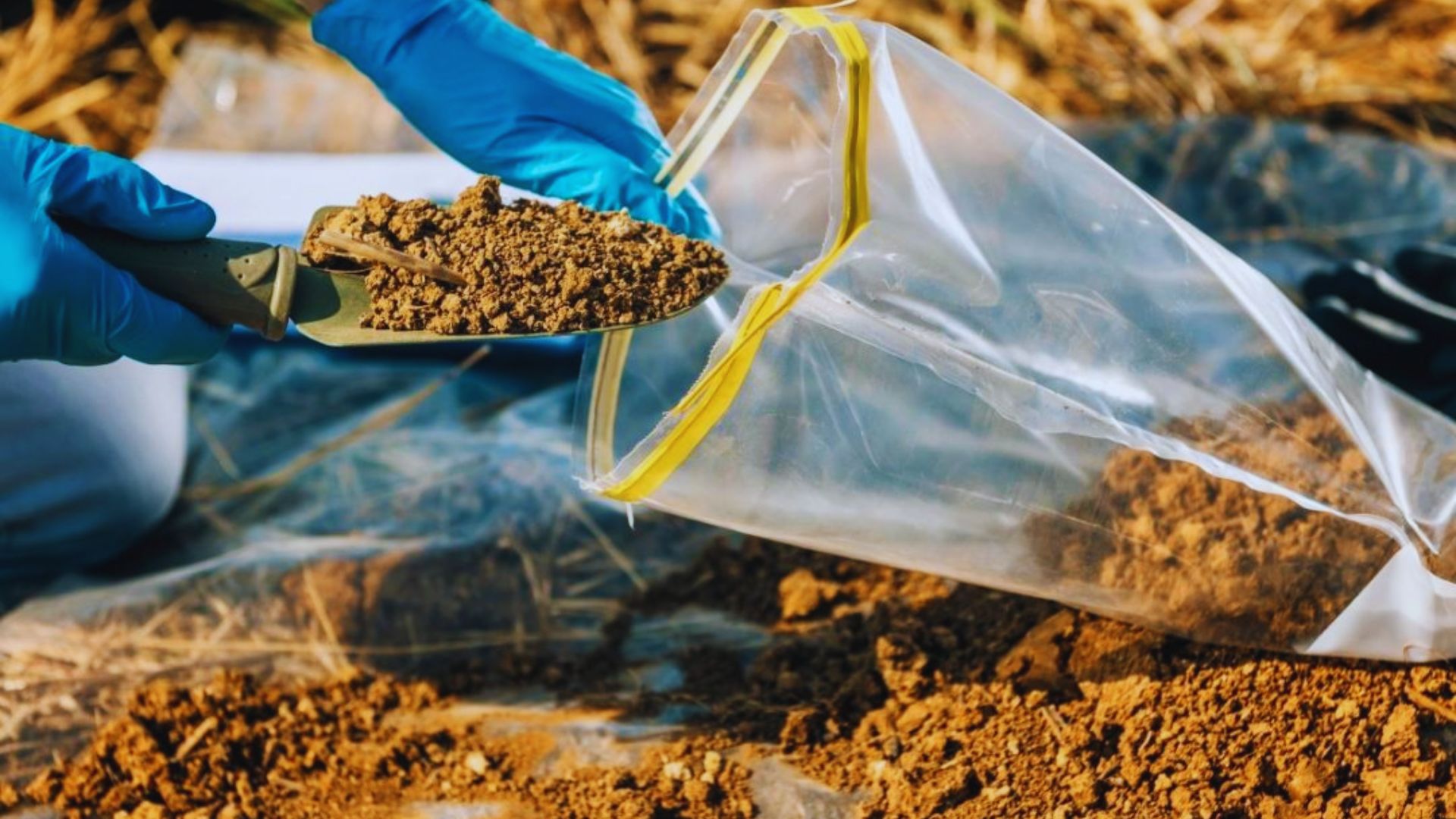
Test your soil pH before planting. Most vegetables prefer slightly acidic to neutral soil. Check nutrient levels too. Poor drainage causes root rot. Sandy soil drains too quickly. Clay soil holds too much water. Know what you’re working with.
Organic Fertilizers and Compost
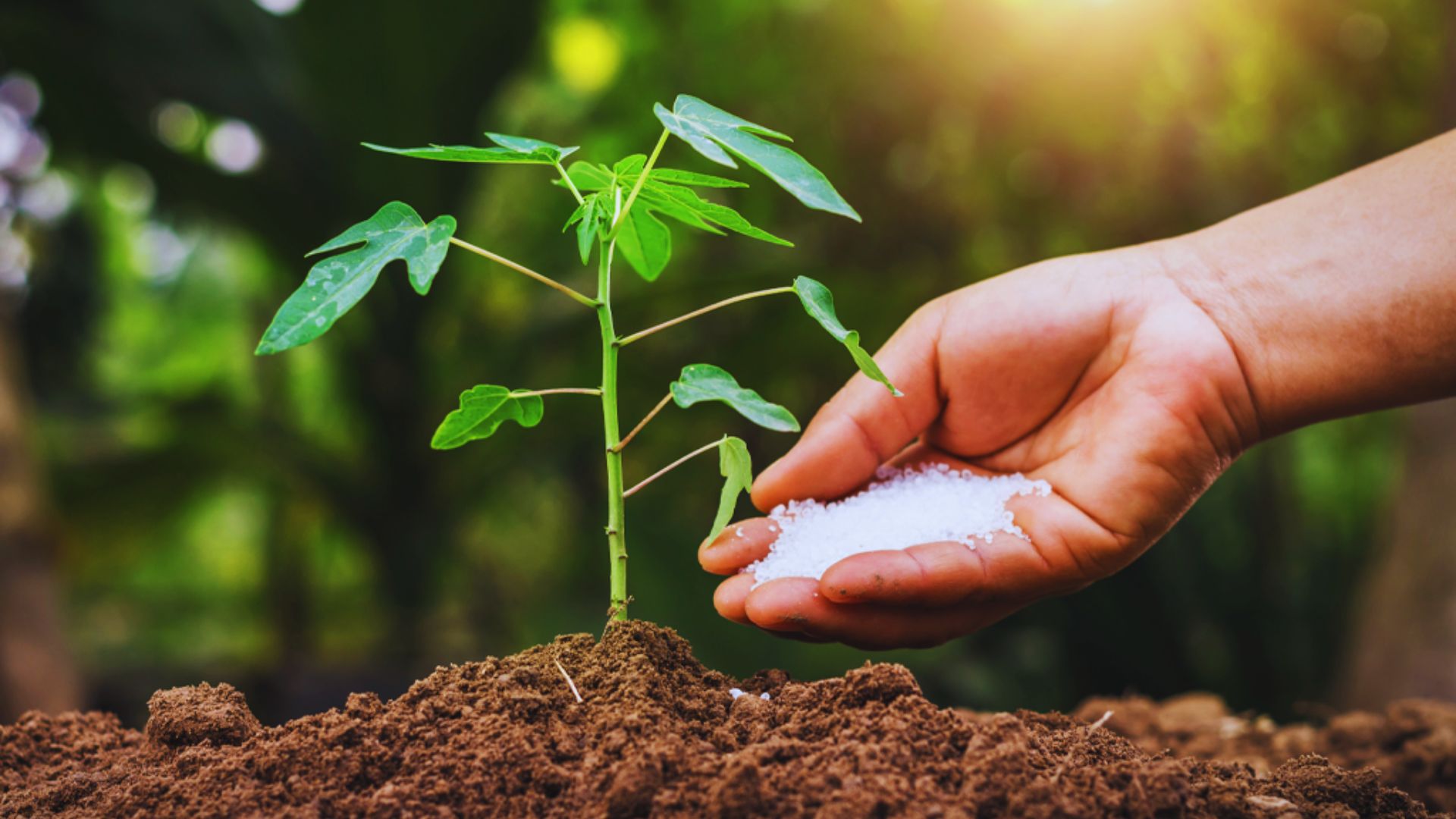
Natural manure adds nutrients gradually. Compost improves soil structure and feeds beneficial organisms. Leaf mold retains moisture beautifully. These organic options build long-term soil health. Chemical fertilizers give quick results but don’t improve soil quality. Go natural when possible.
Raised Beds and Soil Protection
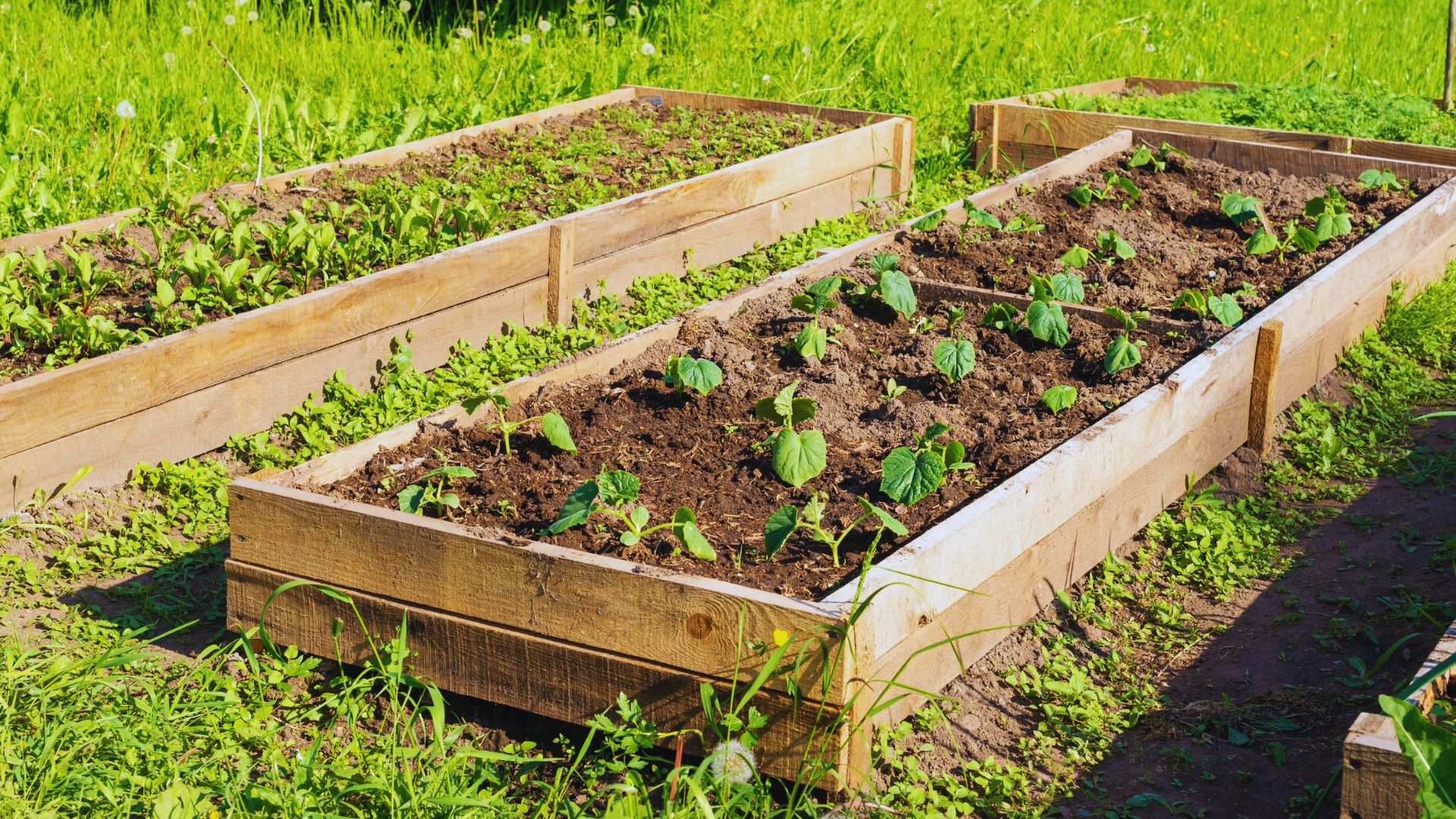
Raised beds solve many problems at once. They improve drainage naturally. You control the soil quality completely. They’re easier on your back. They also warm up faster in spring. Consider building a few if you have problem soil.
Watering and Irrigation Strategies
Water wisely to conserve resources and grow stronger plants.
Deep vs. Shallow Watering
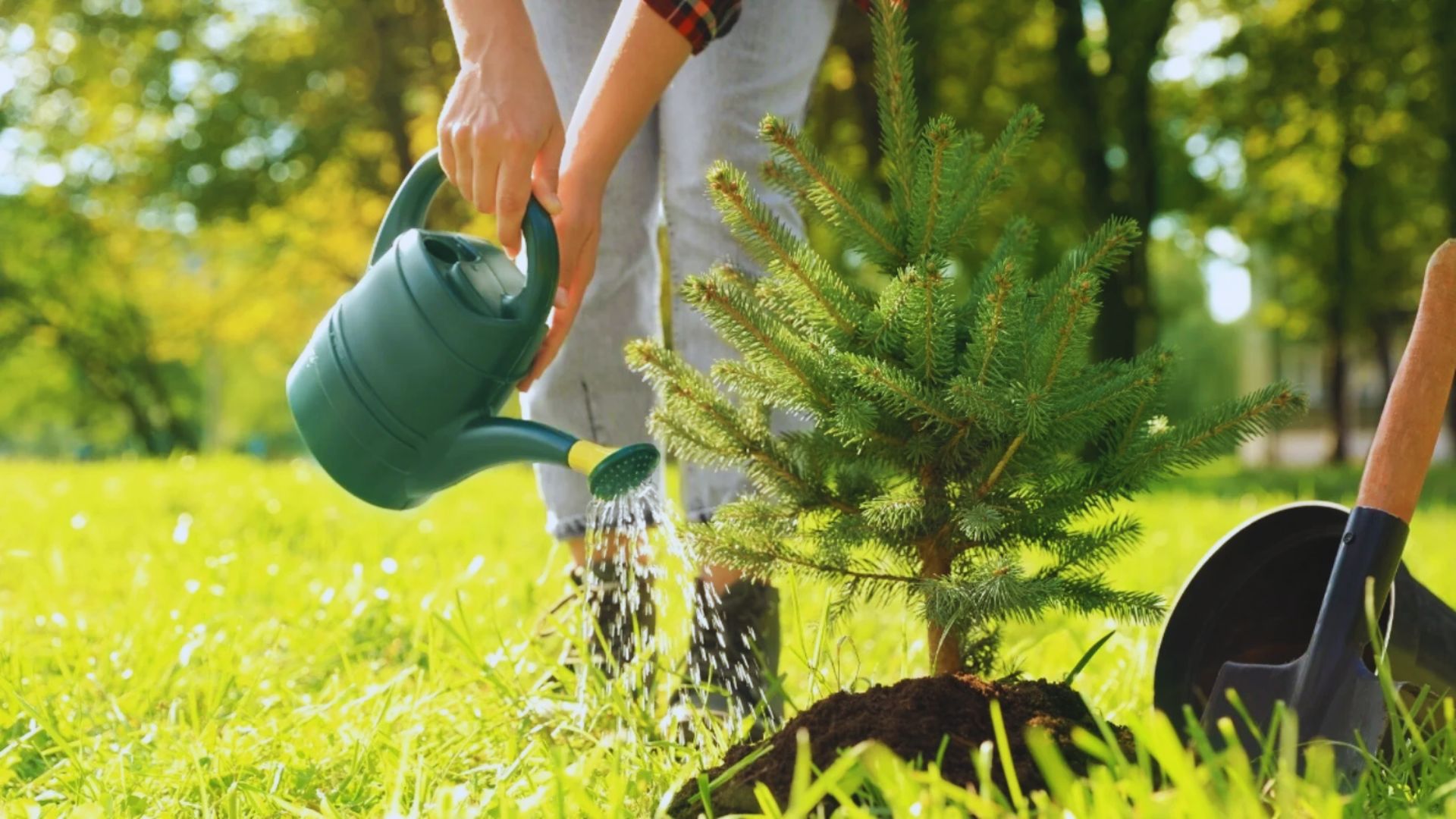
Deep watering encourages roots to grow downward. This creates drought-resistant plants. Shallow frequent watering keeps roots near the surface. Water deeply but less often. Let the soil dry slightly between waterings. Your plants will develop stronger root systems.
Drip Irrigation and Soaker Hoses
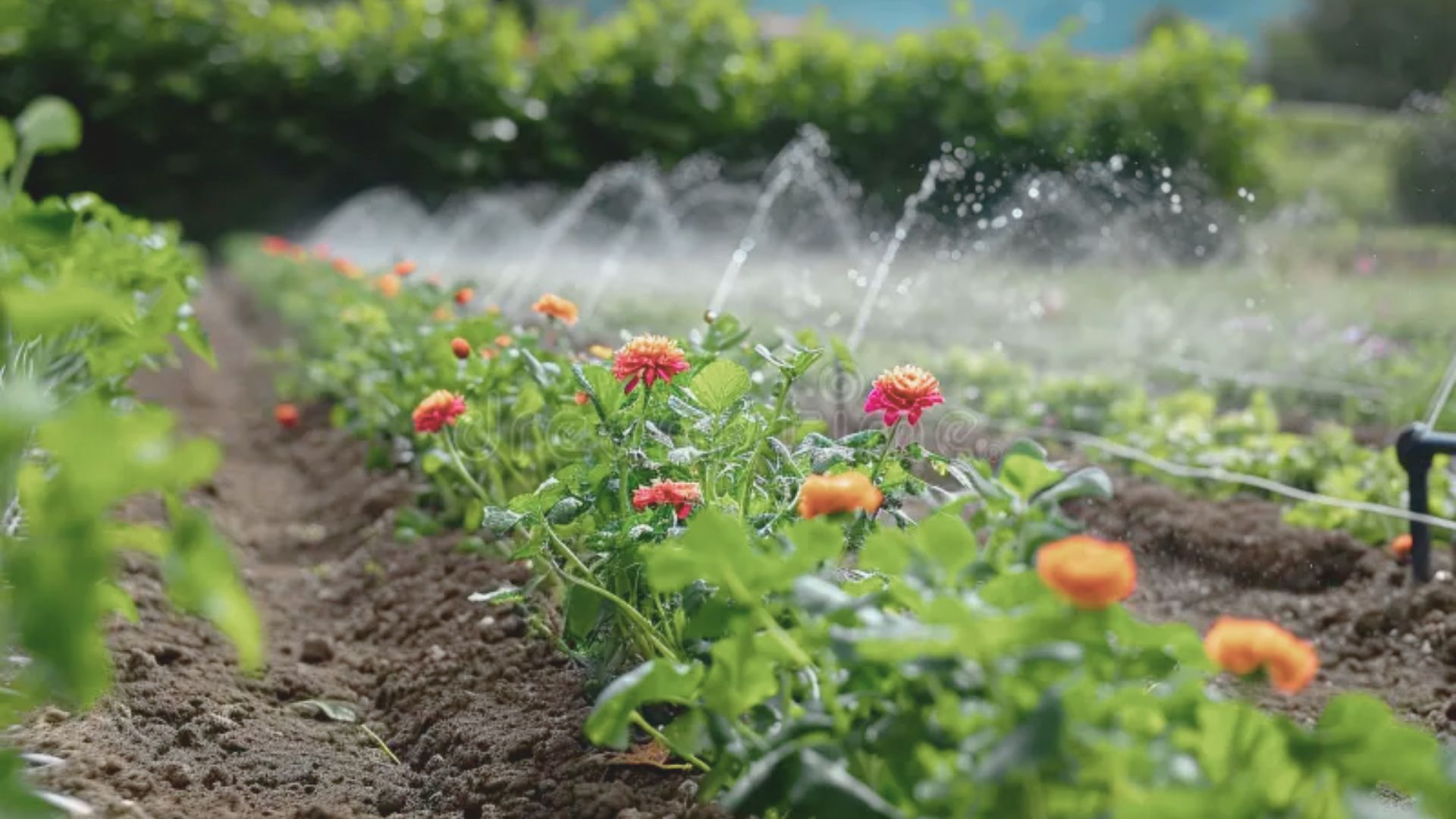
Drip systems deliver water directly to roots. They reduce evaporation significantly. Soaker hoses work well for vegetable rows. Both methods save time and water. They’re worth the initial investment. Set timers for even more convenience.
Seasonal Watering Adjustments
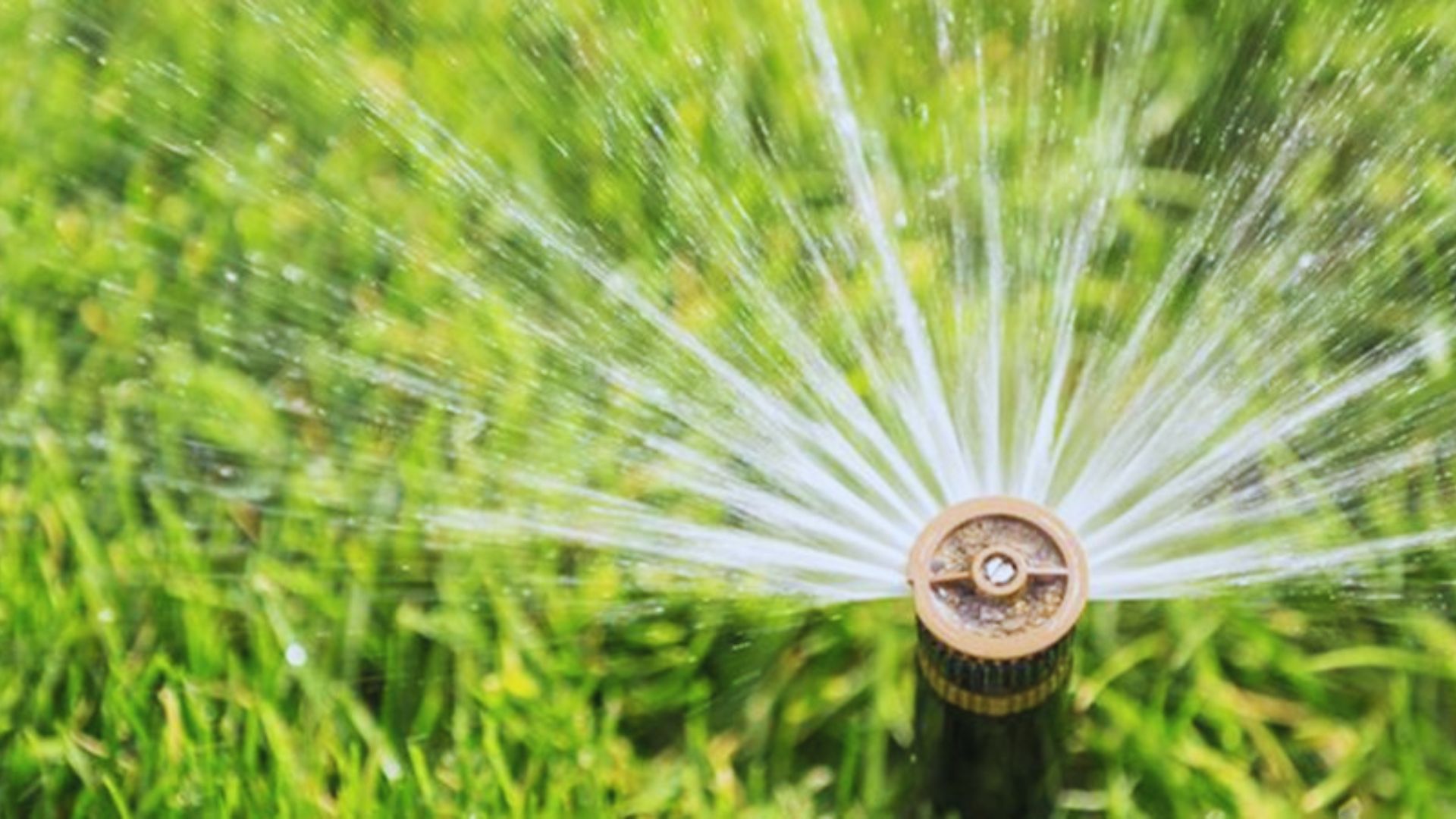
Spring plants need moderate water as they establish. Summer requires the most irrigation. Fall watering decreases as temperatures cool. Winter watering depends on rainfall and plant dormancy. Adjust your schedule with the seasons.
Sustainable Gardening Practices
Garden in ways that help the environment. Compost kitchen scraps and yard waste to reduce trash and create free fertilizer. Collect rainwater in barrels and use it during dry spells. These practices save money and resources.
Neem oil handles many common pests safely. Companion planting confuses insects naturally. Marigolds repel aphids while basil protects tomatoes. Avoid harsh chemicals when possible because they harm beneficial insects too.
Plant flowers that attract bees and butterflies. Native wildflowers work especially well. Birds need water sources and shelter. A healthy garden ecosystem manages itself better. Welcome these helpers into your space.
Seasonal Gardening Tips
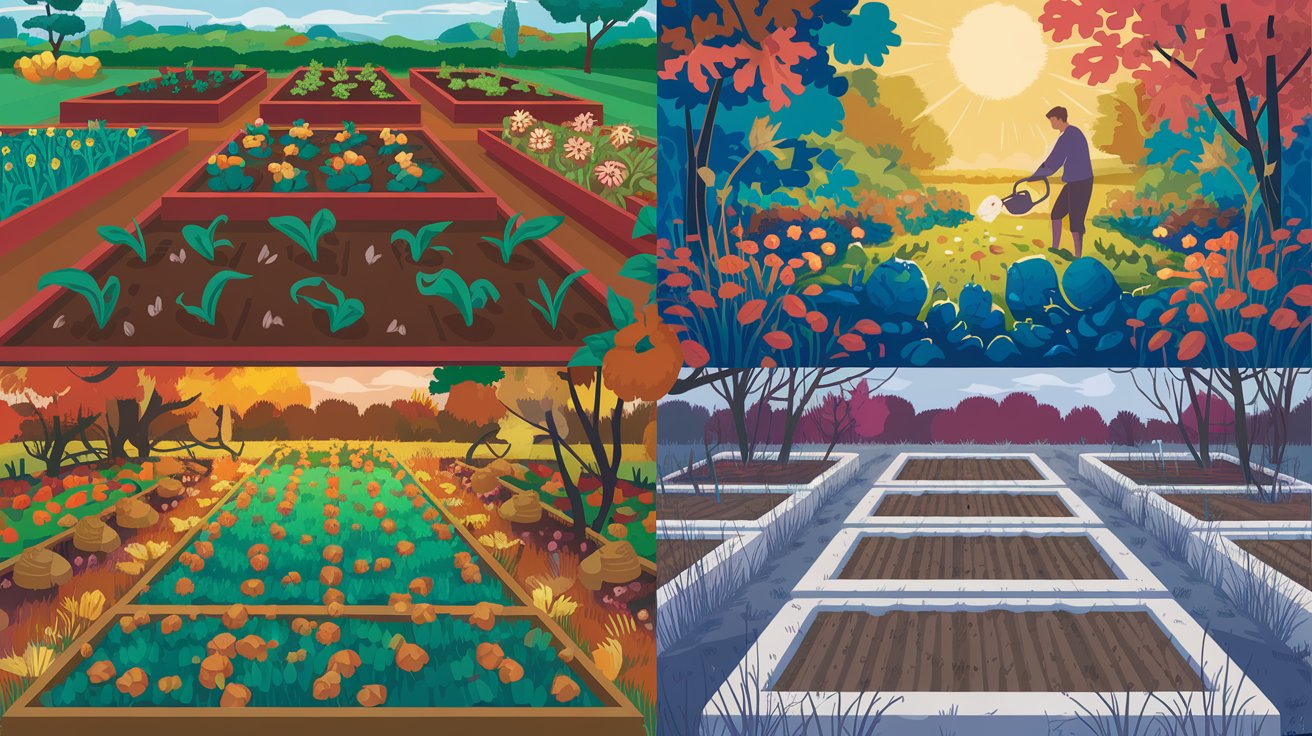
Each season brings different tasks.
Spring Care:
Prepare beds as soon as soil can be worked. Add compost and organic matter. Start seeds indoors if needed. Prune dead branches from perennials. Spring sets the foundation for the entire growing season.
Summer Care:
Water deeply during heat waves. Mulch heavily to retain moisture. Monitor for pests weekly. Deadhead flowers to encourage more blooms. Harvest vegetables regularly. Summer requires the most active maintenance.
Fall Care:
Plant spring bulbs now. Clean up fallen leaves. Add them to compost or use as mulch. Add organic matter to your beds. Fall preparation makes spring easier.
Winter Care:
Plan next year’s garden layout. Order seeds early for best selection. Clean and sharpen tools. Maintain equipment. Dream about warmer days ahead. Winter is for planning and preparation.
Indoor Gardening Tips
Grow year-round inside your home.
- Pothos thrive in dim corners. Snake plants tolerate neglect beautifully. ZZ plants need very little care. These varieties suit indoor conditions naturally and adapt to average home temperatures and humidity.
- Overwatering kills more houseplants than anything else. Let soil dry between waterings. Ensure pots have drainage holes. Open windows occasionally for fresh air. Good circulation prevents mold and strengthens plants.
- Indoor plants purify your air. They reduce stress and boost mood. Growing things year-round keeps your skills sharp. You’ll stay connected to nature even during cold months.
Common Gardening Mistakes to Avoid
Learn from these frequent errors.
- Overwatering drowns roots and causes rot. Under-watering stresses plants unnecessarily. Find the right balance for each plant type.
- Ignoring soil health leads to poor growth. Test and amend soil regularly. Healthy soil is your best investment.
- Wrong plant placement wastes time and money. Sun-loving plants won’t thrive in shade. Research before planting.
- Using wrong fertilizers can burn plants. Too much is worse than too little. Follow package directions carefully.
- Neglecting seasonal maintenance creates bigger problems later. Stay on top of pruning, weeding, and pest control. Small efforts prevent major issues.
Conclusion
My first tomato plant died in two weeks. I will always remember it, and I learned so much. Gardening has that one characteristic. You learn with every mistake.
You plan your garden guide monumentally to experience one seed, one choice, one season at a time. Don’t wait for the perfect conditions or expert knowledge.
Where do you think this metaphor should start? Leave what you’re planting in the comments and let’s grow. Your garden is waiting!
Frequently Asked Questions
What is the best time to start a garden?
Spring is ideal for most plants, but you can start planning in winter. Indoor seed starting begins six to eight weeks before your last frost date.
How often should I water my garden?
Water deeply once or twice weekly rather than shallow daily watering. Adjust based on rainfall, temperature, and plant needs.
What plants are easiest for beginners?
Tomatoes, lettuce, herbs like basil, and flowers like marigolds are forgiving choices. They tolerate minor mistakes and grow reliably.
How do I improve poor soil quality?
Add organic compost, manure, or leaf mold regularly. Test your soil pH and adjust as needed for your chosen plants.
Can I garden if I only have a small space?
Absolutely! Container gardens, vertical growing, and raised beds maximize small spaces. Even a balcony can produce fresh herbs and vegetables.
