

High-performance temperature regulators are quietly changing how homes feel and how much they spend on energy. The latest models learn, coordinate with modern HVAC gear, and help you squeeze more comfort from every kilowatt and therm. Below is a practical guide to choosing, installing, and tuning one so it performs the way it should in the real world.
What Makes a Thermostat High-Performance
A high-performance thermostat does more than hold a setpoint. It uses sensors, algorithms, and equipment signals to anticipate needs and avoid waste. Look for devices that manage cycles gently, adapt to your routine, and keep temps steady without constant overshoot.
These models treat your home as a system. They consider outdoor weather, indoor humidity, and recovery time when shifting between setbacks and comfort modes. The result is smoother control, fewer swings, and energy use that lines up with your goals.
Sensing and Learning
Extra sensors are a big step up from a single hallway reading. Remote sensors in bedrooms or living areas help the thermostat balance comfort where people are, not just where the base unit sits. Learning features then adjust schedules based on patterns instead of static guesses.
Motion and occupancy data matter too. When the space is empty, the thermostat can ease back automatically and then preheat or precool as you return. Done right, the house feels right on time without running equipment longer than needed.
Zoning, Staging, and Equipment Compatibility
Performance climbs when the thermostat understands your hardware. Two-stage furnaces, variable-speed heat pumps, and modulating boilers all benefit from controls that can call for just enough output. That precision keeps rooms even and reduces short cycling.
Zoned systems need cooperation between dampers and the controller. The thermostat should prevent pressure spikes, protect the equipment, and avoid starving far rooms of airflow. Check wiring, supported stages, and any add-on modules before you buy.
Installation Quality Still Matters
Even the best thermostat needs proper installation to shine. If you’re replacing controls or adding sensors, work with HVAC technicians who understand wiring, staging, and airflow. They can verify sensor placement and update equipment settings so features actually deliver.
Mounting height, wall sealing, and wire labeling look minor but have outsized effects. A drafty hole behind the sub-base or cables jammed into terminals can throw off readings and reliability. Good installers test safety and confirm your system’s C-wire power is stable.
Finding the Balance Between Comfort and Efficiency
Chasing the lowest utility bill is pointless if the house feels sticky or drafty. A strong thermostat lets you define priorities: comfort first, savings first, or a smart blend. Humidity control helps here by allowing slightly higher cooling setpoints in summer while feeling the same.
Experiment with fan modes and circulation. Short, regular mixing cycles can even out temperatures between floors and reduce hot or cold corners. Start modestly, measure results, and adjust in small steps rather than sweeping changes.
Setpoints, Schedules, and Realistic Savings
Setbacks still work when they’re applied thoughtfully. Nighttime and workday adjustments reduce runtime while leaving enough window for recovery without a big surge. Automations, geofencing, and weather look-ahead make these shifts smoother and more consistent.
- A quick reference from ENERGY STAR notes that homes with high heating and cooling bills can save up to $100 per year with a certified smart thermostat, assuming proper setup and use.
- Reporting in The Guardian highlights that lowering a thermostat setting by just 1 degree can trim energy bills by around 10 percent, a reminder that small steps add up when they stick.
Try simple tests: widen your schedule by 1 to 2 degrees for a week and watch the utility portal data. If comfort holds steady, keep it. If not, roll back halfway and reassess.
Connectivity, Privacy, and Resilience
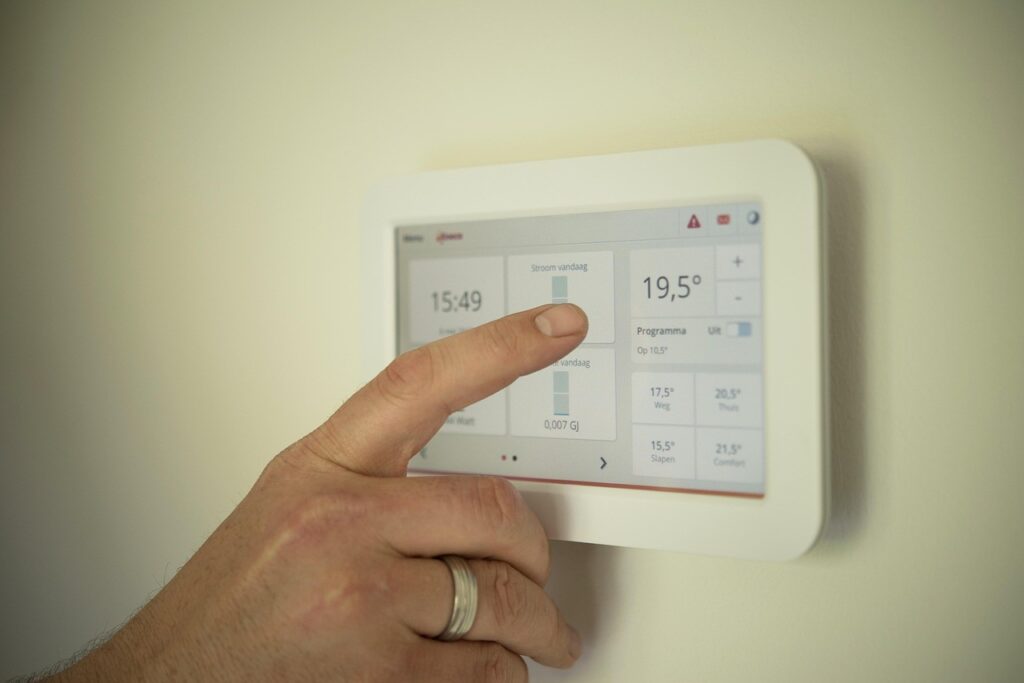
Connectivity should help, not trap you. Choose models that work offline for basic heat and cool control when Wi-Fi drops. Battery backups for sensors and clear local overrides protect you during outages.
Privacy also matters. Pick brands with transparent data policies and the option to opt out of analytics. If you join utility programs, understand which features they can adjust and how to pause them during special occasions.
Fine-Tuning for Different Homes
Every house responds differently because insulation, windows, and ductwork vary. In leaky homes, longer low-stage runs may stabilize temperatures better than short high blasts. In tight homes, short cycles with lower fan speeds can be quieter and just as effective.
Older radiators and baseboards appreciate slow, predictable changes. Heat pumps benefit from gentle setpoint ramps that avoid triggering backup heat too often. Test, document, and keep what works.
Indoor Air Quality Integration
Modern thermostats can coordinate fans, filters, and fresh air to improve indoor air quality. With a pressure-friendly duct system, periodic mixing helps capture particles and smooth temperature gradients. If you add a smart monitor, the thermostat can react to spikes in CO2 or humidity.
Filter reminders should be based on real fan hours, not fixed dates. When airflow drops, efficiency does too, and equipment works harder. Treat IAQ features as part of comfort, not an optional extra.
When to Upgrade vs. Optimize
You don’t always need a new thermostat to perform better. Start by updating firmware, fixing schedules, and relocating or adding sensors. Seal the wall cavity behind the unit with putty so drafts don’t skew readings.
- Upgrade if you’re moving to a variable-speed heat pump or adding zoning, and your current control can’t talk to it.
- Upgrade if you want occupancy-based automation or better reporting, and your existing model lacks it.
- Optimize if comfort is close and you mainly need cleaner schedules and sensor tweaks.
- Optimize if wiring is messy or the power supply is unstable, and a tidy-up solves random reboots.
Budget, Brands, and the Road Ahead
Price doesn’t always predict performance in your home. Match features to equipment and priorities, then judge by installation quality and tuning. A midrange model, well set up, can outperform a flashy unit that’s miswired or poorly configured.
As you live with the system, keep small, reversible changes flowing. Track what you try and what it does. Over a season, those low-key improvements add up to steadier comfort and lower bills without sacrificing how the house feels.
A high-performance thermostat is a partnership between good hardware, smart settings, and solid installation. Take time to tune your schedules, watch the data, and adjust gently. The goal is simple and durable: a home that feels right while the system works less.
High-performance thermostats are more than convenient gadgets. They are central players in achieving both comfort and efficiency. Their intelligence lies in careful coordination with your home’s HVAC system, sensors, and environmental conditions. Installation quality, tuning, and ongoing adaptation remain just as important as the technology itself.
