

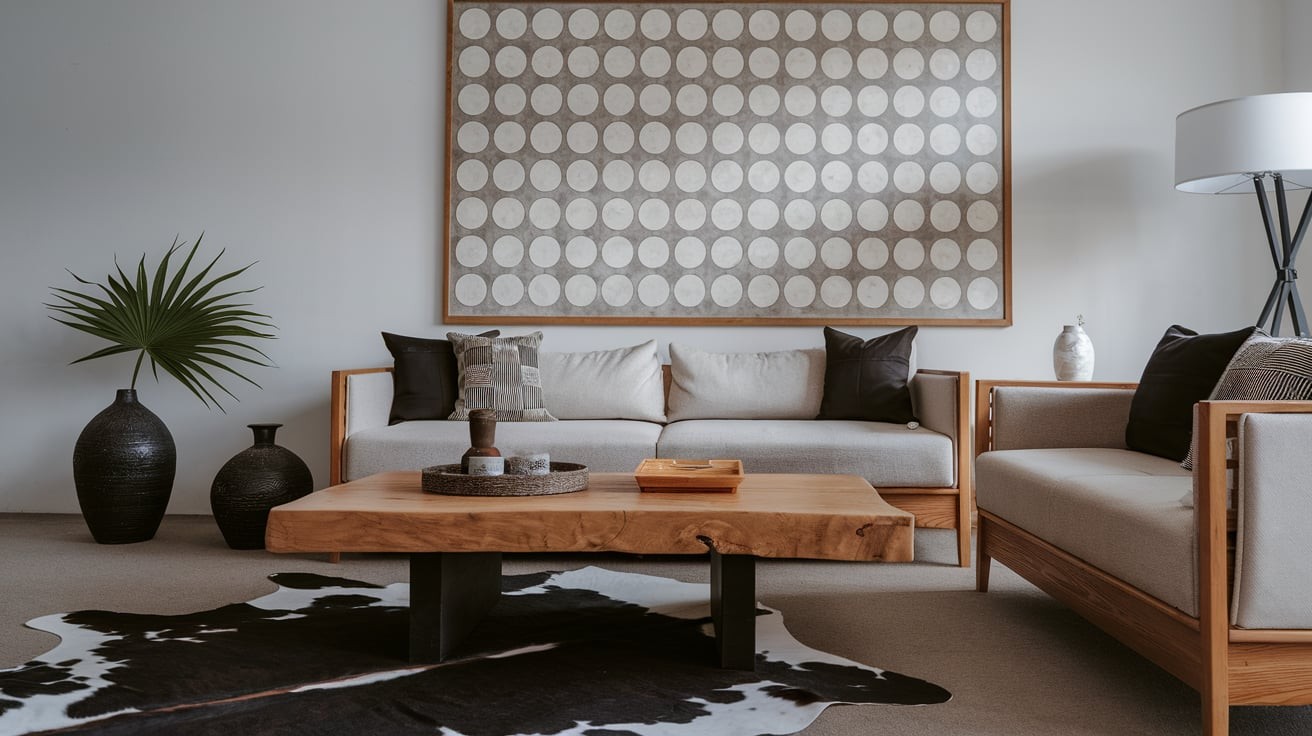
Does your home look one-dimensional? Do you feel like your decor is missing a certain element to give it interest or appeal? It’s likely that your interiors need some contrast. Most homeowners make the mistake of using just one color, pattern, material, or texture for a room, but doing so results in a space that looks and feels cold, bland, and boring.
According to experts, contrast is essential to give vitality to any home. Interior designer Colleen Bennett says that it impacts a space by giving it lots of definition. “It gives movement to a room and allows for you to have some drama,” she explains. There are lots of ways to add variety to your decor without doing a major design overhaul. If you want to create a space that makes an impression, here are some simple techniques to create contrast in your interiors.
Start with Color
One of the easiest ways to create contrast in your decor is to use two colors from opposite sides of the color wheel. It’s an effective way to add a dramatic effect to your interiors without breaking the bank. For instance, if you have an all-white living room with white walls, furniture, drapes, and a rug, break up the starkness of the space by adding accessories in navy or black. Think black picture frames to display prints and artwork, a trio of mini obsidian sculptures on your mantle, a matte black vase on the coffee table, plus a few black pendant lights or a dramatic black chandelier on the ceiling. Don’t forget to dress up your couch with a few black and white pillows in geometric prints, plus a deep charcoal blanket throw draped over the back of the couch.
If you’re considering other color combinations, go for unexpected hues like sage green and taupe, which feels harmonious and earthy, yet fresh at the same time. A cool grey with terracotta will make your interiors look sophisticated, while soft pink and midnight blue will give your space a vintage vibe.
Layer a Variety of Materials
So you love the look of natural wood and you’ve decided to have an all-wood interior, complete with wooden furniture, floors, and decorative items. While wood is a classic material that offers a connection to nature, having too much of it in one room can lead to an uninspiring look for your space. To create balance and depth, think about layering a variety of materials, textures, and finishes when decorating your home. For example, you can give an all-wood room some sparkle and shine by adding metallics like steel lighting fixtures. Next, update drawer pulls and cabinet handles by swapping them out with ones made of brushed nickel or brass.
For texture, incorporate items like a jute or sisal rug into the space, then place rattan ottomans on the rug, along with a few floor pillows covered in a woven fabric. You may also want to replace a few of your wooden seats with ones covered in leather for added comfort and warmth. If you like the look of glass, display some pretty glassware or glass art so that the reflective finish will interact beautifully with the light.
Mix Design Styles
Once you’ve mastered the basics of adding contrast to your interiors, it’s time to be a little more experimental by combining different design styles or schemes. For instance, if you’ve got a vintage style dining room, prevent it from looking outdated by mixing in modern items, such as a contemporary artpiece on the wall. If you have a Scandinavian-themed bedroom, think of adding a few Eastern-inspired elements to it for contrast. A Japanese bed and screen combined with the calming aesthetics of Scandi design can give your sleeping space a cozy, organic, and relaxing feel.
Contrast is a crucial element to create visually appealing spaces. Try these tips to add interest and drama to your decor, and enjoy playing with colors, textures, materials, and styles as you create the perfect look for your abode.
