

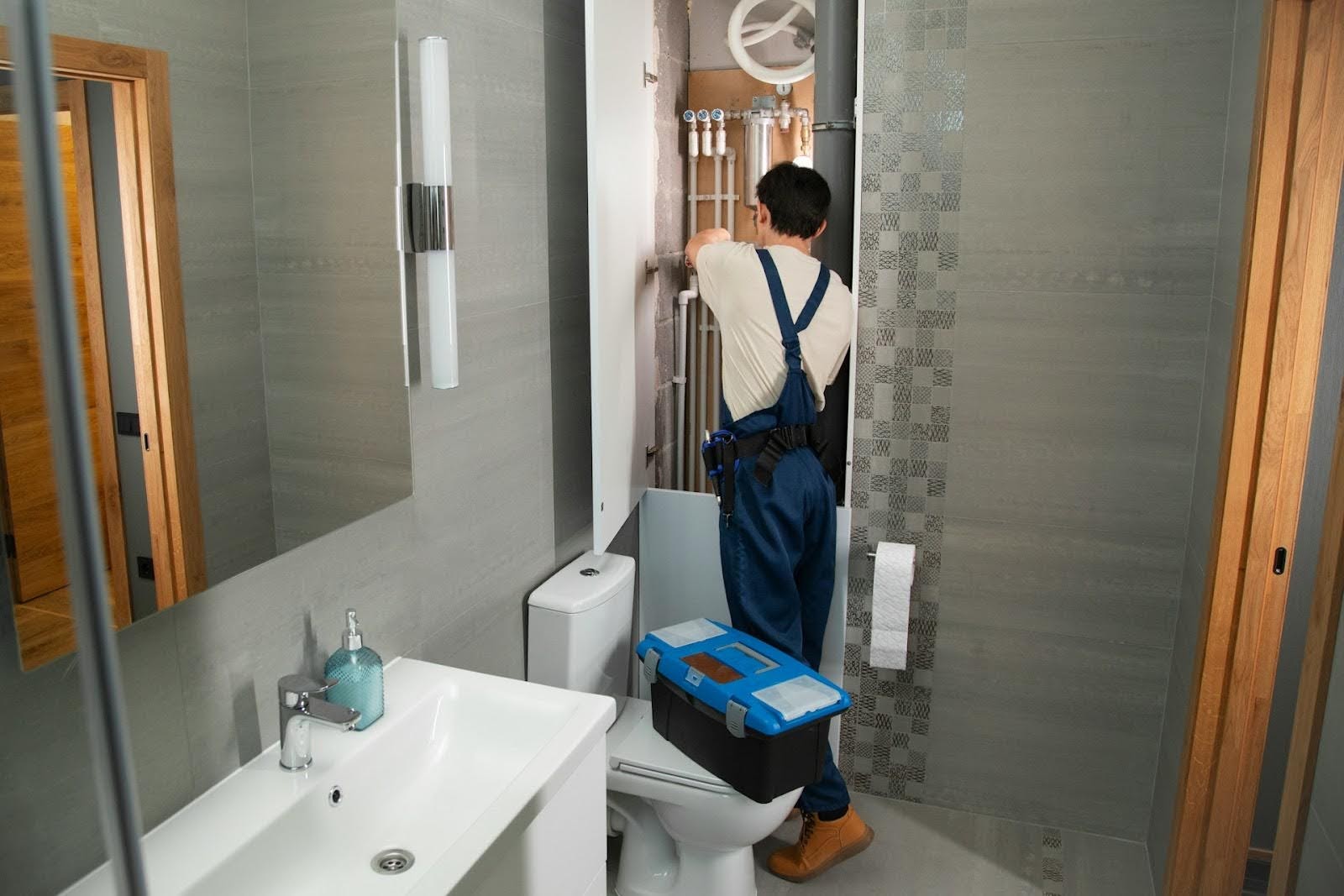
When temperatures drop or plumbing systems freeze, burst pipes can turn your home upside down fast. In Metro Atlanta, even a short cold snap can lead to unexpected pipe breaks and costly damage. Knowing exactly what to do in order can make recovery smoother and less stressful. Follow this clear step-by-step guide to get your home back on track.
Step No. 1: Spot the Problem Early
The first move is figuring out where the leak is coming from. Some signs are obvious, like water gushing from ceilings or flooding a basement, while others are subtle. You might notice low water pressure, new water stains, or strange hissing behind walls. A sudden jump in your water bill can also point to a hidden burst.
Spotting leaks early prevents drywall collapse, flooring damage, and mold growth before they spread. Acting quickly gives you the best chance to contain the mess and reduce long-term repair costs. Pipes in attics, crawl spaces, or outdoor walls are most vulnerable during cold Atlanta nights. Keep mental notes of where your water lines run to respond faster if trouble starts.
Step No. 2: Call in the Experts
After identifying the issue, reach out for professional help. A reliable service like Busted Pipes Plumbing can locate the burst, stop the leak, and handle repairs safely. Their quick response can save you from mold, structural problems, or electrical hazards. Having their number saved before winter starts is a smart precaution every Atlanta homeowner should take.
Step No. 3: Shut Off Water and Power Safely
Turn off the main water valve right away to stop the flow. It’s usually near the meter or outside the foundation. If water has reached outlets, appliances, or light switches, shut off electricity at the breaker box to stay safe. Shutting off power immediately helps prevent shock hazards, while cutting water flow limits how far the flooding spreads. These two small steps can stop a minor incident from becoming a major emergency. Then, open nearby faucets to relieve built-up pressure inside the pipes. This reduces the risk of more leaks forming while waiting for repairs.
Step No. 4: Remove Standing Water Quickly
Grab towels, mops, and a wet vacuum to soak up as much water as you can. If the flooding is heavy, a submersible pump can help. The faster you remove standing water, the less chance it has to soak into floors and walls. For severe flooding or large areas, consider calling professional water extraction services to ensure all moisture is thoroughly removed and prevent long-term damage.
Quick Checks:
- Look under furniture and rugs for hidden damp spots.
- Check corners and along baseboards where water collects first.
Focus on high-risk materials like carpets, wooden flooring, and drywall. Open windows when possible and run fans to circulate air.
Step No. 5: Dry Out Every Surface
Drying isn’t just about what you can see. Hidden moisture can cause mold within days. Use dehumidifiers to draw water out of the air. Lift furniture, roll up rugs, and leave cabinet doors open to let air reach damp spots. Atlanta’s humidity can slow the process, so be patient. Keep air movers running for a few days, and use a moisture meter to confirm everything’s truly dry before moving forward.
Step No. 6: Inspect for Hidden Damage
Even after cleanup, water can remain behind walls, under floors, or in insulation. Check for musty smells, bubbling paint, or dark spots. These could mean trapped moisture that needs attention.
Quick Checks:
- Inspect drywall for bulging or soft spots.
- Check baseboards and flooring for swelling or discoloration.
A professional inspection can help detect damage you can’t see. Many homeowners schedule a post-cleanup check to confirm their home is safe before starting repairs.
Step No. 7: Disinfect and Prevent Mold Growth
After everything is dry, clean and disinfect affected surfaces. Mix mild detergent with water or use an antibacterial cleaner. Focus on corners, baseboards, and behind appliances where dampness hides. If you spot mold, wear protective gear: gloves, goggles, and a mask. For large areas or fast-spreading spots, call a certified mold specialist. They’ll handle it safely and prevent future growth.
Step No. 8: Repair and Restore Damaged Areas
Once cleanup is complete, it’s time to fix what’s broken. Depending on the extent, you might replace drywall, insulation, or sections of flooring. Wood trim may need sanding and repainting, while carpet padding usually can’t be saved. Before restoring walls or floors, confirm that plumbing repairs are finished. Some Atlanta homeowners also take this opportunity to upgrade older pipes to modern, freeze-resistant materials.
Step No. 9: Take Preventive Steps for the Future
Avoid repeat disasters by insulating pipes in attics, garages, and crawl spaces. During freezing nights, let faucets drip slightly to keep water moving. If you leave town, keep the heat on low and ask a neighbor to check in. Installing smart leak detectors is another good move. These small devices alert you via phone when moisture is detected, letting you act fast before water damage spreads.
Step No. 10: Contact Your Insurance Company
Most insurance policies cover sudden water damage from burst pipes. Take photos before and after cleanup, keep receipts, and document all repair costs. Contact your insurer right away to file a claim and speed up processing. Be honest about when and how the burst happened. Detailed notes make it easier for adjusters to assess the situation and approve reimbursements quickly.
Step No. 11: Stay Prepared All Year Round
Dealing with a burst pipe isn’t fun, but once you’ve been through it, you’re better prepared for next time. Preventive care, like regular inspections, pipe insulation, and quick responses, keeps your home safer year after year. In Atlanta, where sudden cold snaps can strike anytime, staying ready pays off. With a clear plan and local experts on your side, a burst pipe becomes a temporary setback, not a lasting disaster.
Expert Tip: Keep an Emergency Kit Ready
Every homeowner should have a small emergency plumbing kit on hand. Include essentials like a wrench for shutting off water valves, waterproof gloves, towels, duct tape, and a flashlight. Keep it in an easy-to-reach spot for quick access during an emergency. Label your home’s main shut-off valve and circuit breakers clearly, so anyone in the household can act fast if a pipe bursts. Homeowners who prepare kits ahead of winter often cut recovery time in half, saving both stress and repair costs.
Before You Go
A burst pipe can feel overwhelming in the moment, but it’s manageable when you stay calm and follow a plan. Acting fast, drying everything thoroughly, and keeping your home winter-ready will help you avoid major losses. A burst pipe is stressful, but it doesn’t have to define your winter. Every repair, every precaution builds confidence and a safer Atlanta home.
