

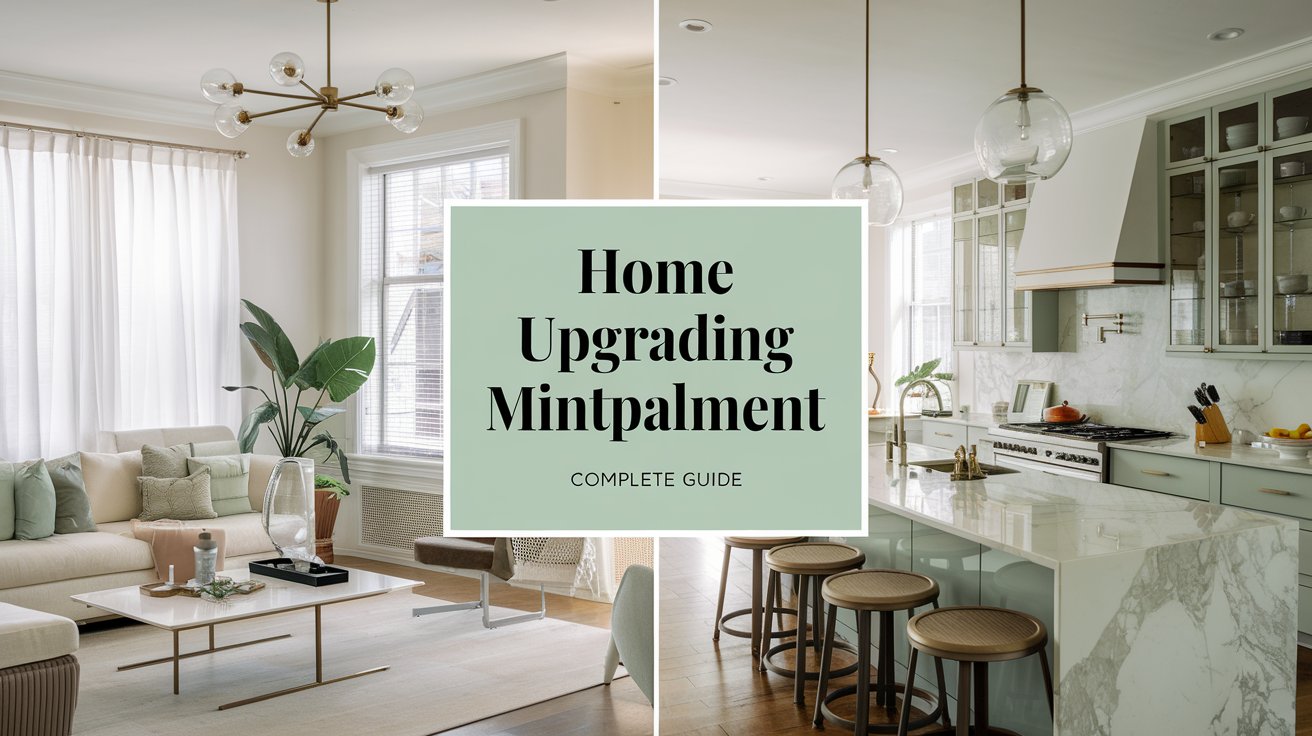
Home upgrading mintpalment starts with the right mindset. After renovating three homes, I learned the hard way how random projects can waste money fast.
This guide will show you how to upgrade your home the right way, which rooms to tackle first, how to set a reasonable budget, and where smart technology can actually save you money.
We’ll also discuss budgeting, room priorities, smart home technologies, money-draining mistakes that homeowners often make, and by the end, you’ll know exactly how to improve your home without overspending.
What Is Home Upgrading Mintpalment?
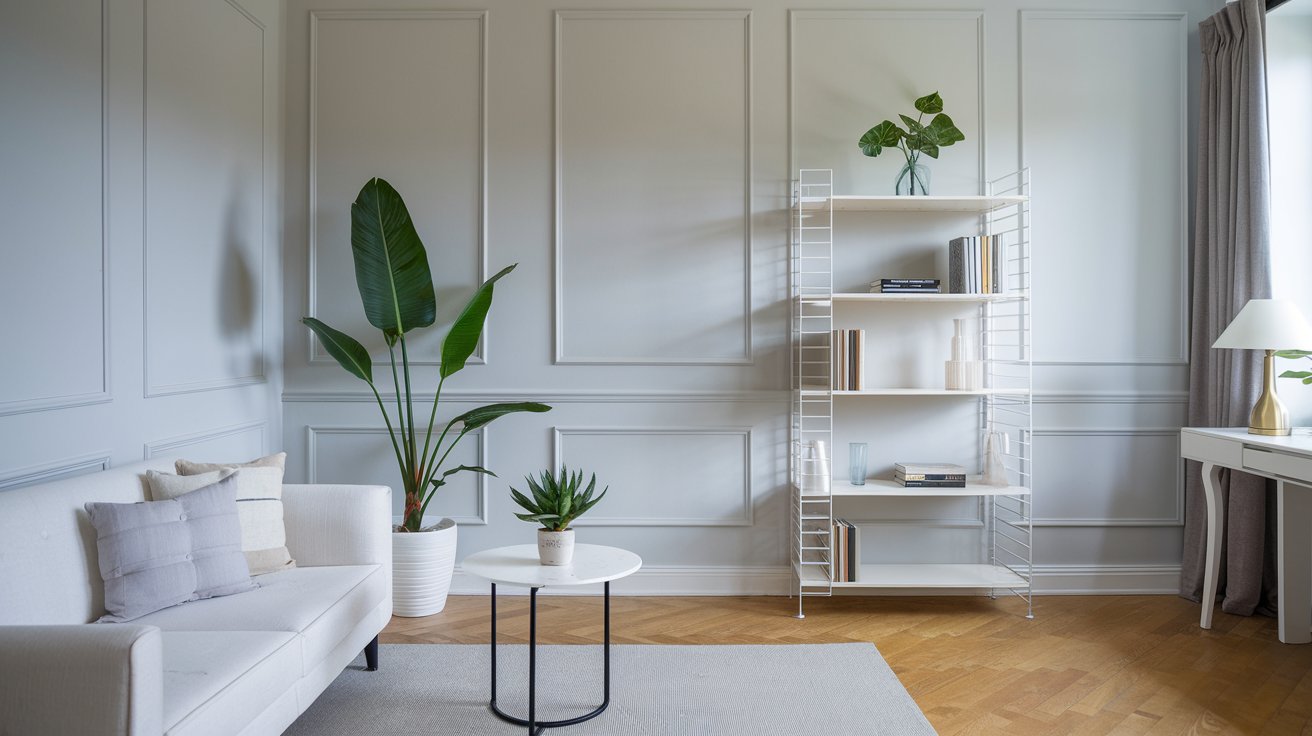
Home upgrading mintpalment combines fresh updates with balanced planning.
The word breaks down simply: mint means fresh and new, while palment refers to balance and stability. This method focuses on mindful home improvements that make sense for your life.
The mintpalment philosophy asks three questions before any upgrade. Does this improve comfort? Will it save money long term? Does it align with sustainable living? Smart homeowners choose upgrades that check all three boxes.
This approach delivers better daily living, higher property value, and energy savings that add up fast. Small improvements today create massive value tomorrow.
Planning Your Home Upgrades
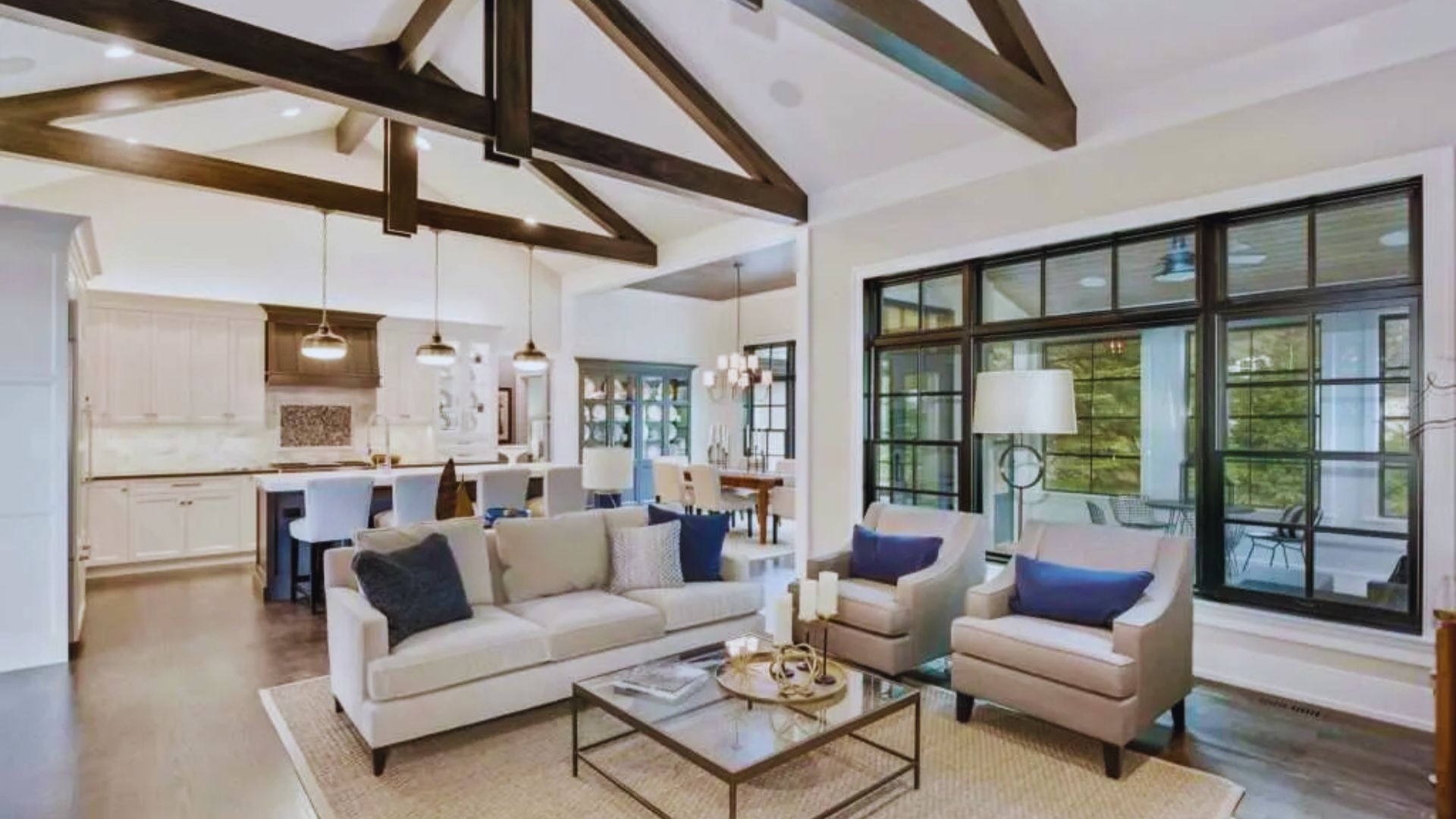
Good planning separates successful projects from expensive disasters. Let’s break down the process into manageable steps.
Setting Clear Goals:
Start by identifying what matters most to you. Comfort improvements include better heating, cooling, and storage solutions. Visual goals cover colors, textures, and overall appeal. Energy efficiency targets reduce monthly costs while helping the environment. Resale value considerations prepare your home for future buyers.
Write down your top three goals. Refer to them before making any purchase decisions.
Creating a Realistic Budget:
Most renovation budgets fail because they’re too tight. Add a 10 to 15 percent buffer for unexpected issues like cracked pipes or discontinued materials.
Prioritize essential upgrades first. Fixing a leaky roof beats installing fancy light fixtures. A working furnace matters more than decorative molding. Track every expense in a simple spreadsheet and review it weekly.
Sequencing Your Renovations:
Order matters more than most people realize. Start with the invisible stuff. Plumbing, electrical work, and structural repairs come first. You can’t enjoy beautiful countertops if the pipes underneath are failing.
Next tackle insulation and weatherproofing. Visual changes like paint, flooring, and decorative elements come last. This sequence prevents doing the same work twice.
Room-by-Room Home Upgrading Tips
Each space in your home serves different purposes. Let’s optimize them individually.
Kitchen Renovation Insights
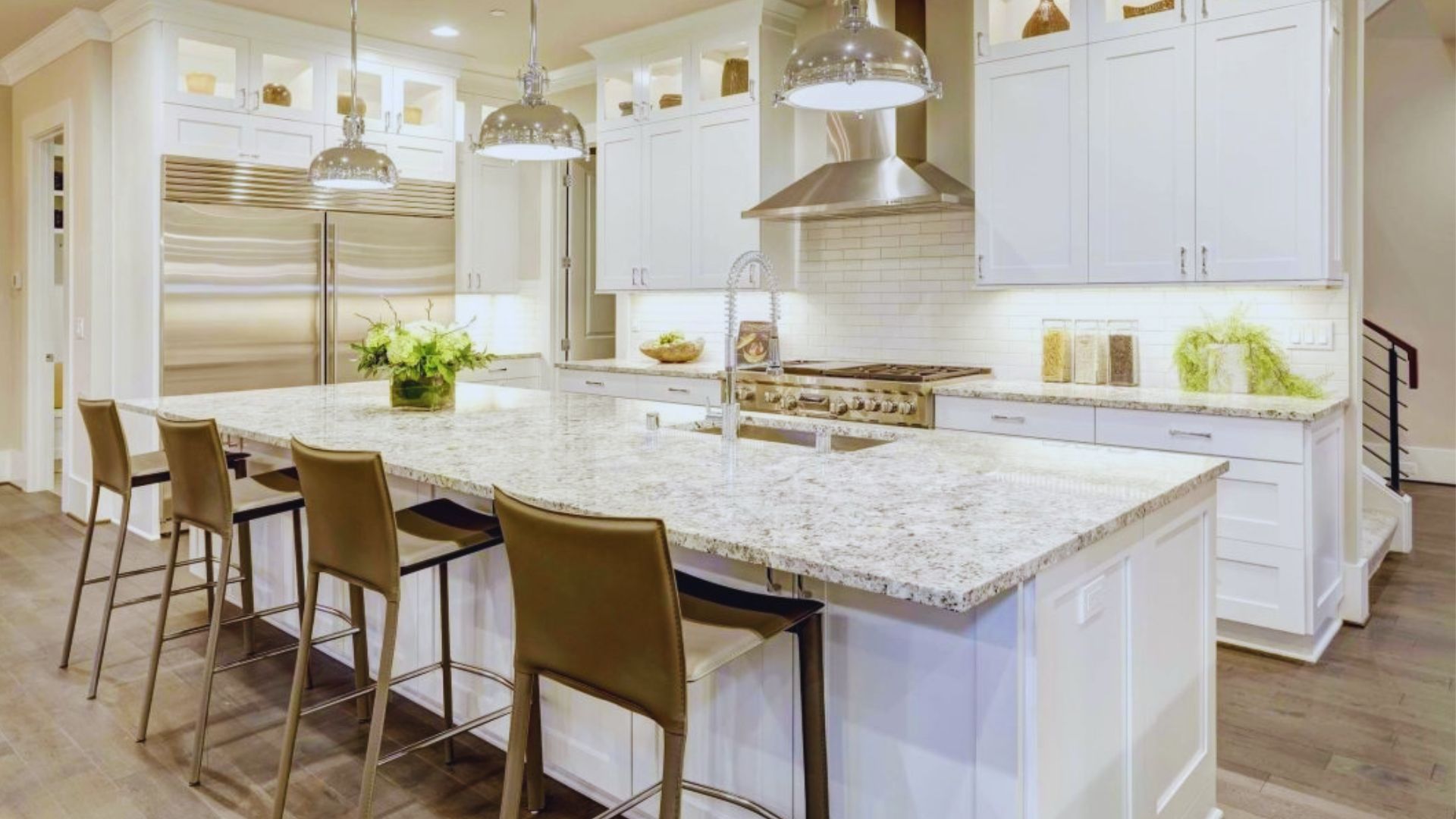
Durable countertops like quartz and granite withstand daily use without showing wear. Deep drawer cabinetry beats lower cabinets for storage and access. Open layouts create better flow for cooking and socializing.
Energy-efficient appliances save hundreds yearly. Smart tech integration includes touchless faucets and voice-controlled lighting. Install task lighting over work surfaces and place your sink, stove, and refrigerator in a logical triangle.
Living Room Strategies
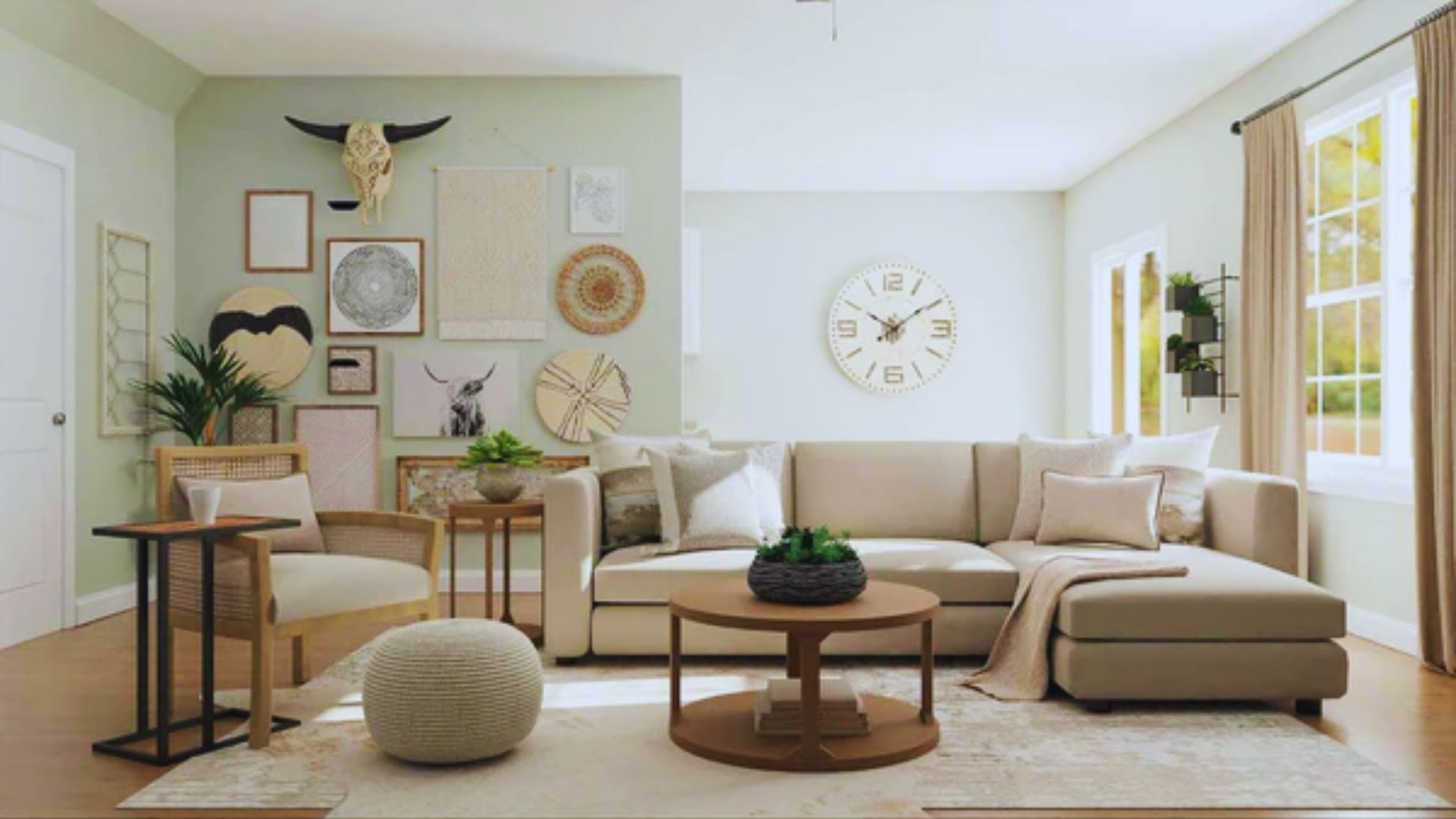
Minimalist layouts prevent overcrowding. Each furniture piece should serve a clear purpose. Multi-purpose furniture like ottoman storage and convertible sofas maximizes small spaces.
Smart lighting systems let you adjust brightness and set different scenes. Add rugs, curtains, and acoustic panels for soundproofing. Stick to three main colors for decor harmony.
Bedroom Upgrades for Comfort
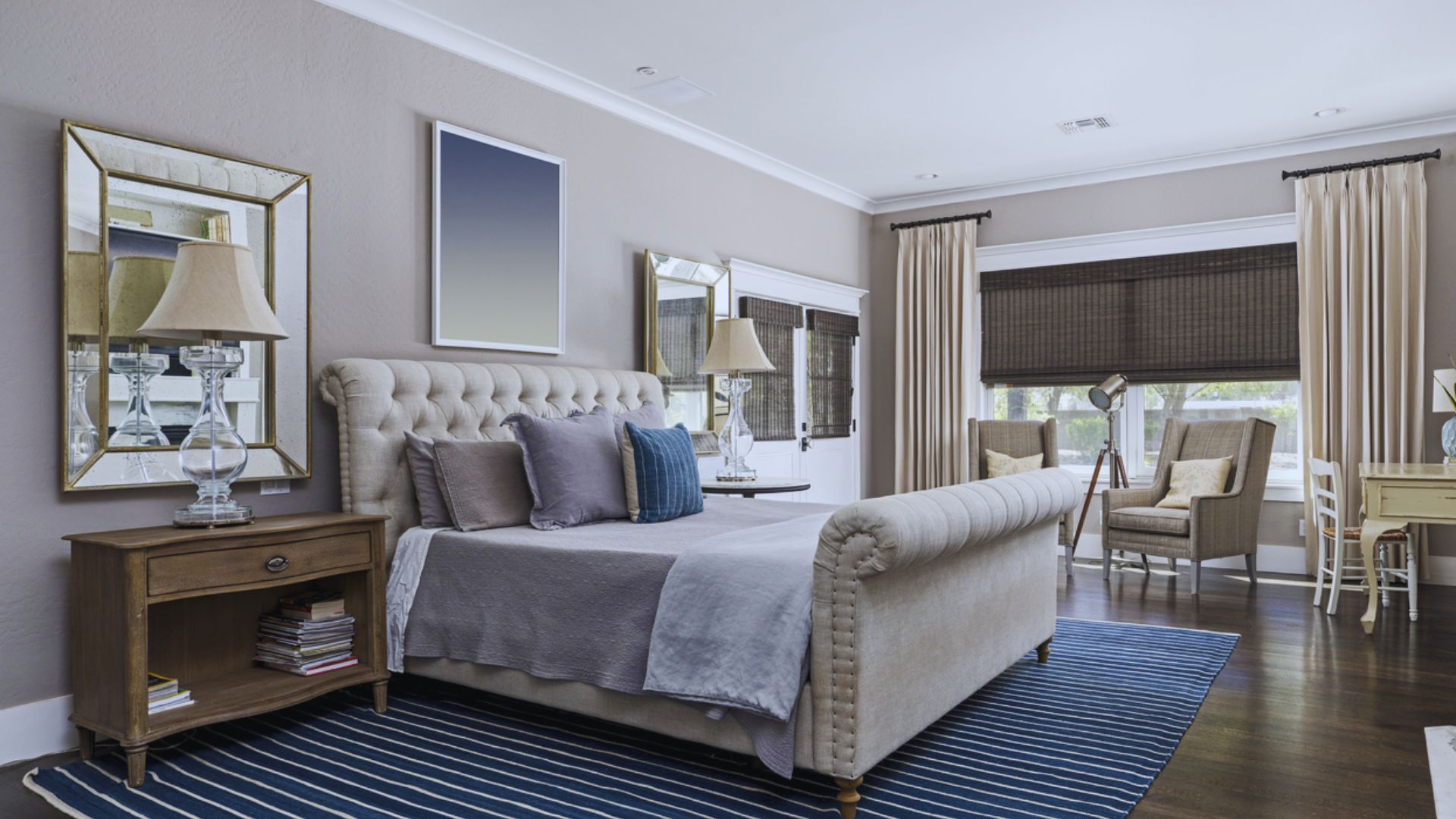
Quality mattresses affect sleep quality more than any other factor. Replace yours every eight to ten years. Calming colors like blues, greens, and soft grays promote relaxation.
Functional storage keeps clutter hidden. Smart lighting gradually brightens in the morning. Blackout curtains improve sleep quality by blocking early morning light and reducing noise.
Bathroom Remodeling Tips
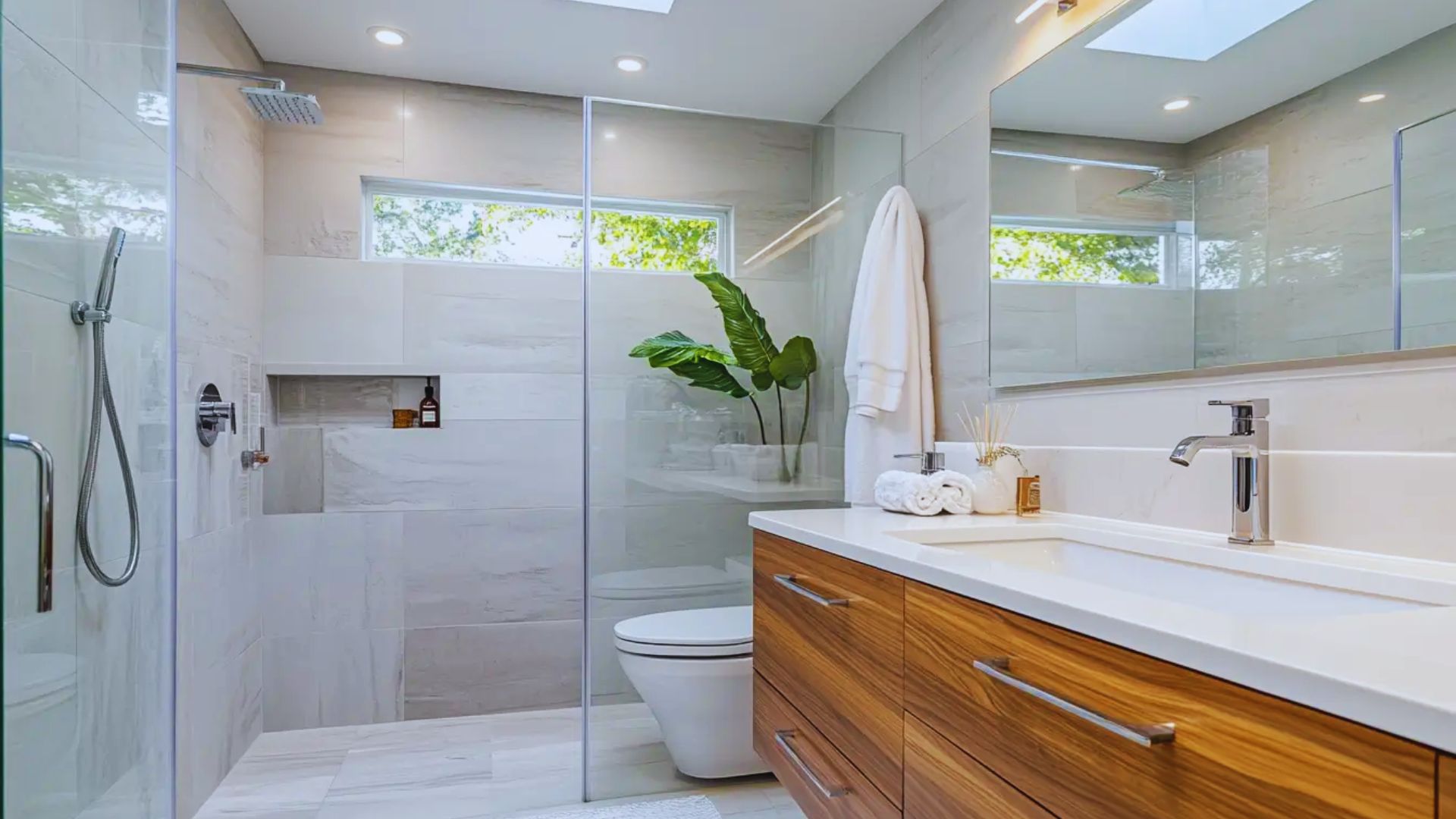
Water-efficient fixtures cut usage by 30 percent or more. Walk-in showers are safer and easier to clean. Anti-fog mirrors prevent condensation without wiping.
Apply moisture-resistant paint to all walls and ceilings. Smart storage solutions include recessed shelving and over-toilet cabinets. Install a quality exhaust fan for proper ventilation.
Outdoor Spaces and Curb Appeal
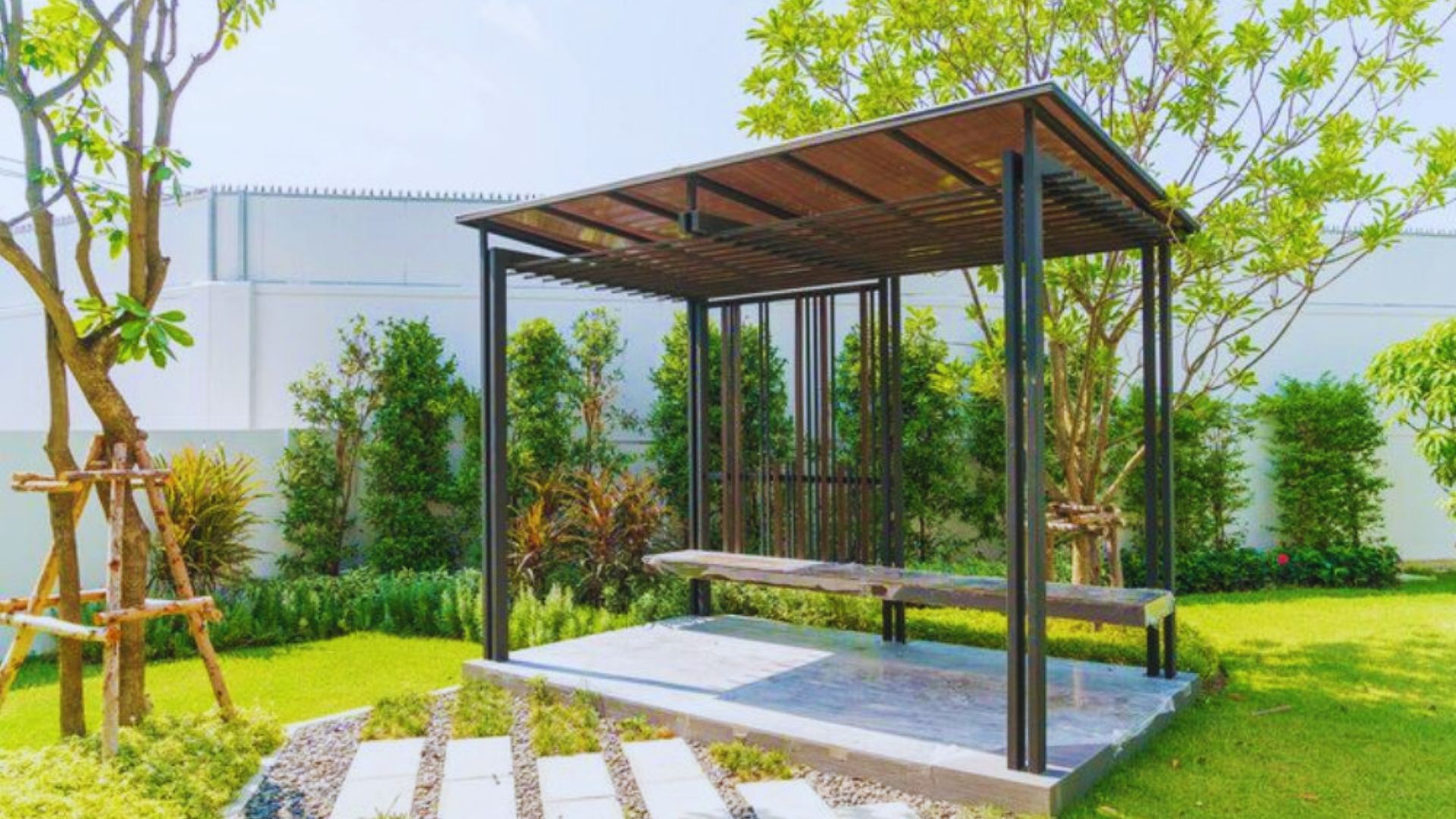
Start with healthy lawns and trimmed bushes. Add native species that require less water. Patios extend your living space outdoors using durable materials like concrete pavers.
Fresh front doors, updated lighting, and clean walkways create strong first impressions. Add LED outdoor lighting and seating areas in shaded spots for outdoor relaxation.
Smart Technology and Sustainability
Modern homes benefit from both digital convenience and environmental responsibility.
Integrating Smart Home Devices:
Smart thermostats learn your schedule and save 10 to 15 percent on heating and cooling costs. Smart plugs turn regular appliances into connected devices you control from your phone. Security cameras provide peace of mind with night vision and motion detection.
Smart lighting systems let you control every bulb individually with voice commands. Start with one room before expanding throughout your home to avoid feeling overwhelmed.
Sustainable Upgrades:
Solar panels generate clean electricity and reduce monthly bills. Many regions offer tax credits that offset installation costs. LED bulbs last longer and use less power than traditional options.
Reuse and recycle furniture whenever possible. Refinishing old pieces costs less while reducing waste. Open windows strategically for natural ventilation during mild weather.
Eco-friendly materials include bamboo flooring, recycled glass countertops, and low-VOC paints. Insulation upgrades provide immediate comfort and reduce energy consumption year-round.
Common Mistakes to Avoid
Learning from others’ errors saves time and money.
- Ignoring hidden structural issues leads to bigger problems later. That small crack in the foundation won’t fix itself.
- Overspending on cosmetics instead of essentials creates pretty spaces with serious underlying problems. Fix the function before the form.
- Neglecting energy efficiency costs you money every single month. Those savings add up to thousands over time.
- Copying trends blindly results in spaces that don’t fit your lifestyle. Design for how you actually live, not for magazine photos.
- Skipping professional consultation on complex projects often leads to costly mistakes. Electricians, plumbers, and structural engineers exist for good reason.
Conclusion
I remember realizing, while standing within my half-finished kitchen, exhausted by all I had yet to do, progress beats perfection. Begin with a leaking faucet.
Begin with a light fixture too. Small fixes can lead to bigger ones and a better everyday life. Home upgrading mintpalment isn’t a matter of effort, it’s a matter of incremental upgrades.
Ready to begin? Comment below with your first project! I want to hear what you are tackling first.
Frequently Asked Questions
How much should I budget for home upgrading mintpalment?
Plan to spend 1 to 3 percent of your home’s value annually on upgrades. Always add a 10 to 15 percent buffer for unexpected issues.
Can I do home upgrading mintpalment on a tight budget?
Yes, start small with high-impact changes like paint, lighting fixtures, and hardware updates. Focus on one room at a time and prioritize function over decoration.
How long does a typical home upgrading mintpalment project take?
Single-room projects take two to four weeks. Whole-home changes require three to six months depending on complexity.
Should I hire professionals or do it myself?
Hire professionals for electrical, plumbing, structural, and HVAC work. Handle cosmetic tasks like painting and decorating yourself to save money.
What upgrades provide the best return on investment?
Kitchen and bathroom remodels typically return 60 to 80 percent of costs. Energy-efficient upgrades and fresh paint also boost home value significantly.
