

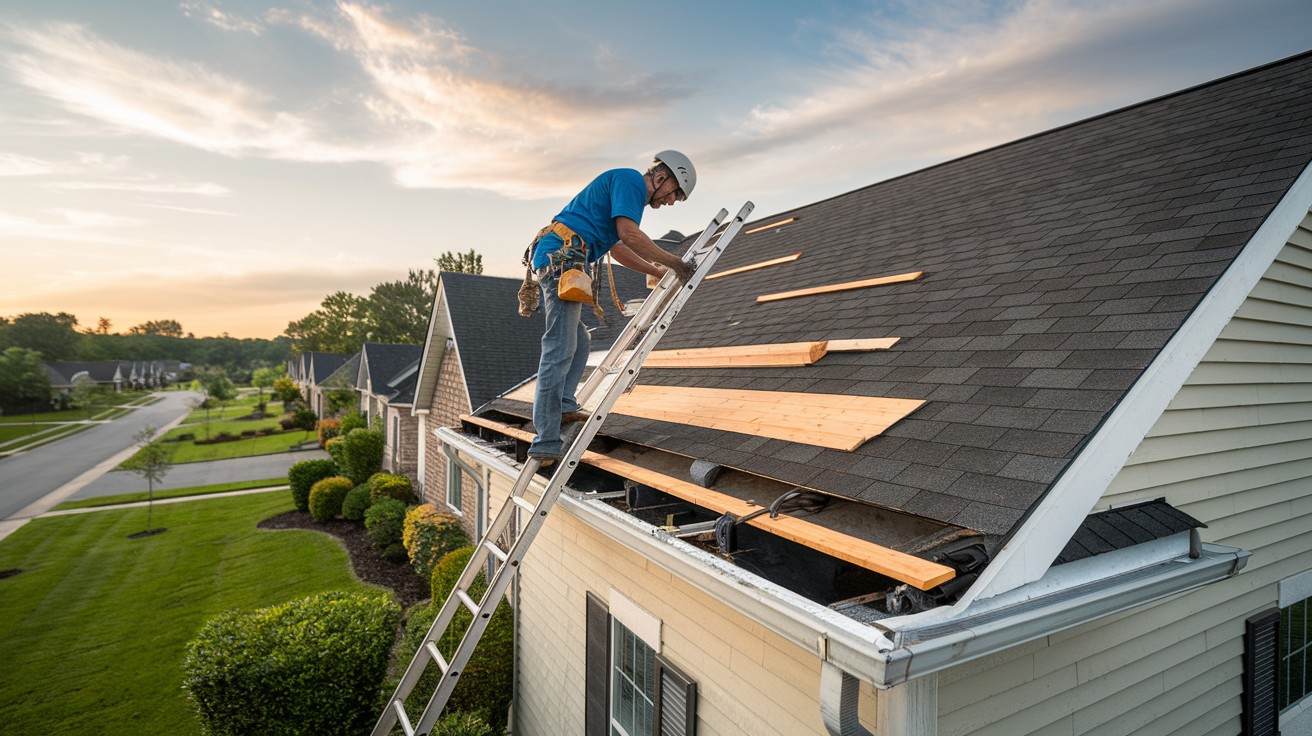
Homeowners typically prepare for storm season by securing windows, checking sump pumps, and tying down outdoor furniture. But one area that often gets overlooked is the roof. Your home depends on this system to protect it from heavy rain, strong winds, hail, and airborne debris. A single loose shingle or a clogged gutter can serve as an entry point for water, resulting in costly property damage.
Your home receives comprehensive protection when you prepare your roof before storm season. Taking proactive steps can protect you from emergency repairs and insurance headaches—and even help you sleep better during thunderstorms. The following checklist provides a step-by-step guide to help you get started.
1. Start with a Thorough Roof Inspection
Begin by carefully inspecting your roof from all sides. Walk around your property and use binoculars to identify any missing shingles or damage such as cracks and curling. Pay close attention to areas where leaks often occur—around vents, chimneys, and skylights.
If your roof is aging or you notice minor leaks in your attic, consider scheduling a professional inspection. Roofing experts can identify hidden issues you can’t see from the ground, such as weak decking, damaged underlayment, or early signs of rot. A thorough inspection gives you essential information about the repairs needed so you can prioritize tasks before winter arrives.
A small fix today can prevent a much costlier replacement in the future.
2. Fix Existing Damage Before Storms Begin
Even a single missing shingle or loose nail can trigger major problems once heavy rain and high winds set in. That’s why it’s vital to address existing roof damage well before storm season.
Your roof’s strength increases significantly when you complete tasks such as resealing cracked flashing, patching leaks, and replacing damaged shingles. If your roof has weathered several seasons of harsh conditions, it’s wise to schedule a professional roof repair to ensure it remains watertight and secure.
Professional inspections and repairs enhance your home’s safety, extend your roof’s lifespan, and reduce the risk of unexpected failures. Preventive maintenance today will minimize expenses and stress when the storms arrive.
3. Clean and Secure Gutters and Downspouts
Your gutters act as your roof’s drainage system. When they’re clogged, rainwater can back up under shingles and cause leaks or foundation damage. Cleaning your gutters may not be glamorous, but it’s one of the most essential tasks you can do before storm season.
Remove leaves, twigs, and debris, then flush the system with a hose to ensure proper drainage. Make sure your downspouts channel water several feet away from your foundation. Secure any loose gutters to the fascia boards—strong winds can easily tear them off.
Installing gutter guards can also reduce future maintenance and prevent clogs during heavy rain.
4. Trim Trees and Remove Overhanging Branches
Tree branches brushing against your roof might seem harmless, but during a storm, they can quickly cause serious damage. High winds can break weak branches, sending them crashing onto your shingles or gutters.
Trim overhanging branches so they’re at least six feet away from your roofline. For large or heavy limbs, hire an arborist for safety. Removing dead or dying trees near your home also reduces the risk of them toppling over during severe weather.
Regular trimming not only protects your roof but also improves sunlight and airflow, which help prevent moss and mold growth on shingles.
5. Check Your Attic for Proper Ventilation and Insulation
Your attic plays a vital role in your roof’s health. Proper ventilation regulates temperature and moisture levels, preventing condensation that can lead to mold, rot, and structural damage.
Inspect your attic for signs of moisture, water stains, or daylight seeping through roof boards—these can indicate leaks or weak points. Ensure vents aren’t blocked by insulation and that air circulates freely. Adequate insulation also helps maintain comfortable indoor temperatures and prevents heat buildup that can warp shingles.
Addressing attic issues now ensures your roof performs at its best when storm season arrives.
6. Reinforce Weak Spots and Secure Roof Fixtures
Storms can create dangerous situations if roof features like antennas, vents, or solar panels aren’t secured properly. Double-check that everything on your roof is tightly fastened and sealed. Strong winds can dislodge loose flashing or fixtures, causing significant damage.
If you live in an area prone to hurricanes or severe storms, install hurricane straps or clips. These fasteners help anchor your roof structure to your home’s frame, reducing the risk of uplift during strong gusts.
Adding a waterproof underlayment beneath your shingles provides an additional barrier against wind-driven rain—acting as insurance when shingles sustain damage.
7. Review Your Home Insurance and Emergency Plan
Some storms are simply too powerful to predict or prevent. That’s why reviewing your homeowner’s insurance policy before the season starts is crucial. Make sure it covers roof damage caused by wind, hail, or falling debris.
Take photos of your roof before and after maintenance; these can expedite insurance claims if needed. Keep emergency contacts for reliable contractors and restoration services easily accessible, so you can act quickly after a storm.
Finally, establish an emergency plan for your household—identify safe shelter areas, prepare flashlights and batteries, and have a backup power source if possible.
Final Thoughts
Your roof is more than a structure—it’s your family’s first line of defense against nature’s harshest elements. While storm preparation takes time and effort, the peace of mind it provides is worth every moment.
By following this checklist—inspecting, cleaning, trimming, and repairing—you’re protecting not only your home’s structure but also your comfort and security. Small precautions today can prevent major headaches tomorrow.
Check your roof before the next storm hits, and you’ll ensure it stands strong through many seasons to come.
