

I know you’re standing in your kitchen right now wondering whether or not you can afford to do this.
I have helped dozens of home owners come up with a realistic budget for countertops so I thought I would share those tips with you. No pitch. Just honest answers.
In this article, you get a breakdown of the cost of every countertop, from laminate to marble. Plus, I provide you with tips on how to measure your space and what drives cost up and down.
By the end you will know how much to budget for your kitchen.
Understanding Countertop Costs and Measurements
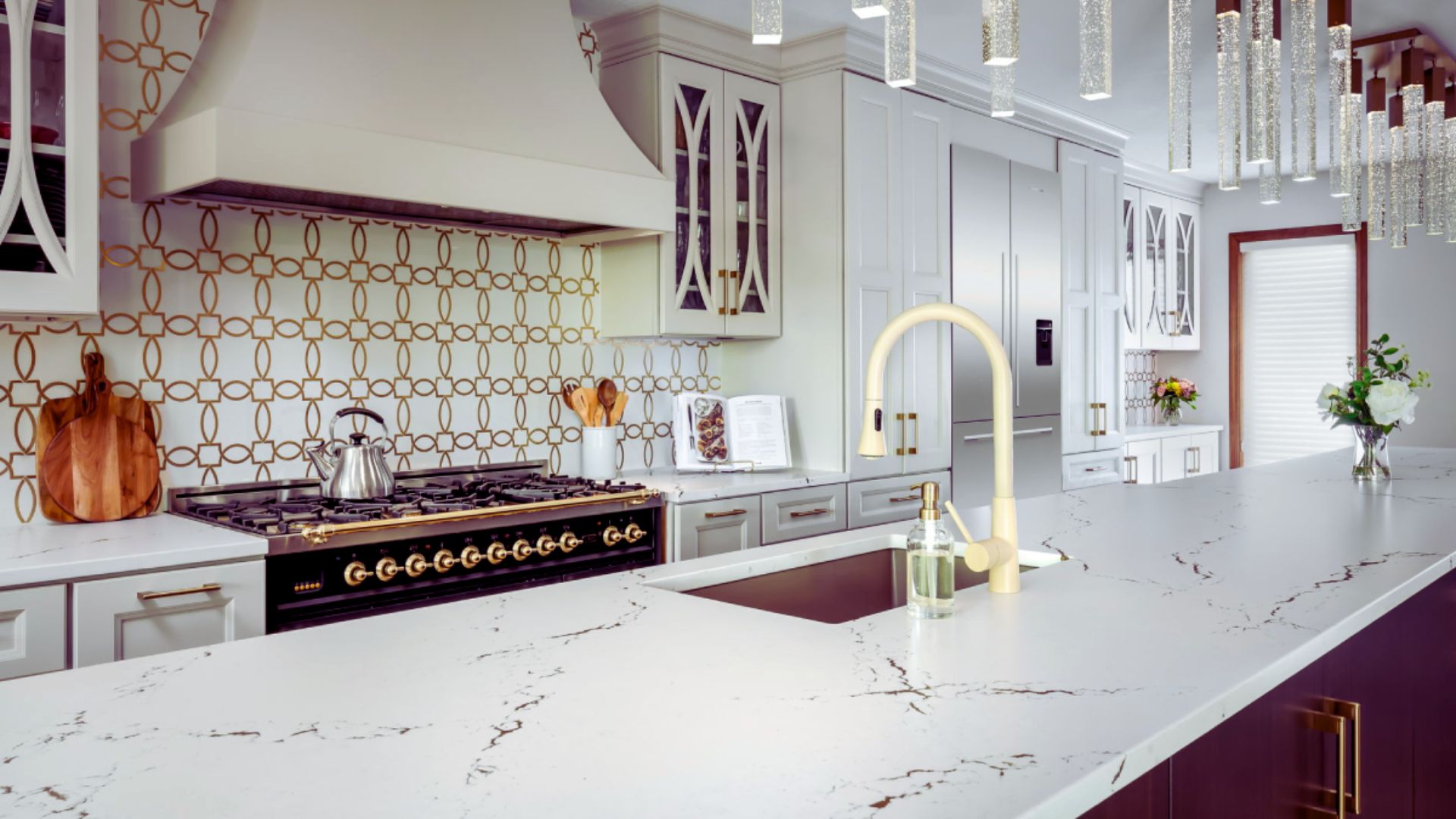
Knowing material costs helps you set realistic expectations. Laminate runs $10 to $50 per square foot. Solid surface costs $40 to $100. Granite ranges from $40 to $200.
Quartz sits at $50 to $120 per square foot. Marble is pricier at $75 to $250. Tile comes in around $35 to $70. Wood and butcher blocks cost $50 to $100. Concrete ranges from $100 to $150. Stainless steel is highest at $150 to $300.
These prices may or may not include installation. Always ask your contractor what’s covered.
To calculate what you need, measure the linear footage of all counter sections. Multiply by depth (usually 25 to 26 inches) for total square footage.
Include islands, breakfast bars, and custom angles. Account for cutouts too. Sinks, stovetops, and appliances need space carved out. Some fabricators charge extra for complex cutouts.
Material-Specific Costs and Considerations
Each countertop material brings different benefits and challenges. Here’s what you need to know about the most popular options.
Granite, Marble, and Quartzite
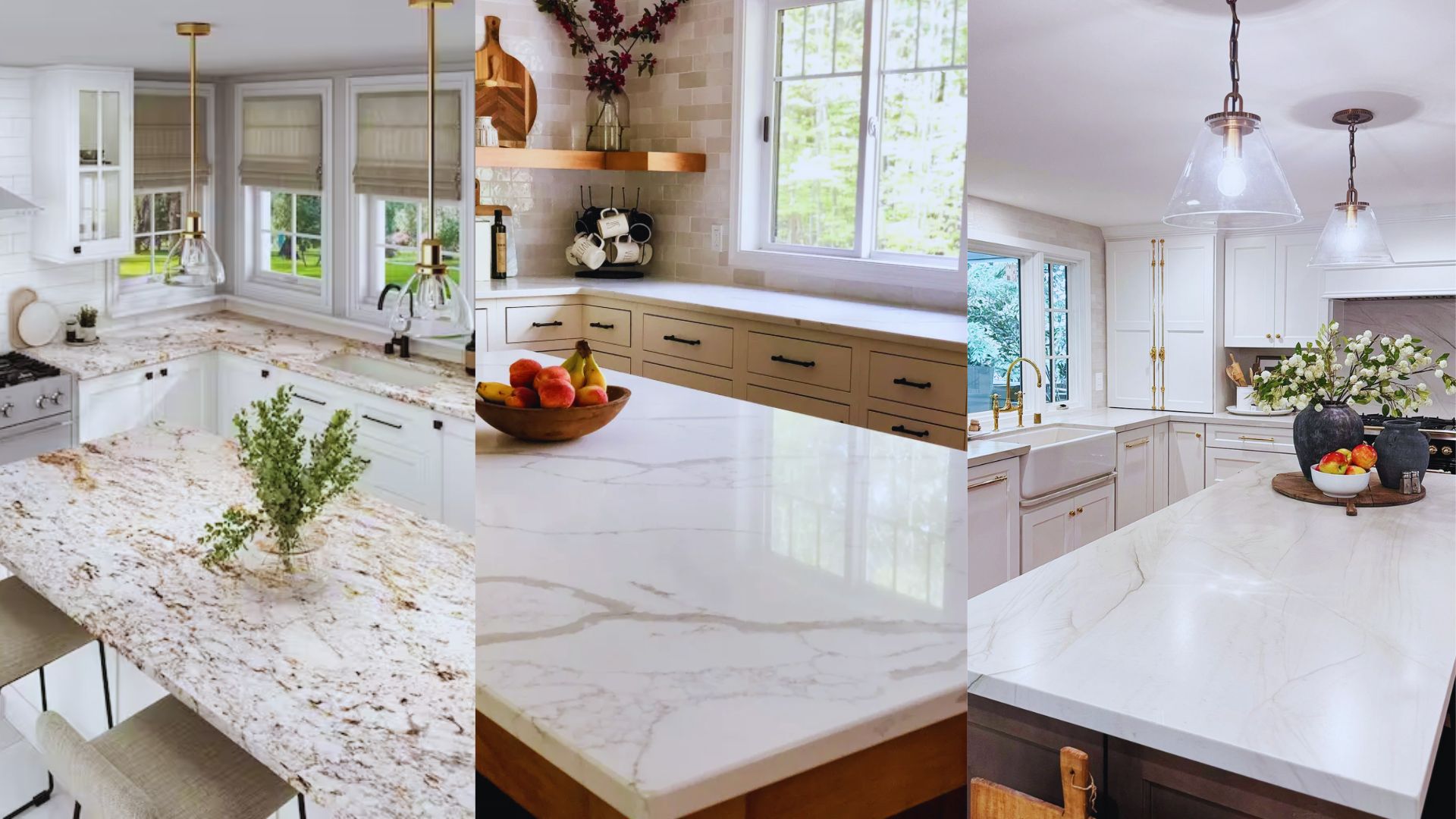
Expect to pay $70 to $200 or more per square foot installed. These natural stones are investment pieces.
The good news? They’re incredibly durable. They resist heat and stains well. They also boost your home’s resale value.
The downside is cost and complexity. You’ll need professional installation. DIY isn’t realistic for most homeowners.
Engineered Quartz
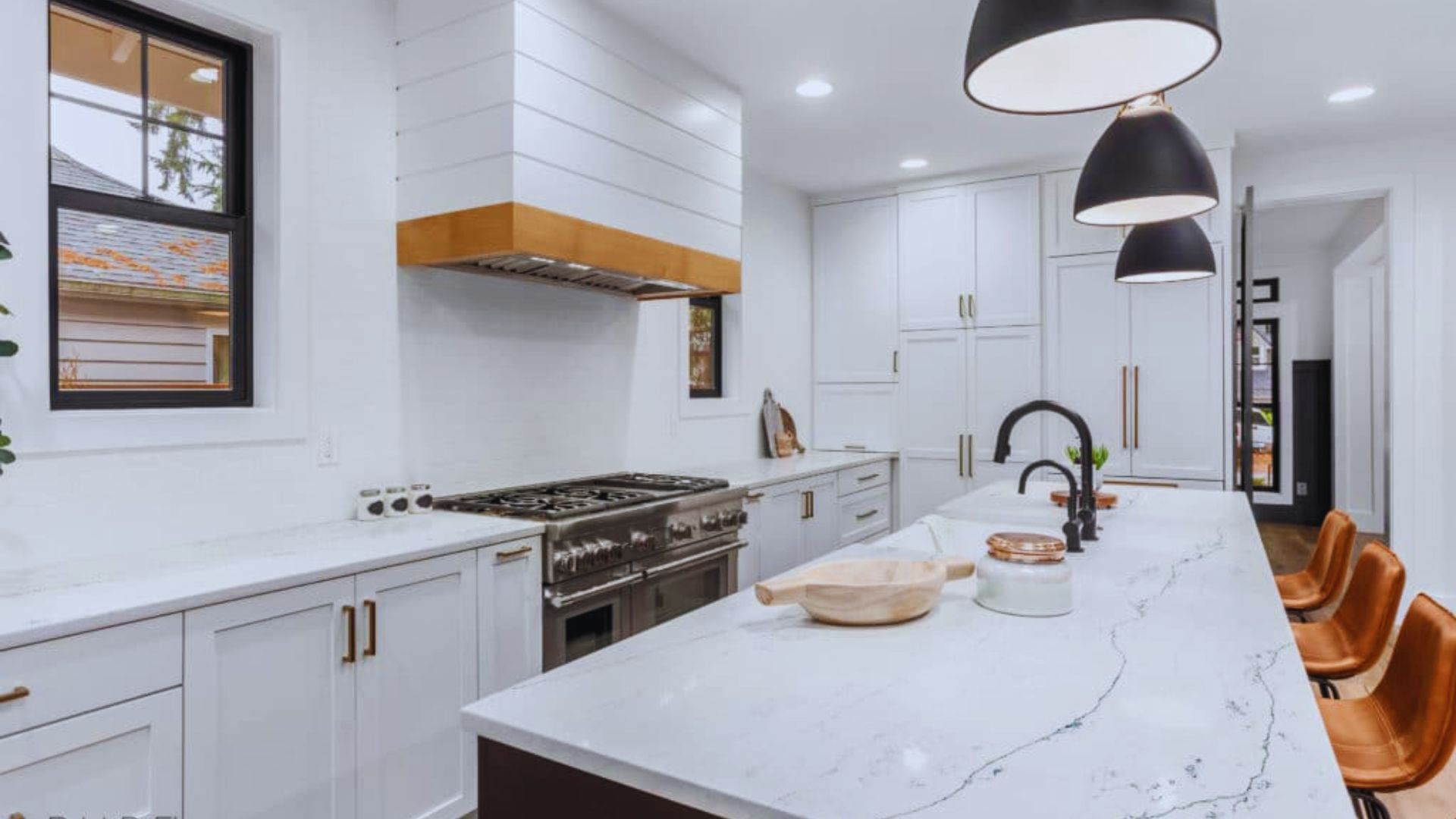
Budget around $80 to $120 per square foot installed. Quartz has become wildly popular in recent years.
It requires almost no maintenance. You’ll find hundreds of colors and patterns available. It mimics natural stone beautifully.
The trade-off is less natural variation. Some people prefer the unique character of real stone.
Ceramic & Porcelain Tile
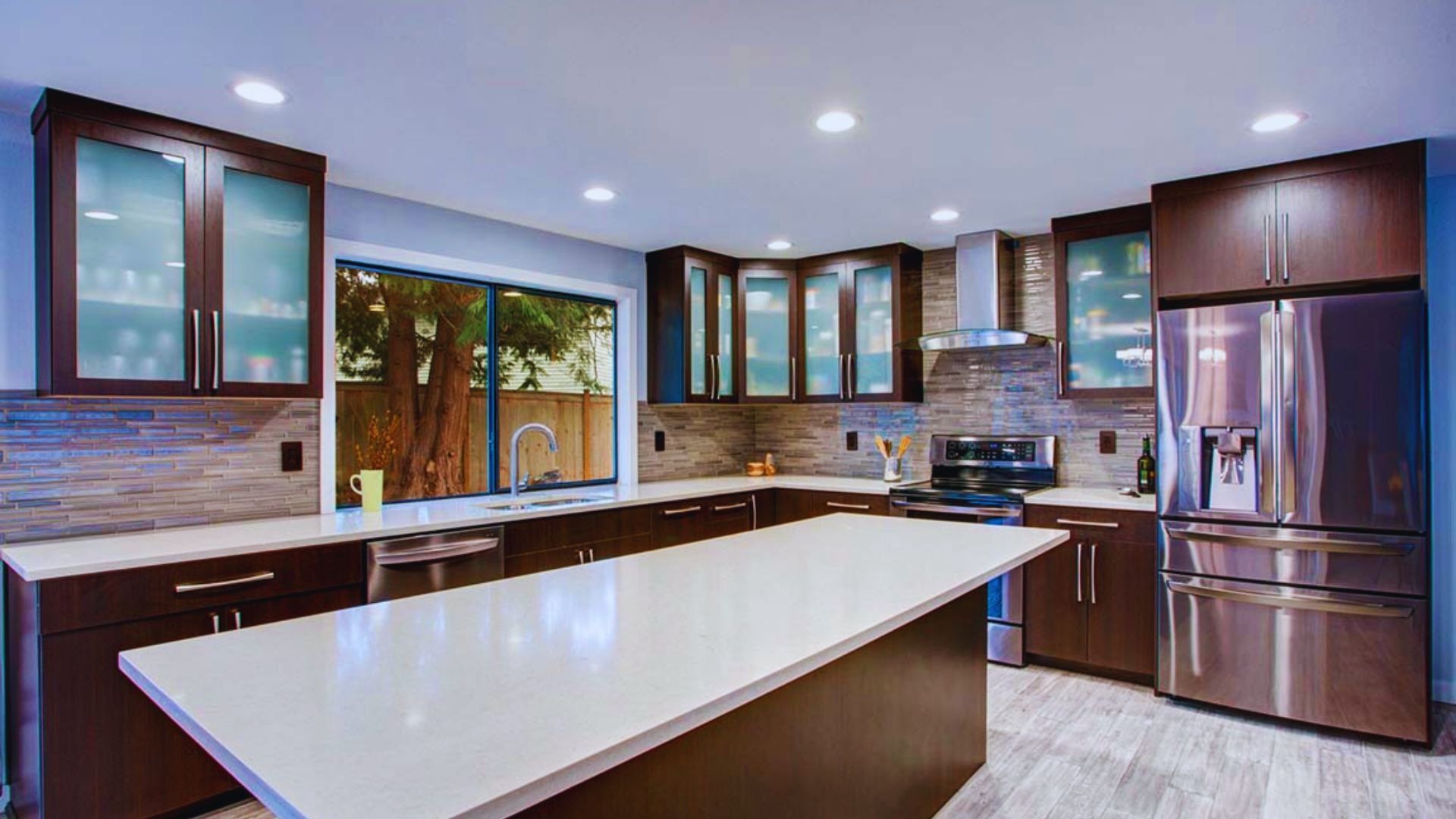
Tile counters cost $35 to $70 per square foot installed. They’re a solid middle-ground option.
You can customize patterns and colors in many ways. They’re budget-friendly compared to stone. Many tile options use recycled materials.
Grout lines need sealing every year. Installation requires skill to look professional.
Laminate
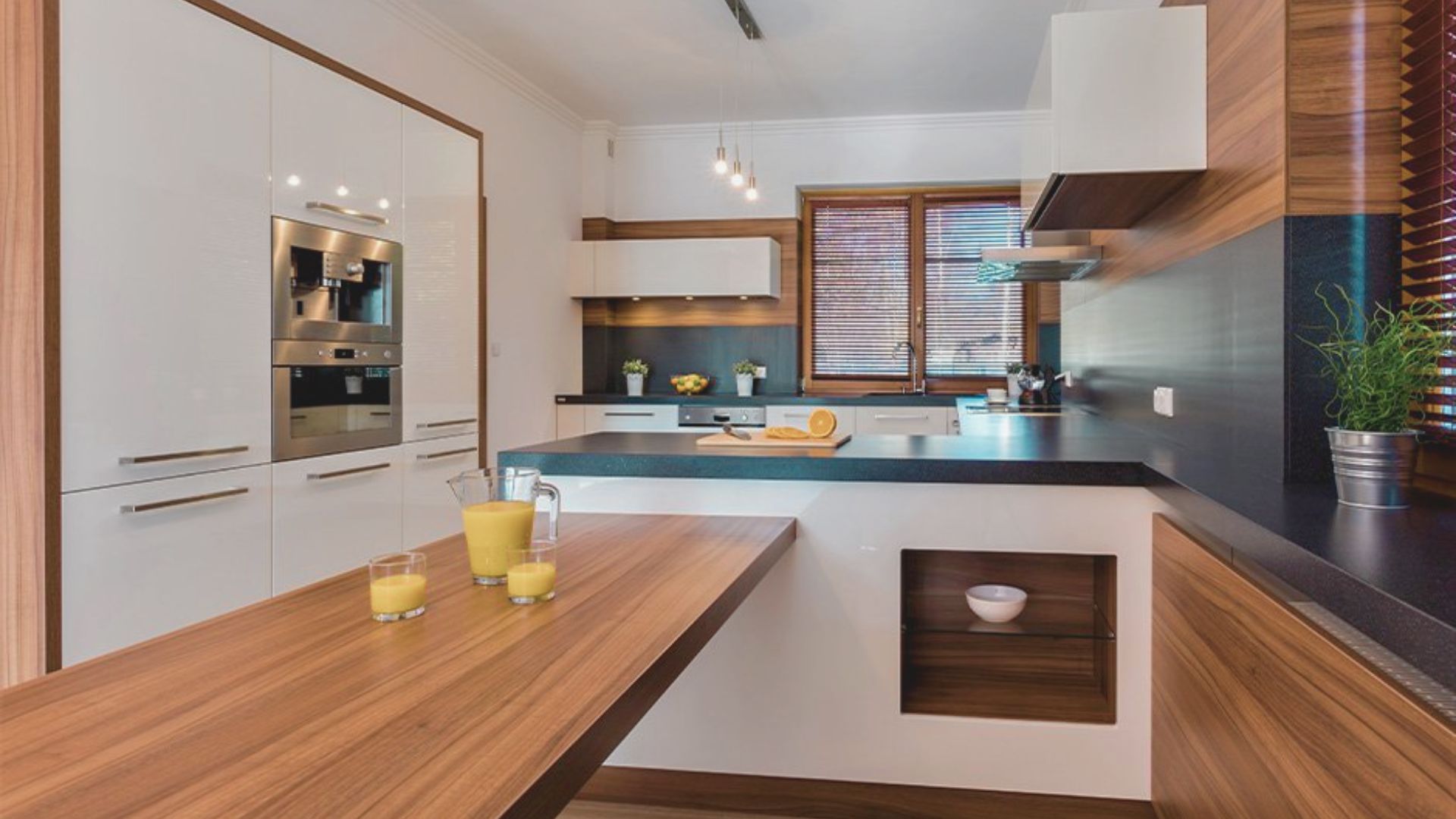
Laminate is the budget champion at $10 to $50 per square foot installed. Modern laminate looks much better than it used to.
It’s affordable and often DIY-friendly. You’ll find countless designs that mimic pricier materials.
Heat and scratches damage laminate more easily. It won’t last as long as stone or quartz.
Wood & Butcher Block
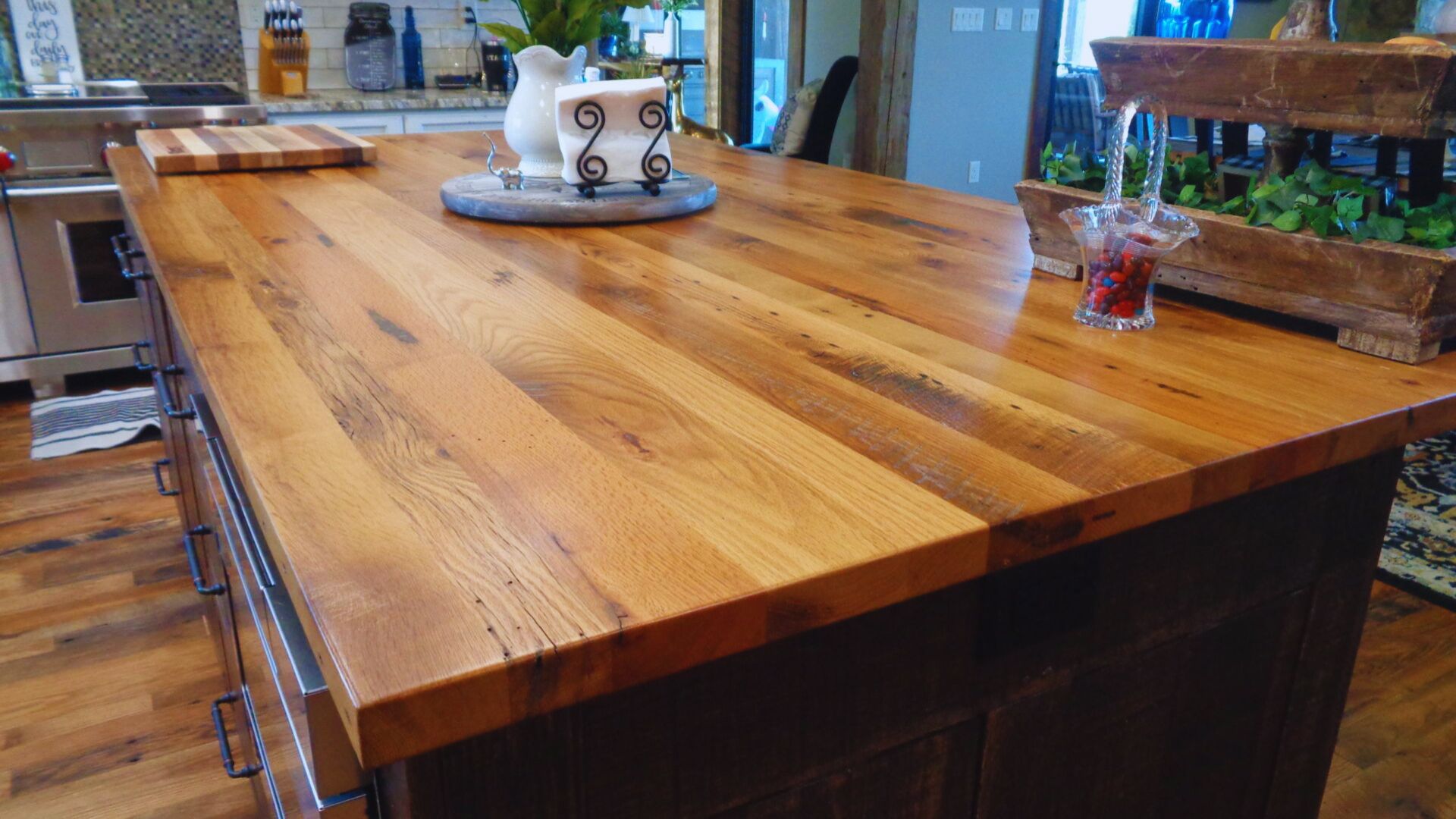
Wood counters run $50 to $100 per square foot installed. They bring warmth and character to kitchens.
The artisanal look is hard to beat. Wood feels inviting in a way stone doesn’t.
Regular oiling is required. Scratches and water damage happen more easily.
Specialty Materials (Concrete, Stainless Steel, Soapstone)
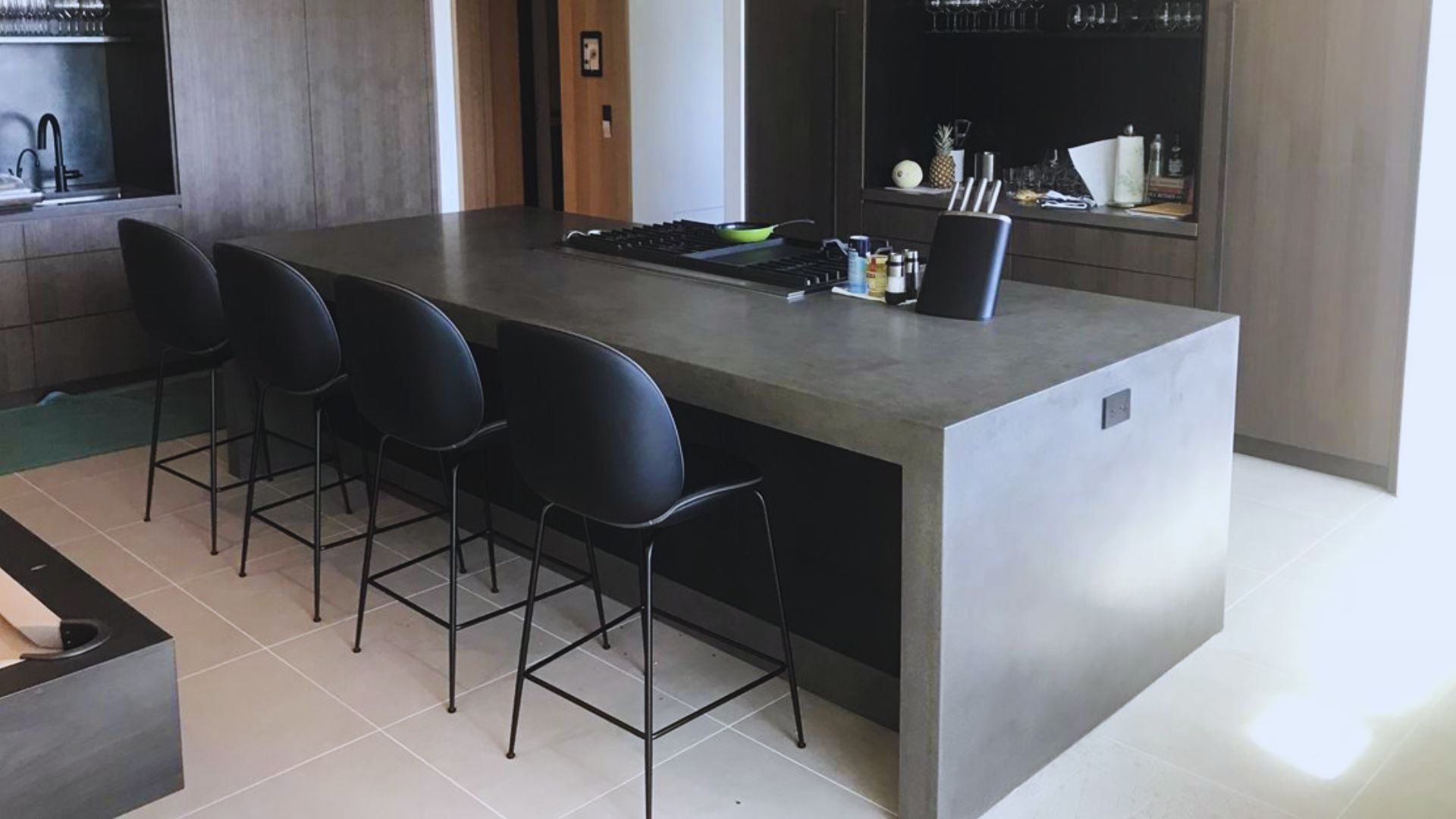
These unique options cost $100 to $300 or more per square foot installed. They make bold design statements.
Concrete can be custom colored and shaped. Stainless steel offers restaurant-style appeal. Soapstone develops a rich patina over time.
Expert installation is mandatory. Special care and maintenance keep them looking good.
Factors Affecting Countertop Costs
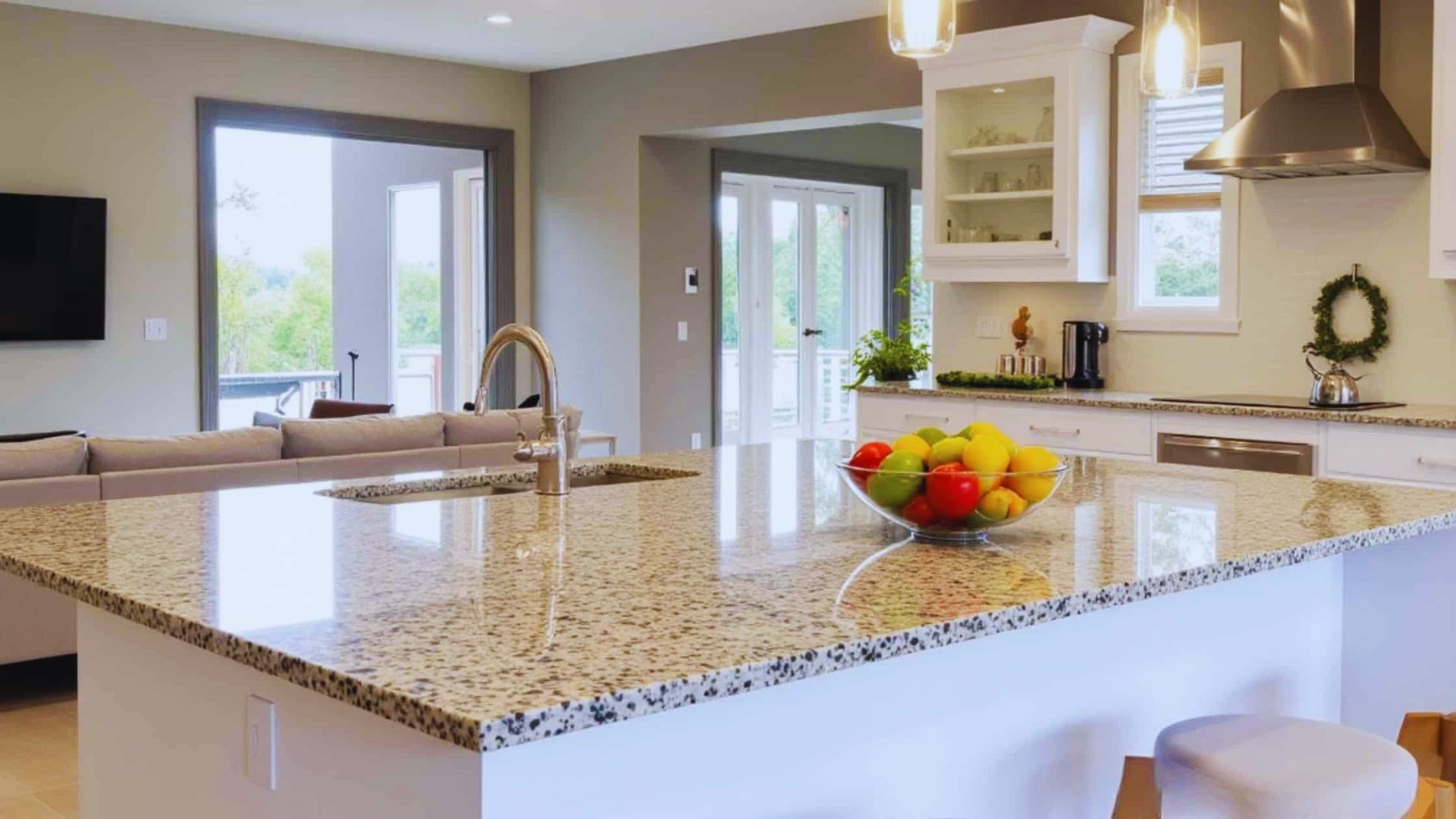
The material is just the starting point. Several other factors can dramatically change your final bill.
Installation Complexity:
Edge profiles add personality and cost. Bullnose edges are simple. Ogee and chamfered edges are fancier.
Integrated sinks look seamless but cost more. Built-in backsplashes eliminate gaps. Custom appliance cutouts require precision.
Labor often accounts for half or more of your total cost. Complex installations take more time and skill.
Choice of Fabricator or Installer:
Local stone yards may offer better prices. Custom fabricators provide more design options.
Independent installers might be cheaper. Contractor teams offer coordination with your full remodel.
Quality matters enormously here. Read reviews carefully. Ask for references. Poor installation ruins even expensive materials.
Edges & Backsplashes:
Specialty edges add $6 to $12 per linear foot. Fancy profiles like waterfall or dupont cost even more.
Integrated backsplashes run $25 or more per linear foot. They protect walls and look polished.
Separate tile backsplashes save money. You can mix materials to balance style and budget.
Demolition & Removal of Old Countertops:
Simple removal costs $200 to $300 typically. This covers basic laminate or wood counters.
Stone or tile set in mortar is harder. Removal can run $400 to $600 or higher.
Disposal fees add another $50 to $150. Some materials require special handling.
Estimating Total Costs
- Use this formula for your budget. Take material cost and multiply by square footage. Add labor charges. Include upgrades like fancy edges or integrated features.
- Don’t forget the hidden costs. Add demolition and disposal fees. Factor in sales tax. Then add 10 to 15 percent as contingency for surprises.
- Get quotes from at least three fabricators. Compare what’s included in each estimate. Some bundle installation and materials. Others charge separately.
- Ask about financing options. Some companies offer payment plans for larger projects. This can make premium materials more accessible.
Choosing the Right Countertop for Your Budget & Style
- Set a realistic budget first. The best countertop balances cost, function, and looks. Know what you can spend before falling in love with materials.
- Match the material to how you cook. Do you cook constantly? Durability matters more. Light users can choose softer materials that need less maintenance.
- Consider your home’s style. Modern kitchens suit sleek quartz or concrete. Traditional spaces shine with marble or granite. Pick what fits your design.
- Invest in professional installation. Quality fabrication and installation protect your investment. Expert work makes counters last decades longer than DIY attempts.
- Mix materials strategically. Use premium stone on your island where guests see it. Choose laminate for less visible sections. This stretches your budget without sacrificing style.
Conclusion
You learned the cost of new countertops and which factors affect it. Now armed with knowledge, it’s time to give to your kitchen the countertops it deserves.
Again, touch, feel, get quotes, and choose items fitting your lifestyle. When installers perform quality work, they make a difference.
Their work distinguishes a good kitchen from a great one. What is your favorite countertop of all?
Let us know below! Save this direction for someone who is renovating!
Frequently Asked Questions
What is the cheapest countertop material?
Laminate is the most affordable at $10 to $50 per square foot installed. It comes in many designs and works well for tight budgets.
Do countertop prices include installation?
It depends on the quote. Some bundle materials and labor together. Others list them separately. Always clarify what’s included before signing.
How do I measure my countertops for an estimate?
Measure linear feet of all sections, then multiply by depth (25 to 26 inches). Include islands and add 10 percent extra for waste.
Can I install countertops myself to save money?
Laminate and tile are DIY-friendly if you’re handy. Stone like granite and quartz needs professional tools. Poor installation ruins expensive materials.
How much does countertop removal cost?
Simple laminate removal runs $200 to $300. Stone or tile costs $400 to $600 or more. Disposal fees add another $50 to $150.
