

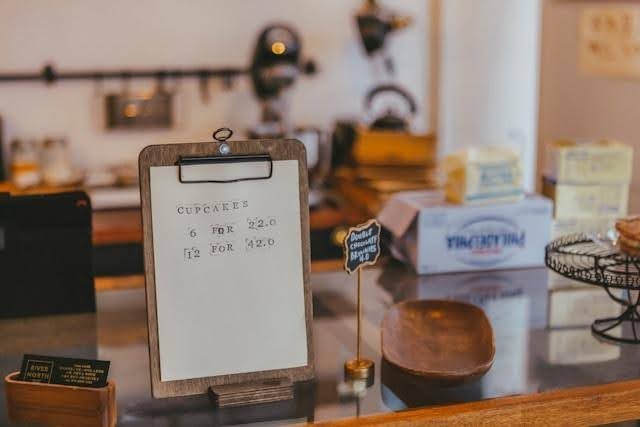
Starting a home bakery in a confined apartment or compact residence seems unfeasible until you recognize professional bakers have been operating in minuscule Parisian kitchens for generations. The distinction between a chaotic disorder and a working baking area isn’t floor space. It’s your utilization of available resources.
Most prospective home bakers presume they require an expansive kitchen with dual ovens and stone worktops. The truth is that cottage bakeries functioning from limited areas frequently surpass their more spacious rivals because every portion fulfills a function. When the area is restricted, productivity becomes essential.
Create Dedicated Zones Even in Minimal Space
The biggest mistake in small home bakeries is trying to blend household cooking with commercial baking. These are different operations with different needs. Even in a tight kitchen, you need to mentally and physically separate your baking workflow from family meal prep.
Designate one counter section as your prep zone where you’ll measure, mix, and shape.
Another area becomes your staging zone for cooled products waiting to be packaged. Your oven area is obviously fixed, but keep the immediate surrounding space clear for hot pans coming out. This zoning prevents cross-contamination and stops you from constantly shuffling items around mid-recipe. A small bakery that treats its fifteen square feet like a restaurant line will always beat a disorganized sprawling kitchen.
Rethink Your Equipment Footprint
Home bakers frequently accumulate cumbersome mixers and processors that consume workspace. Begin by cataloging what you genuinely require for your specialty items. If you’re producing cookies and brownies, a portable mixer and one reliable bowl could be adequate at first.
Bread makers require distinct implements from cake artists. When you do invest in equipment, prioritize items that handle multiple tasks. This is where convection ovens for professional use become game-changers in tight spaces. Worktop convection versions provide the uniform heat circulation you’d obtain from a full-sized commercial oven but take up the space of a microwave.
They’re especially beneficial when your regular home oven is already operating at full capacity. The moving air in these devices means you can prepare numerous trays without repositioning, reducing your preparation time considerably.
Master Vertical Storage
Floor space is precious but wall space usually sits empty. Install shelving above your prep area for frequently used dry goods. Magnetic strips can hold metal measuring spoons and small tools. Hanging racks on the inside of cabinet doors create homes for cutting boards, cooling racks, and baking sheets.
The goal is keeping your working surfaces completely clear except when actively using them. Everything should have a designated spot that makes sense for your workflow. Professional bakers can work in tiny spaces because they grab what they need without thinking, use it, and immediately return it. This discipline matters more than having abundant storage.
Address Electrical Capacity Before You Start
Compact areas frequently involve outdated electrical infrastructure. Operating a countertop mixer, convection oven, and refrigerator on the identical circuit activates breakers and may generate fire risks. Map which outlets connect to which circuits prior to commencing commercial baking.
You could require an electrician to install a separate circuit for your baking apparatus. This isn’t attractive but it’s necessary. Numerous cottage bakery collapses result from insufficient power systems rather than deficient recipes or promotion. Verify your local cottage food regulations as well since certain authorities mandate particular electrical configurations for home food enterprises.
Implement a Clean-as-You-Go System
Restricted workspace implies soiled bowls and employed implements quickly turn into hindrances. Professional kitchens sustain a three-basin arrangement and ongoing sanitation procedures because working area is significant. You require the identical approach at home. Maintain a cleaning container or sizable bowl close by for employed articles.
Clean surfaces during transitions rather than postponing until completion. This isn’t regarding tidiness, it’s regarding preserving workspace productivity when you’re creating numerous or countless pieces in a session. A disordered compact kitchen becomes unworkable rapidly.
Plan Your Workflow Around Cooling and Storage
Small bakeries often forget that finished products need somewhere to go. Cookies coming out of the oven need cooling racks. Decorated cakes need staging space before boxing. Without planning for these in-between stages, you’ll find yourself with hot sheet pans and nowhere to put them.
Collapsible cooling racks and stackable storage containers maximize flexibility. Consider what your peak production looks like and ensure you have space for that volume. Some home bakers use bedroom shelving units temporarily when fulfilling large orders.
Separate Business Supplies from Personal Items
Nothing kills efficiency like hunting through family groceries for your bulk flour. Maintain separate storage for ingredients and supplies even if it means claiming a closet or corner of another room. Label everything clearly with purchase dates.
This separation also simplifies bookkeeping and ensures you’re not accidentally using household butter for a customer order. Small spaces demand this kind of organization because you can’t afford the time waste of poor systems.RetryClaude can make mistakes. Please double-check responses.
Endnote
Setting up a home bakery in restricted quarters involves regarding every square inch as precious territory. The bakers who prosper in compact kitchens adopt one method: they retain only what immediately supports their manufacturing requirements. A properly arranged small space reliably surpasses a chaotic large one. Begin with these basics, improve your processes through real baking sessions, and enlarge your arrangement only when your present space truly constrains your production.
