

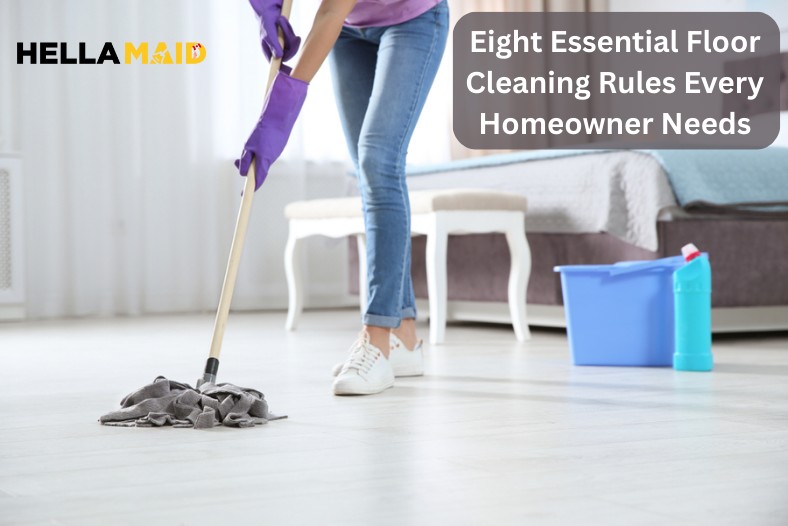
Maintaining beautiful, long-lasting floors and surfaces isn’t just about keeping your home looking good; it’s about protecting your investment. As a professional house cleaner with over five years of experience offering Maid Service in Calgary and the surrounding areas, I’ve seen firsthand how proper cleaning techniques can preserve the value, safety, and appearance of a home. And I’ve also seen the costly damage that happens when common cleaning mistakes go unchecked.
This guide is designed to help homeowners clean smarter, not harder. These eight rules are based on real-world experience and will help you take better care of your floors and surfaces, regardless of the material they’re made of.
Know Your Surface Every Material Has Different Needs
One of the most essential rules in cleaning is to understand what you’re cleaning before you begin. Different surfaces require different care. Using the wrong product or tool can cause permanent damage.
For example, natural stones like marble or granite can be etched or dulled by acidic cleaners, such as vinegar or lemon. Hardwood floors can be damaged by excessive moisture or oil-based products. Even laminate and clean vinyl flooring can be discoloured or warped by harsh chemicals.
Take the time to read the manufacturer’s care recommendations or consult a professional. What works on tile may not be safe for sealed wood, and what works for stone may not be suitable for laminate. For a more detailed overview, Better Homes & Gardens has a comprehensive guide on cleaning different types of floors.
Sweep or Vacuum Frequently to Prevent Scratches
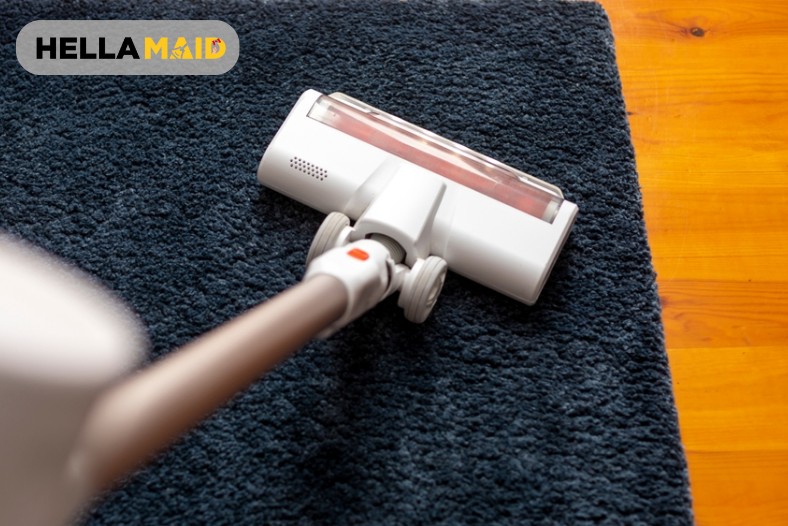
Dust, sand, pet hair, and debris may seem harmless, but they act like fine sandpaper when left on your floors. Over time, these particles wear down protective finishes and cause tiny scratches, especially on hardwood, laminate, and vinyl surfaces.
In my experience, homes with children or pets benefit most from frequent vacuuming or dry mopping, ideally several times a week. Using a microfiber broom or vacuum with a floor-safe attachment will help preserve the surface and keep it looking new longer.
Avoid Over-Wetting Your Floors
Too much water is one of the most common causes of floor damage. It can seep into the seams of wood or laminate floors, causing them to swell, warp, or buckle. Even tile floors can suffer if moisture sits too long on grout lines, encouraging mould or mildew growth.
When mopping, the goal is to use a slightly damp mop, never a soaking wet one. Wipe up any excess water immediately, and never let water pool on the surface. For regular maintenance, spray mops or flat microfiber mops are excellent solutions for controlling moisture.
Use the Right Cleaner for the Job
All-purpose cleaners aren’t always suitable for every surface. Many contain harsh chemicals that can dull finishes, cause discoloration, or leave behind sticky residues that attract more dirt.
A pH-neutral cleaner is usually the safest choice for most sealed surfaces. For hardwood, use products specifically designed for wood floors. For stone, avoid acidic or citrus-based cleaners. Always avoid using bleach or ammonia on delicate or porous surfaces.
If you’re committed to eco-friendly house cleaning , look for products that are plant-based, biodegradable, and free from VOCs. The Environmental Working Group (EWG) maintains a helpful database of safe and effective green cleaning products.
Protect High-Traffic Areas
High-traffic areas, such as hallways, kitchens, and entryways, experience the most wear and tear. Shoes, furniture, dirt, and daily wear can gradually damage even the most durable floors.
Simple preventative steps make a big difference. Placing mats or runners in these areas protects the floor and makes cleaning easier. Adding felt pads to furniture legs prevents scratches when moving chairs or tables. And keeping these areas regularly vacuumed or swept will minimize long-term wear.
Clean Spills Immediately
Spills happen, but how quickly you respond makes all the difference. Liquids like coffee, red wine, juice, or oil can permanently stain surfaces if not cleaned up quickly.
Always blot the spill gently with a clean cloth; never rub, as this can push the liquid further into the surface. Then, clean the area with a suitable product based on the type of floor or countertop. This simple habit can prevent stains and save you from costly repairs.
Don’t Skip Deep Cleaning
Daily or weekly cleaning takes care of surface dirt, but deep cleaning goes further. It removes built-up grime, restores the appearance of surfaces, and extends their lifespan.
I recommend deep cleaning floors , grout lines, and hard surfaces every 3–6 months, depending on the level of use and maintenance. You can do this yourself using professional-grade cleaners, steam (where appropriate), or hire a professional for a more thorough job. Regular deep cleaning also provides an opportunity to inspect your surfaces for wear or damage before the issues worsen.
Let Floors Fully Dry Before Use
After cleaning, give your floors enough time to dry completely before walking on them. Stepping on wet floors can push dirt back into the surface, leave streaks, or damage the finish, especially on wood and laminate.
Depending on the surface and humidity levels in your home, drying may take anywhere from 15 minutes to an hour. Open windows or use fans to speed up the process. It’s a simple step that ensures your cleaning efforts don’t go to waste.
Final Thoughts
Caring for your home’s floors and surfaces doesn’t have to be complicated, but it does require consistency and the right approach. These eight rules are based on years of experience working in real homes with real people. They’re practical, effective, and designed to help you protect your home’s appearance and value for the long term.
Cleaning isn’t just about aesthetics; it’s about maintenance, health, and preserving the things that make your home feel like home. By following these guidelines, you’re doing more than just cleaning, you’re investing in the future of your space. If you’re ever looking for professional support, reliable companies like Hellamaid offer both standard and eco-conscious cleaning services tailored to your home’s unique needs.
