

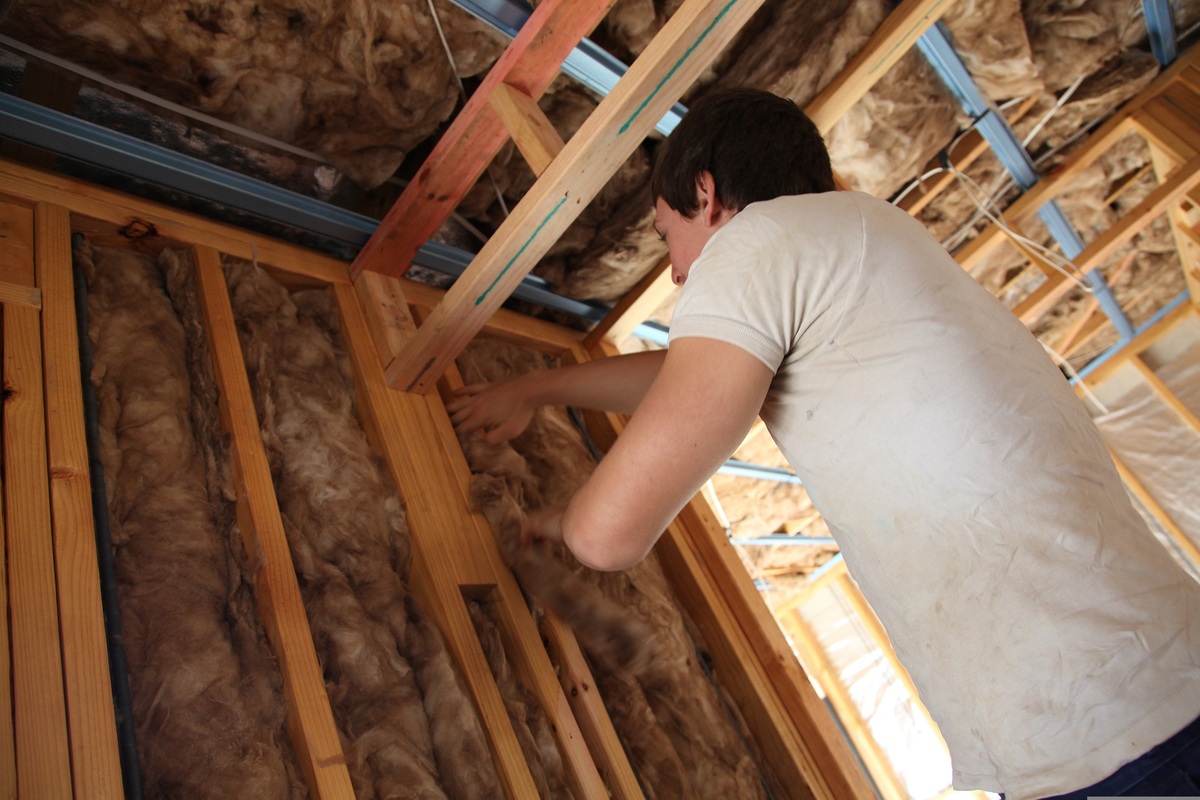
Source: https://pixabay.com/photos/energy-efficient-insulation-5019261/
Your heating or cooling system runs for hours, yet some rooms still feel uncomfortable. One room stays warm. Another feels cold. Your energy bills rise even though your daily habits remain the same.
These issues often point to weak, damaged, or missing insulation. Poor insulation allows outdoor air to enter while conditioned air escapes. It also places extra strain on your HVAC system.
A spray foam insulation contractor will inspect problem areas and recommend the right solution for your home or commercial property.
Why Proper Insulation Matters
Insulation slows heat transfer between indoor and outdoor spaces. During summer, it limits heat entering your property. During colder weather, it reduces heat loss through walls, floors, and the roof.
Choosing the best attic insulation starts with checking the attic, roofline, existing materials, and air gaps. A contractor looks for thin coverage, damaged sections, and openings that allow air to move through the building.
Good insulation supports stable indoor temperatures and reduces HVAC strain.
Uneven Indoor Temperatures
Uneven indoor temperatures rank among the clearest signs of inadequate insulation. One bedroom might stay hot while the rest of the house feels cool. An office near an exterior wall might feel colder than other rooms.
These temperature fluctuations indoors often result from gaps in attic, wall, or floor insulation.
Hot Rooms During Summer
Hot rooms in summer often appear on upper floors, near garages, or beneath attic spaces. Insufficient attic insulation allows stored heat to move into living areas.
Your cooling system then runs longer to reach the thermostat setting.
Cold Walls and Floors
Cold walls and floors often point to missing insulation or air leaks. Exterior walls lose heat when insulation settles, becomes wet, or leaves gaps.
Cold floors often signal crawl space insulation problems. Outdoor air and ground moisture enter through open or poorly sealed areas beneath the property.
High Energy Bills
High energy bills often reveal hidden home insulation problems or commercial insulation problems. Compare recent bills with those from the same season in earlier years.
Poor insulation forces your HVAC system to replace lost heating or cooling throughout the day. This leads to longer operating cycles and faster equipment wear.
A property insulation assessment helps identify where energy loss occurs.
Drafty Rooms and Air Leaks
Drafty rooms often feel uncomfortable near windows, doors, electrical outlets, baseboards, and attic access points. Gaps around framing, plumbing, vents, and utility lines also create air leaks in buildings.
Place your hand near common leak areas on a windy day. A noticeable flow of air suggests weak sealing.
Air sealing with spray foam fills irregular gaps and forms a continuous barrier around many openings.
Moisture and Condensation Problems
Moisture problems from poor insulation often develop when warm, humid air touches a cooler surface. This creates condensation in walls and ceilings.
Watch for musty odors, peeling paint, damp attic materials, ceiling stains, and wet insulation. The moisture source should be repaired before new insulation goes into place.
Poor insulation also contributes to uneven surface temperatures and moisture buildup.
Damaged or Deteriorated Insulation
Existing insulation loses performance after it becomes wet, compressed, displaced, or contaminated. Damaged insulation often looks thin, uneven, matted, or darkened.
Pests also damage insulation. Rodents and insects tear materials, build nests, and leave waste behind. Pest-damaged insulation often requires insulation removal services before new material is installed.
Old insulation replacement might be needed when current coverage no longer meets the property’s needs.
Insufficient Attic Insulation
The attic has a major role in indoor temperature control. During a Texas summer, attic temperatures rise quickly. Weak coverage allows heat to move into the rooms below.
Signs of insufficient attic insulation include hot upper floors, long cooling cycles, visible gaps, exposed joists, and uneven material depth.
A professional insulation inspection checks coverage, air leaks, ventilation, moisture, and damaged sections.
Crawl Space Insulation Problems
A crawl space affects floor temperature, humidity, air quality, and indoor comfort. Open vents, damaged materials, and unsealed gaps allow outdoor air and moisture beneath the building.
Common signs include cold floors, musty odors, damp wood, pest activity, and poor indoor comfort.
Closed-cell foam often suits areas that need greater moisture resistance.Open-cell spray foam works well in selected wall and roofline applications where air sealing and sound control matter.
Signs of Poor Insulation in Commercial Properties
Commercial properties often show insulation problems through uneven work areas, rising operating costs, frequent HVAC cycles, and uncomfortable indoor conditions.
Warehouses and metal buildings might develop hot zones near the roof or exterior walls. Offices might have cold areas near windows and warmer rooms farther from the thermostat.
Commercial spray foam insulation helps seal broad surfaces and small openings around framing, rooflines, and utility penetrations.
What Happens During an Insulation Assessment?
A spray foam insulation contractor starts by reviewing your comfort concerns, energy bills, and building layout.
The inspection often covers attic insulation, wall gaps, crawl space moisture, ductwork, floors, rooflines, and utility openings. The contractor also checks for water damage, pests, and visible air leaks.
After the inspection, you should receive a clear explanation of the findings. Recommended work might include insulation removal, added coverage, air sealing, or spray foam insulation installation.
How to Choose a Spray Foam Insulation Contractor
Choose a contractor with insurance, local references, clear estimates, product knowledge, and safe installation practices. Property owners in Northeast Texas can consider local providers such as 903 Spray Foam for insulation assessments, air sealing, insulation removal, and spray foam installation. A local contractor also understands regional heat, humidity, building styles, and common insulation concerns.
Ask about foam type, preparation, ventilation, removal, curing time, warranties, and final inspection. Professional insulation services should include a written scope and clear pricing.
Is It Time to Contact a Spray Foam Insulation Contractor?
High energy bills, uneven temperatures, drafts, moisture, damaged materials, and constant HVAC use all point to possible insulation problems.
Review your utility bills and write down which rooms feel too hot, cold, or drafty. Check accessible attic and crawl space areas for gaps, stains, pests, or damaged materials.
Then schedule a professional insulation assessment. A qualified spray foam insulation contractor will locate weak areas, explain how to improve home insulation, and recommend a solution suited to your property.
