

Louisiana homes earn every year they survive. Between the hurricane seasons, the spring storms that appear without much warning, the summer heat that bakes everything it touches, and a humidity level that accelerates decay faster than most homeowners realize, the exterior of a home here takes a beating that most other climates simply don’t produce. A house in Minnesota or Arizona can tolerate a year or two of deferred maintenance without catastrophic consequences. In South Louisiana, that same delay can mean rot in the decking, mold behind the siding, and a repair bill that tripled because no one caught the problem in January.
The good news is that most of the damage that leads to expensive repairs is preventable. These ten tasks, done consistently, are what separates a home that holds its value from one that quietly deteriorates between storm seasons.
1. Have Your Roof Professionally Inspected
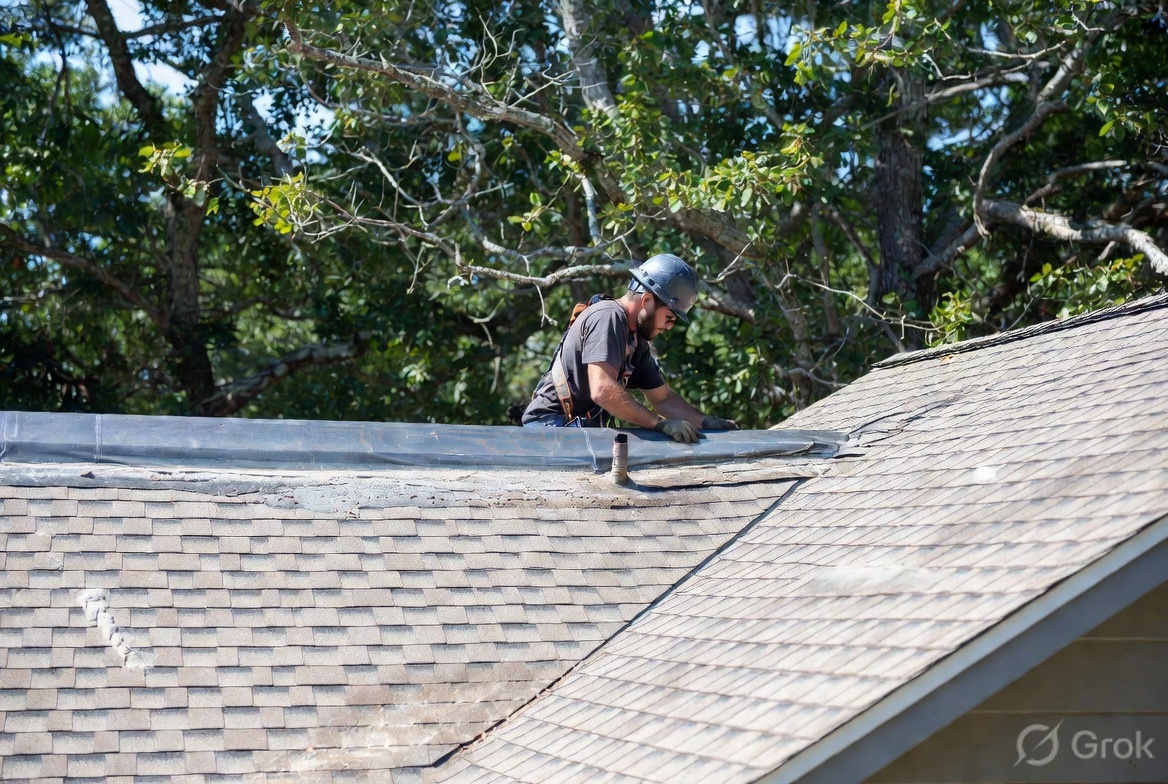
This is where the list starts because it’s where problems typically begin. Louisiana roofs age faster than the national average. The combination of Gulf Coast humidity, UV intensity, wind events, and heavy rainfall degrades shingles, flashing, and underlayment at a pace that can catch homeowners off guard. A roof that looked serviceable last spring may have lost significant integrity by the time storm season arrives again.
A professional inspection by an experienced roofing contractor Lafayette or your local area does things a visual check from the ground cannot. Inspectors get on the roof. They assess flashing around chimneys and penetrations, look for soft spots in the decking, check ridge cap integrity, and identify granule loss patterns that indicate where the shingles are closest to failure.
“We always think we’d notice if something was wrong,” said Janet Fontenot, a homeowner in Broussard. “After our inspection last spring, they found two spots where flashing had pulled away from the chimney. Nothing was leaking yet, but it would have been a disaster by hurricane season. I had no idea.”
That’s the consistent pattern. What gets caught in a spring inspection costs a few hundred dollars to repair. What gets discovered after the first August storm can run into the thousands. If you haven’t had a professional look at your roof in the last twelve months, that’s the first call to make this year.
2. Clean and Inspect Your Gutters and Downspouts
Gutters are part of your roof system, and when they fail, the damage moves quickly. In Louisiana, where rainfall totals in a single storm event can be extraordinary, a clogged gutter doesn’t just overflow. It backs water up under the eave, saturates the fascia board, and creates the exact moisture conditions that invite wood rot and eventually mold.
Clean your gutters twice a year minimum, and inspect them after every major storm. Look for sections that have pulled away from the roofline, end caps that have popped off, or downspouts that are disconnected at the joints. Make sure water is discharging at least four to six feet away from your foundation. In a climate with this much rainfall, a downspout draining at the base of your exterior wall is an ongoing threat to both the wall framing and the slab.
3. Inspect and Reseal Exterior Caulking
Caulking around windows, doors, utility penetrations, and where different exterior materials meet is a moisture barrier. It’s also one of the first things to degrade in Louisiana’s climate. Heat causes caulking to expand and contract through dozens of cycles every year. UV exposure breaks down the compound. By the time you notice a gap, water has often already been getting through.
Walk the perimeter of your home and press gently on any existing caulking lines. It should be firm and continuous. If it’s cracked, pulled away from the surface, or gone entirely in sections, recalculate with a high-quality exterior product rated for high-humidity environments. Pay particular attention to where siding meets trim, around window frames, and at any point where pipes or wires enter the exterior wall.
4. Check Your Siding for Damage, Rot, and Gaps
Whether your home has wood siding, fiber cement, vinyl, or stucco, the exterior cladding does more than affect appearance. It’s the primary layer between your wall framing and the weather. In Louisiana, moisture infiltration through compromised siding doesn’t dry out the way it might in a drier climate. It sits in the framing and insulation, creating conditions for rot and mold that can be expensive to remediate.
Look for boards or panels that are buckled, swollen, or pulling away at the seams. Probe wood trim with a screwdriver in areas that stay shaded or damp. If the tip sinks in easily, the wood is compromised and needs to be replaced before the next rain season. On stucco homes, look for hairline cracks that have grown or new spider-web patterns near corners and penetrations.
5. Examine Your Foundation and Exterior Drainage
Louisiana homes deal with drainage challenges that don’t exist in most of the country. Clay-heavy soils that shift with moisture content, lots that were developed on fill, and elevation differences that direct runoff toward foundations rather than away from them are all common regional realities.
Once a year, walk your property after a heavy rain and watch where the water goes. Pooling water against the foundation, even temporarily, puts hydrostatic pressure on the slab and creates the ongoing moisture conditions that can crack and erode concrete over time. Regrading problem spots, extending downspouts, or adding French drains where standing water accumulates are often simple and cost-effective fixes that protect a much larger investment.
According to the Insurance Institute for Business and Home Safety, proper drainage is one of the most consistently overlooked factors in long-term residential structural integrity, particularly in high-rainfall regions.
6. Service Your HVAC Exterior Components
The exterior condenser unit for your air conditioning system deserves its own annual attention. Clear vegetation that has grown within two feet of the unit, clean debris from the fins with a garden hose, and verify that the pad it sits on is still level. An unlevel condenser works harder and fails sooner.
In coastal Louisiana, salt air adds a corrosion factor that accelerates wear on metal components. Fin damage from wind-driven debris is also common after storms. A quick look after any significant weather event can catch problems before they become compressor failures in the middle of August, which is exactly when you can’t afford to be without air conditioning.
7. Inspect and Treat Your Wood Decking and Fencing
If your home has an exterior wood deck or wooden fencing, Louisiana’s humidity is working against you constantly. Wood that isn’t sealed and maintained will absorb moisture, expand and contract with temperature swings, and begin to crack, warp, and eventually rot within just a few years of neglect.
Inspect deck boards for soft spots, popped nails, and compromised ledger connections where the deck attaches to the house. This connection point is a frequent source of moisture infiltration behind siding. If the deck surface hasn’t been cleaned and resealed in two or more years, this is the year to do it. Pressure wash the wood first, let it dry completely, and apply a penetrating sealant rated for exterior use in high-humidity climates.
Fencing takes the same punishment and often gets less attention. Rotting fence posts, particularly those set in clay soil that retains moisture, are a common finding after wind events. Replacing individual posts proactively is far less expensive than replacing sections of fence that were pulled down in a storm.
8. Clean and Inspect Your Chimney and Exterior Vents
Chimneys and exterior vents are roof penetrations, and penetrations are where water finds its way in. The chimney crown, the concrete cap at the top of the chimney, cracks in Louisiana’s climate with regularity. So does the flashing around the chimney base, which has to deal with thermal movement, wind, and the weight of storm water hitting it directly.
Have the chimney crown inspected and resealed if you see surface cracking. Make sure the chimney cap, the metal screen at the very top, is in place and undamaged. Birds and squirrels find uncapped chimneys in Louisiana and build nests that create fire hazards and obstruct airflow.
Exterior dryer vents, bathroom exhaust vents, and soffit vents should all be checked for blockages. Vents that can’t exhaust properly trap moisture in the attic or in wall cavities, which compounds existing humidity problems in a climate that already makes moisture management difficult.
9. Assess and Refresh Exterior Paint or Coating
Paint on a Louisiana exterior does more than look good. It seals wood and masonry against moisture absorption. When it fails, the surfaces beneath it start absorbing everything the weather delivers.
Look for peeling, bubbling, or chalking paint, all signs that the coating has failed and is no longer providing meaningful protection. Bubbling in particular usually means moisture is already trapped beneath the paint film, which is a warning that the substrate needs attention before repainting.
On brick or block homes, inspect the mortar lines. Cracked or eroded mortar allows water to penetrate masonry walls, and in freeze-thaw cycles, that water damage worsens year over year. In South Louisiana, freeze-thaw is less common, but sustained moisture in masonry joints still causes long-term deterioration.
10. Document Everything You Find
This one isn’t glamorous, but it matters. Homeowners who maintain photographic records of their roof condition, repair history, and exterior maintenance have a significant advantage when it comes time to sell, file an insurance claim after a storm, or dispute a lowball appraisal.
After every inspection or repair, document the date, the name of the contractor who performed the work, and what was done. Store photos in a folder organized by year. Insurance adjusters, appraisers, and buyers’ inspectors all respond differently to a homeowner who can produce two years of documented maintenance history versus one who says “I think we had the roof looked at a couple years ago.”
In a market where insurers are increasingly reluctant to write new policies on older roofs in Louisiana, documented maintenance history can be the difference between getting coverage and being told no.
Exterior home maintenance in Louisiana is not optional in the way it might feel in a more forgiving climate. The weather here is genuinely punishing, and the gap between proactive maintenance and reactive repair is measured in thousands of dollars and weeks of disruption. Work through these tasks this year, hire qualified local professionals for anything that goes beyond what you can safely do yourself, and keep your documentation current. Your home will be better positioned for the next storm, the next appraisal, and the next decade.
