

railings steady when the kids lean out to watch the yard, keep gates swinging even after years of daily slams, support shelves that somehow always end up overloaded, and secure fixtures that have stood through all kinds of weather. Eventually the rain, wind, and normal family wear start showing. The trouble is that metal problems tend to grow quietly. A small issue that could have been sorted in an afternoon can turn into a replacement job if left through another winter.
Dealing with small issues early usually prevents them from becoming major repairs and helps everything stay safe and solid for longer.
Take a Few Minutes to Investigate
The first thing worth doing is slowing down. A rusty hinge doesn’t automatically mean the hinge is finished. Sometimes water is collecting in the same area after rainfall. Sometimes old paint has worn away and left bare metal exposed. In other cases, a gate post has shifted slightly over time, causing parts to rub together that were never supposed to touch.
Looking at the surrounding area often reveals more than the damaged spot itself. This is particularly true outdoors. Metalwork around a property is constantly dealing with the weather. Summer heat, winter frost, heavy rain, strong winds – every season leaves a mark somewhere. Over time, even quality materials start showing their age.
Rust Is Easier to Stop Than Reverse
Most people notice rust when they see a stain or bubbling paint. By then, the moisture has usually been sitting there for quite a while.
Corrosion rarely stays where it first appears. It progressively grows into regions that appear perfect and clean from the outside, creeps beneath coatings, and settles into joints. For this reason, preparedness is necessary. Although it requires more work, thoroughly removing free rust before repainting typically results in a longer-lasting repair. Although painting over rust may temporarily improve looks, the issue frequently reappears unexpectedly fast.
Compared to earlier times, modern coatings are now far more resilient. Gates, railings, fences, and garden structures can benefit from products made for outdoor metalwork since they are now more resistant to moisture and UV rays.
According to the Association for Materials Protection and Performance (AMPP), corrosion continues to cost billions globally every year across buildings, infrastructure, and industrial assets.
Don’t Underestimate the Small Parts
Not every repair involves replacing a large section of metal. In fact, some of the most frustrating problems start with a single fixing. A loose bolt allows movement. Movement causes wear. Wear creates larger gaps. Eventually other components start feeling the strain as well.
A gate that appears ready for replacement may simply need new hinges. A railing that feels unstable could have perfectly sound metalwork but worn fixings hidden underneath years of paint and weather exposure.
Quality replacement hardware tends to make a noticeable difference outdoors. Stainless steel and galvanised options generally last longer in damp conditions and are less likely to create repeat repairs a year or two down the line.
Better Tools Usually Mean Better Results
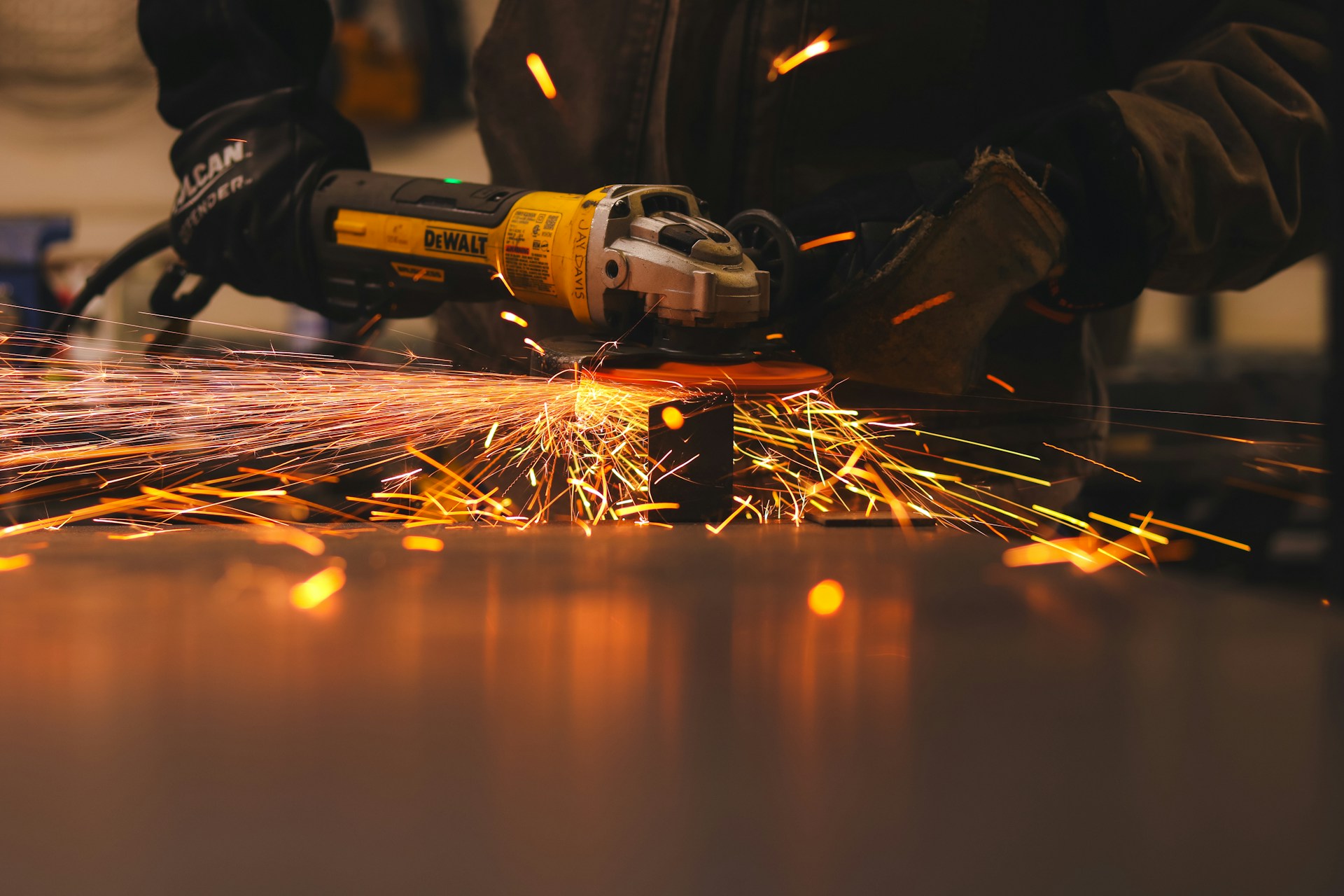
There is a noticeable difference between working with the right tool and trying to make do with whatever happens to be available. Metal is not especially forgiving. Anyone who has tried drilling through thick steel using an old bit knows how frustrating the process can become. Progress slows down. Heat builds up. The hole ends up slightly off-centre. Suddenly a simple repair takes twice as long.
For repairs involving steel brackets, support plates, gates, or fabricated sections, accuracy matters. Even a small error can affect alignment later on. That is one reason professionals often rely on specialist equipment for metal drilling tasks. Products such as rotabroach drill bits are commonly used where clean, precise cuts are needed through tougher metals. The result is often a neater finish and less strain on both the tool and the person using it.
Listen to What the Structure Is Telling You
Not every warning sign looks major. Sometimes it’s a noise. A gate starts rattling on windy days. A bracket produces a slight squeak that wasn’t there last year. A railing moves just enough to be noticeable. Small changes like these are easy to dismiss because everything still appears functional. Yet movement often indicates wear somewhere in the system. Left unchecked, that wear gradually increases until additional parts begin suffering the consequences.
Checking connections, hinges, fixings, and support points once or twice a year can prevent many repairs from becoming larger projects later.
Final Thoughts
Most metalwork problems begin quietly. A patch of rust. A loose fixing. A gate that no longer closes with the same smoothness or ease. They don’t seem important until they start showing unusual signs.
Many frequent problems may be avoided from becoming costly replacements by regular inspections, high-quality materials, and timely repairs. For any homeowner, a little care today may save a much larger effort the next season, and that’s typically time well spent.
