

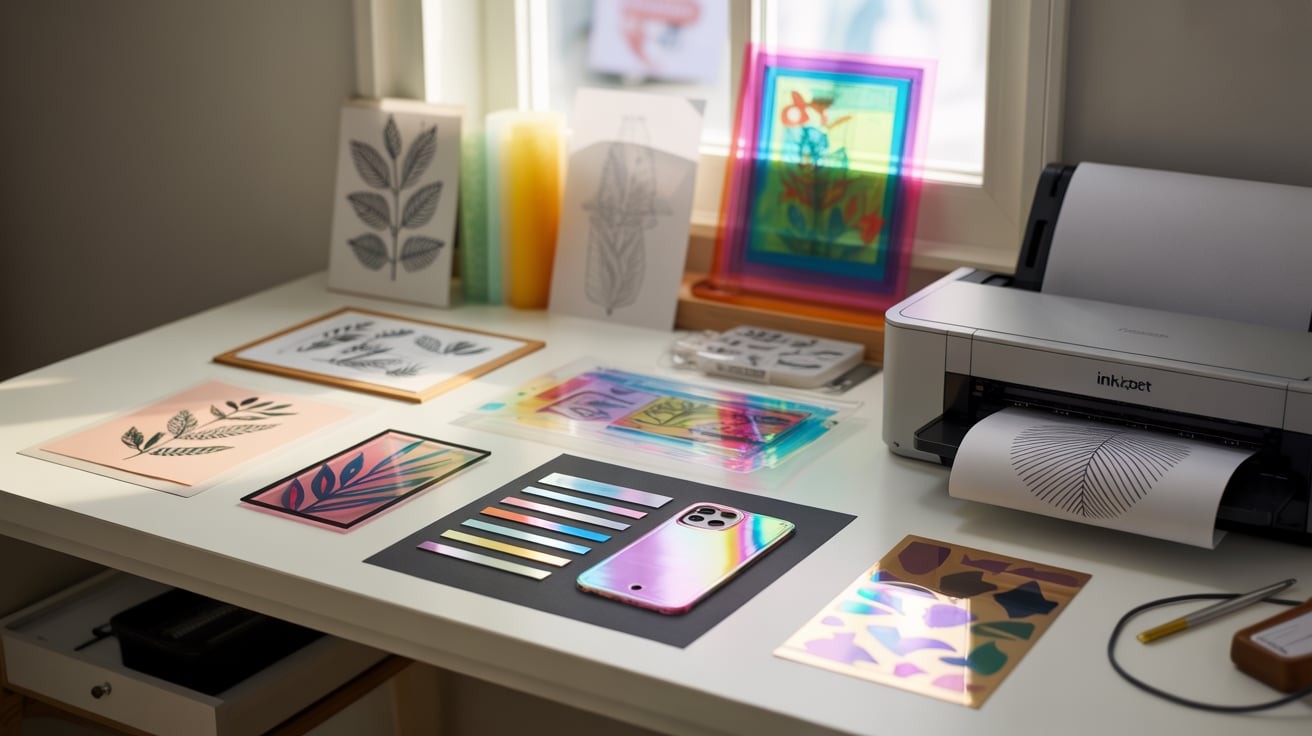
The rise of at-home crafting and DIY culture has opened the door to a wide variety of personalized print projects. Whether you’re a small business owner making your own packaging, a hobbyist exploring screen printing, or someone who loves creating custom home décor, inkjet printers and specialty media like transparency inkjet film can elevate your work from basic to brilliant.
If you’re not familiar with transparency film, it’s a clear, printable sheet that’s designed for inkjet printers. Originally used for overhead projectors, this medium has evolved into a go-to material for artists, crafters, and creators looking for precise and professional-quality results at home.
What is Transparency Inkjet Film?
Transparency inkjet film is a clear acetate-like sheet specially coated to accept inkjet printer ink. Unlike regular plastic sheets, the coated surface locks in ink and prevents smearing or running. This unique property makes it ideal for high-detail applications where sharpness and opacity matter.
One of the most common uses today is in screen printing, where an image is printed onto transparency film and then used to burn the stencil onto a screen. However, its usefulness extends far beyond that niche. With the right tools and creativity, you can use transparency inkjet film for an array of unique projects that look professionally made-all from the comfort of your home.
Getting Started: What You Need
Before diving into projects, make sure you have the following:
- A quality inkjet printer (pigment-based inks are best for opacity)
- Transparency inkjet film (double-check that it’s for inkjet, not laser printers)
- Design software or templates
- A clean, dust-free workspace
Be sure to print on the correct side of the transparency film. Most have a printable side and a slick, non-printable side. The printable side often has a slightly tacky or matte feel and will typically be labeled.
Popular At-Home Print Projects Using Transparency Film
Screen Printing at Home
Screen printing is one of the most popular uses for transparency film. You can use it to create custom t-shirts, tote bags, art prints, and even signage. The process involves printing a high-contrast black image onto the film, placing it over a photo-sensitive emulsion-coated screen, and exposing it to light. The areas covered by the printed image block the light, allowing you to rinse out a perfect stencil for printing.
It’s a powerful way to create high-volume prints at home without needing a commercial setup.
Overlays for Home Décor
Transparency film can be used to create home decor elegant overlays for framed photos, lightboxes, or shadow boxes. For instance, printing botanical illustrations, calligraphy, or family crests onto transparency film and layering them over a photo or colored background creates a multidimensional piece of wall art. The clear background keeps the design looking light and airy, while the sharp inkjet print delivers crisp details.
This method also works beautifully with LED lightboxes. You can swap out the designs seasonally or personalize them for events like birthdays, weddings, or holidays.
Custom Window Clings
While transparency film isn’t adhesive, it can be used to make reusable window décor when paired with a static cling or removable adhesive spray. Print your favorite designs-think snowflakes, florals, quotes, or stained glass patterns-and apply them to windows or glass doors.
This is especially useful for renters or families who like to switch up seasonal décor without permanent changes. Just be sure the ink is fully dry before applying to glass, and always use the appropriate side of the film for printing.
Tips for Best Results
- Use High-Quality Print Settings: Always choose “best quality” or “photo” mode in your printer settings to ensure rich, opaque results.
- Let It Dry Completely: Ink can take longer to dry on transparency film. Allow at least 30 minutes before handling.
- Increase Opacity: For screen printing or backlit applications, you may need to double print your image or layer two films to get the darkest black.
- Avoid Humidity: Transparency film can warp or hold static if stored in a humid environment. Keep it flat and dry.
Why Transparency Inkjet Film Stands Out
Compared to traditional paper, transparency film gives your projects a professional polish that’s hard to achieve otherwise. It’s durable, flexible, and can be used in multiple applications where standard prints would be too heavy, opaque, or fragile.
This medium is also more sustainable than many realize. Since you’re often layering it over reusable materials (like LED boxes or cloth), and not throwing away designs as often, it reduces waste compared to some single-use decorations or packaging.
Advanced Ideas for Experimenters
If you’re feeling confident and ready to push the envelope, here are some more advanced ways to use transparency inkjet film in your home studio:
- Mixed Media Art: Print on transparency film and layer it with watercolor paper, fabric, or metallic leaf to create mixed media artwork.
- DIY Stencils: With a craft knife or cutting machine, you can turn transparency sheets into durable stencils for painting, baking (think dusted powdered sugar patterns), or even etching.
- Photo Transfers: Print mirrored text or images on transparency film and use it to transfer designs onto wood, canvas, or leather using gel mediums.
Final Thoughts
Transparency inkjet film is one of those underrated materials that opens up a world of creative opportunities. From fashioning beautiful home décor to starting a screen-printing side hustle, it’s a must-have for any serious DIYer or hobbyist. With the right techniques and a bit of imagination, you can elevate everyday prints into show-stopping pieces-all without leaving your home.
Whether you’re experimenting for fun or looking to build a brand around custom printed products, transparency inkjet film proves that professional quality is well within reach for home creators.
