

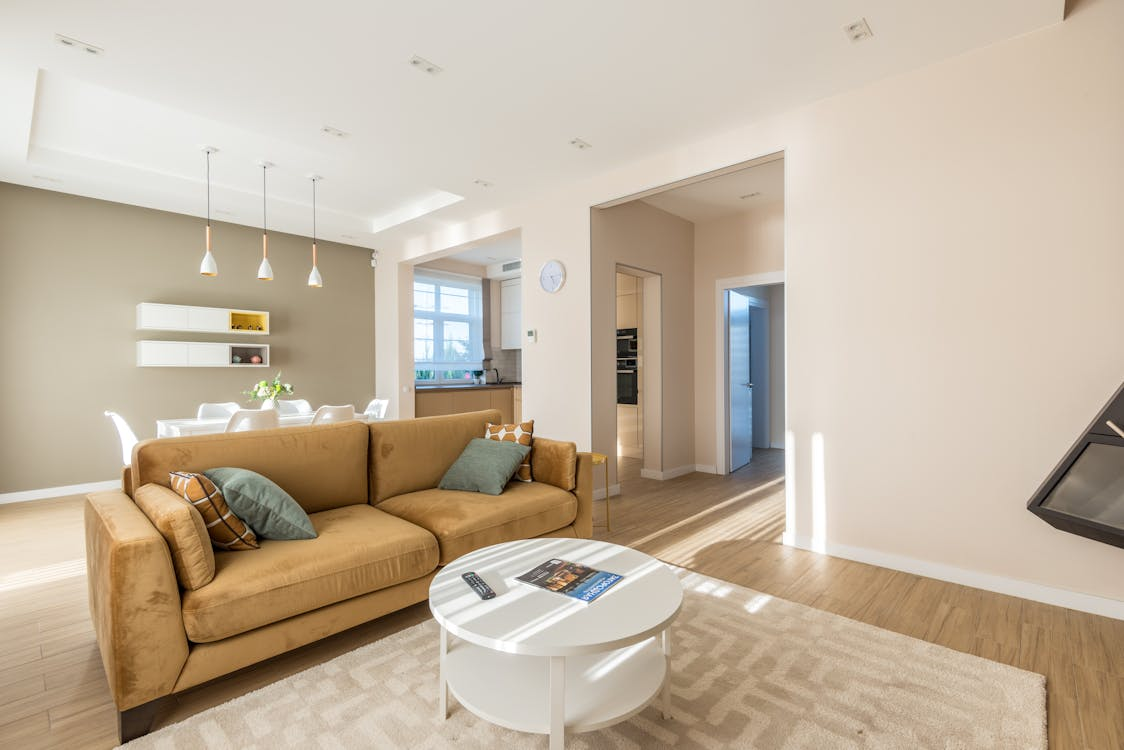
Nowadays, most home projects often begin with color palettes, fixtures, cabinets, or flooring, yet the quiet foundation beneath every upgrade rests inside the HVAC system. A home only feels complete once airflow settles properly, temperatures hold steady, and each room supports a sense of comfort. Paint may catch the eye, and cabinetry may shape the style, but the HVAC system decides how comfortable the house feels from morning to night. The design of a living space becomes far stronger once HVAC care stands at the top of the improvement list, supporting everything built around it.
Many homeowners eventually notice how deeply HVAC performance interacts with remodeling, renovations, and even quick seasonal projects. A new kitchen layout changes the temperature flow. Bathroom updates influence moisture levels. Lighting adjustments affect attic airflow in surprising ways. Recognizing these connections helps every project come together with purpose.
Integrating HVAC Needs into Kitchen Remodeling Plans
Kitchen remodels reshape the temperature pattern of an entire home. New appliances, added lighting, different layouts, and more frequent cooking create changes that flow straight into the HVAC system. Including HVAC needs proactively in the planning process supports better ventilation, balanced temperatures, and comfortable movement through the space once the remodel wraps up.
HVAC planning in a kitchen project benefits greatly from skilled guidance. Heating components, ventilation paths, and duct adjustments call for experienced eyes, which is why many homeowners bring in experts before any construction begins. Specialists help map out airflow, evaluate heating requirements, and confirm that the system can support the new design. Hire experts who will understand your kitchen’s layout and your varying needs. Also, remember these tips when choosing a heating contractor, as you don’t want cold water running in the kitchen.
Coordinating HVAC Tune-Ups with Insulation Upgrades
Insulation upgrades immediately change how a home holds temperature, which means the HVAC system responds to those adjustments from the first hour. A tune-up creates harmony between old insulation patterns and the new environment. Technicians review airflow, check performance, and help the system adapt to a refreshed structure. Those updates keep the home feeling steady once the insulation begins doing its job.
A coordinated approach brings clarity to projects that often feel disconnected. Walls, attics, and crawl spaces gain stability through insulation, and the HVAC system responds with cleaner airflow and smoother operation.
Pairing Airflow Checks with Window Sealing Projects
Window sealing projects reshape the way air settles inside a room. Gaps close, drafts disappear, and rooms hold their temperature with far less fluctuation. An airflow check helps the HVAC system adjust to these new boundaries. Technicians evaluate pressure, balance the distribution of air, and confirm that each room receives the support it needs.
A combined approach brings stability to interiors that once felt inconsistent. A newly sealed space becomes a smoother environment for both heating and cooling. The home begins to feel grounded, and the HVAC system works with a sense of calm that supports daily life.
Syncing Humidity Checks with Bathroom Improvements
Bathrooms carry moisture throughout the day, especially during remodeling, repainting, or fixture upgrades. Humidity checks allow homeowners to match bathroom improvements with HVAC needs. This helps the system guide moisture away from places where it can linger. A steady humidity level becomes an essential part of a comfortable, supportive bathroom environment.
Contractors appreciate this connection because bathroom projects thrive in balanced air conditions. Updated fixtures, new flooring, and fresh surfaces stay in better shape once the HVAC system keeps moisture at reasonable levels. The room gains a comfortable feel that supports both daily routines and long-term upkeep.
Adjusting HVAC Zones During Room Additions
Room additions create entirely new pockets of air that need support from the HVAC system. Each new space changes the home’s temperature map. Zoning adjustments help the system understand how to serve the expanded layout. Technicians evaluate duct paths, airflow demands, and temperature behavior across the updated structure.
This adjustment forms a natural partnership between construction crews and HVAC professionals. A new room settles into the home once the air patterns align with the updated footprint. Families enjoy a consistent environment that already feels connected to the rest of the house.
Updating Thermostat Wiring During Smart-Home Upgrades
Smart-home upgrades often bring incredible convenience, and thermostat wiring plays a key role in that transition. Many advanced systems rely on updated wiring to communicate clearly with the HVAC unit. A professional review helps confirm that the connections support the new technology. In turn, this creates a smoother experience once automated schedules, sensors, and app-based controls become part of daily life.
Modern features shine brightest when the wiring behind the wall matches the sophistication of the devices in front of it. A careful wiring update helps the home maintain a steady temperature behavior and avoids interruptions related to outdated connections.
Pairing Coil Cleaning with Outdoor Landscaping Upkeep
Outdoor coils collect dust, pollen, and natural debris throughout the year. Landscaping projects can stir up even more particles that drift toward the HVAC unit. Coil cleaning during outdoor upkeep helps the system stay clear and functional. The process supports healthier airflow and reduces the load carried by the outdoor equipment.
Landscaping crews often appreciate the advantage of this combination. A clean outdoor space works best when the unit receives the same level of care. The yard feels refreshed, and the HVAC system responds with steady outdoor performance that supports every room inside the house.
Checking Attic Airflow During Lighting Updates
Lighting updates often require attic access, which creates an ideal moment to review airflow. Technicians gain a clear view of duct paths, insulation alignment, and any areas that need adjustment. Attic airflow influences the entire home, guiding temperature behavior from the top down.
A coordinated lighting and airflow check helps the whole structure feel balanced. Fresh lighting brightens the living space, while improved airflow supports stable comfort. The attic becomes a key player in this kind of project, offering insights that improve both energy and interior quality.
A home’s improvement plan reaches its strongest potential once HVAC care stands at the center of the strategy. Every project, whether small or complex, connects to the way air moves, settles, and supports comfort throughout the structure. A home grows into its best version through steady, well-planned collaboration between upgrades and system care. HVAC maintenance brings clarity, balance, and long-lasting comfort to every corner of the house.
