

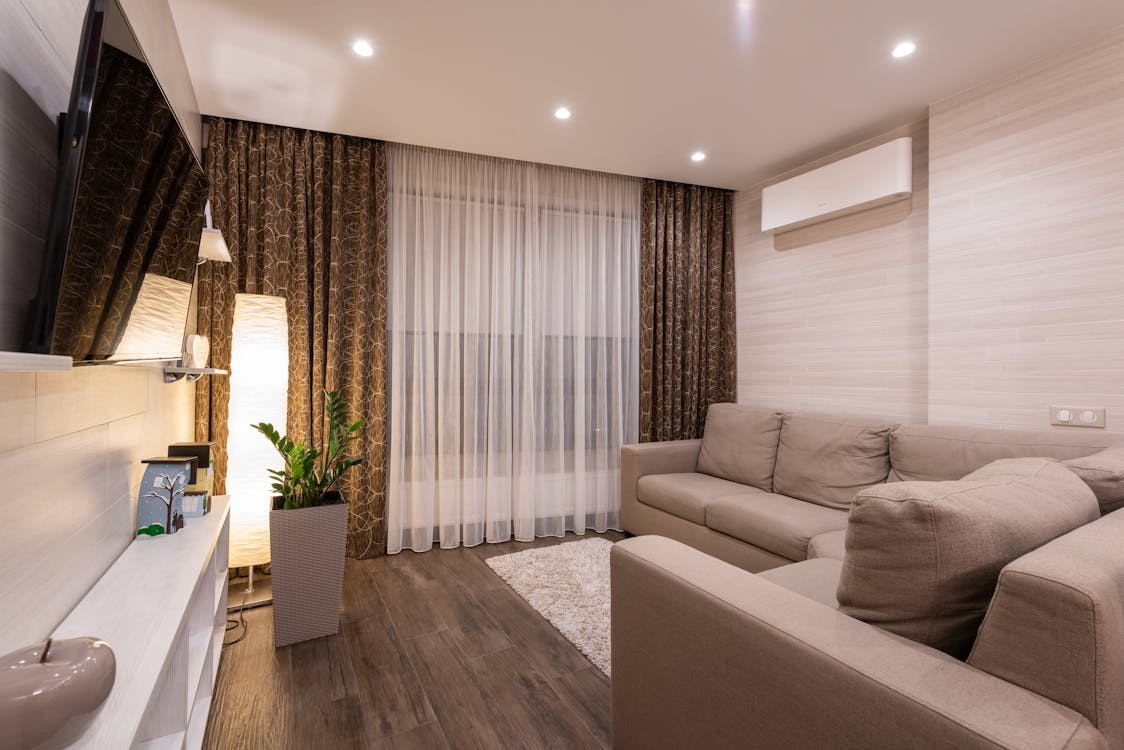
Silence has become a luxury, especially at home. Between streaming devices, humming fridges, chatty appliances, and the occasional thump from upstairs, modern houses are anything but quiet. Yet most homeowners don’t realize how much sound sneaks into their daily lives until the moment everything’s off and the house is still humming. That’s when the little disturbances show up, that is, the clicks, the buzzes, the whirs that make you wonder if your house is trying to talk back.
The idea of a quiet home requires understanding what kind of noise belongs and what doesn’t. The latest home designs and upgrades focus on sound balance: soft where you want calm, firm where you need function, and tuned just enough to let the house breathe without it buzzing in your ear.
Managing Subtle Background Sounds
Every home has a soundtrack, consisting of doors settling, floors creaking, and the hum of air through vents. Most of it’s harmless until one note feels off. The key is to notice patterns. Where does the sound come from, and when does it happen? Keeping track of those details helps homeowners catch problems early, long before they grow loud enough to interrupt a quiet moment.
That said, few sounds pull attention like an air conditioner acting up. It’s that moment when you stop mid-thought and realize that doesn’t sound right, what your AC is telling you might be something worth checking. A quiet rattle or low hum could point to loose parts, airflow blockage, or early motor wear.
Leaving it unchecked often turns a small noise into a bigger issue. Calling in a professional helps pinpoint the cause and restore balance before damage spreads. Once the system is tuned and steady again, the sound fades back into silence and the house returns to its usual calm.
Identifying Structural Vibration
Vibration moves through beams, walls, and floors like a secret messenger, spreading one small hum across three rooms. A loose panel, uneven flooring, or wall-mounted unit can shake just enough to create a constant background buzz that feels invisible until you notice it’s never really gone.
The fix often starts with tightening and stabilizing. Reinforcing wall mounts, adding rubber buffers, or adjusting how furniture touches the floor can stop vibrations from traveling. Even something as small as a misaligned pipe bracket can ripple through an entire wall.
Reducing Echo Through Soft Surfaces
Echo is the home’s way of reminding you it’s built from hard materials. Open floor plans and smooth finishes may look great, but they bounce sound like a gymnasium. That’s why voices carry, footsteps linger, and movies sound a little too dramatic.
Adding texture in the right spots softens the soundscape instantly. A rug underfoot, curtains that actually touch the floor, and a few upholstered chairs do wonders. Even bookshelves filled with uneven shapes scatter sound waves naturally.
Softening Appliance Hums
Appliances are the background singers of the household, performing nonstop in the corners of every room. The refrigerator hums, the washer spins, and suddenly your kitchen has its own soundtrack.
Isolation pads are the unsung heroes here. They go under appliances and break the vibration link between machine and floor, turning what once felt like a low drone into near silence. Combine that with regular maintenance, checking that everything sits level and clean, and you’ve got machines that work quietly in the background instead of auditioning for the noise Olympics.
Reworking Ceiling Materials
If noise had a favorite hiding spot, it would be the ceiling. Hard, flat surfaces reflect sound into the room, bouncing every noise twice. Smooth drywall and high ceilings look sharp but often make spaces louder than they need to be.
Updating ceiling finishes helps tone things down without losing style. Acoustic tiles, soft panels, or even wood slats absorb sound while adding character. Matte paints can cut down sharp reflections, too.
Choosing Quieter Flooring
Footsteps have a way of announcing themselves in homes with hard floors. Upstairs movement travels fast through tile, laminate, or wood, and what sounds light up there can feel like a thunderstorm down below. Quiet flooring starts with what’s under it, not what’s on top.
Adding a sound-rated underlay changes everything. Cork, rubber, or dense foam layers absorb impact and soften each step. It’s like giving the floor a bit of cushioning without losing style.
Separating Utility Spaces
Laundry rooms, water heaters, and HVAC systems may be essential, but they’re also the loudest tenants in the house. Utility zones packed near living areas often share their soundtrack with the rest of the space. A running dryer can feel like a bassline under dinner conversation.
A practical fix is simply creating distance. Locating those systems along outer walls or adding acoustic drywall inside shared partitions helps isolate the sound. For smaller homes, sound-curtain panels or insulated doors make a real difference.
Reinforcing Noisy Walls
Walls can be sneaky carriers of outside sound. If you live near a street, park, or lively neighbor, you know the faint hum of life beyond your walls. Reinforcing them adds structure and stability, which helps block unwanted sound from slipping through.
Insulation, double-layered drywall, or sound-damping compounds can strengthen a wall’s resistance to vibration. It’s a quiet upgrade that also improves energy performance, so you get warmth, calm, and fewer surprise sounds drifting in at night.
Controlling Plumbing Noise
Running water shouldn’t sound like a mini drum solo inside the walls. Pipes that rattle, bang, or hum usually signal poor support or loose fittings. Every turn in the system carries vibration, and those shakes travel fast.
Wrapping pipes with foam insulation helps soften the noise and protect against temperature shifts. Anchoring them securely to framing reduces movement, especially where pipes change direction. A bit of attention here keeps the sound of flowing water peaceful rather than startling.
Selecting Low-Noise Electronics
In a connected home, gadgets never stop humming. Chargers, routers, fans, and entertainment systems all have a voice if you listen long enough. The low, steady whine of electronics might seem harmless, but together, they fill a room with invisible clutter.
Manufacturers now design appliances with decibel ratings, and it’s worth checking those before buying. Choosing low-noise models keeps a home feeling effortless.
Every surface, system, and appliance plays a small role in the soundtrack of your space. The trick is to know which ones are whispering normally and which ones are complaining for attention. From an AC with a strange hum to walls that carry the sound of next-door chatter, small noises often say a lot about how a home is aging, settling, or simply needing care.
