

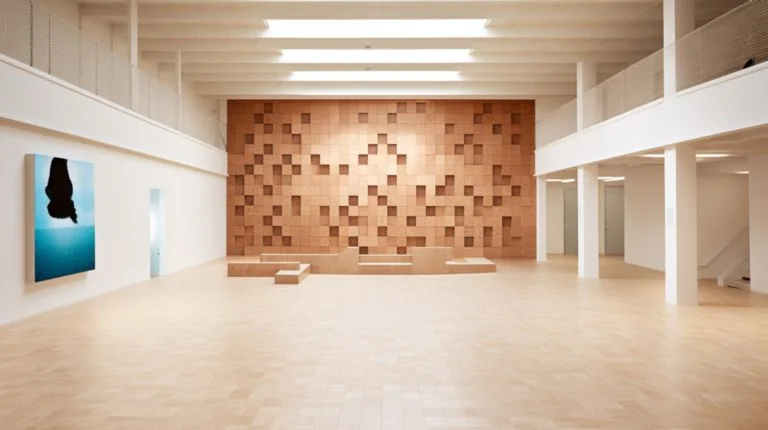
When it comes to reducing noise, not all insulation materials perform equally. Wood wool has become a favorite among architects and builders thanks to its natural composition and impressive acoustic properties. Unlike traditional insulation, it combines sustainability with sound control, providing a balanced solution that enhances comfort, design, and performance.
Understanding How Sound Insulation Works
Sound insulation isn’t just about blocking noise; it’s about controlling how sound moves through materials. There’s a big difference between sound absorption and soundproofing. Absorption manages echo and reverberation inside a space, while soundproofing prevents noise from traveling between rooms. Understanding this distinction helps you choose the right material for your goal.
Every insulation material behaves differently depending on its structure and density. Denser materials usually block sound more effectively, but they may not absorb it as well. On the other hand, porous materials like mineral wool or wood wool panels absorb sound waves rather than reflecting them. Finding the right balance is crucial for creating comfortable acoustic environments.
How insulation is installed plays a bigger role than most people think. Even the best material won’t perform well if it’s poorly fitted or if there are gaps around it. Sound can easily sneak through weak spots, so precise installation ensures that the material delivers on its acoustic potential.
There’s also a big difference between airborne and impact noise. Airborne noise comes from talking, music, or television, while footsteps or vibrations cause impact noise through structures. Effective insulation considers both types because controlling one doesn’t automatically take care of the other. The key is knowing what kind of noise you’re trying to minimize.
What Makes Wood Wool Unique for Acoustic Control
Wood wool stands out because of its clever composition—a mix of natural wood fibers bound with cement. This combination gives it strength and porosity, which means it can absorb sound while remaining durable. Wood wool is not just a construction material; it’s an acoustic solution that brings texture and warmth to any interior.
Wood wool’s open fiber structure makes it so efficient at handling sound. Instead of bouncing off, sound waves get trapped and dispersed through the material’s irregular texture. That’s why it’s often used in ceilings, walls, and acoustic panels where echo reduction and speech clarity matter most.
It’s not just about sound either. Wood wool also offers thermal insulation, making it a practical choice for energy-efficient spaces. Whether used in offices, auditoriums, or classrooms, it helps maintain a steady temperature while reducing noise. It’s one of those rare materials that combines function and sustainability beautifully.
Another major advantage is its eco-friendly nature. Made from renewable resources, wood wool panels are fully recyclable and resistant to moisture and mold. That means they’re safe, durable, and easy to maintain. Wood wool checks all the boxes for people looking to combine aesthetics, comfort, and sustainability.
Traditional Insulation Materials and Their Noise Performance
When people think of insulation, materials like fiberglass, mineral wool, or foam boards usually come to mind. Each has its strengths—fiberglass is affordable and easy to install, mineral wool offers excellent sound and heat insulation, while foam boards work well in specific structural applications. However, not all perform equally in terms of acoustic control.
Fiberglass and mineral wool perform fairly well in terms of sound absorption due to their fibrous texture, but foam boards tend to reflect sound more than they absorb it. The differences often depend on the thickness of the layers and how they’re applied. No insulation material performs perfectly without considering context and environment.
Density and installation can also significantly affect the outcome. A material might look ideal on paper, but improper installation or uneven compression can reduce its sound-absorbing ability. That’s why professionals often stress the importance of following manufacturer guidelines closely during setup to ensure consistent results.
Fire resistance and durability are other deciding factors. Mineral wool, for instance, holds up under high temperatures and doesn’t degrade easily, while fiberglass can lose shape over time if exposed to moisture. These characteristics directly affect both safety and longevity, making it essential to consider more than just noise reduction when making a choice.
Comparing Acoustic Effectiveness: Wood Wool vs. Traditional Insulation
Wood wool often performs impressively across mid and high frequencies when comparing sound absorption coefficients, while materials like fiberglass may do slightly better at lower frequencies. The difference lies in structure—wood wool’s open surface scatters sound energy, while fibrous materials trap it differently. The choice depends on what kind of sound control you need.
Real-world performance can vary, but studies often show that wood wool panels outperform many traditional materials in echo-heavy spaces like offices and classrooms. That’s why architects often use them for ceilings and walls where clear speech and comfort are priorities. Numbers matter, but actual use cases tell the fuller story.
Longevity also gives wood wool an edge. Its rigid structure doesn’t sag or deteriorate easily, unlike fiberglass batts that can shift or compress over time. That means its acoustic properties remain consistent for years, which helps maintain long-term performance without frequent replacements or maintenance.
Installation plays a key role in how both materials perform. Wood wool panels are straightforward to mount and can even be left exposed for aesthetic effect. Traditional insulation, on the other hand, often gets hidden behind walls and ceilings, meaning any future acoustic improvements require more invasive work.
Environmental and Health Considerations
One of the biggest differences between wood wool and synthetic insulation is their composition. Wood wool is a natural and chemical-free option, whereas fiberglass and foam boards often contain synthetic resins or additives. Choosing natural materials can help reduce your exposure to potentially irritating compounds over time.
Air quality inside a building depends heavily on what materials you use. Some traditional insulations emit volatile organic compounds (VOCs), which can lower air quality and cause mild irritation or headaches. Wood wool doesn’t release these substances, making it a safer option for spaces where health and comfort matter most.
Recyclability also plays a role in long-term sustainability. Wood wool panels can be reused or broken down into harmless components, whereas many synthetic materials end up in landfills. For environmentally conscious builders and homeowners, using recyclable materials is a step toward reducing overall waste and carbon footprint.
Worker safety is another practical concern. Installing fiberglass or foam can cause skin irritation or respiratory discomfort without proper protection. Conversely, wood wool is gentler to handle and doesn’t require as much protective gear. That makes the installation process safer and more pleasant for everyone involved.
Wrap Up
Wood wool proves that effective sound insulation doesn’t have to compromise on sustainability or style. It delivers reliable noise reduction, long-lasting durability, and eco-friendly benefits. For anyone seeking both acoustic comfort and visual appeal, it’s a modern upgrade worth considering over traditional insulation options.
