

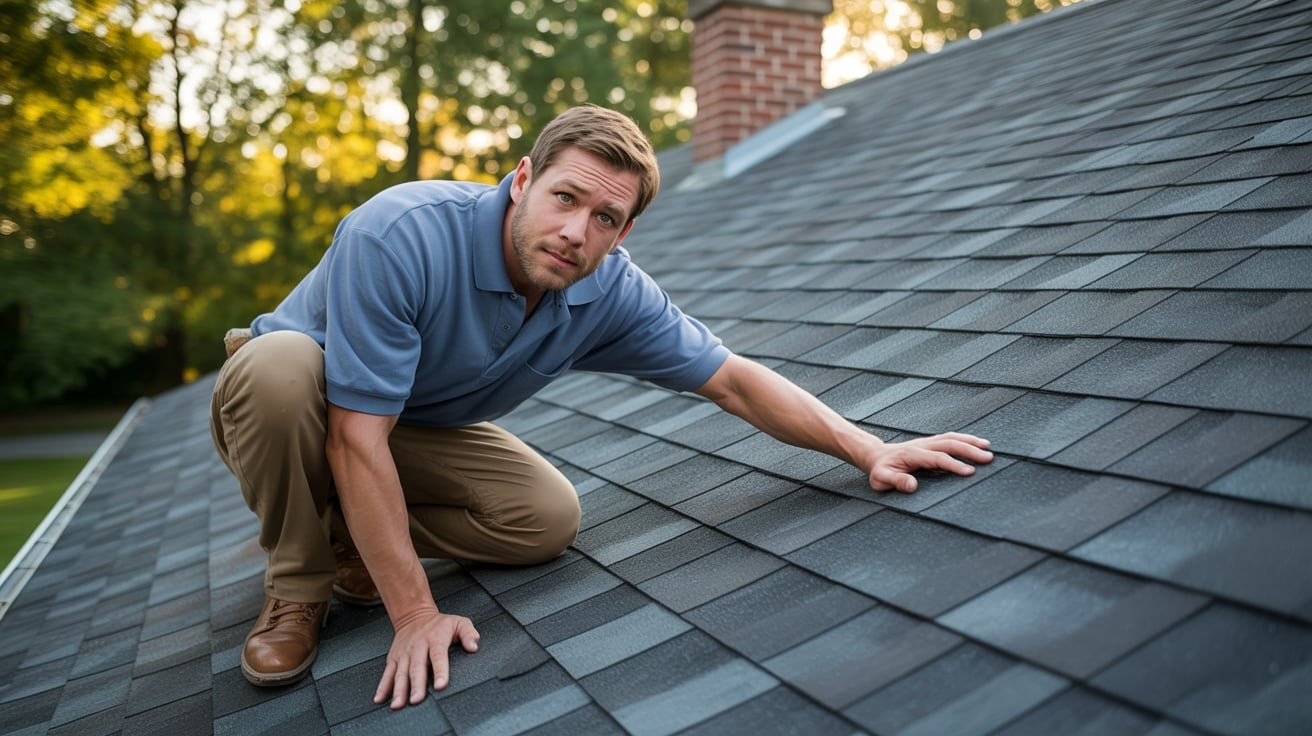
A minor shingle curl or a few granules in the gutter might seem like routine wear, but often, these superficial flaws are merely symptoms of a much bigger problem lurking beneath the surface. The roof is a home’s primary defense, and its visible issues frequently signal systemic failures that go right down to the decking and framing. Catching these early signals is crucial for protecting the entire structure.
Ignoring these seemingly small details allows water intrusion to start its slow, destructive work. Once moisture breaches the underlayment, the resulting rot, mold, and damage can dramatically compromise the home’s structural integrity, escalating the required repair from a simple patch to a complete overhaul.
Hulsey Roofing emphasizes that property owners need to shift their perspective from reactive fixing to proactive diagnosis. Recognizing which seemingly small problems are red flags is the first step toward long-term savings and maintaining a secure, dry living environment above all else.
Early Warning Signs Homeowners Overlook
Many homeowners focus only on the condition of the exterior shingles, missing important indicators visible from inside the house. Water stains on the ceiling are an obvious red flag, but often a slight distortion in the attic drywall or a faint musty odor indicates a problem much earlier.
Subtle inconsistencies in shingle texture, beyond general fading, are also critical to spot. If one section of the roof looks darker or seems to be holding moss while the surrounding area is clean, it could signal a moisture trap caused by improper flashing or poor ventilation below.
Another overlooked sign is excessive wear around vent pipes or chimneys. The material surrounding these penetrations is the most vulnerable area on the roof. Deteriorated caulk or flashing here is almost a guaranteed entry point for water, which quickly moves laterally across the decking.
How Small Roof Issues Escalate Over Time
What begins as a single, cracked shingle creates an exposed pathway. High winds can catch the edge of this crack, lifting the adjacent shingle and exposing the underlayment to the elements, multiplying the vulnerability of the entire area.
Once water reaches the underlayment, the material degrades, losing its waterproof capabilities. This exposes the wooden roof decking itself, which begins to soften and rot, losing its load-bearing strength and creating an uneven surface where shingles can no longer adhere properly.
This deterioration forms a vicious cycle: compromised decking causes shingles to fail faster, leading to more water intrusion, and greater structural damage. A small, inexpensive repair deferred today becomes a five-figure replacement job remarkably quickly due to this compounding effect.
The Connection Between Roofing and Home Systems
A roof’s function is intrinsically linked to the home’s overall thermal envelope. Proper ventilation, which prevents heat and moisture from building up in the attic, is essential for keeping the house cool in the summer and preventing ice dams during the winter.
If roof vents are blocked or insufficient, the superheated air in the attic cooks the shingles from below, drastically shortening their expected lifespan. Meanwhile, poor insulation combined with ventilation issues can cause massive heat loss during winter, wasting energy.
Furthermore, inadequate attic ventilation allows moisture from interior sources, like bathing and cooking, to condense on the underside of the roof deck. This hidden dampness is the perfect breeding ground for toxic molds and mildews that compromise indoor air quality.
Weather Exposure and Long-Term Wear
Climate plays a significant role in determining how quickly a roof breaks down. In areas with extreme heat, the relentless sun bakes asphalt shingles, evaporating the essential oils that keep them flexible and causing them to become brittle and prone to cracking.
In regions prone to hailstorms or heavy snow loads, the physical stress is more immediate. Even small hail impacts can bruise the surface of a shingle, and the repeated freeze-thaw cycles of heavy snow can separate flashing and enlarge small cracks in the roofing material.
Wind is perhaps the most insidious enemy, constantly testing the edges of the shingles. Over time, persistent high winds slowly loosen fasteners and lift shingle tabs, gradually compromising the entire field of the roof and creating huge gaps for rain and snow melt to enter.
Why Early Evaluation Matters
Proactive inspection allows a homeowner to transition from a cycle of costly, reactive emergencies to a planned, budgeted maintenance schedule. Knowing the roof’s true condition enables the scheduling of repairs before a critical failure occurs during a major storm event.
Ignoring warning signs also forfeits control over the situation. A small leak discovered during a heavy rain often requires immediate, expensive action under stress, whereas a planned repair can be scheduled for optimal weather and labor rates.
Timely professional evaluation, even in the absence of obvious leaks, provides a clear, documented assessment of the roof’s remaining service life. This simple step gives the homeowner peace of mind and the necessary information to protect their property investment long term.
