

Your deck sees it all. Summer barbecues. Morning coffee moments. Kids running around with wet feet.
However, here’s what most homeowners often overlook.
Without the right stain, that beautiful wood starts looking rough in just two seasons. Sun damage. Water stains. That gray, weathered look nobody wants.
Choosing a deck stain isn’t rocket science. But it does matter more than you think.
The right stain protects your investment. It keeps UV rays from cooking the wood. It stops moisture from seeping in and causing rot.
Plus, it makes your deck look amazing.
You have options, though. Different transparency levels give different looks. Some stains last longer than others. And your wood type affects which stain works best.
Want to stop guessing and start protecting? Let’s break down what you actually need to know.
List of 7 Types of Deck Stain
Seven distinct deck stain options offer different levels of wood coverage, color intensity, durability, and maintenance requirements for every project need.
1. Clear Deck Stain (Toner)
Best For
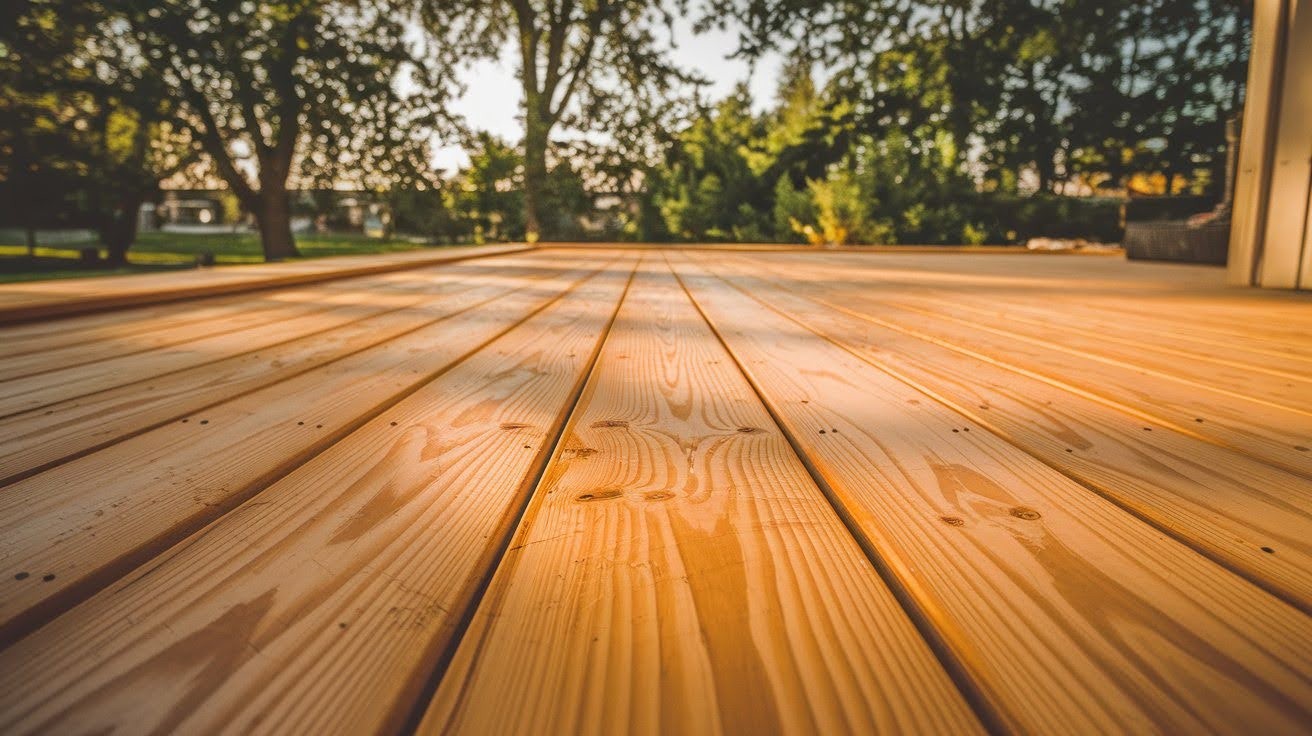
Got brand new cedar or premium hardwood? This is your match.
Clear stain lets that gorgeous natural grain shine through. No color added. Just pure wood beauty.
Pros & Cons
- You get that rich, natural look everyone loves. The wood stays true to its original color.
- But here’s the catch.
- Clear stain has the shortest lifespan. We’re talking 1 to 2 years max. Then you’re back to square one.
- The trade-off? Natural beauty now, more maintenance later.
2. Transparent Deck Stain
Best For
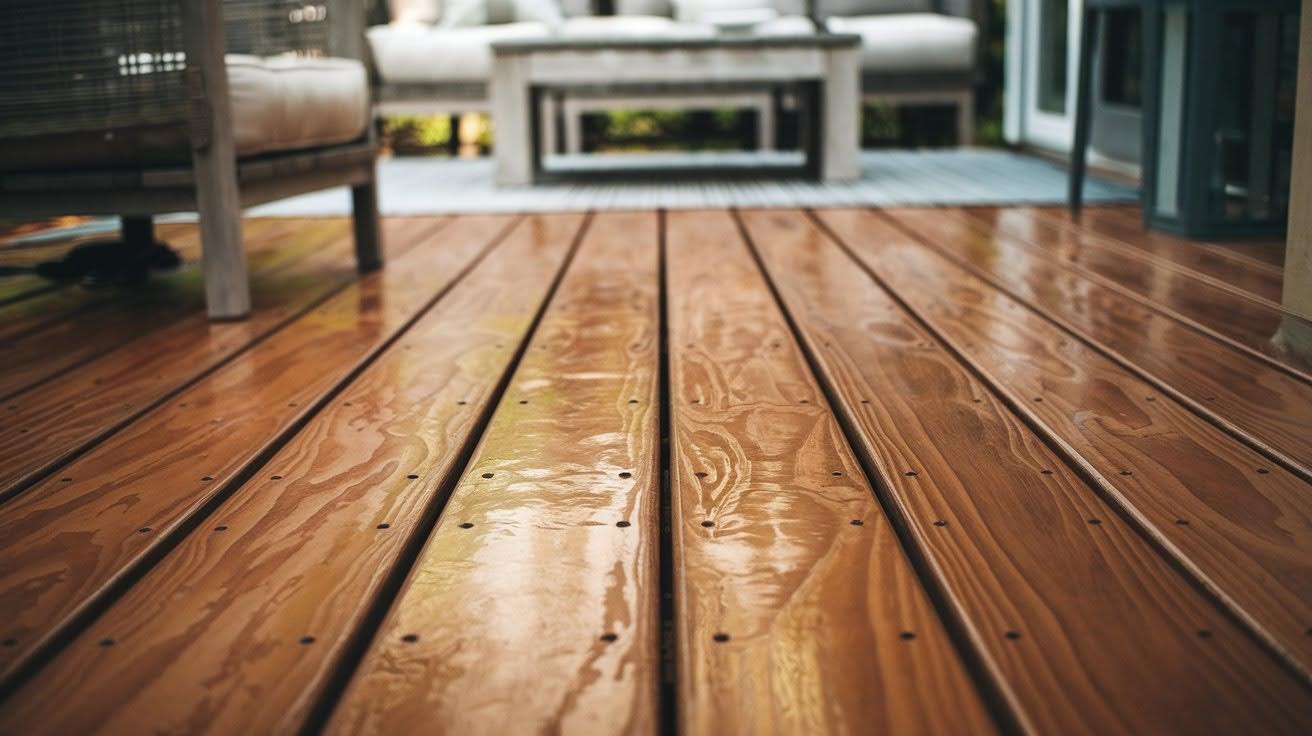
Want natural wood with just a hint of color? Transparent stain gives you both.
Perfect for homeowners who love wood grain but want a slight color enhancement.
Pros & Cons
- Your wood character stays front and center. The grain pops. The natural texture shows through.
- The downside? You’ll need to reapply more often than darker stains.
- Think of it as maintaining a sports car. Looks amazing. Needs regular attention.
3. Semi-Transparent Deck Stain
Best For
This is the sweet spot for most deck owners.
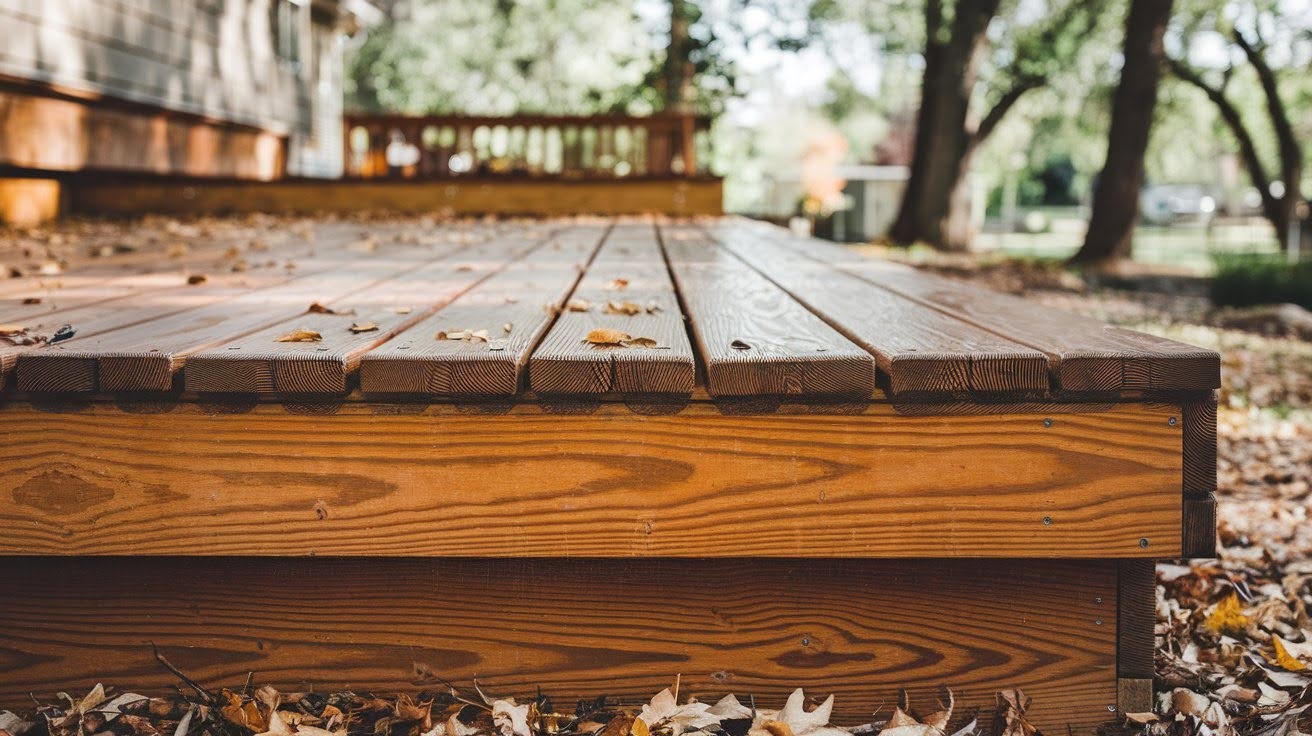
Got an older deck that needs color, but you still want to see the grain? Semi-transparent delivers.
Pros & Cons
- It’s the most popular choice for good reason. You get beauty and protection in one package.
- The wood grain stays visible. The color adds character. And you get decent protection.
- Recoating happens every 2 to 3 years. Not too often. Not too rare.
4. Semi-Solid Deck Stain
Best For
Mixed wood tones driving you crazy? Visible imperfections making your deck look rough?
Semi-solid stain evens things out.
Pros & Cons
- More coverage than semi-transparent. Less natural than clear options.
- You keep some wood texture visible. But problem areas get covered up nicely.
- It’s like wearing a light jacket. You’re still you, but with better coverage.
5. Solid Deck Stain
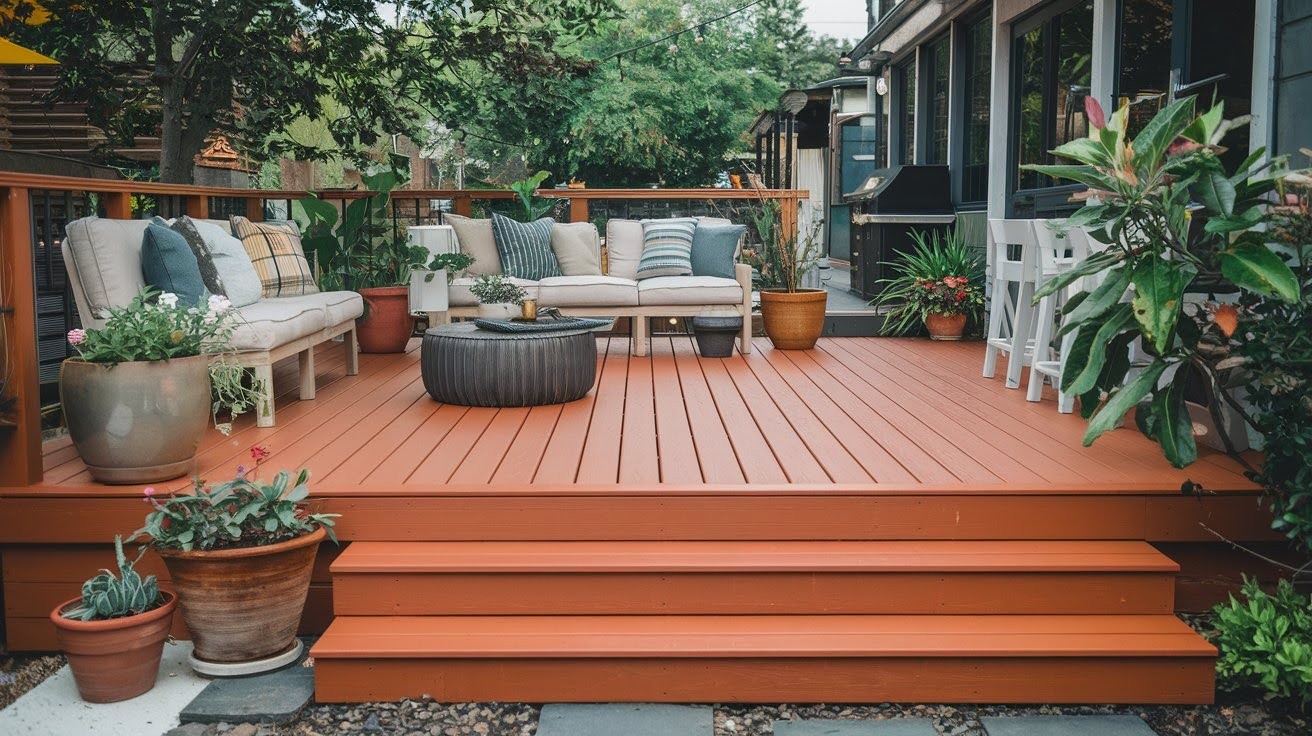
Best For
Older decks that have seen better days. Maximum color coverage needed.
When your deck looks weathered and worn, a solid stain gives it new life.
Pros & Cons
- This lasts the longest. We’re talking 5 to 7 years between coats.
- But there’s a trade-off.
- You lose the wood grain completely. And if you change your mind later? It’s tough to reverse.
- Think paint, but for decks.
6. Restoration or Resurfacer Deck Stain
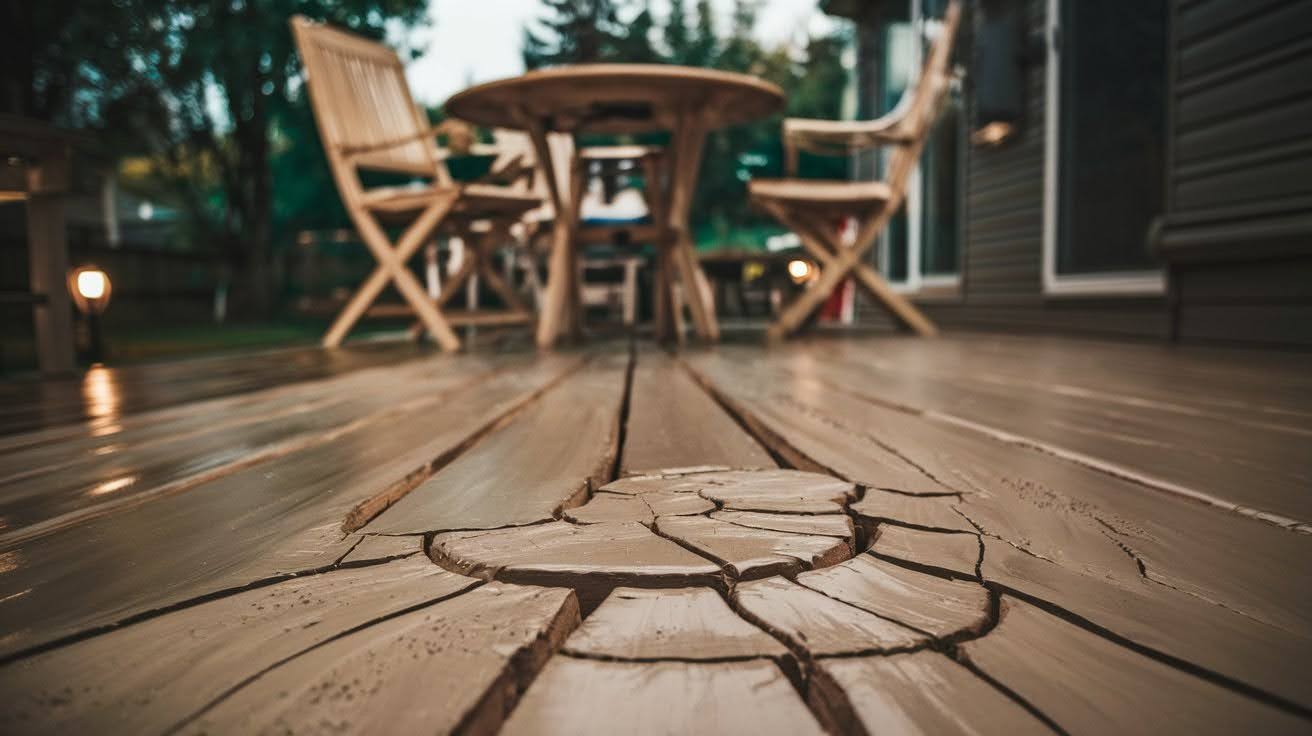
Best For
Deck looking rough? Splinters, cracks, and worn spots everywhere?
When replacement isn’t in the budget, restoration stain saves the day.
Pros & Cons
- The thick coating fills in cracks. It hides major flaws. Your deck looks renewed.
- But you get the least natural look possible. It’s function over form.
- Perfect for buying time before a full deck replacement.
7. Oil vs Water-Based Deck Stain (Formulation Type)
Oil-Based Stains
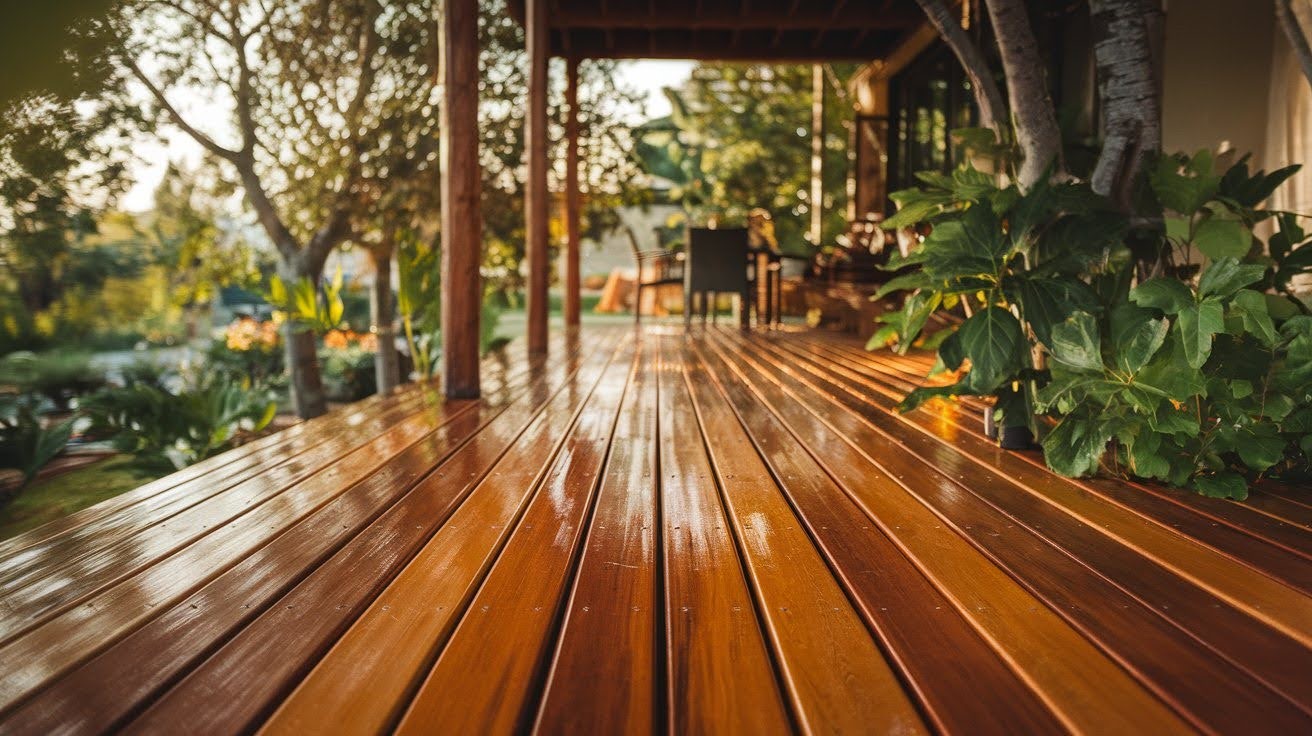
Deep penetration into the wood. Rich, vibrant colors that pop.
Application is forgiving. Make a mistake? You can usually fix it.
Watch out for VOC restrictions in your area, though.
Water-Based Stains
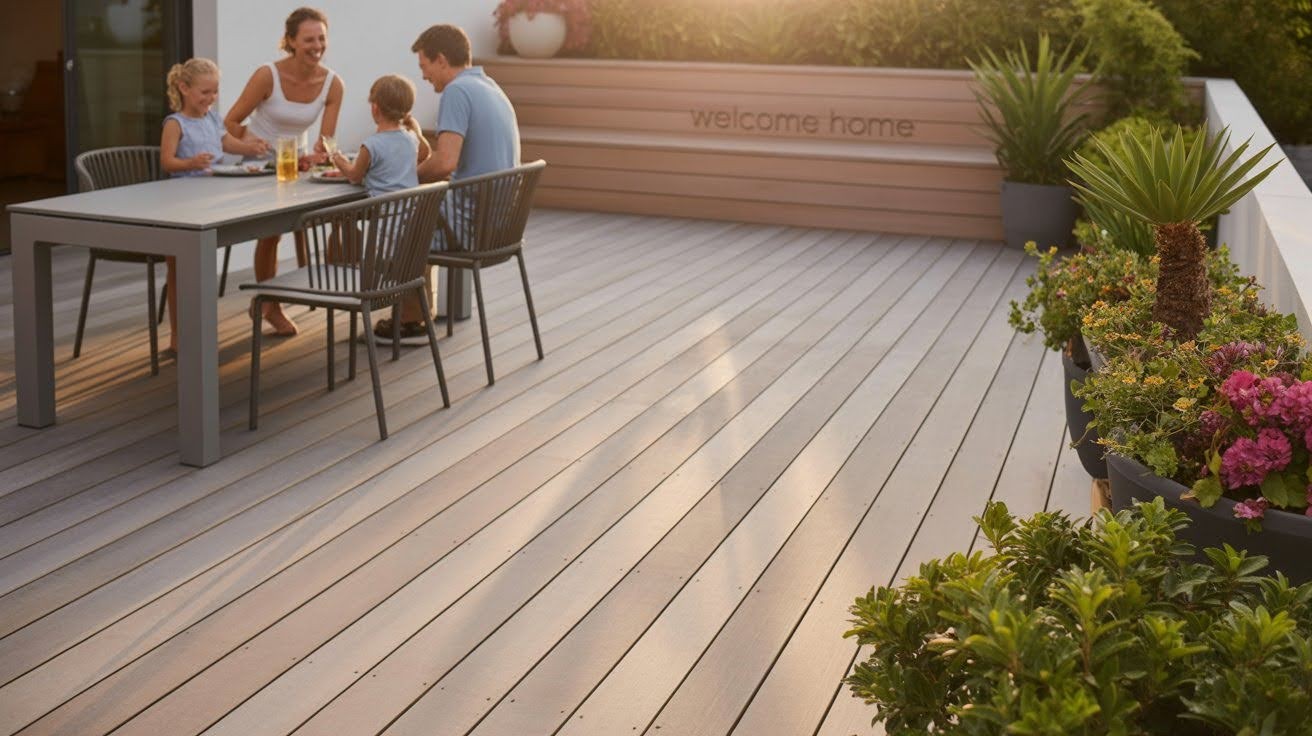
Dries fast. You can walk on it sooner.
Eco-friendly formula. Easy cleanup with soap and water.
Strong adhesion means it sticks well to prepared surfaces.
Hybrid Stains
Want the best of both worlds?
Hybrid stains give you oil-like penetration with water-based cleanup convenience.
Good durability. Lower VOCs. The middle ground many contractors prefer.
How to Choose the Right Deck Stain Type
Picking the wrong stain costs you time and money. Here’s how to get it right the first time.
Consider Climate & Exposure
Your local weather plays a huge role in stain performance.
Live somewhere with intense sun? UV rays break down lighter stains faster.
Dealing with lots of rain? You need better moisture protection.
Cold winters with freeze-thaw cycles? Some stains crack under pressure.
Match your stain choice to what Mother Nature throws at your deck.
Factor in Wood Age & Condition
New deck? You have more options.
That fresh wood can handle clear or transparent stains beautifully. The grain looks amazing. The color stays true.
But weathered decks tell a different story.
Older wood often needs more coverage. Semi-solid or solid stains hide imperfections better.
Gray, worn boards? Go with more opacity. Your deck will thank you.
Long-Term Maintenance
Think beyond this weekend’s project.
Clear stains look great but need attention every 1-2 years. Are you up for that?
Solid stains last 5-7 years but require more prep work when it’s time to recoat.
Budget your time and effort now. It saves headaches later.
The best stain type matches your maintenance style, not just your aesthetic preferences.
Conclusion
After years of staining decks, I’ve learned one thing. The right choice depends on your specific situation.
You now know all seven stain types. Clear for natural beauty. Transparent for slight enhancement. Semi-transparent for balanced protection. Semi-solid for coverage. Solid for maximum durability. Restoration for problem decks. And the oil versus water-based decision.
Here’s my advice after countless projects.
Look at your wood condition first. Consider your climate second. Think about maintenance third.
A deck owner in Arizona needs different protection than someone in Seattle. Brand new cedar requires different care than weathered pressure-treated lumber.
Stop second-guessing yourself. Pick the stain that matches your reality, not your Pinterest dreams. Your deck will look better and last longer.
Frequently Asked Questions
What’s the difference between clear and transparent deck stain?
Clear stain protects without adding any color to your wood. Transparent stain offers the same natural look but adds a slight tint to enhance the wood’s original color.
How often do I need to reapply deck stain?
Clear and transparent stains typically need reapplication every 1-2 years. Semi-transparent requires recoating every 2-3 years, while solid stains can last 5-7 years between applications.
Can I apply a darker stain over a lighter one?
Yes, you can generally apply a darker stain over a lighter existing stain. However, going from dark to light requires stripping the old stain first, which adds time and effort to your project.
Should I choose oil-based or water-based deck stain?
Oil-based stains penetrate deeper and offer richer colors but take longer to dry. Water-based stains dry faster, clean up more easily, and are more environmentally friendly with lower VOC content.
What type of stain works best for old, weathered decks?
Semi-solid or solid stains work best for older decks with imperfections. These options provide better coverage to hide weathering, discoloration, and minor surface flaws while still protecting the wood.
