

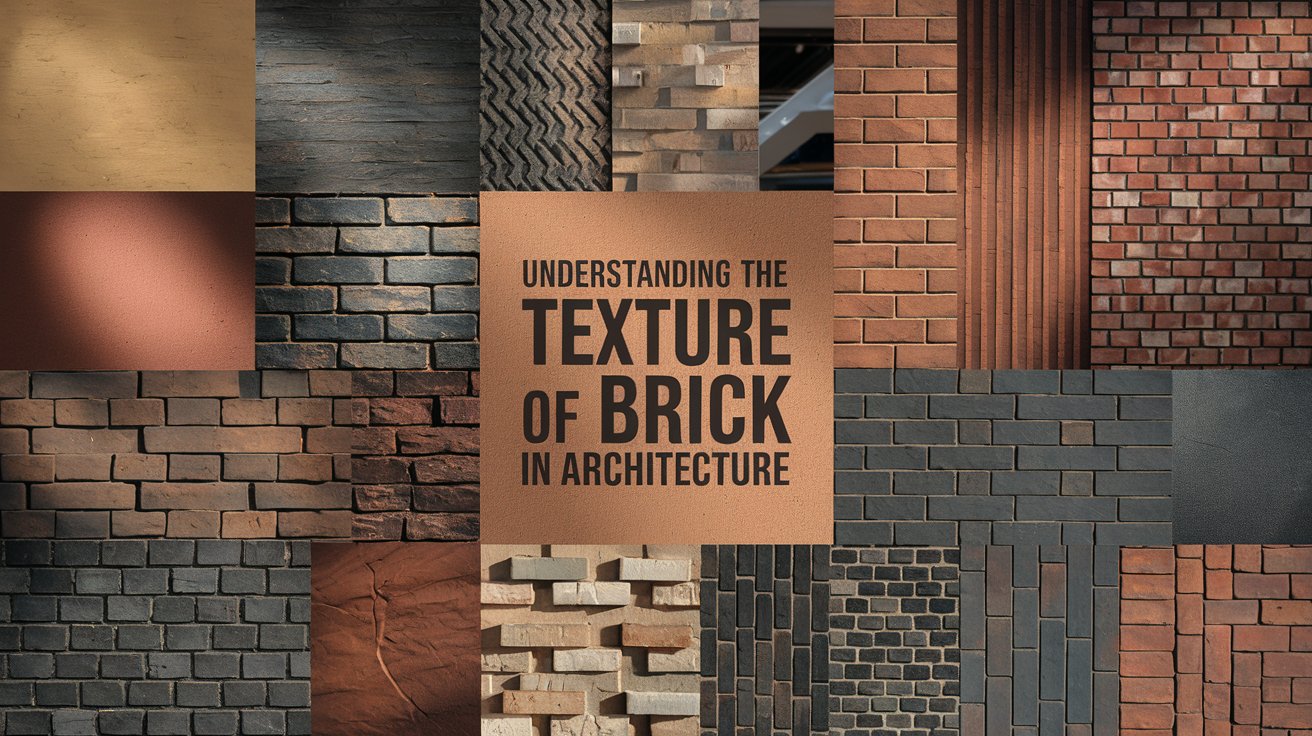
The right brick finish can either make or break a building. I have applied many different brick finishes over the years so I know how confusing the selection can be. Whether smooth, rough or antique, each point is different.
In the following sections, I will break down brick textures with information on how to style them to your design.
The best finishes for exterior and interior walls and outdoor spaces will also be discussed. I’ll also explain why texture is more important than most people think.
At this point, you should have a pretty good idea of what kind of brick texture you’re looking for.
Why Brick Texture Matters
Brick texture does more than look good. It shapes the entire feel of a space. The surface you choose affects how people experience your building.
Texture adds visual interest and depth. Smooth bricks create clean lines. Rough surfaces bring drama. Different textures match different styles. Modern homes love sleek finishes.
Traditional buildings shine with rustic surfaces. Textured surfaces catch light differently throughout the day. This creates movement and life on your walls.
Durability matters when picking texture. Smooth surfaces resist dirt and water better. Rough textures can trap moisture if not sealed properly. Indoor bricks can be decorative.
Outdoor bricks must handle weather changes. Flat surfaces clean easily. Deep grooves need more attention. Choose based on how much upkeep you can handle.
Common Types of Brick Textures
Each texture type brings its own character. Understanding your options helps you make smart choices.
Matte and Smooth Textures
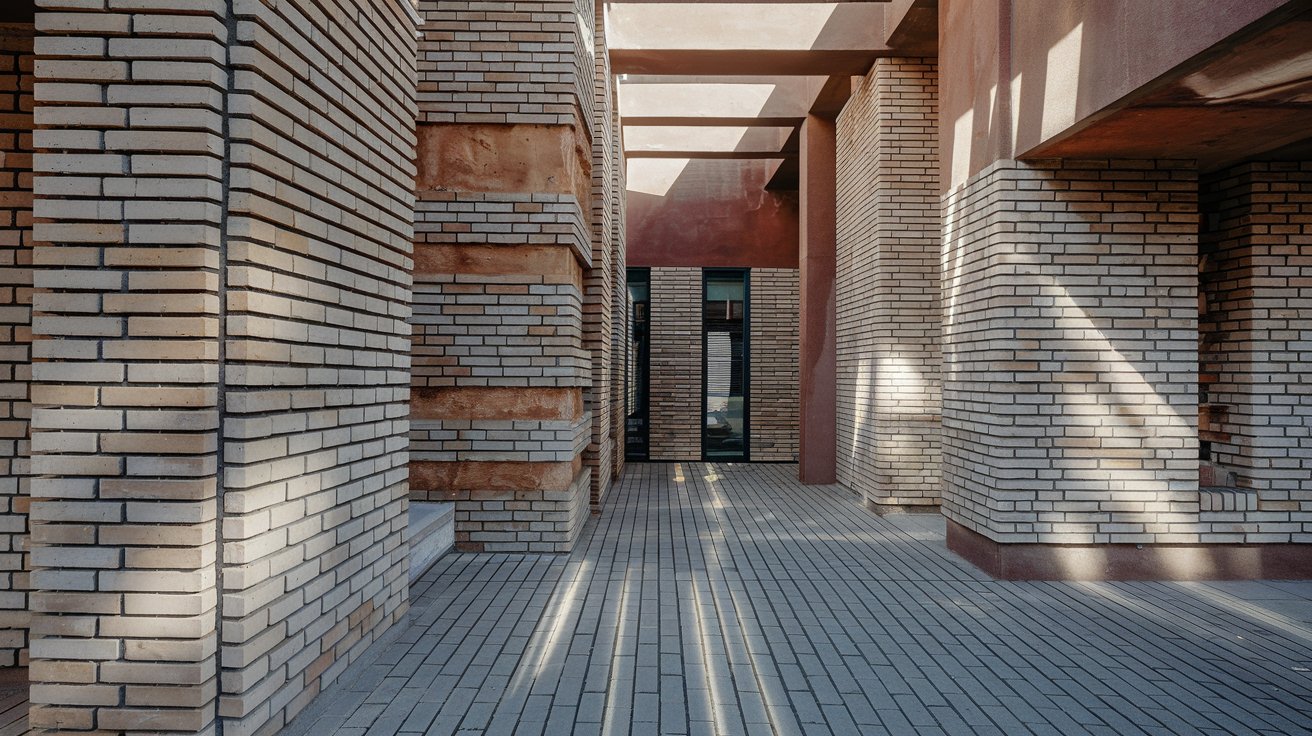
These bricks have flat, even surfaces. They feel soft to touch. No bumps or ridges interrupt the plane.
Smooth textures work beautifully in modern spaces. They create minimalist looks. Clean lines dominate the design.
Use them for contemporary homes. They suit offices and urban apartments. The sleek finish feels fresh and current.
Antique and Old-Fashioned Textures
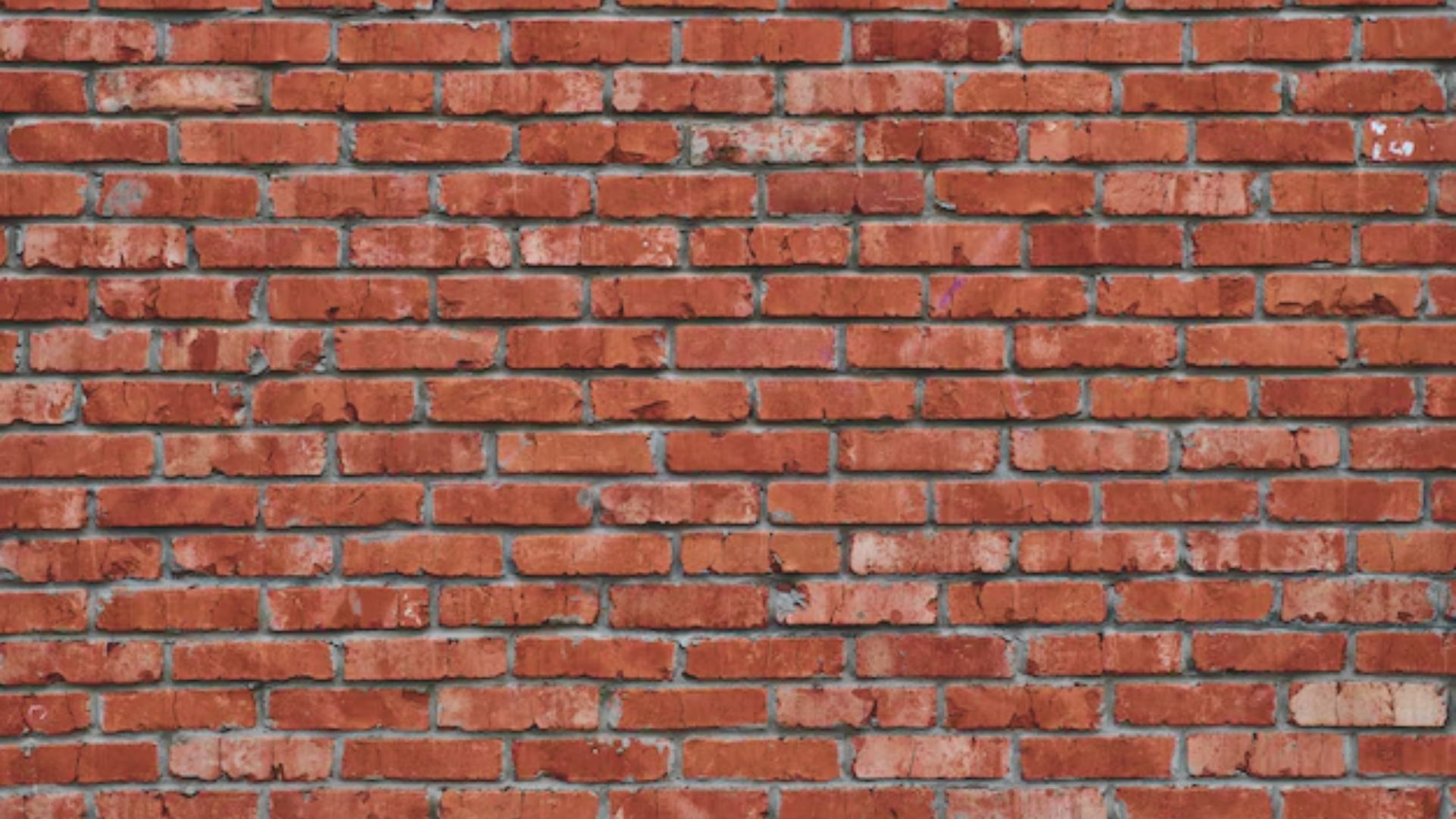
These bricks look aged and weathered. They have irregular edges. Some feature small dents and worn spots.
Tumbled bricks create authentic vintage appeal. They tell stories of time passed. The imperfections add warmth.
Perfect for heritage restoration projects. Use them as accent walls. They bring historic charm to new buildings.
Rough and Chiseled Textures
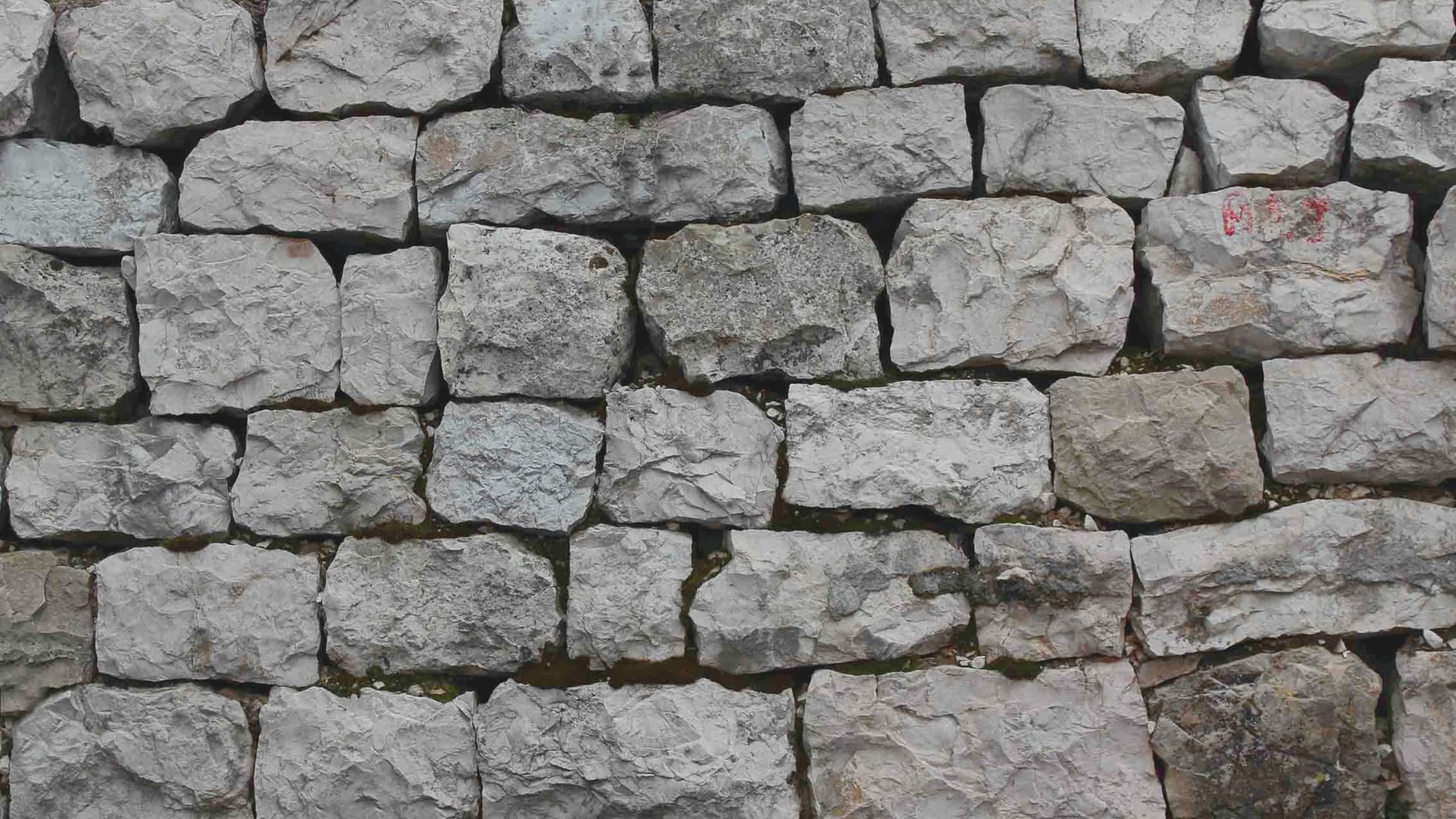
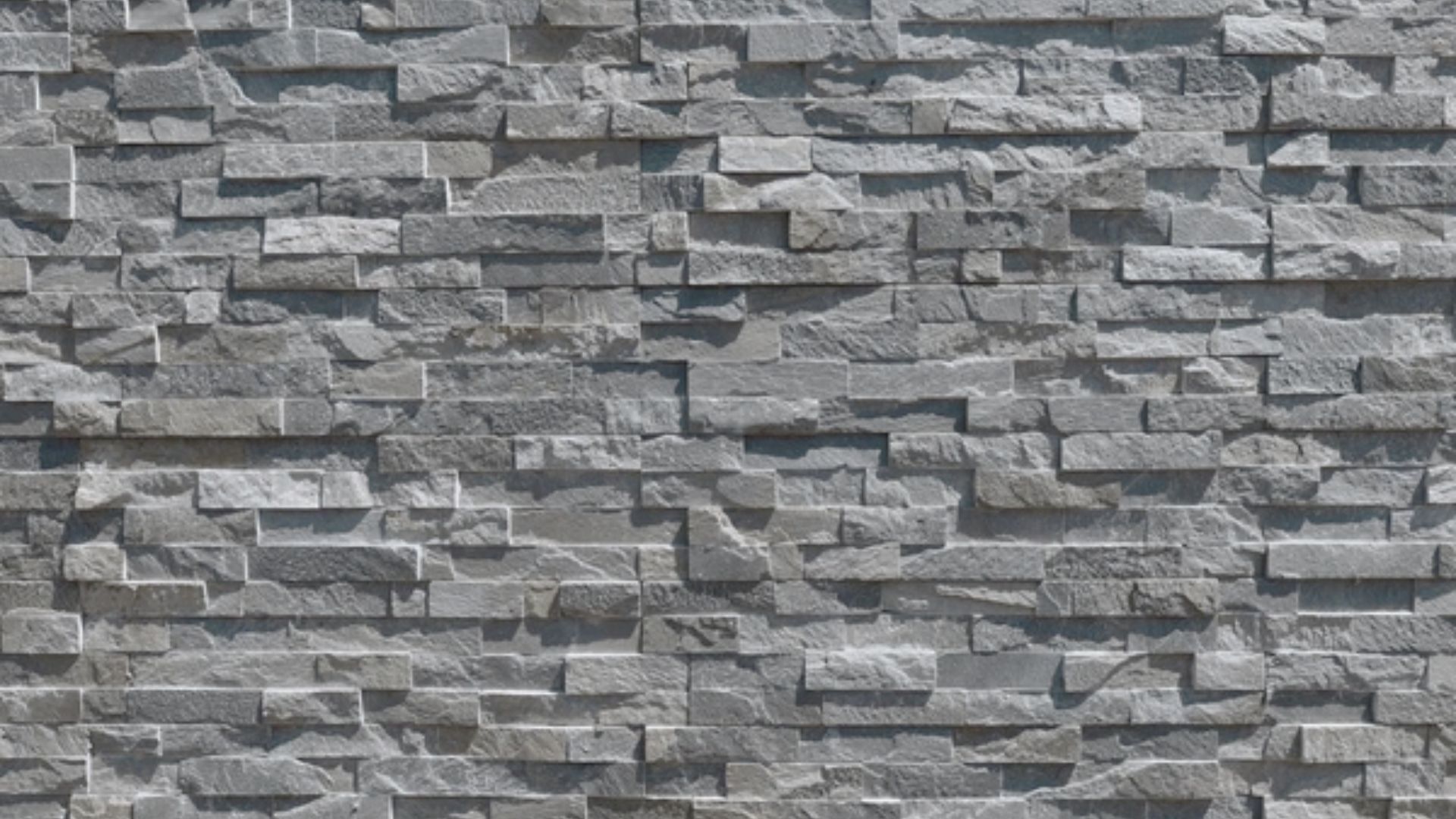
Deep ridges mark these surfaces. The patterns look hand-carved. Edges appear jagged and uneven.
These textures make bold statements. They add raw, natural energy. The rugged look feels authentic and strong.
Best for feature walls that grab attention. Restoration projects benefit from this texture. They work well in industrial-style spaces.
Scratch and Artisanal Textures
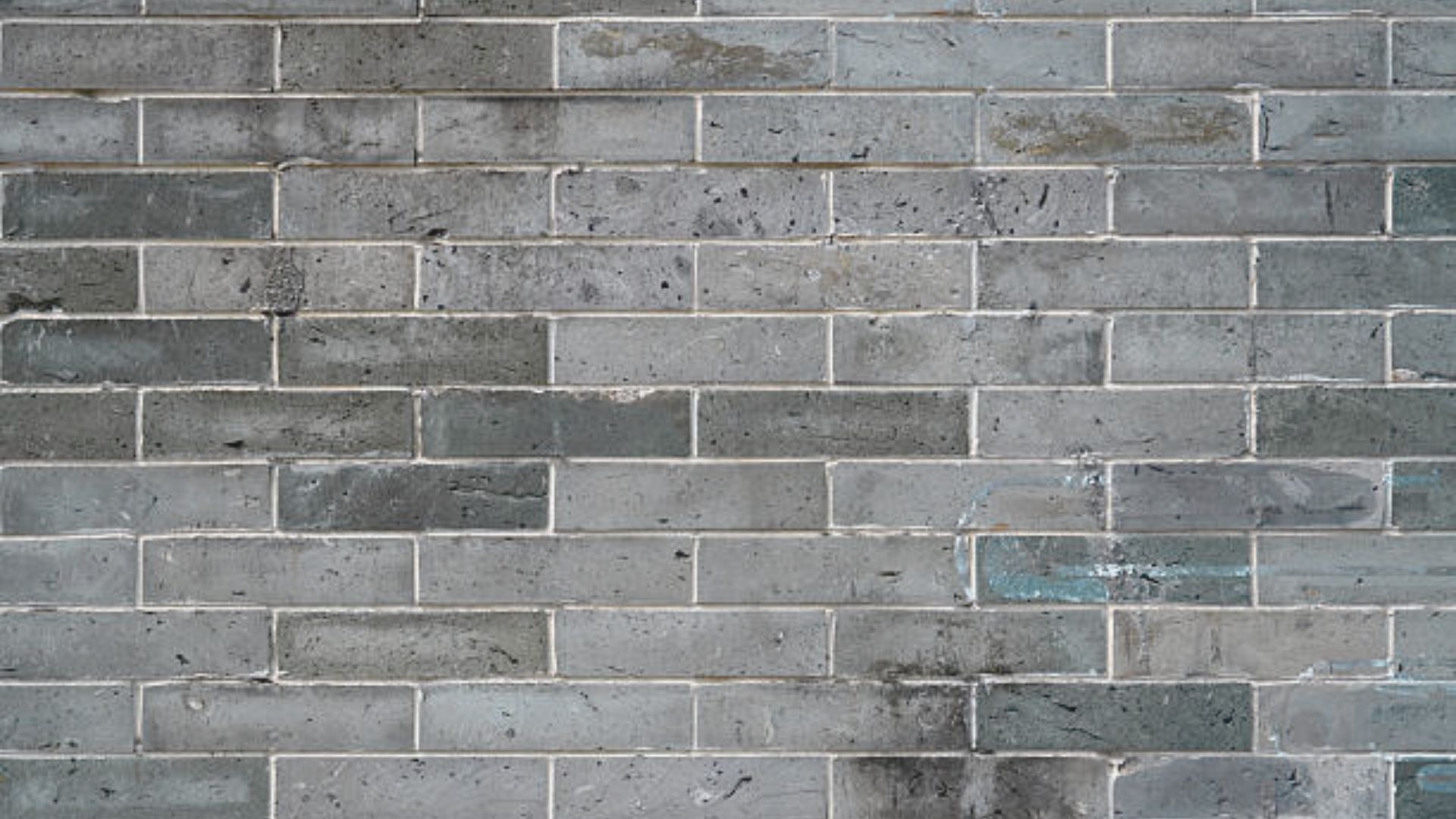
Subtle lines cross these surfaces. They look handmade and crafted. Fine engravings create detailed patterns.
This texture adds refined beauty. It feels artistic without being loud. The craftsmanship shows in every detail.
Great for upscale interiors. Use on fireplace surrounds. They improve facades with understated beauty.
Coated and Mudstone Textures
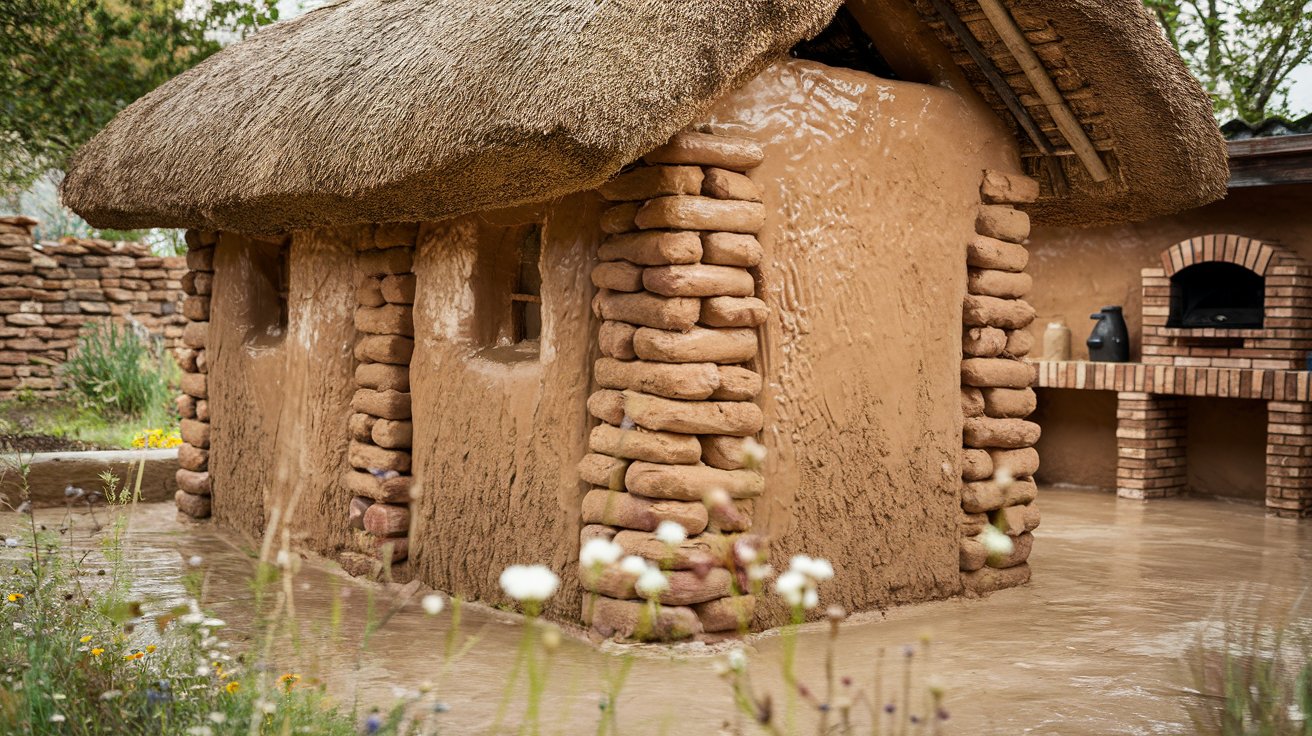
A wet slurry covers these bricks. The coating creates earthy, raw surfaces. They look organic and natural.
This technique produces old-world charm. The finish feels textured and tactile. Colors appear deeper and richer.
Choose this for rustic cottages. Garden walls look beautiful with this texture. It brings warmth to outdoor kitchens.
Choosing the Right Texture for Your Project
Brick texture selection requires careful thought. Your choice affects the entire project outcome.
Matching Texture with Design Vision
Modern designs call for smooth, clean textures. The simplicity supports minimalist goals. Lines stay sharp and precise.
Rustic styles need rough, aged surfaces. Imperfections add character here. The texture tells a story.
Traditional homes work with classic finishes. Medium textures balance old and new. They feel timeless and comfortable.
Color and Material Considerations:
Texture changes how color appears. Rough surfaces create shadows that darken hues. Smooth bricks reflect light and brighten colors.
Material type affects texture options. Clay bricks offer different finishes than concrete. Each material has unique possibilities.
Test samples in your actual lighting. Colors shift between indoor and outdoor settings. See how texture and color work together.
Budget and Maintenance:
Specialty textures often cost more. Hand-finished bricks require skilled labor. Machine-made smooth bricks run cheaper.
Consider long-term maintenance costs. Complex textures need regular cleaning. Smooth surfaces save time and money.
Factor in sealing and protection. Some textures require special treatments. This adds to your total investment.
Applications of Brick Textures in Architecture
Texture placement affects your design impact. Different areas call for different approaches.
Exterior Facades
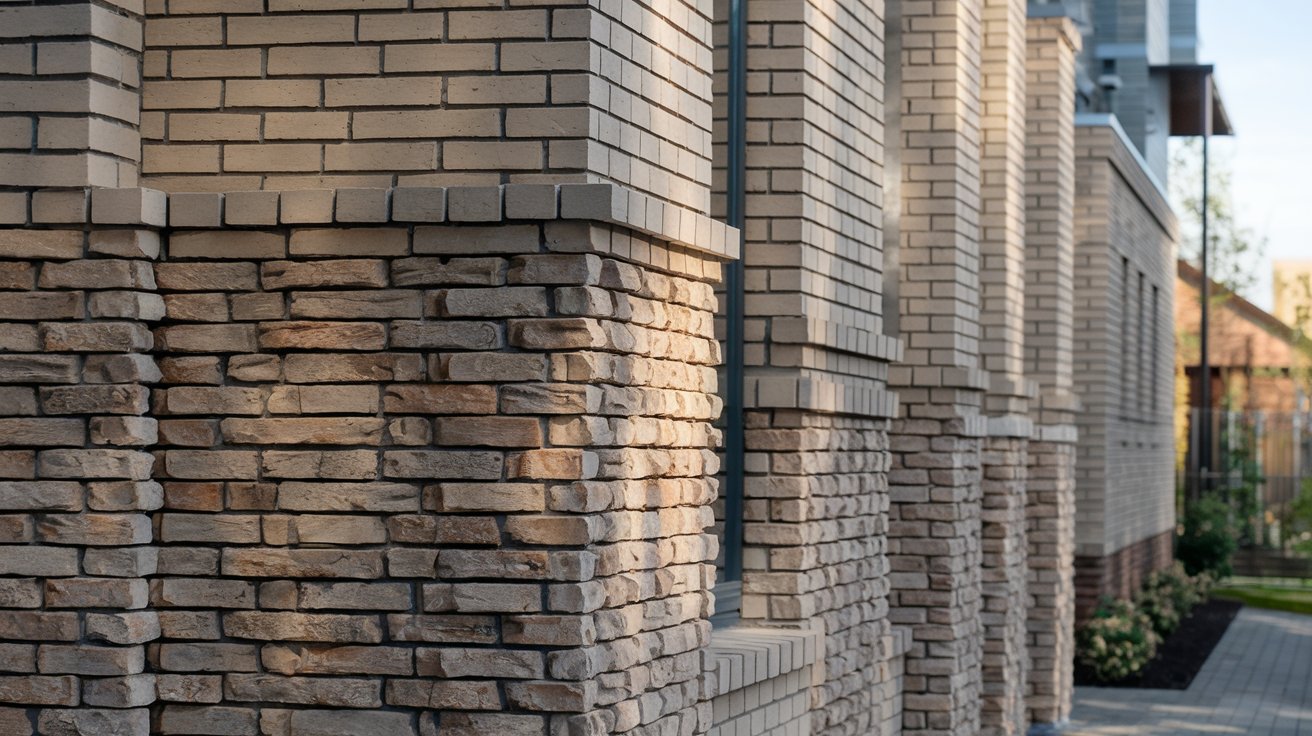
Your building’s face makes the first impression. Texture creates immediate visual impact. It defines how people see your structure.
Mix textures for dimensional interest. Use rough brick on lower levels. Add smooth finishes higher up.
Consider your neighborhood context. Texture should complement surrounding buildings. Stand out without clashing.
Weather resistance matters here. Choose textures that handle your climate. Durability keeps facades looking great.
Interior Design
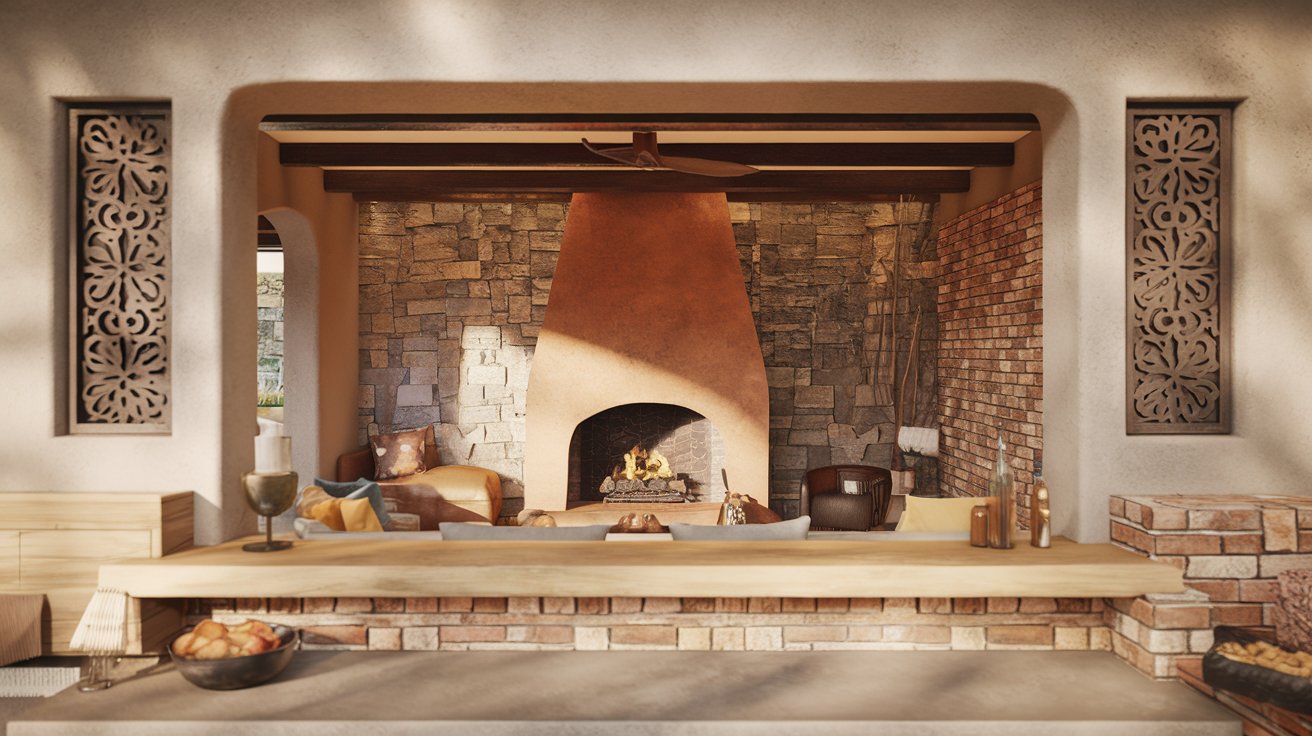
Feature walls become focal points with texture. A brick fireplace adds warmth and charm. The right surface draws eyes naturally.
Kitchen backsplashes benefit from smooth textures. They clean easily and resist stains. Decorative panels add interest without maintenance headaches.
Living spaces feel cozier with textured accent walls. The depth creates intimate atmospheres. Natural materials ground modern interiors.
Landscaping and Outdoor Spaces
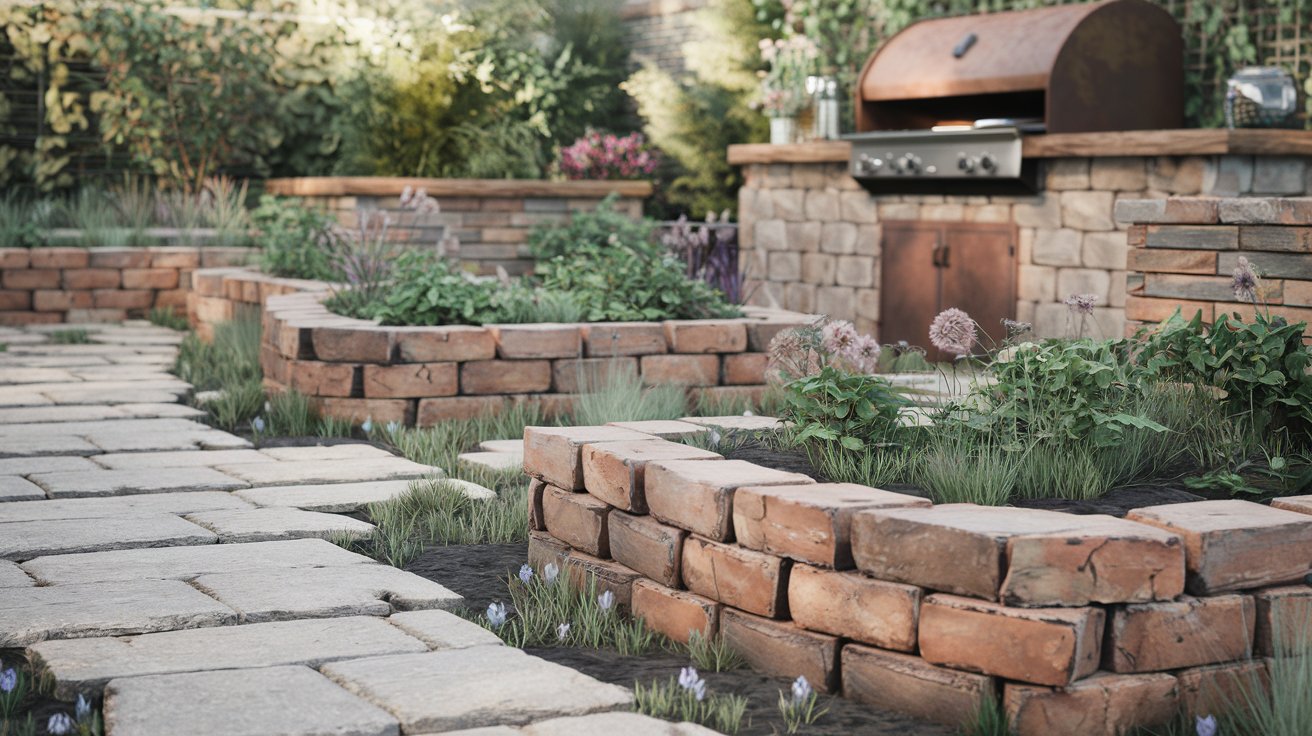
Garden walls look beautiful with rough textures. They blend naturally with plants and earth. The organic feel improves outdoor rooms.
Pathways need durable, flat surfaces. Smooth bricks provide safe walking. The clean look stays tidy.
Outdoor kitchens shine with rustic textures. They create gathering spaces full of character. The texture handles heat and weather.
Tips for Visualizing and Customizing Brick Textures
Planning ahead prevents costly mistakes. Smart tools help you see results before building.
- Use online brick wall designers. These tools let you experiment freely. Try different textures side by side.
- 3D modeling software shows realistic previews. You can walk through virtual spaces. This helps you understand scale and impact.
- Request physical samples from suppliers. Photos never capture texture accurately. Touch and see bricks in person.
- Combine multiple textures for unique effects. Mix smooth and rough in one wall. Create patterns that express your style.
- Visit completed projects for inspiration. See how textures age over time. Learn from real-world applications.
- Take lighting into account during planning. Morning sun hits differently than afternoon light. Test samples at various times.
- Work with experienced masons who understand texture. Their skills bring your vision to reality. Quality installation makes all the difference.
Conclusion
I still remember running my hand across a sample of reclaimed brick and immediately knowing it was *the one* for my kitchen backsplash. That texture of brick brought warmth I didn’t know was missing.
It will feel right when you walk into those showrooms, so trust your gut. And really stand there for a moment with the samples and think about them in your light.
Did you notice anything unusual regarding the bricks? Leave a comment below. Let us know more about your project. I will help you to make the perfect choice.
Frequently Asked Questions
What is the most durable brick texture for outdoor use?
Smooth and matte textures last longest outdoors. They shed water easily and resist weathering. Rough textures need proper sealing to prevent moisture damage.
Can I mix different brick textures in one project?
Yes, mixing textures creates visual interest. Use smooth bricks for main walls and rough textures for accents. Just ensure colors and styles complement each other.
How do I clean textured brick walls?
Smooth bricks need water and mild soap. Rough textures require soft brushes to reach grooves. Avoid pressure washing on antique textures to prevent damage.
Are textured bricks more expensive than smooth ones?
Specialty textures like chiseled finishes cost more due to extra labor. Standard smooth or matte bricks are the most budget-friendly option.
Which brick texture works best for modern homes?
Smooth and matte textures suit modern buildings best. They create clean lines and minimalist looks that complement contemporary design.
