

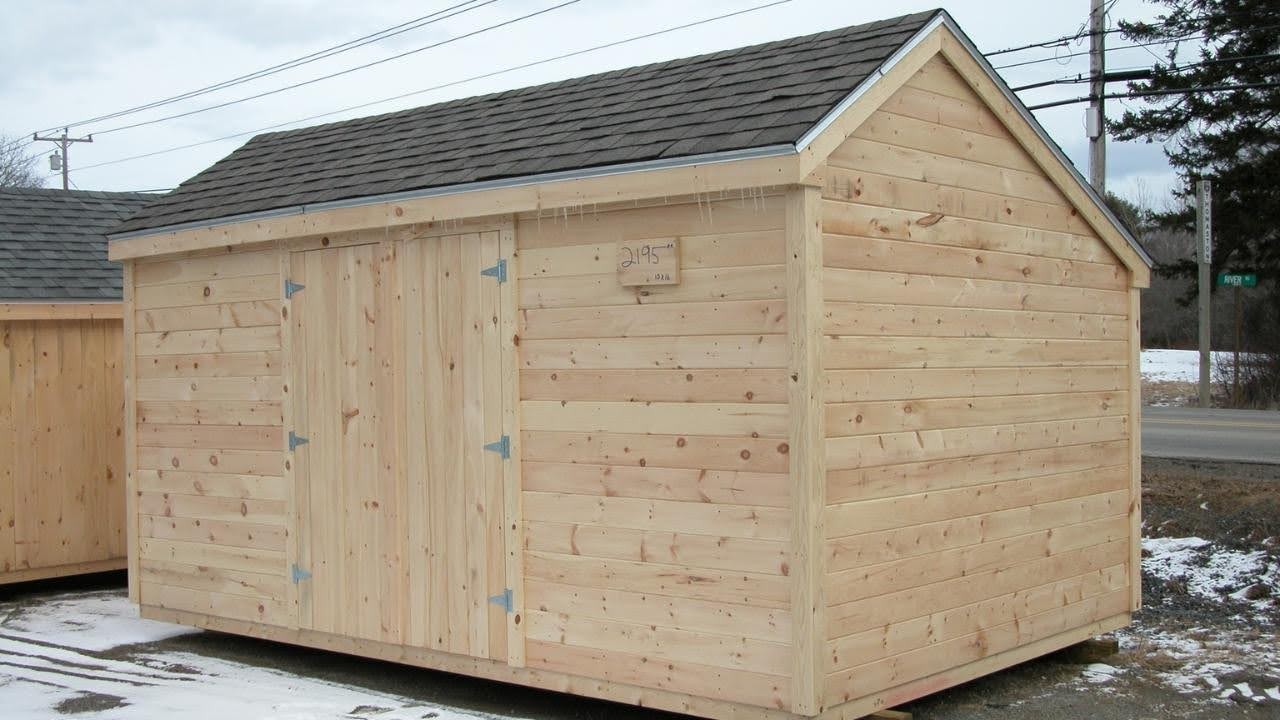
When adding extra space to your property, choosing the right storage building is key to maximizing functionality, aesthetics, and compliance with local regulations. Whether you have a compact urban lot or an expansive rural acreage, storage building options today range widely in size, materials, and styles-allowing you to find the perfect fit for your needs. This guide will help you navigate the choices for every lot size, with tips on design, insulation, and permits to ensure your project is successful.
Small Lots: Compact and Efficient Storage Solutions
For homeowners with limited outdoor space-typically 1,000 to 2,500 square feet-space-saving designs like storage sheds from Keter offer an ideal combination of form and function. These modular, easy-to-install sheds are made from durable resin or plastic that resist the weather and require minimal upkeep. Because many jurisdictions do not require permits for sheds smaller than 120 square feet and under 8 feet tall, these units provide hassle-free storage for garden tools, bicycles, and seasonal equipment.
When planning for a small lot, consider vertical storage options and wall-mounted organizers inside the shed to maximize usability without expanding the footprint. Also, keep in mind setback requirements from property lines, which commonly range from 3 to 5 feet depending on local codes.
Medium Lots: Versatile Barns and Custom Buildings
Properties ranging from roughly 2,500 square feet to an acre offer greater flexibility for larger storage buildings, such as pole barns, garages, or prefabricated wooden and metal structures. These medium-sized lots open the door to customizing your storage space with upgraded roofing, natural-light windows, and insulation options to accommodate year-round use.
For metal structures, upgrading insulation with retrofit metal building insulation from CMI Insulation can significantly improve energy efficiency by reducing heat transfer and condensation. This is especially vital if you plan to use your storage area as a workshop or for temperature-sensitive items.
Beyond size and materials, consider ease of access for vehicles or equipment. Designing wide doors and proper driveways can save time and effort during loading or unloading.
Large Lots: Maximizing Space for Farming and Commercial Storage
With lots larger than one acre, property owners can create multiple buildings or expansive warehouses tailored to farming, commercial use, or extensive storage needs. Multi-building layouts allow separating functions such as machinery storage, workspace, and inventory zones.
On large properties, you can further customize with climate-control systems, reinforced flooring, and advanced lighting. While the initial investment tends to be higher, heavy-duty buildings also benefit greatly from professional insulation options, such as the best pole barn insulation blankets, which contribute to structural longevity and energy savings.
Permits and Zoning: Complying with Local Codes
No matter the size of your lot or type of storage building, it’s critical to check local zoning regulations and building codes early in the planning process. Small sheds often do not require permits, but larger agricultural, pole barn, or commercial structures usually need detailed site plans and inspections.
Setbacks, height restrictions, and maximum allowable lot coverage dictate where and how large your building can be. Also, be mindful of underground utilities and drainage when selecting your building location.
Final Tips for Choosing the Right Storage Building
- Carefully assess your current and future storage needs to avoid under- or over-building.
- Factor in climate considerations and choose appropriate insulation solutions to maintain interior conditions.
- Prioritize durable, low-maintenance materials, especially for exposed or remote locations.
- Work with experienced contractors or suppliers familiar with local regulations to streamline approvals and construction.
- Plan for accessibility-lighting, security, and ease of entry-to make your storage building both functional and safe.
Whether you’re adding a small shed on a city lot or a large barn on rural acreage, the right storage building optimizes space and enhances the utility of your property. With options like storage sheds to insulated metal buildings, you can confidently choose a solution that fits your lot, budget, and lifestyle perfectly.
