

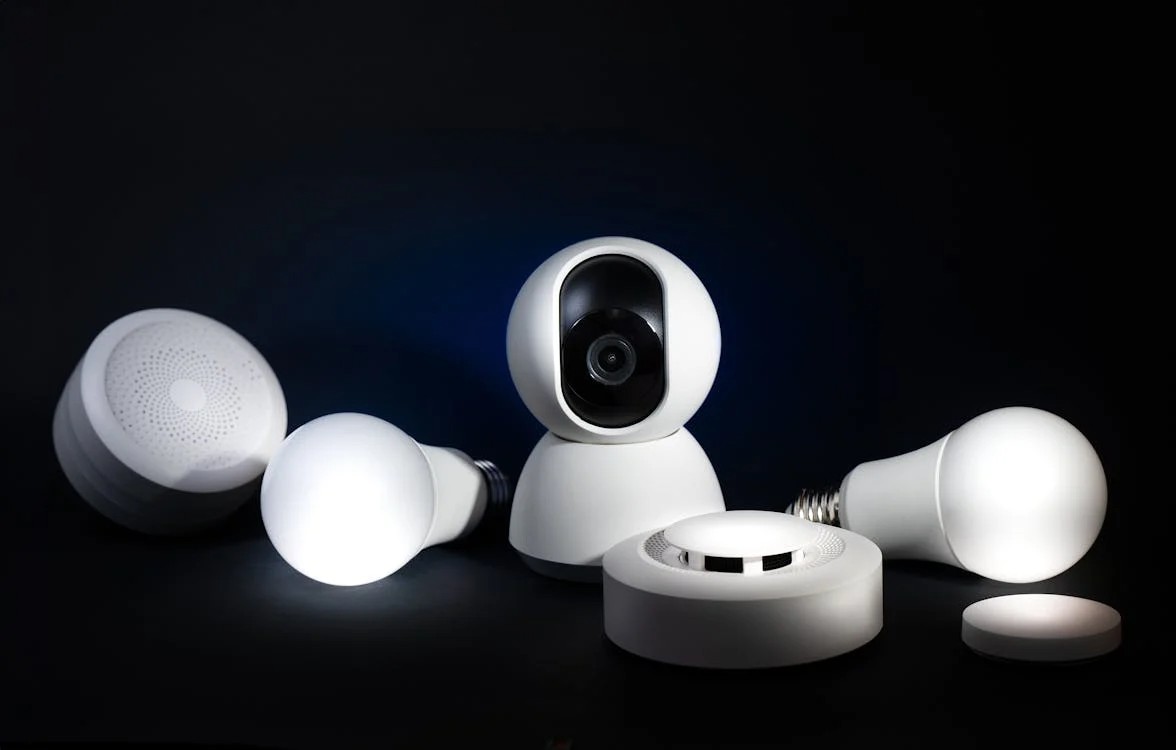
Home security systems have evolved far beyond simple locks and keys. Today’s smart home technology allows homeowners to customize protection with advanced alarm modes like Stay, Away, and Instant. However, understanding how to use each mode effectively can make all the difference between feeling secure and actually being protected. Many homeowners still struggle to grasp the difference between arm stay and arm away settings, often overlooking how these configurations work together to protect their homes in various situations. Knowing when to activate each mode ensures your alarm system functions as intended—providing both convenience and peace of mind.
Understanding the Core Modes in Smart Home Security
Modern security systems offer different arming modes to fit your daily routine and lifestyle. The Stay mode is designed for times when you are home but still want to secure the property’s perimeter. It keeps motion sensors inside your home inactive, allowing you to move freely without triggering the alarm, while all exterior entry points—such as doors and windows—remain monitored. This mode is especially useful at night or during quiet evenings when you want the safety of a locked perimeter but the comfort of moving around freely indoors.
In contrast, Away mode is ideal for when everyone has left the home. This setting activates all sensors, including those inside the house. It ensures that any movement detected within the property triggers an alert immediately. If your family goes to work or school during the day, select this mode. By understanding these fundamental differences, homeowners can tailor their system to match their specific routines, rather than relying on a single static setting.
The Instant mode functions similarly to Stay mode but eliminates entry delays. When someone opens a door or window, the alarm sounds immediately without waiting for a disarm code. This is a valuable setting for nighttime use or when you want maximum protection. It’s perfect for moments when you’re home but not expecting anyone—like while sleeping or traveling for short periods.
How Each Mode Affects Your Daily Security
The beauty of these security modes lies in their adaptability. Stay mode offers security without disruption, allowing you to relax without worrying about false alarms while watching TV, cooking, or putting your children to bed. The system remains alert to any attempt at unauthorized entry, giving you confidence that the home’s vulnerable points are safeguarded even while you move around freely.
Away mode, however, shifts into full defense. Because no one is expected to be inside, it treats every motion detection as a potential intrusion. This makes it crucial to ensure all pets are kept in designated safe zones or use motion sensors that can distinguish between humans and small animals. Many modern systems can even integrate with cameras and smart locks, allowing homeowners to monitor everything through their phones remotely.
The Instant mode amplifies security to the highest level. There is no grace period, meaning any attempt to enter will immediately trigger an alarm. This mode is most often used overnight or during vacations when occupants want an immediate response to any threat. It’s an excellent deterrent against break-ins, especially in neighborhoods where quick alerts can prevent potential theft or damage.
Smart Integration and Customization
What makes today’s smart security systems truly advanced is their ability to integrate multiple devices into a seamless network. You can control these modes using your smartphone or voice assistants like Alexa and Google Home. Automation enables homeowners to schedule transitions between Stay and Away modes according to their daily routines. For example, your system could automatically arm in Away mode after detecting no movement for a set period or when all family members’ phones leave the property’s Wi-Fi range.
Moreover, smart home platforms allow fine-tuning of how sensors behave in each mode. You can program specific zones—like garages, basements, or guest rooms—to remain active or inactive depending on the situation. This customization eliminates unnecessary alarms while ensuring coverage of high-risk areas. When used effectively, it transforms your alarm system from a passive tool into an intelligent security assistant that anticipates your needs.
Avoiding Common Mistakes
Many homeowners misunderstand these settings and accidentally leave their systems in the wrong mode. Leaving a system armed in Stay mode while no one is home, for example, can leave interior spaces unmonitored. Similarly, activating Away mode when people or pets are inside can result in frequent false alarms. It’s essential to educate all family members on which mode to use and when to change it.
In addition, be sure to test your alarm system regularly. Smart home platforms often include diagnostic tools that confirm whether each sensor responds properly in different modes. Regular testing ensures you’ll always get accurate alerts when it matters most.
Making the Right Choice for Your Home
The key to choosing between Stay, Away, and Instant modes lies in understanding your home’s unique security needs. Homes with large families, multiple entry points, or pets may rely more heavily on customizable Stay settings. Smaller homes or properties in isolated areas might prefer Instant mode for maximum response time. The right configuration strikes a balance between comfort and safety—keeping your house secure without creating inconvenience.
You can learn more about how these settings work together by reviewing resources like AlarmGrid’s detailed explanation on the difference between arm stay and arm away settings, which breaks down how each mode functions within a modern alarm system.
Conclusion
Choosing the correct security mode for your smart home isn’t just about pressing a button—it’s about understanding how your system adapts to your lifestyle. Stay, Away, and Instant modes each offer unique advantages when used appropriately. By taking the time to understand and customize these settings, you can enjoy a smarter, safer home environment that protects what matters most—your family, your belongings, and your peace of mind. When your alarm system is used to its full potential, safety becomes effortless, and home truly feels like a sanctuary.
