

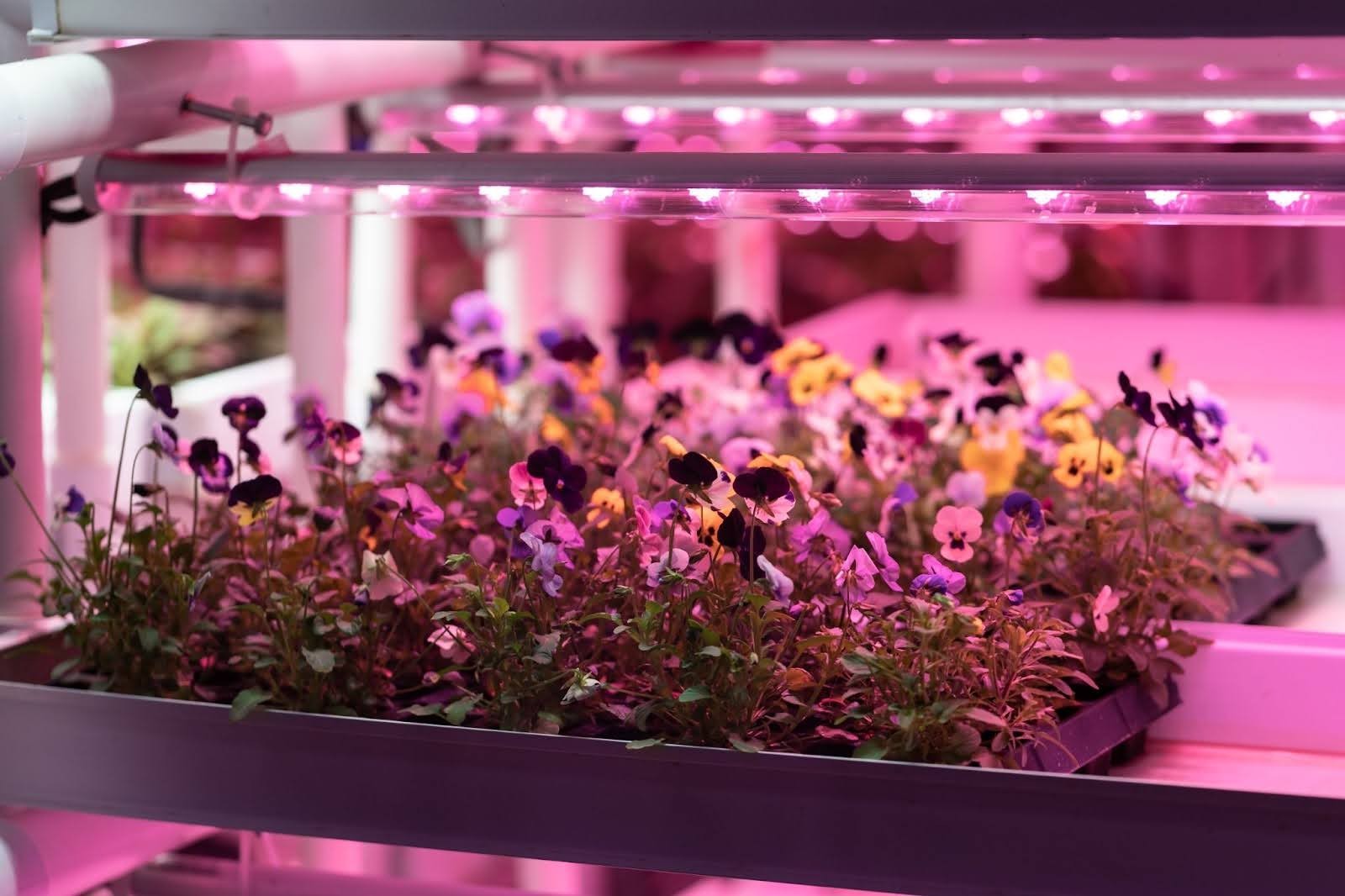
Fresh vegetables aren’t just a summer luxury—they can be part of your daily meals all year long. Thanks to grow lights, it’s now possible to create a thriving vegetable garden indoors, no matter the season. Whether you live in a small apartment, deal with harsh winters, or simply want more control over your food supply, grow lights make it possible to enjoy homegrown produce from seed to harvest right in your living space.
Why Use Grow Lights for Indoor Gardening?
Sunlight is the natural energy source for plants, but it isn’t always reliable. Short winter days, cloudy weather, and limited window space can all restrict the amount of light your plants receive. Without enough light, vegetables often become leggy and unproductive. Grow lights solve this problem by providing consistent, targeted light that mimics the sun, ensuring your plants get exactly what they need to grow strong and healthy.
Choosing the Right Grow Lights
Not all grow lights are created equal. For a year-round indoor vegetable garden, full-spectrum LED grow lights are usually the best choice. They provide the complete range of light wavelengths plants require for both leafy growth and fruiting. Compared to fluorescent or HID options, LEDs are more energy-efficient, long-lasting, and safer indoors since they produce minimal heat.
- Blue light encourages leafy growth, which is essential for vegetables like lettuce, spinach, and kale.
- Red light stimulates flowering and fruiting, making it crucial for crops such as tomatoes, peppers, and beans.
- Green light helps light penetrate deeper into the plant canopy, supporting even growth across leaves and stems.
- White light provides a balanced, natural spectrum that supports all stages of growth and makes it easier to observe plant health.
A full-spectrum LED grow light provides a balance of both, giving you the flexibility to grow a wide range of crops indoors.
Best Vegetables to Grow Indoors with Grow Lights
One of the biggest advantages of grow lights is the sheer variety of plants you can grow indoors. Here are some excellent options to consider:
- Leafy greens: Lettuce, spinach, kale, arugula, Swiss chard, bok choy, mustard greens, and collard greens.
- Herbs: Basil, parsley, cilantro, mint, thyme, oregano, dill, rosemary, sage, and chives.
- Fruit-bearing vegetables: Cherry tomatoes, peppers, eggplants, dwarf cucumbers, bush beans, and even peas.
- Root vegetables: Radishes, baby carrots, beets, turnips, and green onions.
- Microgreens and sprouts: Broccoli, sunflower, radish, and alfalfa.
- Small fruits (bonus crops): Strawberries and dwarf varieties of citrus or figs.
Common Mistakes to Avoid
Place Too Close or Too Far
Positioning your grow lights incorrectly is a very common mistake. Lights that are too far from plants can cause stretching and weak growth, while lights that are too close can burn leaves or dry out the soil too quickly. Adjust the height of your lights as plants grow to maintain optimal distance for healthy development.
Running for Wrong Duration
Many beginners either leave grow lights on all the time or don’t provide enough light each day. Most indoor vegetables need about 12–16 hours of light daily. Too little light slows growth, while too much can stress the plants. Using a timer helps create a consistent schedule that mimics natural sunlight cycles.
Ignoring Spectrum Needs
Not all grow lights are created equal. Using a light with an incomplete spectrum can stunt growth or prevent flowering and fruiting. Blue light supports leafy growth, red light encourages flowering and fruiting, and full-spectrum white light provides balanced growth. Ensure your lights match the needs of the plants you are growing.
Neglecting Light Maintenance
Dust and debris can accumulate on grow light panels, reducing their effectiveness. Failing to clean lights or replace old bulbs can result in weak or uneven plant growth. Regular maintenance keeps your plants receiving the full intensity and spectrum of light they need.
The Benefits of Year-Round Indoor Gardening
Beyond the joy of harvesting your own food, an indoor vegetable garden has many benefits. Growing indoors reduces your dependence on grocery store produce, which often travels long distances before it reaches your kitchen. It allows you to pick only what you need, cutting down on food waste.
It also transforms your living space, bringing in greenery that uplifts the atmosphere while offering a fulfilling, hands-on hobby. With the help of grow lights, gardening is no longer confined to warm seasons or sunny windowsills—it becomes a year-round lifestyle that puts fresh, nutritious vegetables within arm’s reach every day.
