


I once drilled straight into a hollow core door and hit nothing but air. That frustrating mistake taught me why understanding the diagram of hollow core door construction matters so much.
Knowing what’s inside helps you drill, cut, and mount hardware in the right spots.
In this guide, I’ll walk you through the stiles, rails, honeycomb core, and veneer layers. You’ll learn what these doors can handle and what they can’t.
I’ll also share tips for painting, upgrading, and repurposing them. This knowledge will save you from costly mistakes and failed projects.
Why Understanding Door Construction Matters
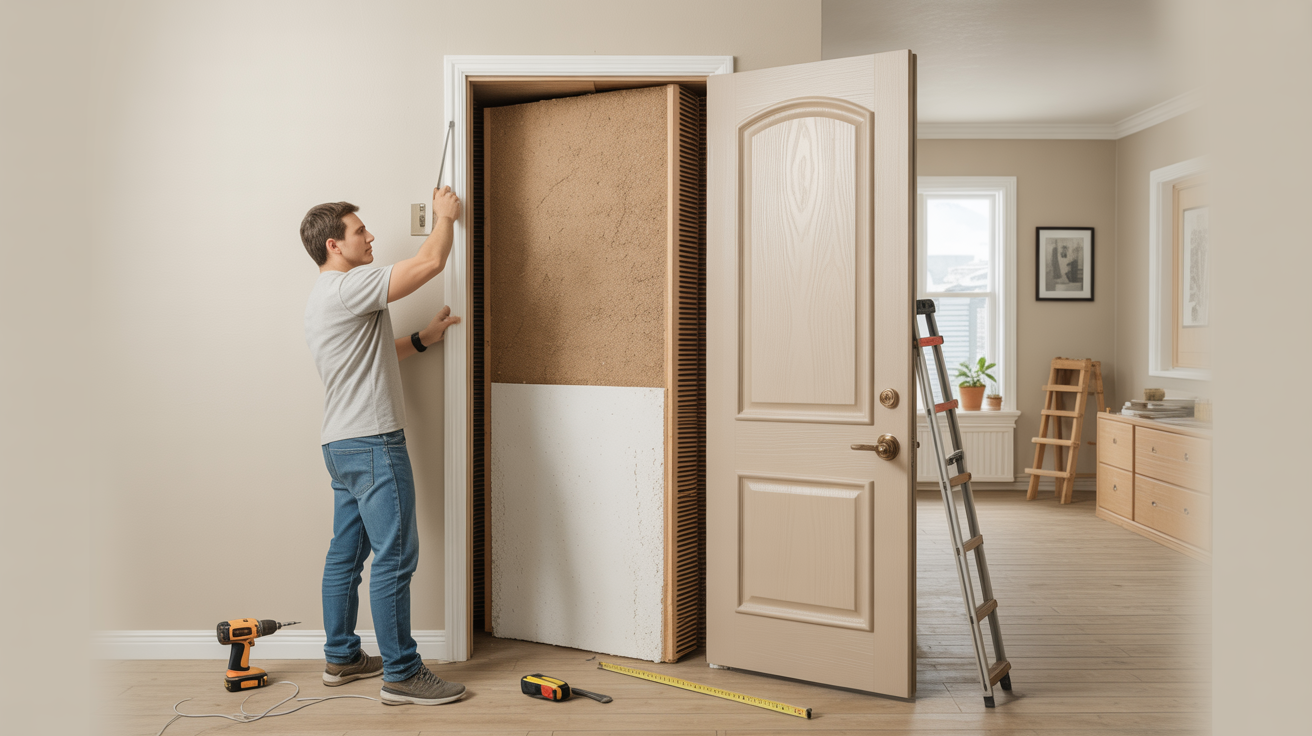
Most people don’t think about what’s inside their doors until something goes wrong. But knowing the basic structure helps you make better decisions when you’re installing new doors, hanging heavy items, or planning renovations.
I learned this the hard way when I tried drilling into the wrong spot and hit nothing but air. That mistake taught me to always check where the solid parts are before making any modifications.
Hollow core doors have specific strengths and weaknesses that affect how you should work with them.
Understanding these differences prevents damage and saves you from expensive replacements.
What is a Hollow Core Door?
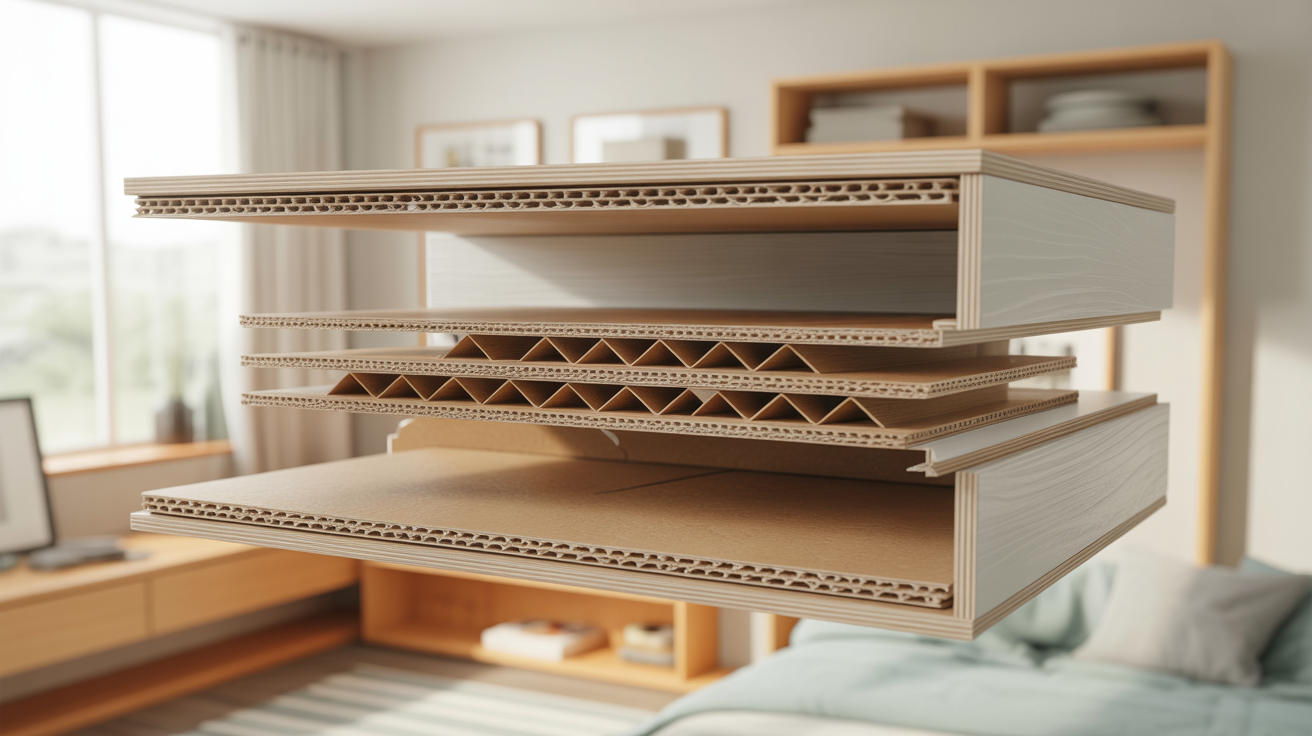
A hollow core door has two thin panels on the outside. These panels are usually made from wood veneer or fiberboard.
The inside contains a honeycomb pattern made from cardboard or plastic. This pattern creates air pockets that keep the door light while maintaining its shape.
The outer edges have solid wood frames called stiles and rails. These frames hold everything together and provide mounting points for hinges and handles.
Common Uses in Homes
You’ll find hollow core doors throughout most houses. They work great for bedroom doors, bathroom doors, and hallway passages.
Closets and pantries are perfect spots for these doors. The lightweight design makes them easy to open and close multiple times daily.
Many homeowners choose them for budget renovations. They cost significantly less than solid wood doors while still looking presentable. You can paint or stain them to match your décor.
Anatomy of a Hollow Core Door
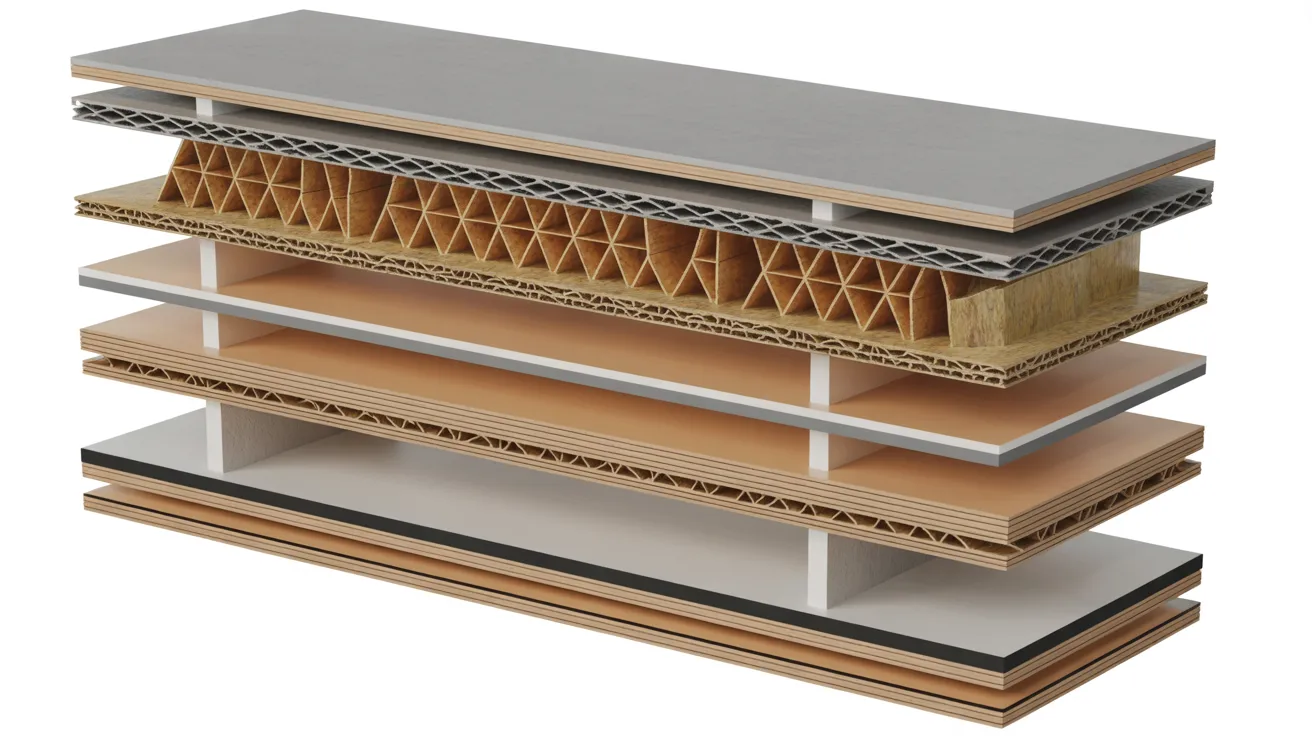
The Door Slab
The slab refers to the entire door panel before you add hardware. Standard sizes include 24, 28, 30, 32, and 36 inches wide. Most interior doors measure 80 inches tall.
The thickness typically ranges from 1-3/8 to 1-3/4 inches. These dimensions matter when you’re replacing old doors or building new frames.
Stiles and Rails
Stiles are the vertical pieces running along both sides of the door. Rails are the horizontal pieces at the top and bottom.
These solid wood components create the door’s frame. They provide the structural support that keeps the door from warping or collapsing.
The stiles hold your hinges and door handles. Without solid stiles, you couldn’t properly mount hardware. Rails prevent the top and bottom from sagging over time.
Honeycomb Core
The center section contains a honeycomb pattern made from cardboard or plastic strips. These strips stand on edge and create hexagonal cells.
This design uses minimal material while maintaining rigidity. The air spaces between cells reduce weight dramatically compared to solid doors.
Some manufacturers use other materials like foam or spiral-wound paper tubes. The goal remains the same: keep the door light while preventing the outer surfaces from collapsing inward.
Door Veneer or Skin
A thin layer covers the honeycomb core on both sides. This skin can be made from real wood veneer, MDF, or laminate materials.
Wood veneer gives you a natural grain pattern you can stain. MDF provides a smooth surface ideal for painting. Laminate offers pre-finished options that resist moisture and wear.
The skin typically measures only 1/8 inch thick or less. It bonds to the stiles, rails, and honeycomb core using strong adhesive. This creates the flat, smooth surface you see and touch.
Benefits of Hollow Core Doors

Hollow core doors offer three main advantages: light weight, low cost, and easy customization for home projects.
Lightweight and Easy to Handle
- Weigh only 25-30 pounds compared to 60-100 pounds for solid doors
- Can be lifted and installed by one person without help
- Easy to adjust, reposition, or move between rooms
- Safe for kids and older adults to handle during projects
Cost-Effective
- Cost $30-$80 versus $150-$400+ for solid wood doors
- Whole-house projects can save $1,000 or more
- Extra budget can go toward better hardware, paint, or tools
Customizable Surface
- Smooth surface accepts paint beautifully
- Can be stained if made with real wood veneer
- Easy to add decorative moldings or panels for upgrades
- Simple trim work can make basic doors look high-end
Limitations to Consider
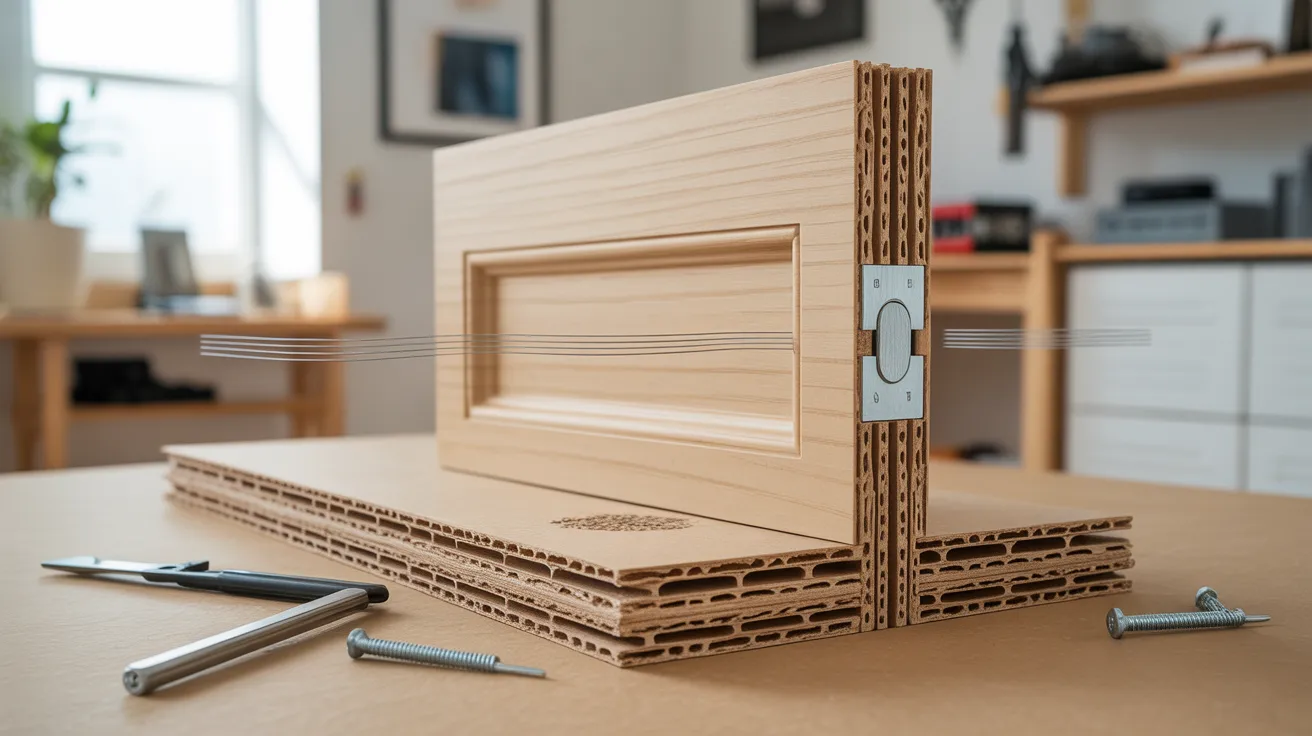
Hollow core doors have three main drawbacks: poor sound blocking, vulnerability to damage, and limits on modifications.
Soundproofing and Privacy
- Sound travels easily through the door structure
- Air pockets amplify noise instead of blocking it
- Conversations, music, and TV audio carry to adjacent rooms
- Poor choice for home offices or media rooms where quiet matters
Durability and Damage Risks
- Thin veneer dents and punctures from normal impacts
- Water exposure causes cardboard core to swell and warp permanently
- Kids and pets can easily punch holes through the surface
- Repairs typically look obvious and unprofessional
Trimming and Modifications
- Can only trim about one inch from top or bottom before exposing hollow core
- Cutting into honeycomb reveals empty interior and weakens structure
- Heavy hardware must be mounted on solid stiles or rails only
- Screws in hollow sections won’t hold weight without special anchors
DIY Projects Using Hollow Core Doors
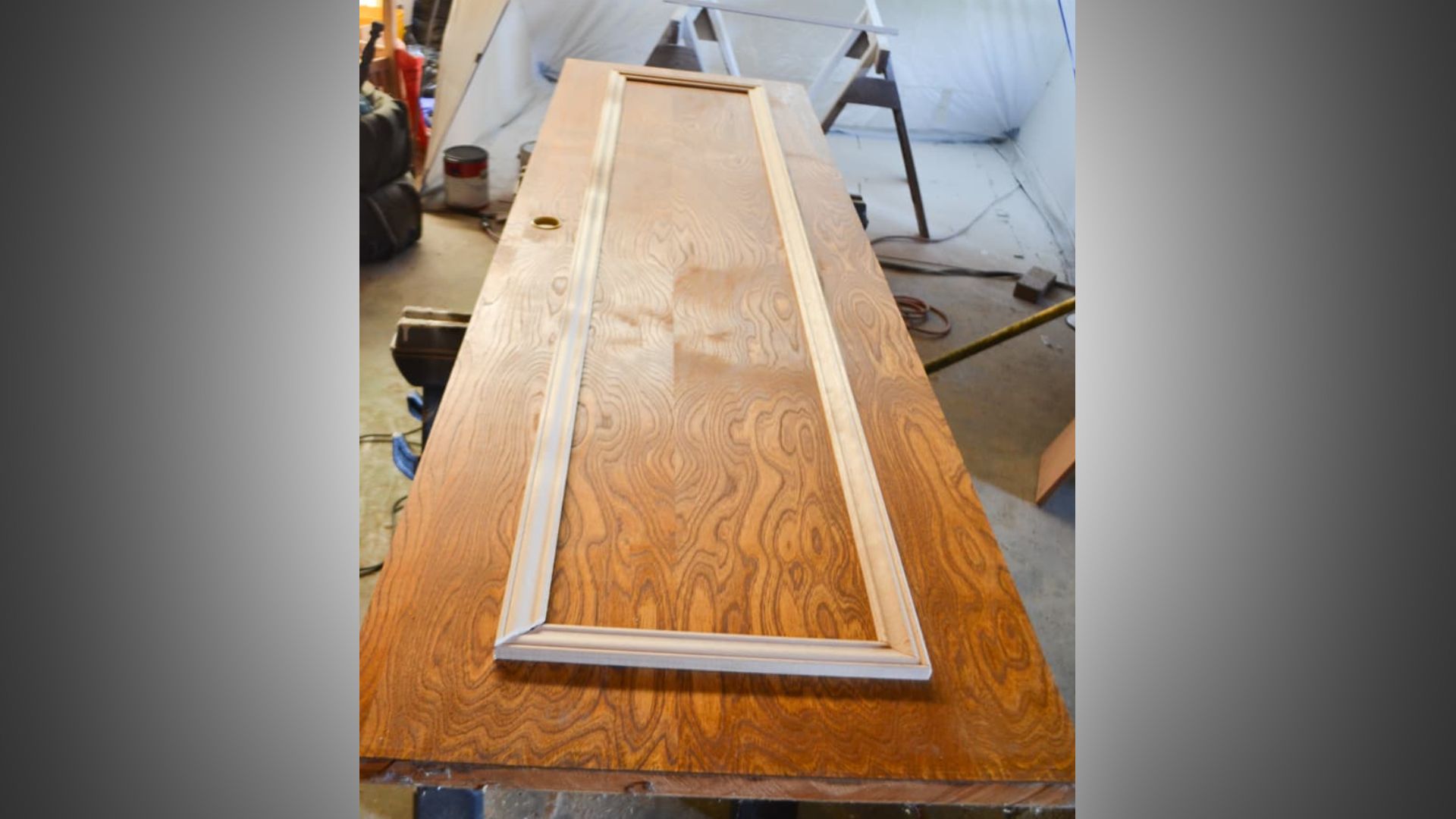
Hollow core doors work great for painting, adding decorative upgrades, and creative repurposing projects around your home.
Painting and Finishing
Start by cleaning the door surface with TSP or a degreaser. Remove all dust, oils, and grime that would prevent paint adhesion.
Light sanding with 220-grit paper gives the surface some tooth. Wipe away sanding dust with a damp cloth and let it dry completely.
Apply a primer coat first, especially on dark or stained doors. Two coats of quality paint give you a professional finish. I prefer using a foam roller for smooth results without brush marks.
Decorative Upgrades
Adding flat trim pieces creates a paneled look. Measure and mark your pattern, then glue and nail the trim in place. New hardware makes a huge difference.
Replace standard knobs with modern levers or vintage glass handles. This simple change updates the entire door’s appearance.
You can apply peel-and-stick wallpaper for a bold statement. Measure carefully and smooth out bubbles as you apply. This works great for closet doors or kids’ rooms.
Repurposing Old Doors
Old hollow core doors make excellent desk surfaces. Add legs or sawhorses and you have an instant workspace.
I’ve built shelving units by cutting doors into sections and adding brackets. The smooth surface looks clean and modern against a wall.
Headboards are another popular project. Mount the door horizontally behind your bed and paint it to match your room. Add some decorative molding and you have a custom piece for under $50.
Understanding the Diagram
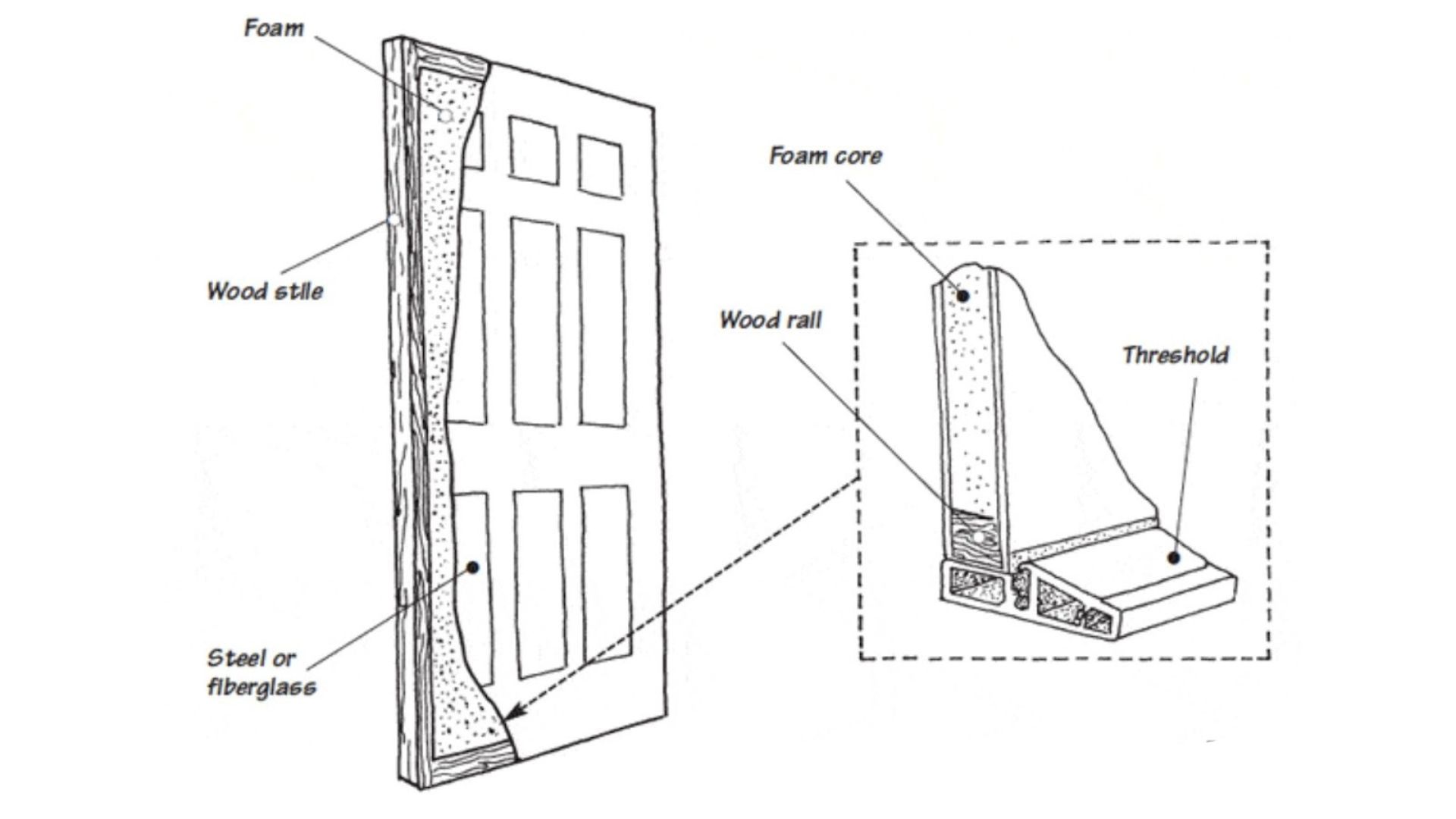
A good diagram labels all the key parts. You’ll see the stiles marked along both vertical edges. The rails appear at the top and bottom as horizontal supports.
The honeycomb core fills the center space between these solid frames.
The veneer or skin wraps both sides of the entire assembly. Some diagrams show a cutaway view so you can see how deep each component extends into the door.
This visual reference helps when you’re planning to cut, drill, or modify a door. You can identify safe areas for hardware installation and avoid weak spots.
Start by identifying the solid stiles and rails. These are the only parts that can support heavy loads or mounting hardware.
Look at the honeycomb core section to understand where the door is hollow. This tells you where screws won’t hold and where the door is most vulnerable to damage.
Conclusion
Learning about the diagram of hollow core door construction completely changed how I approach home projects.
I used to hesitate before drilling or modifying doors, worried I’d mess them up. Now I confidently tackle installations because I know exactly where the solid stiles are and what the honeycomb core can handle.
These doors work great for budget renovations once you understand their structure. I hope this guide gives you that same confidence.
Try these techniques on your next project and share your results in the comments below!
Frequently Asked Questions
Can I cut a hollow core door to fit a smaller opening?
You can trim up to one inch from the top or bottom without major issues. Cutting more than that exposes the hollow interior. The sides have solid stiles that allow slightly more flexibility for width adjustments.
How do I hang heavy items on a hollow core door?
Always mount hardware on the solid stiles or rails along the edges. Use longer screws that penetrate deep into these solid areas. For center mounting, use hollow wall anchors designed for thin materials.
Will a hollow core door work in a bathroom?
They work fine in bathrooms with good ventilation. Keep the bottom edge away from standing water. If moisture is a concern, seal all edges with paint or polyurethane to prevent water absorption.
How long do hollow core doors typically last?
With normal use, these doors last 20-30 years in interior applications. Avoid impacts and moisture exposure. The hardware usually wears out before the door itself fails.
Can I add a window or glass panel to a hollow core door?
Yes, but you need to reinforce the opening area with solid blocking. Cut carefully to avoid crushing the honeycomb core. Professional installation works best for glass inserts to ensure safety and proper fit.
