

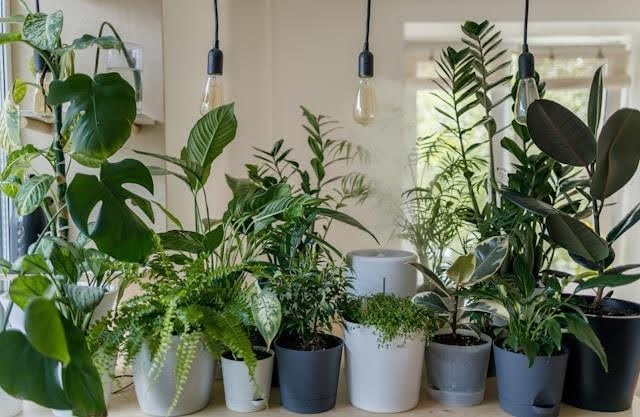
Winter air has a distinct quality. The instant your heating system activates, moisture disappears from your indoor space like water evaporating from a heated pan. Your skin becomes taut and irritated, your throat feels rough, and your houseplants begin showing those characteristic brown leaf edges. The air in most heated residences falls significantly beneath the suggested humidity range, occasionally dropping into the teens or twenties when comfort genuinely begins around thirty percent.
Plants can address this issue, yet the connection functions differently than most individuals assume. Comprehending how your green companions interact with moisture provides you a functional resource for winter comfort, though not a miraculous remedy.
Choosing High-Transpiration Species
Not all plants discharge moisture uniformly. rank among the top performers for humidification. Their delicate fronds release substantial volumes of water during the day. Peace lilies, with their wide lustrous leaves, also perform admirably at discharging moisture while enduring reduced light circumstances. Areca palms distinguish themselves as especially proficient humidifiers, with a six-foot example able to release approximately one quart of water daily.
Other capable contributors include spider plants, English ivy, and rubber plants. Golden pothos demonstrates nearly invincible characteristics while sustaining respectable transpiration levels. When choosing plants, consider obtaining mature specimens from BloomsyBox plant delivery for species appropriate to indoor humidity enhancement, guaranteeing you obtain healthy plants prepared to commence their moisture-releasing function right away.
Grouping Techniques Create Microclimates
Individual plants dispersed throughout your residence deliver minimal humidity advantages. Assembling multiple plants establishes a microclimate where their combined transpiration elevates moisture concentrations in that particular zone. This clustering effect functions because, as each plant discharges water vapor, the unified output boosts the local humidity more successfully than separated plants could accomplish.
Position your plant assemblies in living spaces where you spend the greatest time. Corners of living rooms, bedroom nightstands, or home office desks transform into mini humidity areas. The plants advantage each other as well, as the heightened moisture surrounding them diminishes their individual transpiration strain and generates a more advantageous growing environment for the complete assembly.
Monitoring With a Hygrometer
Guessing about humidity levels wastes effort. A hygrometer gauges relative humidity with accuracy, displaying precisely what’s occurring in different rooms. These instruments cost minimal amounts but deliver vital feedback about whether your plant approach is functioning or if you require adding more specimens to particular areas.
Position hygrometers in rooms where you’ve arranged plant groups, examining readings at various times during the day. Winter heating cycles generate fluctuations, so morning readings may vary considerably from evening measurements. Monitor these patterns over multiple weeks to comprehend how your plants influence humidity concentrations and modify your approach accordingly.
Preventing Mold Growth
Introducing moisture to your residence demands vigilance against mold. Preserve humidity between thirty and fifty percent instead of advancing toward elevated levels that promote fungal development. Guarantee sufficient air movement around your plants by preventing overcrowding and situating them distant from corners where air becomes stagnant.
Hydrate plants appropriately without generating standing water in saucers or trays. Excessive watering doesn’t boost transpiration rates yet creates ideal circumstances for mold to form in soil and on surfaces adjacent to your plants. If you detect musty smells or observe mold spots on walls or windowsills, decrease the quantity of plants in that zone or enhance ventilation with a compact fan.
Avoiding Draft Damage
Winter drafts from windows, doors, and heating vents burden plants while neutralizing their humidifying advantages. Cold air flowing past leaves interrupts transpiration and can harm delicate tropical species. Keep plants distant from drafty windows and exterior doors, particularly during the coldest months when temperature variations are most severe.
Likewise, prevent positioning plants directly before heating vents. The surge of hot, dry air hastens moisture depletion from leaves more rapidly than roots replenish. It then causes brown tips and brittle edges. Identify locations with consistent temperatures removed from direct heat sources, permitting your plants to transpire at their natural rhythm without environmental burden.
Pebble Trays Amplify Moisture Release
Pebble trays supply a basic physical enhancement to your plants’ inherent moisturizing capabilities. Load a shallow container with stones or ornamental pebbles, introduce water until it extends just beneath the stone level, then position your potted plant atop. As water vaporizes from the container, it augments the moisture your plant discharges through moisture release.
The essential aspect is maintaining the pot elevated from the water level to avert root deterioration. Drain and cleanse these containers every several weeks to inhibit algae development or microbial accumulation. This approach functions especially effectively for compact plants where the container can project beyond the plant’s foliage, optimizing the evaporation area exposed to ambient air.
Endnote
Plants provide a natural method to winter humidity that delivers vitality and oxygen generation alongside moisture. Establish realistic expectations, select appropriate species, and integrate plant transpiration with alternative humidity approaches for pleasant winter air that advantages both you and your green companions.
