

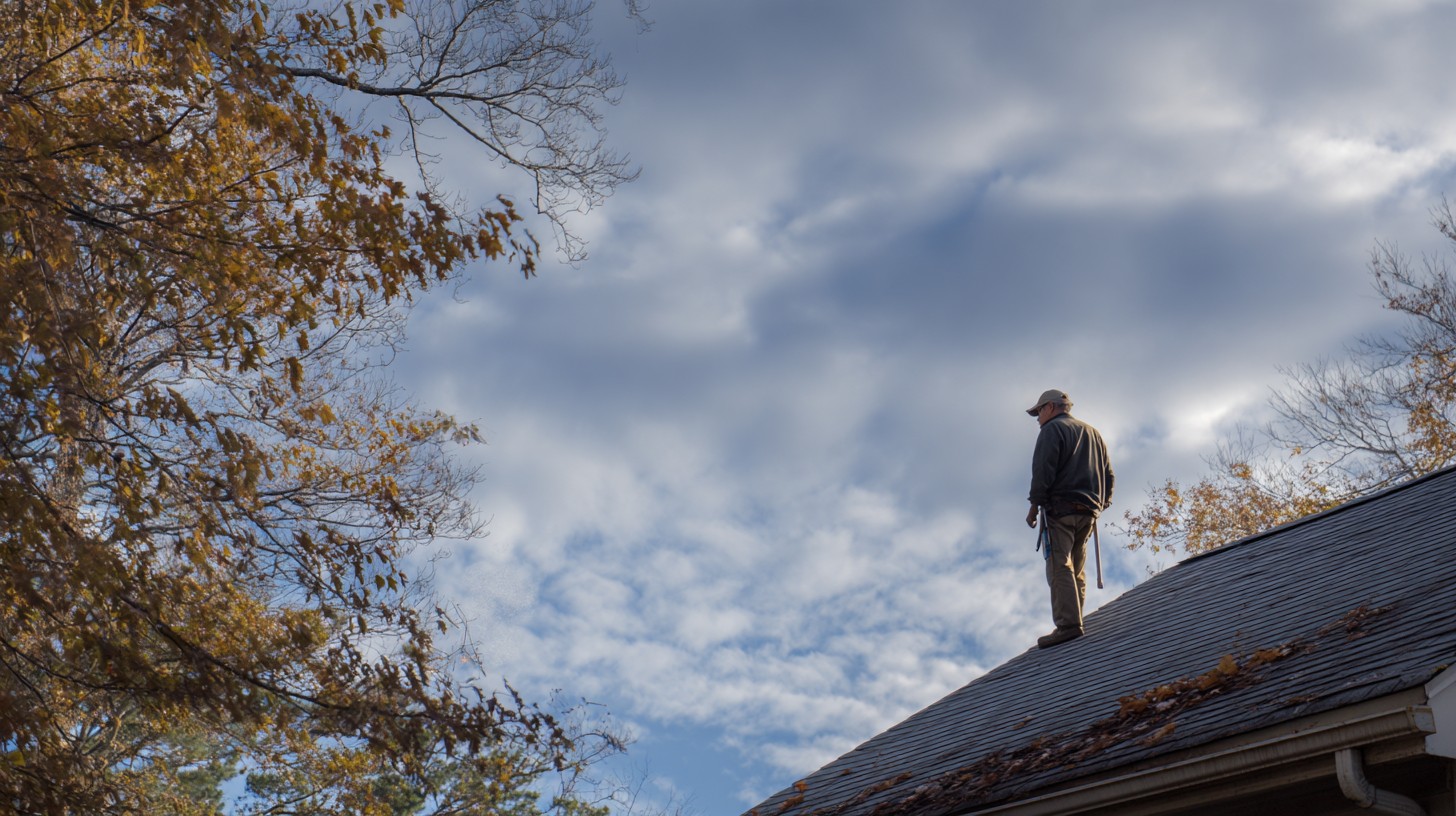
A healthy roof is one of the most important protections your home has. It keeps your family warm, dry, and safe from the elements, often quietly doing its job for years. But even the strongest asphalt roof needs regular attention. Catching early warning signs can save you from stress, costly repairs, and unexpected leaks.
Ignoring small issues may feel harmless, but the numbers tell a different story. According to national home repair data, delaying roof work can increase total repair costs by 50–200% when minor fixes turn into major structural problems. That’s why timely asphalt roof repairs are more than maintenance. They’re a smart financial choice that keeps your home protected and your wallet intact.
Missing or Damaged Shingles
Missing, cracked, or torn shingles are often the first visible sign your roof is struggling. You might notice a patch that looks lighter, uneven, or completely bare. When shingles fail, water has a direct path into the underlayment. From there, moisture spreads fast. What starts as a tiny exposed spot can turn into water stains on ceilings, mold growth, and rotting wood. Even a handful of damaged shingles can compromise the roof’s ability to shed water safely.
What Causes Shingle Damage
Several factors speed up shingle wear. Strong winds lift edges until they snap. Hail leaves bruises that weaken the protective surface. Heat and UV exposure slowly dry out the material, making it brittle. And sometimes age alone is the culprit. When asphalt loses flexibility, it stops fighting back against the weather. Instead, it cracks, curls, and breaks apart.
Curling or Buckling Shingles
Curled shingles look like they’re peeling upward or folding at the edges. Buckled shingles create wavy, uneven ridges across the surface. Both issues are clear signs that the roof is no longer lying flat, which makes it vulnerable to wind uplift and moisture intrusion. Homeowners often notice these changes during a casual walk around the yard, especially when sunlight hits the roof at an angle.
The Long-Term Risks of Ignoring Curled Shingles
Curled or buckled shingles don’t just look worn. They signal deeper issues within the roofing system. Moisture may be trapped underneath. Ventilation may be poor. Or the shingles may have simply reached the end of their lifespan. Ignoring these signs can lead to premature roof failure. Water sneaks into seams, insulation becomes damp, and structural elements weaken over time.
Dark Streaks and Algae Growth
Dark streaks running down your roof often look like dirt or age. In reality, they’re typically algae or moisture-loving organisms. While common on asphalt roofs, they’re not something to ignore. Algae slowly eats away at the shingle coating that helps reflect heat. Over time, this shortens the roof’s lifespan and makes your home less energy-efficient.
Is Algae Just a Cosmetic Issue
Not at all. Algae and similar growths thrive where moisture lingers. If you see streaking or patchy dark film, it may mean your shingles aren’t drying properly. That trapped moisture can soften the asphalt base and reduce durability.
Granules in Your Gutters
The tiny granules on asphalt shingles aren’t decoration. They protect the roof from sun damage and help shed water. When these granules begin collecting in your gutters or downspouts, it’s a warning that the shingles are wearing thin. You may also notice bald patches on the roof where the texture looks smoother or shinier than the surrounding area.
How to Check for Excessive Granule Loss
A simple gutter check tells you a lot. Scoop a small amount of debris from the bottom of the channel. If you see more granules than leaves or dirt, your shingles are deteriorating. It’s also smart to glance at the base of your downspouts after a heavy rain. Piles of coarse, sand-like granules there usually signal advanced wear.
Visible Sagging or Water Stains Inside
Sagging sections of the roof deck or brown stains on your ceiling are among the most serious warnings a homeowner can face. Sagging means the structure beneath the shingles is struggling to support weight. Water stains inside the house usually mean moisture has already traveled through multiple layers of the roofing system. These problems don’t resolve themselves and often point to hidden leaks that have been active for months.
When Sagging Indicates Structural Damage
A sagging roofline can develop when wood framing becomes soaked, weakened, or slowly rots over time. Once support beams lose strength, the roof begins to dip and shift. Even small areas of sagging require immediate action because structural damage spreads. Left unchecked, it can compromise insulation, drywall, and load-bearing framing. This is one of the few roofing issues where hesitation can lead to significant and costly repairs.
What to Do When You Spot These Warning Signs
The first thing to remember is not to panic. Roof issues feel overwhelming, but most problems aren’t disasters when caught early. A small leak, a few loose shingles, or a bit of moisture under the surface can often be repaired quickly without replacing the entire roof. Acting sooner rather than later protects your home before the next heavy rain or windstorm has a chance to make things worse.
Once you notice something unusual, reach out to a professional roofing contractor. An expert inspection goes far beyond what you can see from the yard. Roofers check ventilation, flashing, underlayment, attic moisture levels, and the overall condition of the deck. They can pinpoint the true source of damage, which isn’t always where the symptoms appear. What looks like a stain on the ceiling might originate from a nail pop across the roof or a piece of lifted flashing several feet away.
A thorough assessment gives you clarity. It helps you understand which issues are urgent, which ones can wait, and what the most cost-effective repair path looks like. It also prevents you from spending money on unnecessary work or overlooking a problem that could turn into structural damage down the line.
If you’re in New Jersey and you’ve spotted any of these warning signs, reaching out to trusted roof leak repair NJ specialists can make all the difference. Professional help at the right time stops damage from spreading and keeps your home safe, dry, and protected for years ahead.
