

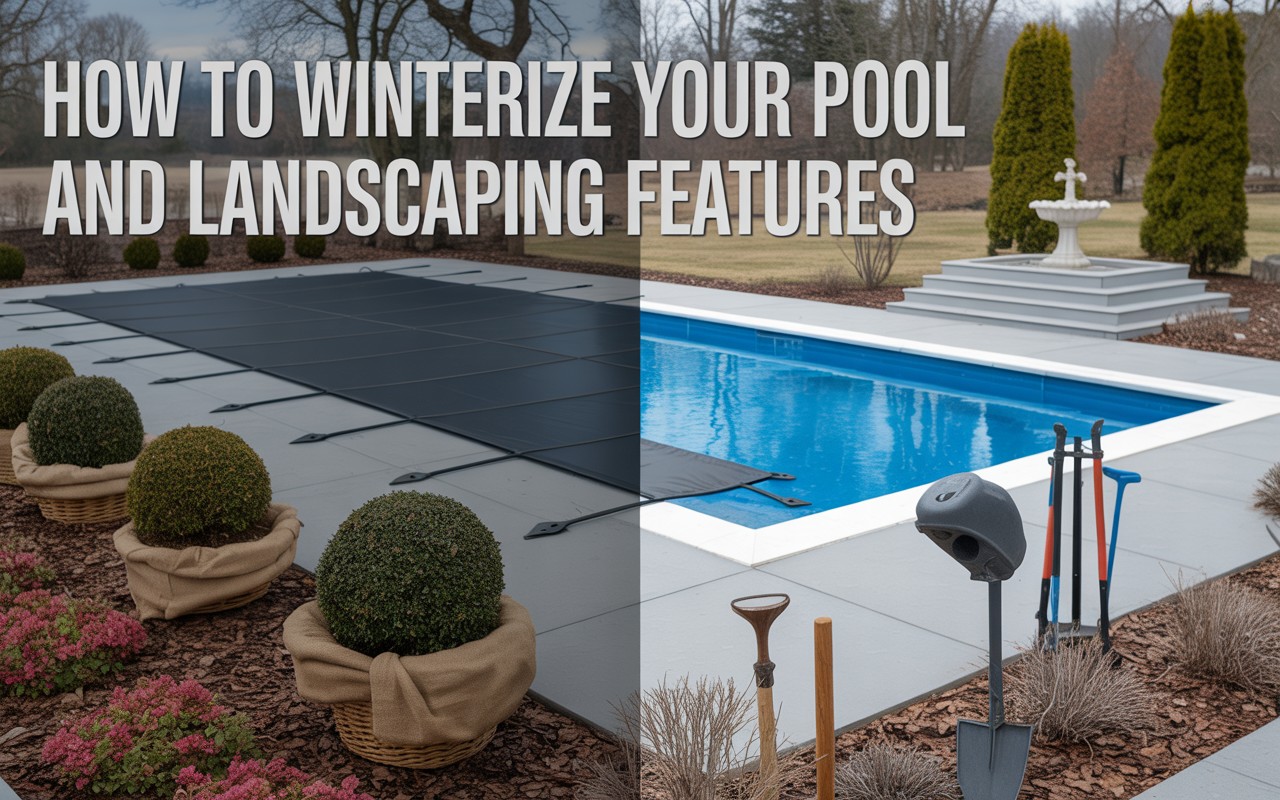
Imagine pulling off your pool cover in spring only to find cloudy water, damaged tiles, and wilted plants. That scene is entirely avoidable with a bit of winter prep. By cleaning, draining, and protecting everything before freezing temperatures hit, you’re saving yourself time, money, and frustration when warmer days return.
Inspect and Clean the Pool
A clean pool before winter is like a clean kitchen before a long trip—it gives you peace of mind knowing everything will be fine when you come back. Start by removing leaves, twigs, and floating debris, because if they’re left behind, they’ll rot and stain the liner over time.
Then there are the filters and skimmer baskets. These parts often collect the most hidden gunk—things you don’t notice until your pump starts complaining. Giving them a good rinse ensures smooth water flow when you reopen the pool in spring. It’s a small job that saves you from much bigger headaches later.
According to Minneapolis pool landscaping, vacuuming the pool floor might sound excessive when you’re about to close it, but it’s a step that prevents murky water and unpleasant odors. Dirt left behind tends to cling to the surface and become harder to remove later, so this one task pays off enormously when reopening season arrives.
Finally, balance the pH, alkalinity, and calcium hardness levels before you call it done. That chemical balance is what keeps the water from turning into a science experiment over winter. When everything’s right, your pool will open crystal-clear, and you won’t have to fight with cloudy water or weird residue in spring.
Lower the Water Level and Drain Equipment
Lowering the water might seem counterintuitive, but it’s one of those small decisions that saves thousands in repairs. Water expands when it freezes, and when that happens in the wrong spot—like your skimmer line—it cracks and leaks. Dropping the level below the skimmer gives that frozen layer room to grow safely.
Draining water from pumps, filters, and heaters is another must. Even a few trapped ounces of water can freeze and break internal components. These pieces of equipment aren’t cheap to replace, so taking an hour to drain them properly is a much better deal than dealing with costly springtime replacements.
An air compressor can help you blow out the remaining water from the pipes. It sounds technical, but it’s basically just clearing every line so ice doesn’t form where it shouldn’t. The trick is being thorough—you’ll want every inch of plumbing clear before sealing it up for winter.
Once that’s done, plug the openings. This step keeps both freezing water and tiny critters out. You might not think about small animals during pool prep, but trust me, they’ll find any warm spot available. A well-sealed system means no surprises when the thaw finally arrives.
Add Winter Chemicals
Winterizing chemicals work like an invisible shield. They keep bacteria, algae, and other troublemakers from taking over your pool when you’re not around to monitor it. A good chlorine or shock treatment sanitizes the water so it stays fresh through those long, cold months of dormancy.
Algaecide deserves its own mention. Algae spores can survive even low temperatures, waiting for that first warm day to bloom. By adding algaecide before you close the pool, you make sure you don’t open to a green, slimy surprise when spring rolls in.
Then there’s enzyme treatment. This one’s a quiet hero because it breaks down oils, lotions, and organic residues that tend to collect on the water’s surface. When used before closing, it reduces scum buildup and minimizes cloudy water when you’re ready to dive back in.
Before wrapping up, test everything again. Adjust the chemical balance until you’re in that ideal range. It’s tempting to skip this step, but this is what ensures your pool doesn’t turn into a swamp. A properly treated pool will practically take care of itself until reopening.
Cover the Pool Securely
Covering your pool is about more than just keeping out the leaves—it’s about protecting your investment. A durable, weather-resistant cover shields the water from debris, sunlight, and even animals that might wander too close. It also prevents accidental falls, making it a safety feature as much as a maintenance one.
When the cover is on, make sure it’s tightly secured. Loose covers collect puddles, and before long, that water starts pulling the fabric down. A firm, tight fit keeps everything clean underneath and prevents rainwater or melting snow from sneaking in and throwing off your chemical balance.
Every few weeks, give it a quick check. If you spot sagging, pull it tight again. If there’s water pooled on top, remove it carefully. Neglecting the cover means trouble later—whether that’s damaged material or a contaminated pool you’ll spend days trying to fix in the spring.
Adding water bags or weights around the edge helps, especially in windy regions. It keeps the cover anchored even during storms. The goal here is simple: a pool that stays sealed tight, protected, and ready for when the weather warms up again.
Protect Pool Accessories and Furniture
Your pool area probably includes ladders, rails, or a diving board—all of which don’t handle winter well. Removing them before temperatures drop keeps them from rusting, cracking, or wearing down under freezing conditions. It also reduces the stress on mounting points that can loosen or corrode if left in place too long.
Once those items are removed, cleaning them properly is essential. Dirt, water, and chlorine residue can all eat away at metal or cause discoloration on plastic parts over time. Giving each piece a good rinse and letting it dry completely ensures they’ll be in top shape when the pool season returns.
Storage is where most people slip up. Tossing accessories into a damp shed or under a deck might seem fine, but moisture will quietly cause damage all winter. A dry, covered space like a garage or basement helps prevent rust, mildew, and material breakdown—so everything looks as good as new next summer.
As for poolside furniture, treat it the same way. Wipe everything clean, stack it neatly, and cover it with waterproof tarps if you can’t bring it indoors. Even heavy-duty outdoor furniture benefits from protection. When you uncover it months later, you’ll be grateful you took the time to do it right.
Wrap up
Winterizing your pool and landscaping might feel like a chore, but it’s one of those efforts that pays back tenfold. A clean, sealed, and protected setup makes reopening in spring almost effortless. Taking the time now ensures fewer surprises, lower costs, and a backyard that’s ready to shine again.
