

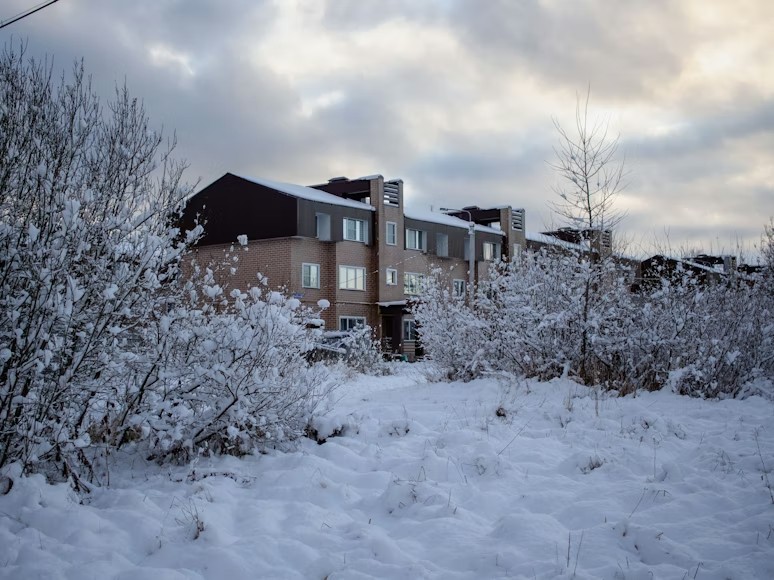
As temperatures drop and days grow shorter, your home becomes the ultimate refuge from harsh winter weather. The Guardian reports that the US was hit by extremely harsh winter conditions in late 2025. The Eastern half was gripped by an exceptional early cold spell, breaking several low-temperature records.
While the snow and ice make winter picturesque, they can take a serious toll on your property. Winter home maintenance is not just about comfort; consider it mandatory for protecting your investment, improving energy efficiency, and avoiding costly repairs down the line.
In this article, we will list the essential winter maintenance tasks every homeowner should check off their list before the first cold spell hits.
Inspecting Roof and Chimneys
Your roof endures the full brunt of winter, from heavy snowfall to freezing rain. A recent news report states that ice and snow can cause water damage to roofs. While new homes may be capable of handling the load of snow, ice damage is a bigger concern. Removing snow is the immediate solution, but you need to ensure that your roof is set for extreme weather.
A quick inspection before and during the season can help prevent leaks, water damage, or structural issues. Check for damaged shingles that could cause moisture to seep in. Remove any debris, twigs, or leaves that might clog gutters or downspouts. Hiring a roofing professional is a good idea.
Chimneys need equal attention, particularly if you use a fireplace or wood-burning stove. Soot buildup, creosote deposits, or small blockages can cause smoke to back up. Even worse, these conditions can create a fire hazard. Schedule annual chimney cleaning before lighting that first fire of the season.
Sealing Drafts Around Doors and Windows
Drafts are another maintenance essential that deserves attention in winter. Even the smallest gap or crack under doors and windows can let in a surprising amount of cold air. This will force your heating system to work overtime and drive up your energy bills.
Examine the window frames, door edges, and baseboards for visible gaps. You can also try sensing air making its way in from these gaps if they are not very evident. Sealing them is easy, and you can even try DIY methods. Weatherstripping is great for movable parts such as windows or doors.
Caulking is ideal for sealing stationary gaps around trim or siding. Door sweeps can be attached to the bottom of doors. You can also use thermal curtains for added protection. These prevent heat loss and give your rooms a cozier, more energy-efficient touch.
Maintaining Your Water Heater
Your water heater works harder in winter as it compensates for lower water temperatures at this time of the year. Neglecting it could leave you with lukewarm showers and costly breakdowns when you need hot water most. You need to be extra vigilant if snow is frequent in your area during winter.
Consider the example of Nashville. According to WPLN News, snowfall in the city has been mixed in recent years. In 2024, Nashville witnessed nearly 8 inches, while no snow fell in 2023. More than 13 inches was recorded in 2022. Clearly, this unpredictability means that home appliances have to work hard.
Water heater repair in Nashville should be a priority for homeowners if it is not working optimally before winter. A bit of preventive maintenance can go a long way. Regular maintenance includes flushing the tank periodically, keeping track of the temperature, and insulating the tank and pipes.
Doctor Drips recommends an annual inspection by professionals to identify problems and ensure optimal working. If your water heater is more than a decade old or showing signs of inefficiency, consider replacing it to prevent breakdowns and save on long-term costs.
Insulating Pipes
Frozen pipes can be the worst of winter emergencies for a homeowner. The Department of Energy highlights that it leads to the risk of bursts that lead to flooding. Depending on your location, you can check the risk of frozen pipes in your area and take defensive measures.
To protect against this risk, focus on pipes located in unheated areas, such as attics, basements, garages, or exterior walls. Insulating them with foam insulation sleeves, heat tape, or fiberglass wrap will guard them against cold air. During extremely low temperatures, allow faucets to drip slightly to keep water moving and prevent freezing.
If you plan to be away for an extended period, set your thermostat no lower than 55°F. Also, turn off the main water supply as an added precaution. Preventing frozen pipes takes minimal effort but can save you from thousands of dollars in repair costs.
FAQs
How to protect your house in the winter?
Start by sealing all drafts, insulating exposed pipes, and checking your heating system. Clean gutters and ensure proper roof drainage to prevent ice buildup. Also, maintain indoor humidity levels between 30–50% to prevent dry air from damaging wood furniture or flooring. Regular inspections throughout winter ensure problems are caught before they escalate.
What is the cheapest way to keep your house warm?
Energy savings begin with insulation and smart heating habits. Use weatherstripping, thermal curtains, and door sweeps to reduce heat loss. Dress warmly indoors and lower the thermostat slightly during the night or when away. Adding area rugs, using heated blankets, and closing off unused rooms are inexpensive ways to stay cozy without raising energy costs.
How to prepare your home for the winter?
Take steps like inspecting your roof, cleaning chimneys, servicing your heating unit, and draining outdoor faucets. Check insulation levels and apply caulking around windows or doors. Have your snow-removal tools or heating fuel ready before the first frost so you’re never caught off-guard.
Winterizing your home might seem like a lot of work, but each step plays a vital role in preserving comfort, safety, and efficiency. Neglecting the basics can land you in trouble in the middle of a cold spell and even lead to expensive repairs. Preventive maintenance today saves time, money, and headaches tomorrow. Implement these steps to enjoy a warm, worry-free winter in a home that’s ready for anything the season brings.
