

I know how confusing door sizes can be when you’re planning a home project. The width of a standard door varies depending on where you’ll use it. In this guide, I’ll walk you through interior, exterior, and sliding door measurements.
You’ll learn proper measuring techniques and avoid costly mistakes. I’ve helped many homeowners choose the right doors, and I want to make this simple for you.
We’ll cover standard sizes, accessibility requirements, and when to consider custom options. You’ll feel confident picking the perfect door for your space.
Why Door Sizes Are Standardized
Door manufacturers follow standard measurements to make home building and repairs easier for everyone.
Standard sizes mean you can walk into most hardware stores and find a door that fits. Contractors can install them quickly without custom adjustments.
Mass production keeps prices down, so standard doors cost significantly less than custom options.
Custom doors take weeks or months to arrive and require special measurements. Mistakes can be expensive to fix. Standard doors eliminate these problems and meet code requirements easily.
Standard Width of a Door
Different rooms need different door sizes. Let me break down what works in your home.
Interior Doors
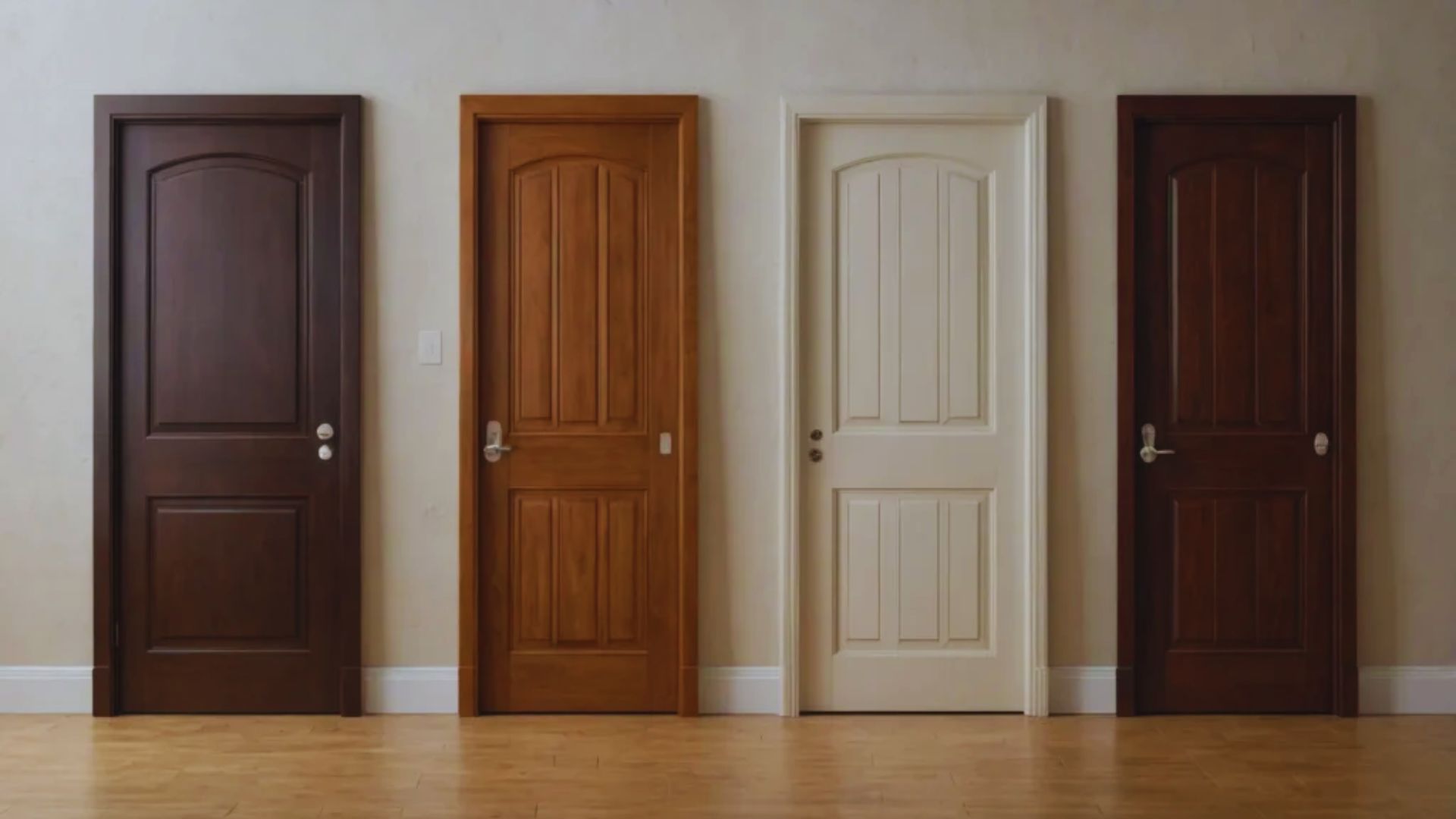
Most bedrooms use 30-inch or 32-inch wide doors. These sizes allow furniture to pass through comfortably. Closet doors often measure 28 inches because you don’t move large items in and out.
Bathroom doors typically run 28 to 30 inches wide. Utility rooms might have 32-inch doors for appliance access.
The standard height for interior doors is 80 inches. Most doors are 1.375 inches thick. These measurements work for homes with 8-foot ceilings.
Exterior Doors
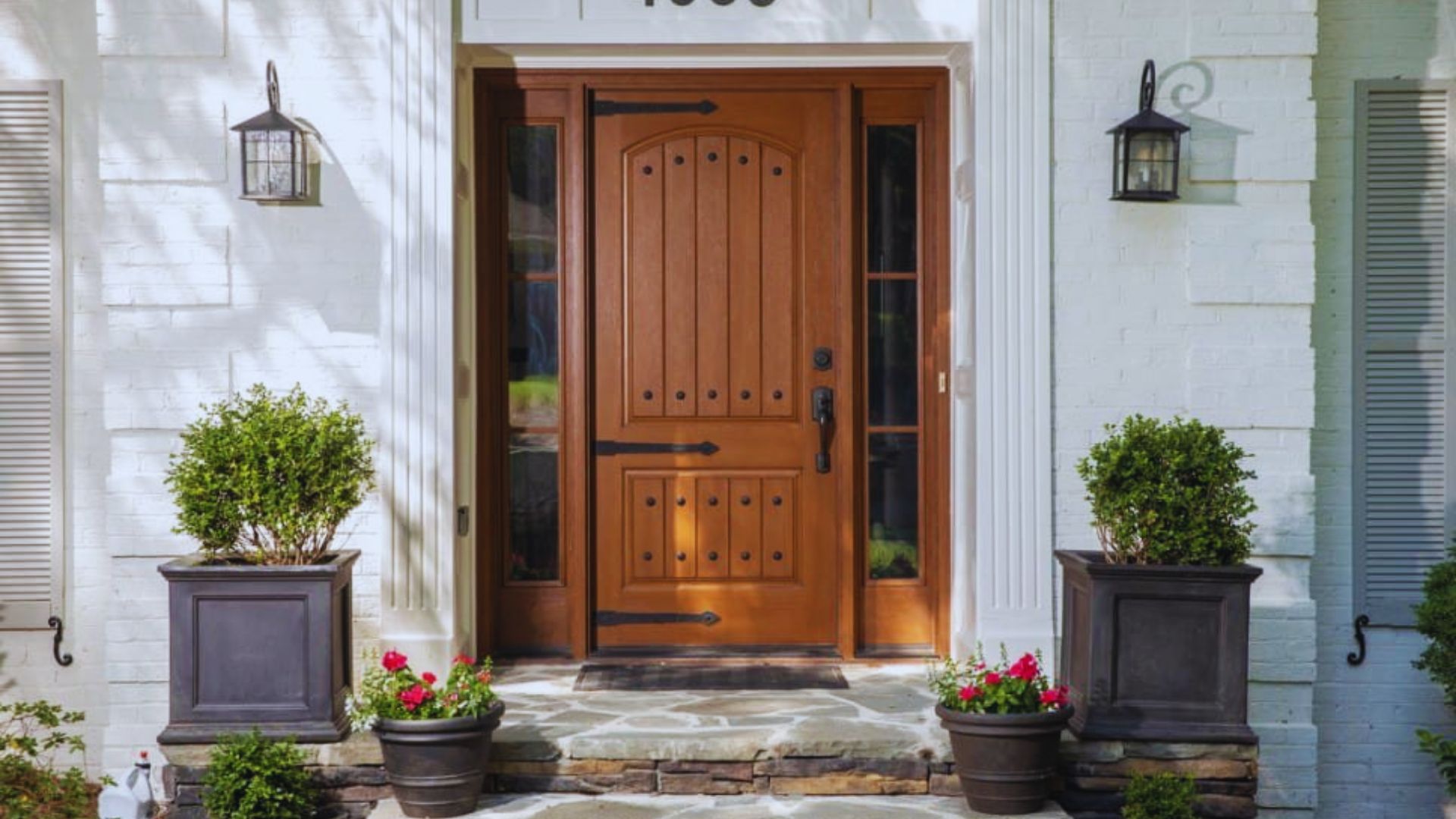
Your front door should be 36 inches wide. This size looks proportional and provides good access. It also meets most building codes for main entrances. Some homeowners choose wider options for dramatic entries.
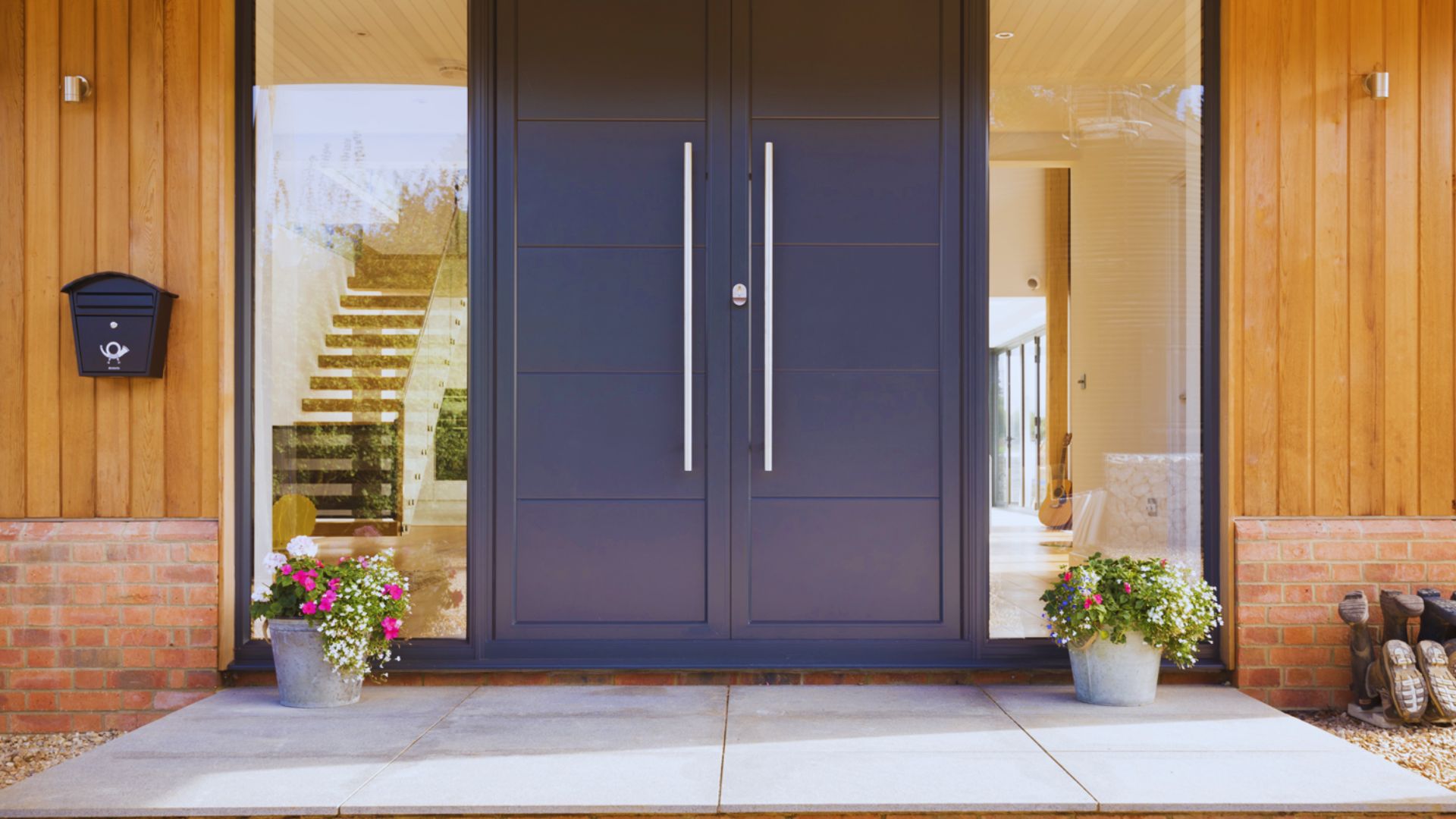
French doors and double entry doors range from 42 to 48 inches total width. These create an attractive look and accommodate moving large furniture.
Standard exterior doors stand 80 inches tall and measure 1.75 inches thick. The extra thickness provides better insulation and security.
Sliding Glass Doors
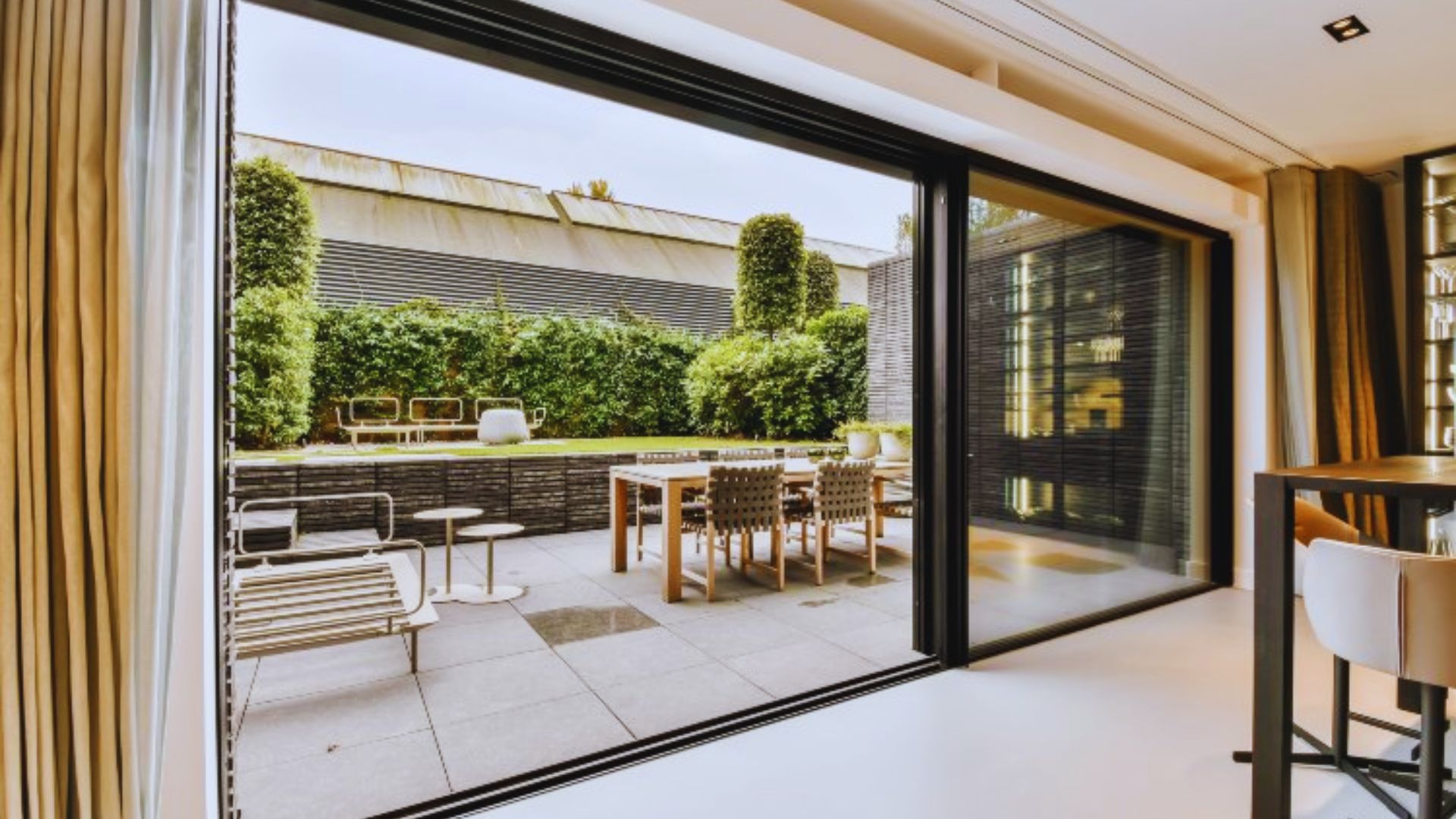
Most sliding glass doors span 60 to 72 inches wide. Two-panel sliders are the most common type. You can find three-panel or four-panel options for wider openings. These can reach up to 144 inches across.
Heights range from 80 to 96 inches. The taller options work well for homes with high ceilings. Consider how much natural light you want when choosing your size.
Accessibility and ADA Considerations

Planning for accessibility makes your home comfortable for everyone. These guidelines help people with mobility challenges.
Minimum Door Width for Wheelchair Access (36″)
A 36-inch clear opening allows wheelchairs to pass through easily. This measurement refers to the actual passage space, not the door itself.
You might need a 38-inch door to achieve a 36-inch clear opening. Check your local building codes for exact requirements.
Threshold and Swing Clearance Guidelines
Thresholds should be less than half an inch high. Beveled edges make wheelchair passage smoother. Doors need 18 inches of clearance on the latch side.
This space lets people in wheelchairs pull doors open comfortably. Plan for proper maneuvering space in front of and behind the door.
Planning for Future Accessibility Needs
Consider installing wider doors now, even if you don’t need them yet. Aging in place becomes easier with accessible features.
Parents with strollers also appreciate wider doorways. These modifications increase your home’s value and appeal to more buyers.
How to Measure Your Door Correctly
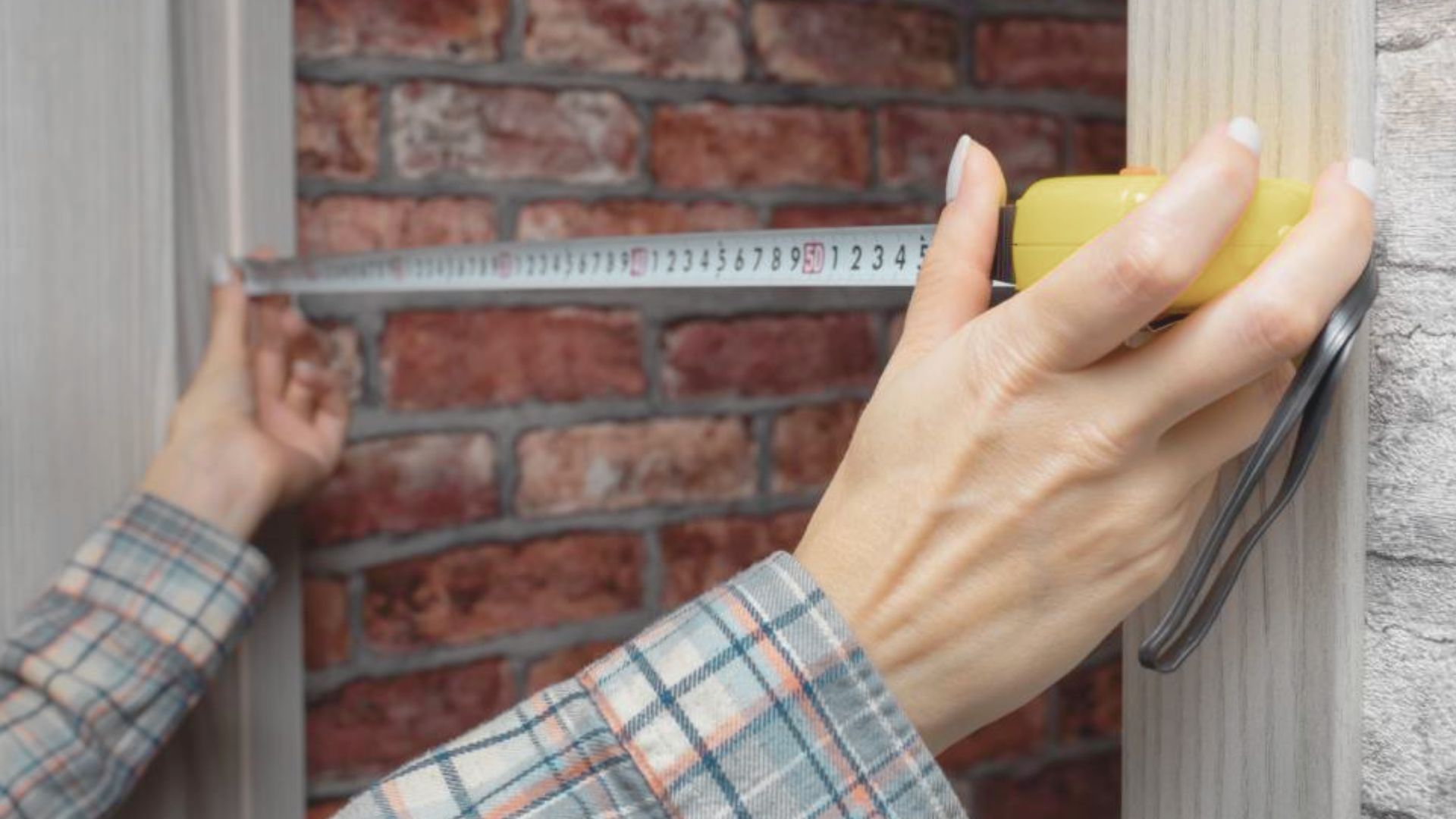
Accurate measurements prevent expensive mistakes. Follow these steps for perfect results.
Measuring Width at Top, Middle, and Bottom
Use a tape measure to check the width in three places. Measure at the top, middle, and bottom of the opening. Old houses often have frames that aren’t perfectly square.
Record the smallest measurement. This number is what you’ll use when ordering your door.
Measuring Height Including the Frame
Measure from the floor to the top of the frame on both sides. Again, record the smallest number. Check if your floor is level.
Uneven floors affect door operation. You might need to adjust the threshold height.
Accounting for Door Swing and Clearance
Determine which way your door should open. Make sure it won’t hit light switches, furniture, or other doors.
You need space for the door to swing fully open. Consider what’s on both sides of the doorway. Plan for at least 2 inches of clearance around the door for the frame.
Rough-In Measurements for Pre-Hung Doors
Pre-hung doors come with their own frame attached. You need a rough opening that’s 2 inches wider than the door.
Add 2.5 inches to the height for the frame and threshold. For a 36-inch door, your rough opening should be 38 inches wide and about 82.5 inches tall.
Custom and Modern Door Options
Sometimes standard sizes don’t work for your vision. Here’s what else is available.
Taller Doors (84″-96″) for High Ceilings
Homes with 9-foot or 10-foot ceilings benefit from taller doors. These create better proportions in the room. Common custom heights include 84, 90, and 96 inches.
Taller doors make spaces feel more grand and open. They do cost more than standard 80-inch doors.
Double Doors and French Doors
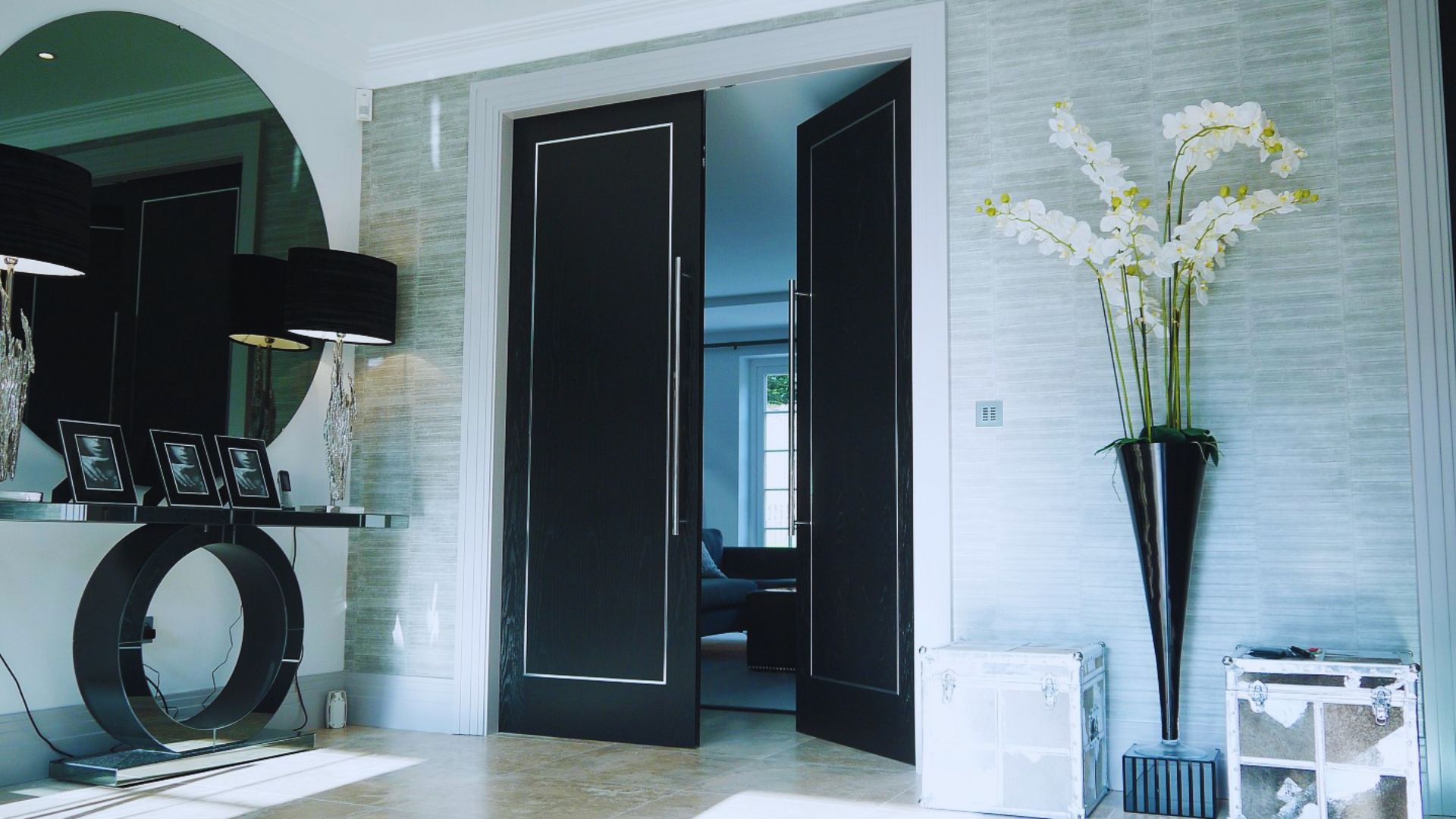
Two doors side by side create a wide opening. Each door typically measures 30 to 36 inches. The total opening ranges from 60 to 72 inches.
French doors add style to your home. They work well between rooms or as patio access. You can find both hinged and sliding French door styles.
Material Considerations: Wood, Fiberglass, Steel
Wood doors offer natural beauty and can be customized easily. They require regular maintenance to prevent warping. Fiberglass doors resist dents and weather damage.
They can mimic wood grain convincingly. Steel doors provide excellent security and durability. Each material has different insulation properties and price points.
Adding Sidelights or Transoms
Sidelights are narrow windows beside your door. They add natural light and curb appeal. Transoms sit above the door for extra light and height. These features work especially well with standard 36-inch doors.
You can find pre-made units with sidelights already attached. Custom combinations let you design exactly what you want.
Common Mistakes When Choosing Door Widths
I’ve seen many homeowners make these errors. Let me help you avoid them.
- Many people measure only once or in one spot. Always measure three times in different locations and write down your measurements. Double-check before you order.
- The way your door swings affects room layout and safety. Exterior doors should swing inward for security. Interior doors usually swing into the room they’re entering.
- Each area has specific requirements for door sizes. Bedrooms need egress windows specific door sizes for emergency exit. Check with your local building department before starting your project.
- A modern glass door looks out of place on a Victorian home. Consider your home’s architectural style and how the door complements your exterior.
- Fire codes sometimes dictate swing direction in certain spaces. Think about how people move through your home when choosing swing direction.
- Exterior doors affect your heating and cooling costs. Look for doors with good insulation values and weather stripping that seals tightly.
- Glass panels should have double or triple panes for better energy efficiency. These features might cost more upfront but save money over time.
Conclusion
I hope this guide cleared up your questions about the width of a standard door. You now know that interior doors run 28 to 32 inches, exterior doors measure 36 inches, and sliding doors span 60 to 72 inches.
Always measure carefully before buying. When in doubt, I recommend consulting a professional installer. They can catch issues you might miss.
Share your door project stories in the comments below. I’d love to hear what worked for your home.
Frequently Asked Questions
What is the most common door width for bedrooms?
The most common bedroom door width is 30 or 32 inches. This size allows comfortable passage and fits standard frames in most homes.
Can I replace a door without changing the frame?
Yes, you can replace just the door if your frame is in good condition. The new door must match your existing frame size exactly.
How wide should a front door be?
A front door should be 36 inches wide for most homes. This width meets building codes and provides enough space for moving furniture.
What door width do I need for wheelchair access?
You need a minimum 36-inch clear opening for wheelchair access. This usually requires a 38-inch door to achieve the proper clearance.
Are taller doors worth the extra cost?
Taller doors are worth it if you have high ceilings above 9 feet. They create better room proportions and look more appealing.
