

Have you ever wondered why some outdoor trash bins have specific labels while others don’t?
If you manage a business, park, HOA, or school, understanding these requirements can save you from costly fines and health code violations.
I’ve seen property managers struggle with compliance issues simply because they didn’t know what their local codes required.
Proper labeling, smart placement, and meeting regulations aren’t just about following rules.
They keep your space clean, protect public health, and show you care about your community.
Let me walk you through what you actually need to know to get this right.
Legal Requirements for Outdoor Waste Receptacles
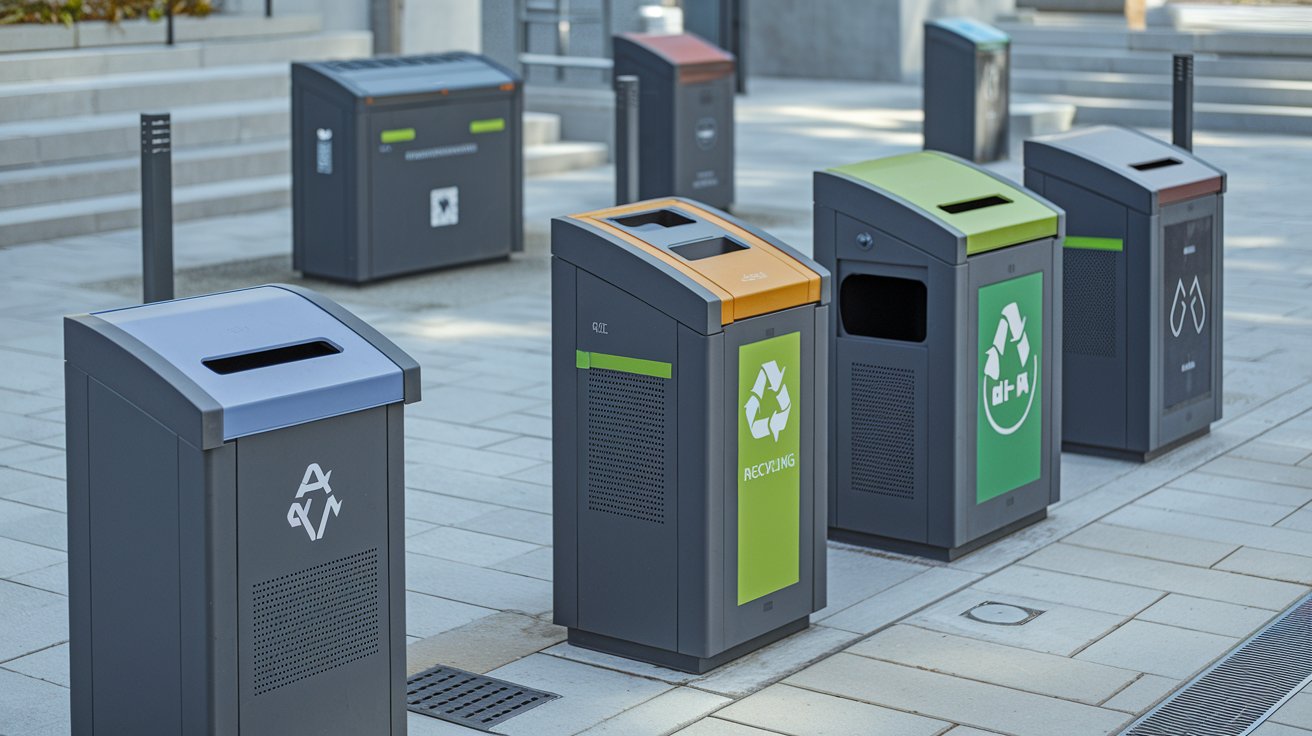
Understanding the rules that govern your outdoor bins helps you stay compliant and avoid penalties from local authorities.
Compliance With Local, State, and Federal Regulations
Municipal codes set the foundation. Your city determines bin sizes, where you can place them, and collection schedules. Check your local sanitation office for specific requirements.
Commercial properties need more than residential ones. Restaurants must provide grease disposal access. Retail spaces often require separate recycling bins. Health inspectors check these during routine visits.
State health standards cover materials and maintenance. Bins must resist pests and have proper drainage. Food service and medical facilities follow stricter protocols to prevent contamination risks.
OSHA and Public Safety Guidelines
OSHA protects waste collection workers. Your bins need functional handles, working wheels, and lids that open easily. Poor equipment causes injuries, so quality matters.
Height and reach standards prevent strain. Public bins must meet ADA accessibility requirements so everyone can use them safely.
Basic safety features include reflective strips for visibility and secure lids that stay closed during transport. These protect workers and keep your property clean.
Mandatory Labeling Requirements
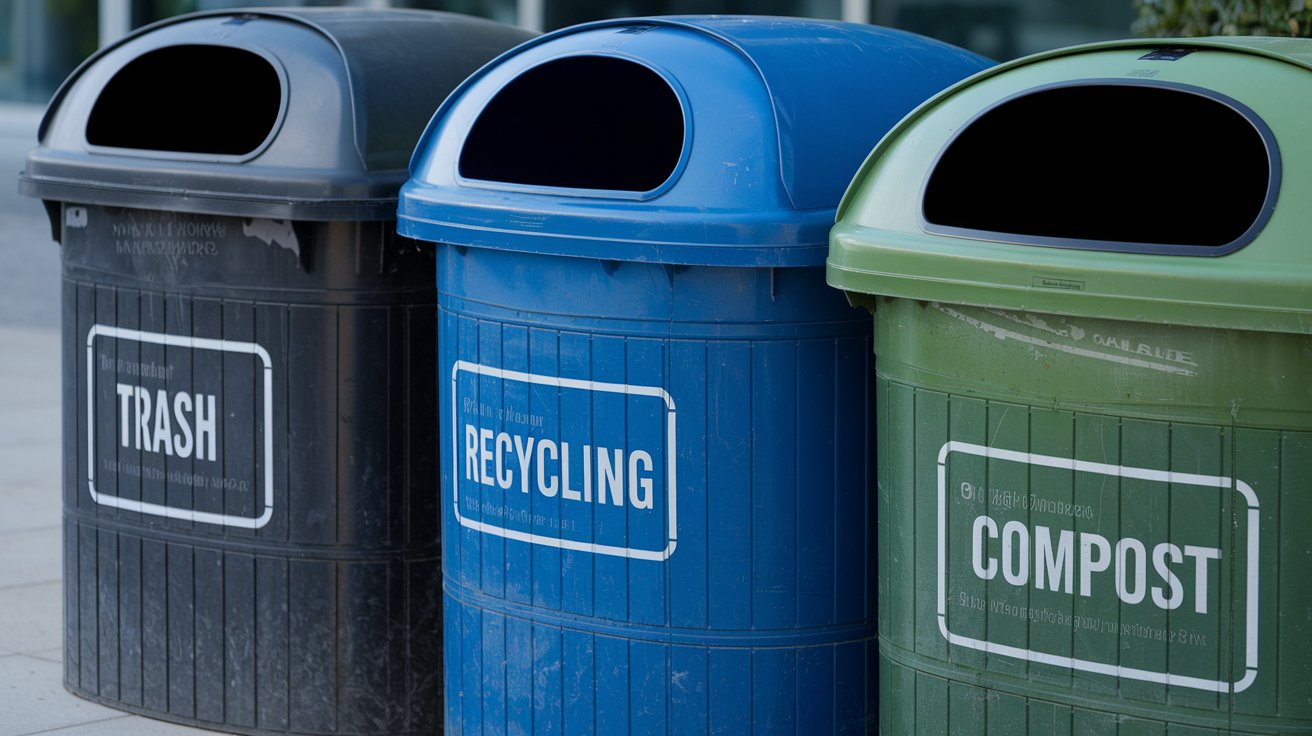
Proper labels on your outdoor bins prevent confusion and keep waste streams separated correctly for processing and compliance.
Clear Identification Labels
Your bins need clear words that tell people exactly what goes inside. Use simple terms like “Trash,” “Recycling,” “Compost,” or “Landfill.” Avoid vague labels that make people guess.
Correct labeling stops contamination. When someone tosses a plastic bottle into compost, the entire batch might get rejected at the processing facility. That wastes time and money. Clear labels guide proper disposal and keep your recycling programs running smoothly.
Size, Visibility & Material Standards for Labels
Labels must be large enough to read from a few feet away. Most codes require minimum 2-inch lettering for primary words. Place them at eye level on the front of each bin.
Use weather-resistant materials. Paper labels fade and peel within weeks. Vinyl or metal labels withstand rain, sun, and temperature changes. They stay readable for years, which saves you replacement costs.
Color Coding Requirements
Standard color systems help everyone recognize bin types instantly. Blue typically means recycling. Green indicates compost or organic waste. Black or gray signals regular trash.
Keep colors consistent across your entire property. If your recycling bins are blue at the front entrance, they should be blue everywhere else too. Consistency reduces mistakes and makes compliance easier for visitors and staff.
Structural Requirements for Outdoor Waste Receptacles
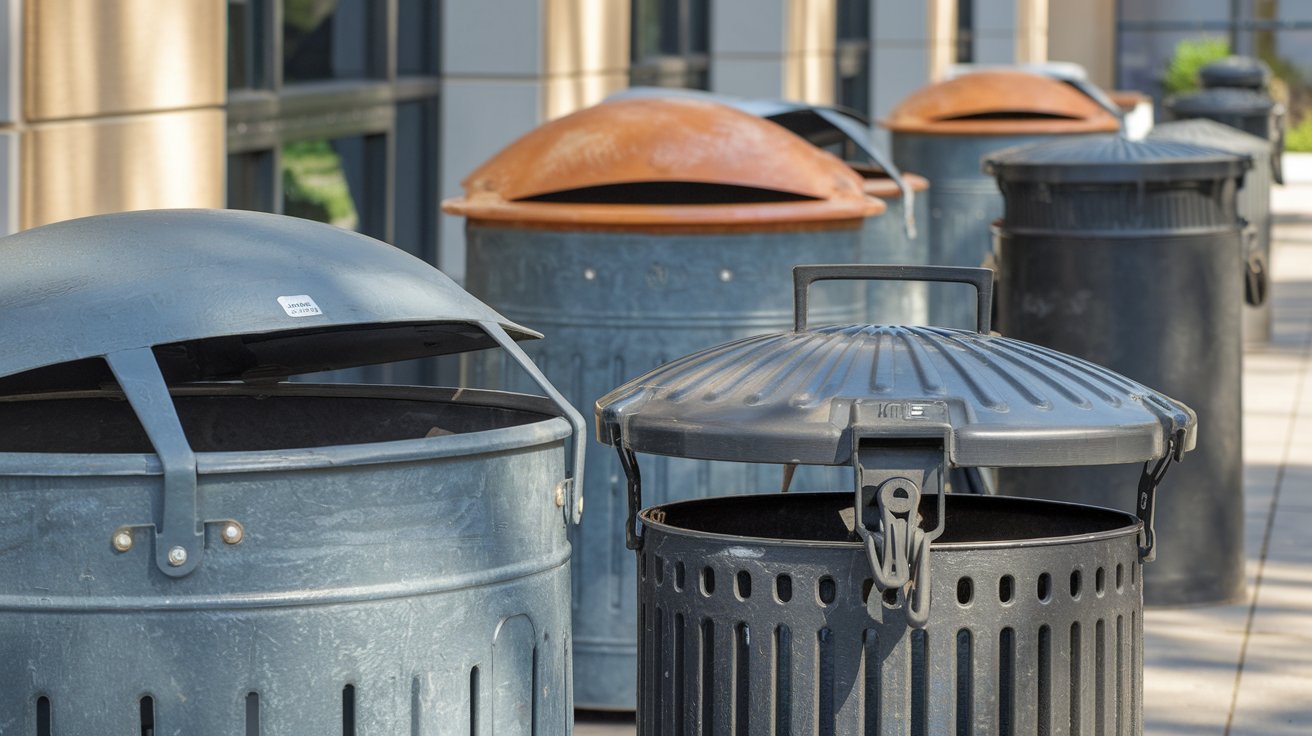
Your outdoor bins must be built tough enough to handle weather, wildlife, and daily use while meeting safety codes.
Durable, Weather-Resistant Construction
Most codes require heavy-duty plastic, galvanized steel, or powder-coated metal. These materials resist cracking and breaking down over time.
UV resistance prevents brittleness. Quality bins maintain strength through extreme temperatures and direct sunlight exposure.
Rust and corrosion protection is essential, especially in coastal areas or rainy climates. Proper coatings or stainless steel construction keeps bins functional for years.
Secured Lids and Animal-Resistant Features
Raccoons, bears, and wildlife can easily open simple lids. Many areas require locking mechanisms or weighted covers to keep animals out.
Parks and wilderness areas often mandate bear-resistant certification. Check local wildlife agencies for your area’s specific requirements.
Secure closures also contain trash on windy days and control odors across your property.
Fire-Safe and Non-Combustible Design Standards
Commercial properties near buildings often require metal bins or fire-retardant materials to prevent bins from fueling fires.
Restaurants and manufacturing facilities may need metal liners inside plastic bins for materials that could smolder.
Building codes specify minimum distances between bins and structures. Keep your bin specifications handy for inspector visits.
Placement Requirements and Regulations
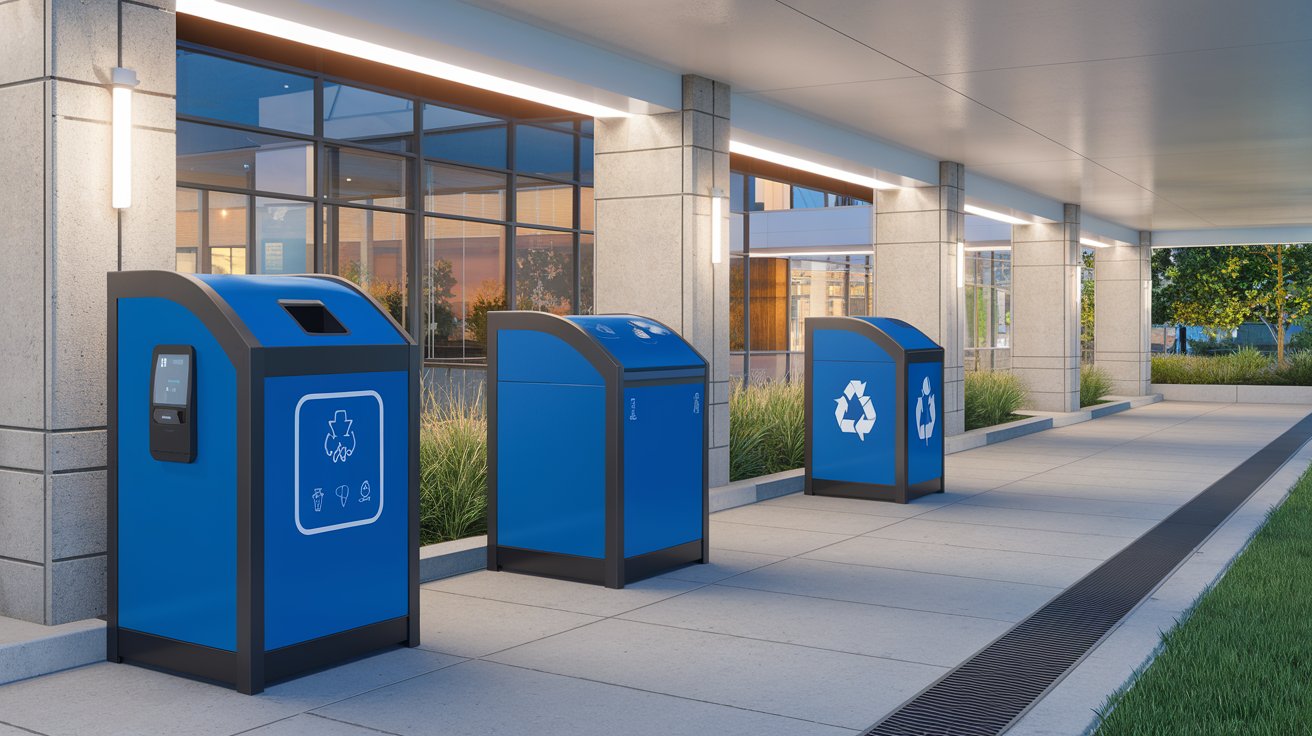
Where you put your outdoor bins matters just as much as the bins themselves for safety and code compliance.
Proper Distance From Entrances and Walkways
Keep bins 10 to 20 feet from building entrances to control odors. Don’t block sidewalks or doorways. Maintain 36-inch clearance on walkways for ADA compliance and wheelchair access.
Accessibility Standards
Public bins can’t be higher than 48 inches from the ground. Everyone needs to reach them comfortably without stretching or straining.
Provide 30 by 48 inches of clear floor space in front of each bin. This lets wheelchair users approach and use receptacles independently.
Parks, schools, and government buildings follow stricter rules to accommodate people of all abilities.
Municipal Setback Rules and Collection Access
Most cities require 3 to 5 feet from property lines. This keeps bins off neighboring properties and public walkways.
Space bins apart so collection trucks can reach them easily. Crowded bins cause missed pickups and slow down service.
Leave clear paths around bins for sanitation workers. They need room to safely handle and maneuver collection equipment.
Maintenance & Sanitation Requirements
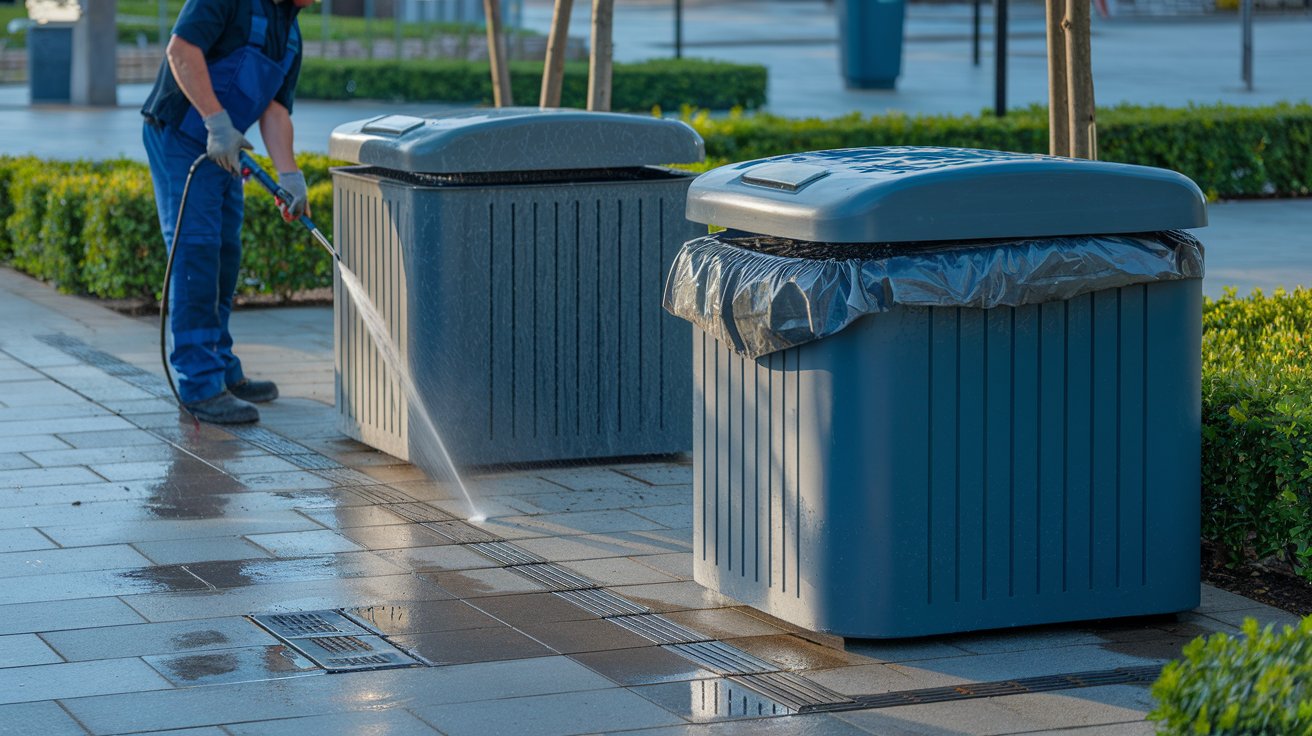
Regular cleaning keeps your bins compliant and your property pleasant.
Most codes require weekly washing for standard bins, but high-traffic areas like restaurants and parks need daily or twice-weekly cleaning. Use liners to contain leaks and make cleanup easier.
Many jurisdictions mandate liners for food waste bins to prevent contamination. Empty bins before they overflow since spills violate health codes and attract pests.
Install drain holes at the bottom to prevent standing water, which breeds bacteria and creates odors that bother neighbors and customers.
Enforcement, Fines & Penalties
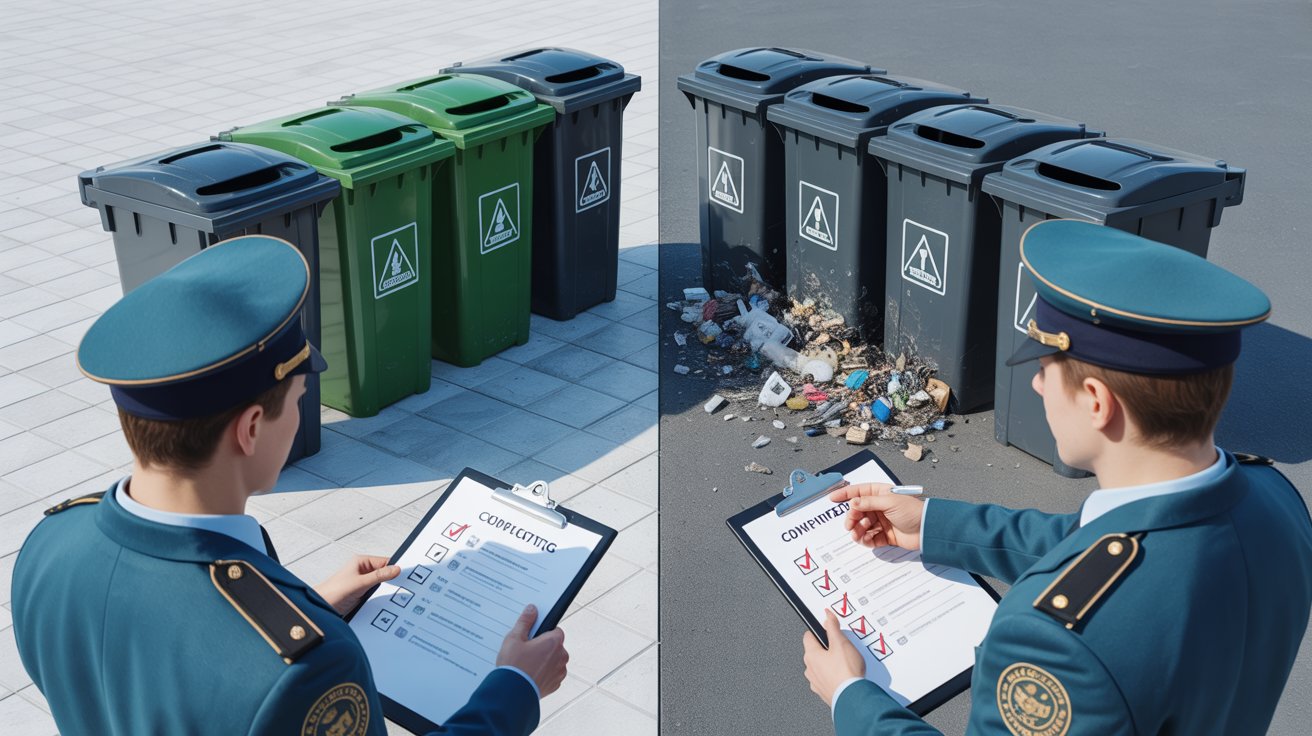
Violations can cost you hundreds or thousands of dollars depending on your location and severity.
Common Violations
Improper labeling tops the list. Missing or faded labels contaminate waste streams and trigger citations during inspections.
Incorrect placement causes problems. Bins blocking walkways or violating setback rules result in fines. Accessibility violations carry steep penalties.
Overfilled bins create health hazards. Trash spilling onto the ground attracts pests and violates sanitation codes.
How to Stay Compliant to Avoid Fines
Train staff on proper bin use and maintenance. Everyone should know what goes where and when to empty bins.
Audit your waste areas monthly. Check labels for fading and verify placement meets current codes.
Keep cleaning and maintenance records. Documentation proves compliance during inspections or after complaints.
Tips for Choosing a Compliant Outdoor Waste Receptacle
- Check material certifications before buying: Look for bins rated for outdoor use with UV resistance, rust-proof coatings, and warranties of at least 5 years.
- Match bin size to your actual waste volume: Undersized bins overflow and violate codes, while oversized ones waste money on collection fees you don’t need.
- Choose bins with permanent built-in labels: Molded or engraved labels never fade or peel, saving you replacement costs and keeping you compliant long-term.
- Prioritize easy-clean designs with smooth interiors: Bins without corners or crevices take less time to sanitize and prevent buildup that attracts pests.
- Select locking lids that workers can still open quickly: Balance security against accessibility so staff and collectors can use bins efficiently without fumbling with complicated mechanisms.
Conclusion
Getting your outdoor bins right isn’t complicated once you know the rules. Focus on proper labeling, durable materials, smart placement, and regular maintenance.
I’ve seen businesses avoid thousands in fines simply by checking their local codes and training staff properly. Compliant bins do more than keep inspectors happy.
They create safer workspaces, reduce pest problems, and improve the smoothness of waste collection. Take an hour this week to audit your current setup.
Check those labels, measure setback distances, and make sure lids work properly. Small fixes now prevent big headaches later and keep your property running efficiently.
Frequently Asked Questions
What labels are legally required on outdoor waste bins?
Most areas require clear text labels like “Trash,” “Recycling,” or “Compost” in minimum 2-inch lettering. Labels must be weather-resistant and placed at eye level for easy visibility.
How far should outdoor bins be placed from building entrances?
Standard codes require 10 to 20 feet between bins and main entrances to control odors and maintain appearance. Check your local municipal codes for exact distance requirements in your area.
Do outdoor waste receptacles need to be ADA compliant?
Yes, public bins must have openings no higher than 48 inches from the ground with 30 by 48 inches of clear floor space in front. This ensures wheelchair users can access them independently.
How often should outdoor waste bins be cleaned?
Standard bins need weekly cleaning, but high-traffic areas like restaurants and parks require daily or twice-weekly sanitation. Always clean bins when spills occur to prevent health code violations.
What materials are required for outdoor waste receptacles?
Bins must use weather-resistant materials like heavy-duty plastic, galvanized steel, or powder-coated metal. They need UV resistance, rust protection, and construction that withstands local climate conditions.
