

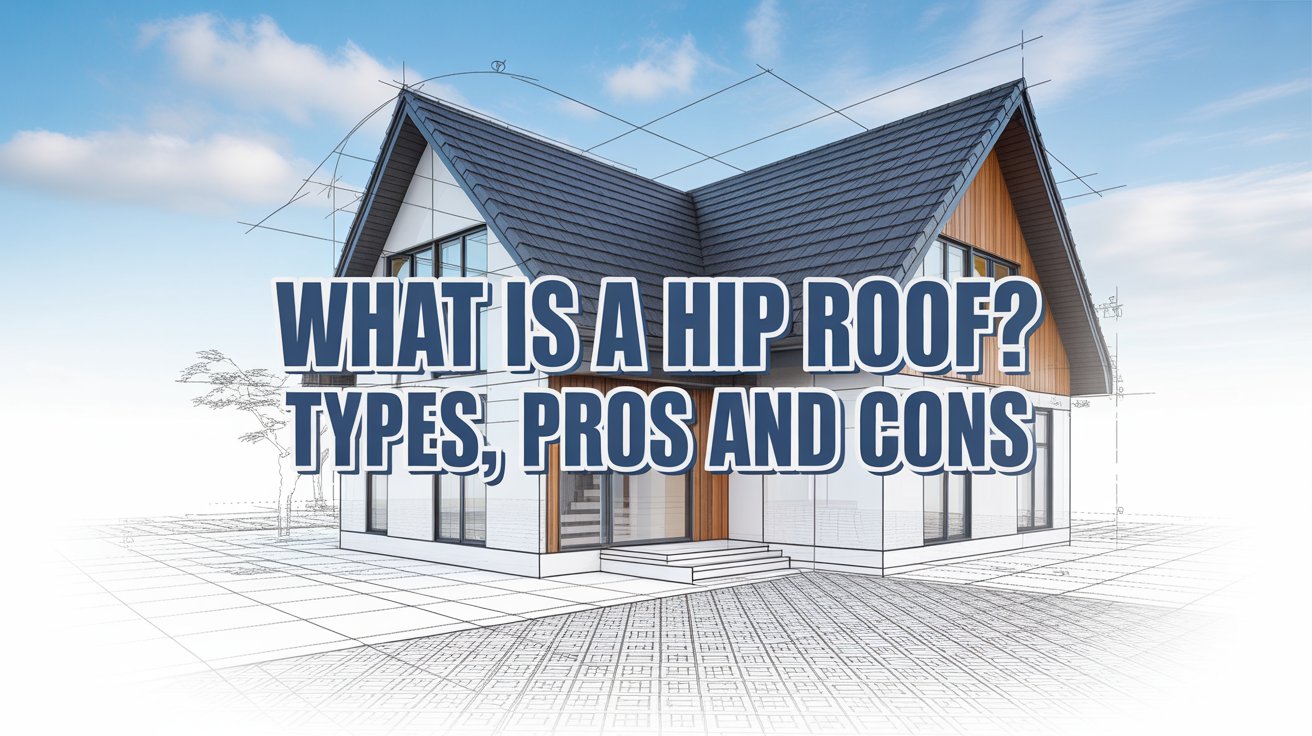
Learn what a hip roof is, types, pros and cons. Get expert tips to choose the right hip roof for your home today.
What Is a Hip Roof? Types, Pros and Cons
What is a hip roof? It’s one of the smartest choices you can make for your home. I’m here to walk you through everything about this unique roofing style.
You’ll learn what makes hip roofs different, the various types available, and whether one suits your house.
This guide covers the structure, benefits, and potential downsides so you can make an informed decision.
I’ve spent years helping homeowners pick the right roof, and I know how confusing it gets. Trust me to break it down in simple terms. We’ll cover definitions, components, types, pros, cons, and selection tips.
Ready to find your perfect roof?
What Is a Hip Roof?
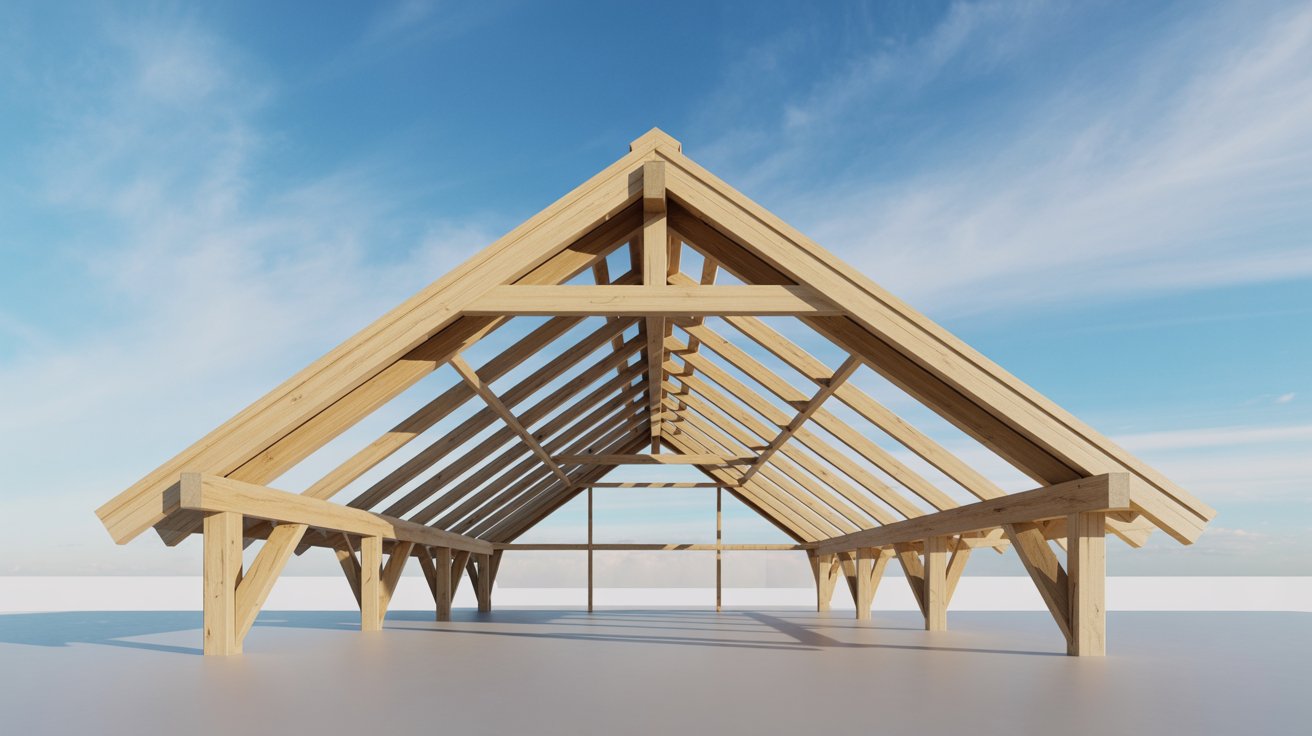
A hip roof has slopes on all four sides that meet at the top. The sides come together at a ridge or peak. Think of it like a pyramid sitting in your house. This creates a unique look and offers serious protection.
Gable roofs are different. They only slope on two sides. The other two sides stay vertical. Hip roofs provide coverage from every angle.
The key parts include the ridge beam at the very top, hip rafters running from corners to the ridge, common rafters from walls to ridge, and jack rafters filling the spaces between.
The self-bracing design makes hip roofs incredibly strong. Each slope supports the others. Weight spreads evenly across all four sides.
This design fights wind damage better than most roof types. Heavy snow sits balanced instead of pushing on just two sides. Your home stays safer during storms.
Types of Hip Roofs
Hip roofs come in several varieties, each designed for specific home shapes and needs. The right type depends on your building’s layout and your goals for space and style.
1. Simple Hip Roof
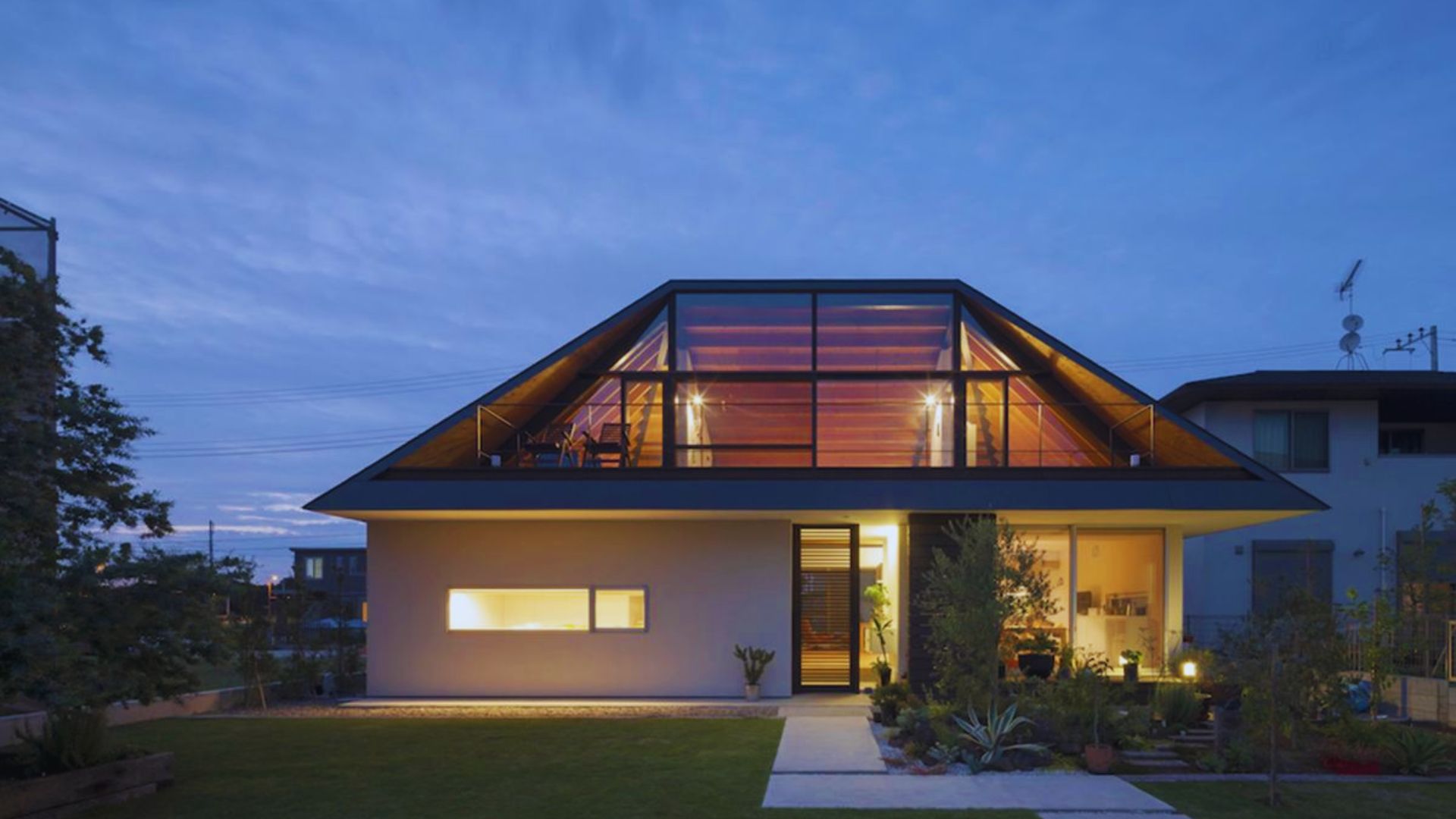
This works best for rectangular houses. Four equal slopes rise to one central ridge. It’s the most common hip roof you’ll see in neighborhoods. The design is straightforward and costs less than more complex types.
Installation goes faster because the structure is uniform. Most contractors are familiar with this style, making repairs easier down the road.
2. Pyramid (Pavilion) Hip Roof
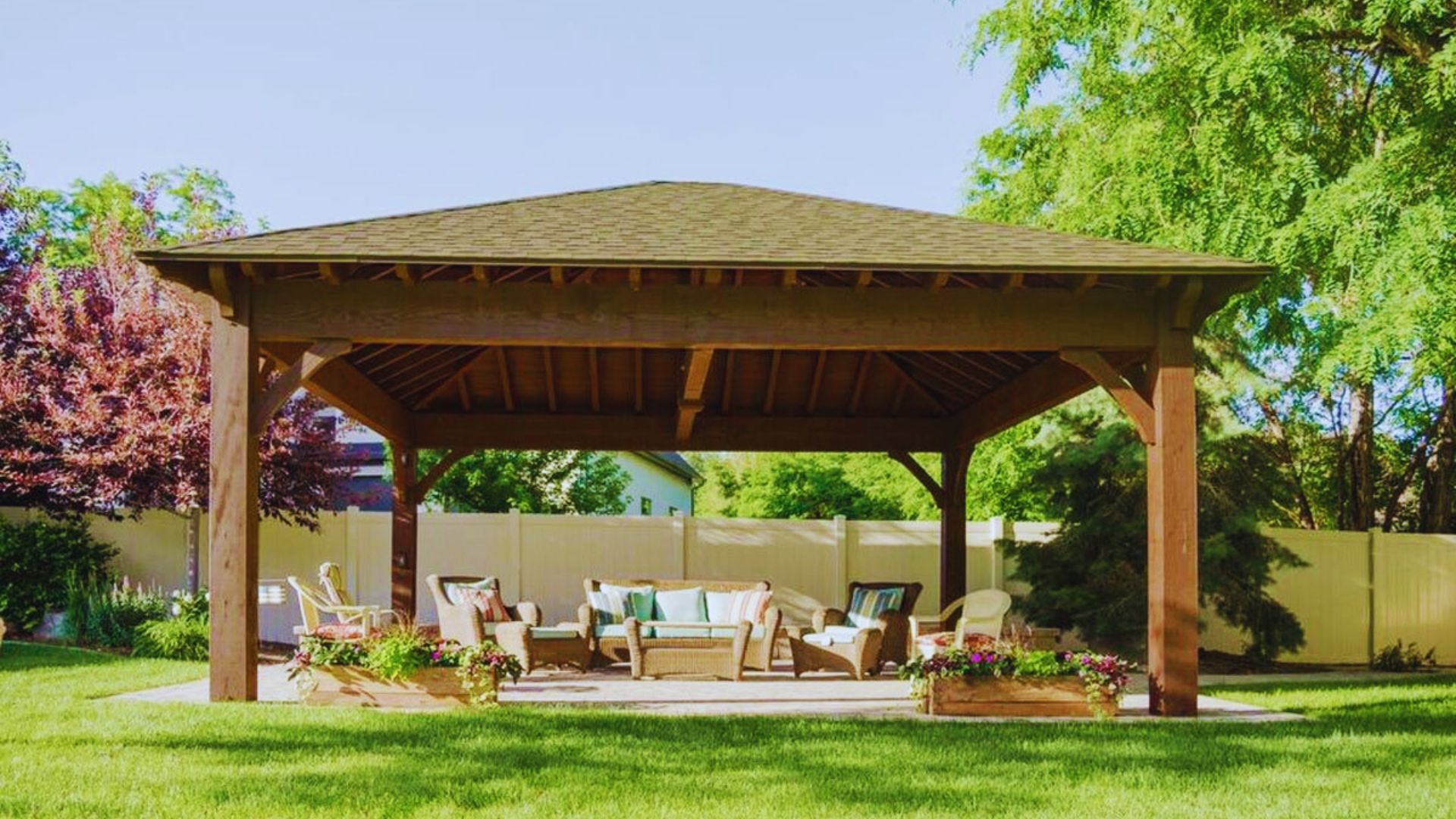
Perfect for square buildings. All four slopes meet at a single point at the top. No ridge beam needed. It looks like a pyramid.
This type offers maximum wind resistance because of its symmetrical shape. Gazebos and small structures often use this design. The equal slopes shed water efficiently from all directions.
3. Cross-Hipped Roof

L-shaped homes need this type. Multiple ridges cross each other where the house sections meet. It handles complex floor plans beautifully. This design works for homes with wings or additions.
The valleys where sections meet need careful waterproofing. You get the hip roof benefits across your entire home, no matter how complex the layout.
4. Half-Hip Roof
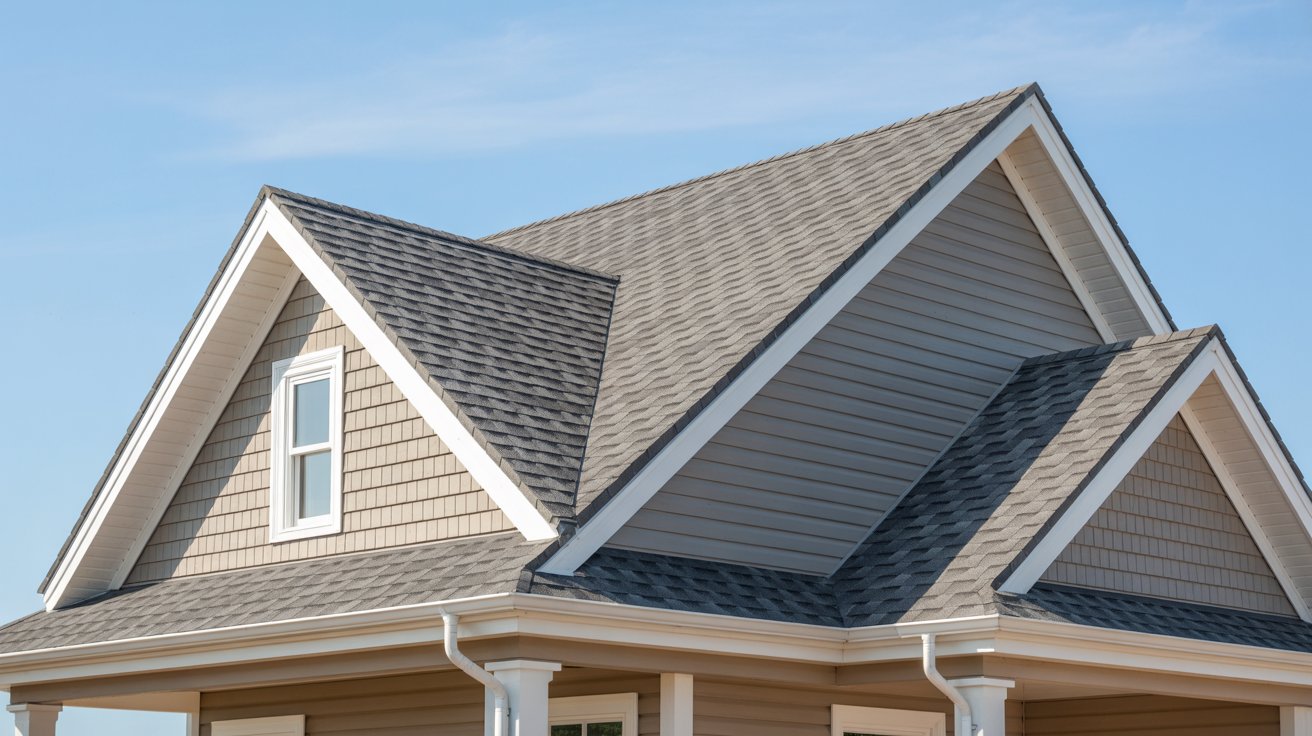
This combines hip and gable styles. The end slopes get shortened. You get some hip roof benefits while keeping more attic space.
The partial hip provides wind protection at the most vulnerable points. The gable section allows for windows or vents. This compromise suits homeowners who want both storage and stability.
5. Dutch Gable Roof
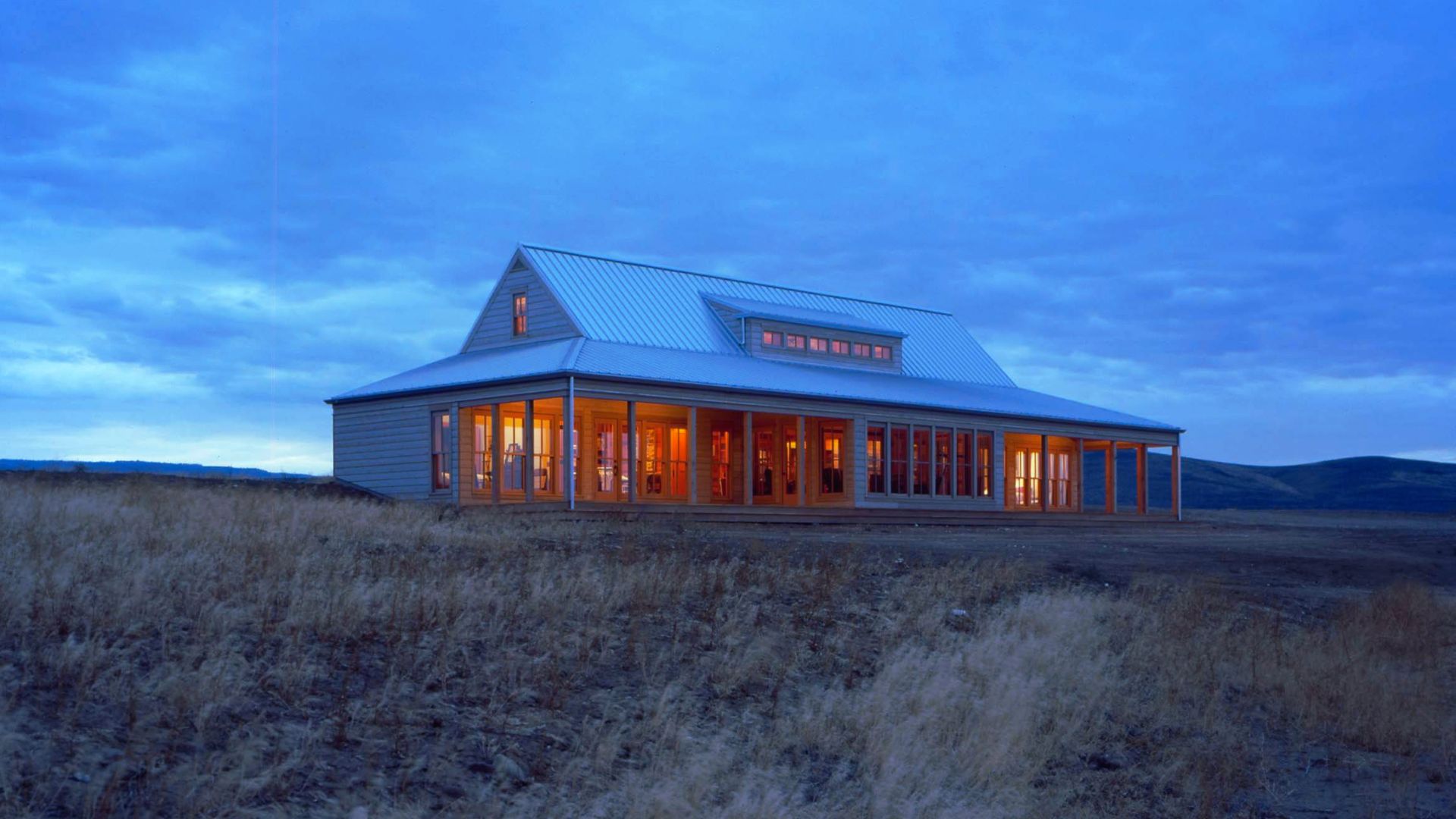
A small gable section sits on top of the hip roof. This adds extra space in your attic. It also creates interesting visual characters. The gable portion can include windows for natural light.
This improves attic ventilation too. The style originated in Holland and remains popular in traditional architecture.
6. Mansard Hip Roof

The lower slopes are very steep. The upper slopes flatten out. This French design adds lots of usable space inside your top floor. You can convert the upper area into full living space with standard ceiling heights.
Dormer windows fit naturally into the steep lower slopes. This style dominated Parisian architecture in the 1800s.
7. Tented Roof

Multiple steep sides rise sharply to a peak. You see these on church steeples and tower structures. They create dramatic height. The steep pitch sheds snow and rain extremely well.
This design adds vertical emphasis to round or polygonal buildings. Victorian homes sometimes feature tented roofs on turrets or tower rooms.
Benefits of a Hip Roof
Hip roofs deliver strong performance combining strength, beauty, and practical advantages for your home.
Wind and Weather Resistance: The sloped design on every side supports itself. Wind can’t catch a flat surface and rip it off. Storm-prone areas benefit most from this protection.
Efficient Water Drainage: Slopes on all sides push water away quickly. No flat spots mean no pooling. Leaks become much less likely. Rain and melting snow drain fast.
Appealing Look: The balanced design catches eyes. Symmetry creates curb appeal. Your home looks complete and well-designed from every angle.
Stability and Durability: Weight spreads evenly across the structure. No single wall bears too much load. This reduces stress and prevents damage over time.
Energy Efficiency: Natural air flow happens under hip roofs. Hot air escapes better in summer. Your cooling costs can drop. The design promotes ventilation.
Potential Drawbacks of Hip Roofs
Hip roofs bring challenges including increased expenses, limited storage space, and higher maintenance demands for homeowners.
Higher Construction Cost: More materials are needed for four slopes. Skilled labor costs more because the design is complex. Your budget needs to account for this premium.
Reduced Attic Space: The slopes cut into a usable attic area. You lose storage room compared to gable roofs.
Solutions: Add dormers to create more space. Small gable sections can help too. These modifications open up the interior.
Maintenance Considerations: More seams mean more potential leak points. Regular inspections are important. You need to check valleys and joints carefully. Prevention beats repairs.
Choosing the Right Hip Roof for Your Home
Selecting the right hip roof type requires careful thought about several important factors that affect both function and cost.
- House shape matters. Rectangular homes suit simple hip roofs. Square buildings work with pyramid styles. L-shaped houses need cross-hipped designs.
- Climate plays a big role. Windy areas benefit most from hip roofs. Heavy snow regions appreciate the even weight distribution. Hot climates enjoy natural ventilation.
- The budget sets limits. Hip roofs cost more upfront. Long-term benefits may justify the expense. Calculate total ownership costs.
- Design preferences count. Do you want traditional or modern? Symmetrical or unique? Your taste guides the choice.
- Professional installation is crucial. Hire experienced roofers who understand hip roof complexity. Proper maintenance extends roof life significantly.
Conclusion
Now you know what a hip roof is and how it can protect your home. You’ve learned about the structure, types, pros, and cons. Hip roofs cost more upfront, but the stability is worth it.
I installed one on my home three years ago, and every storm that passes reminds me why. The extra expense paid off in peace of mind. Think about your climate and budget.
Ready to move forward? Reach out to a trusted roofer for a free assessment. Your home deserves the best protection.
Frequently Asked Questions
How long does a hip roof last?
Hip roofs typically last 20 to 50 years depending on materials and maintenance. Regular inspections extend their lifespan significantly.
Are hip roofs more expensive than gable roofs?
Yes, hip roofs cost 10 to 20 percent more due to complex design and extra materials. Labor costs are higher too.
Can I add solar panels to a hip roof?
Absolutely. Hip roofs work well with solar panels. Multiple slopes offer flexible placement options for optimal sun exposure.
Do hip roofs need special maintenance?
They need regular inspections of seams and valleys. Clean gutters prevent water backup. Otherwise, standard roof maintenance applies.
Which hip roof type suits small homes?
Simple hip roofs or pyramid hip roofs work best for small homes. They provide full coverage without overwhelming the structure.
