

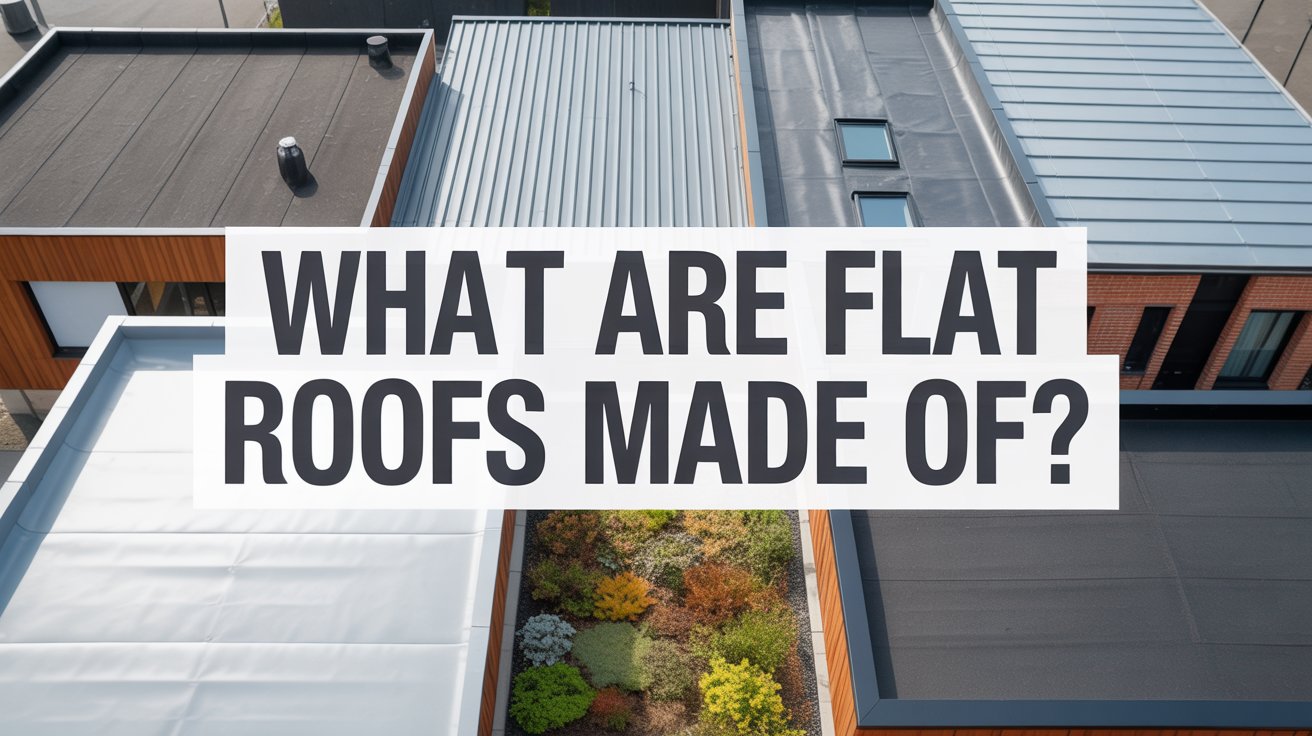
Flat roofs are everywhere in modern buildings. You see them in offices, homes, and warehouses. But what are flat roofs made of? That’s what I’m here to answer.
Choosing the right material affects how long your roof lasts and how much you spend. In this guide, I’ll walk you through 11 popular materials.
You’ll learn what each one offers, where it works best, and what to watch out for. I’ve helped friends make these choices, and I know how confusing it gets.
Let’s make this simple together. By the end, you’ll know exactly which material fits your needs.
Why Choosing the Right Flat Roof Material Matters
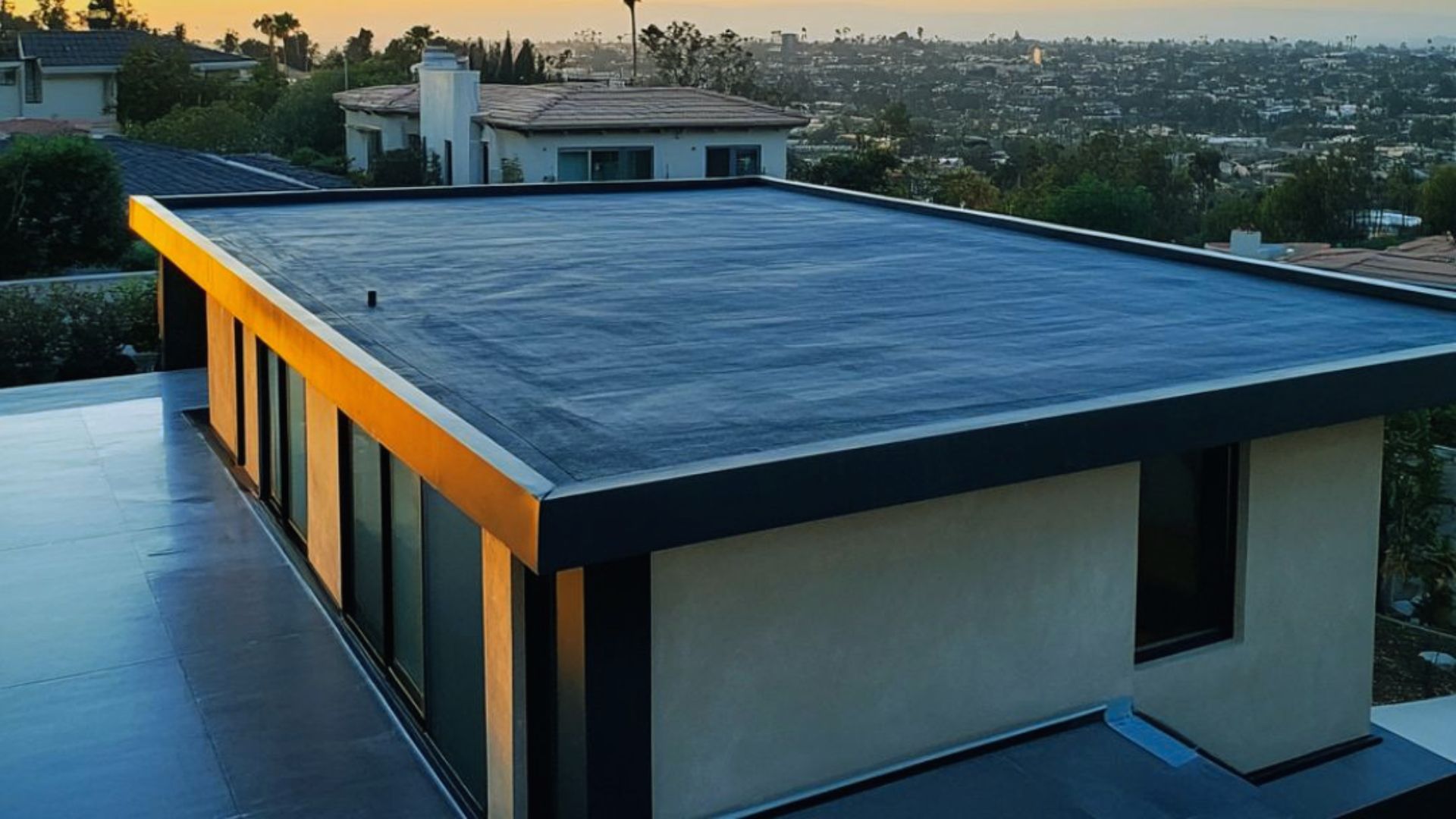
The material you pick determines everything about your roof’s performance.
Lifespan changes dramatically between options. Some materials last 10 years while others push past 50 years. That’s a huge difference in value.
Maintenance requirements vary too. Certain roofs need annual inspections and repairs. Others work fine with minimal attention.
Energy efficiency matters for your wallet. Reflective materials bounce heat away and lower cooling costs. Dark surfaces absorb heat and make your building hotter.
Budget is always a concern. Installation costs range from affordable to expensive. Long-term maintenance adds up over decades.
Appearance affects your building’s look. Some materials blend in beautifully. Others stand out or look industrial.
Each material brings strengths and weaknesses. There’s no perfect choice for every project. Your building type, climate, and budget determine what works best.
11 Popular Flat Roof Materials and Their Uses
From traditional asphalt layers to modern membranes, here’s what builders use today.
1. Built-Up Roofing (BUR)
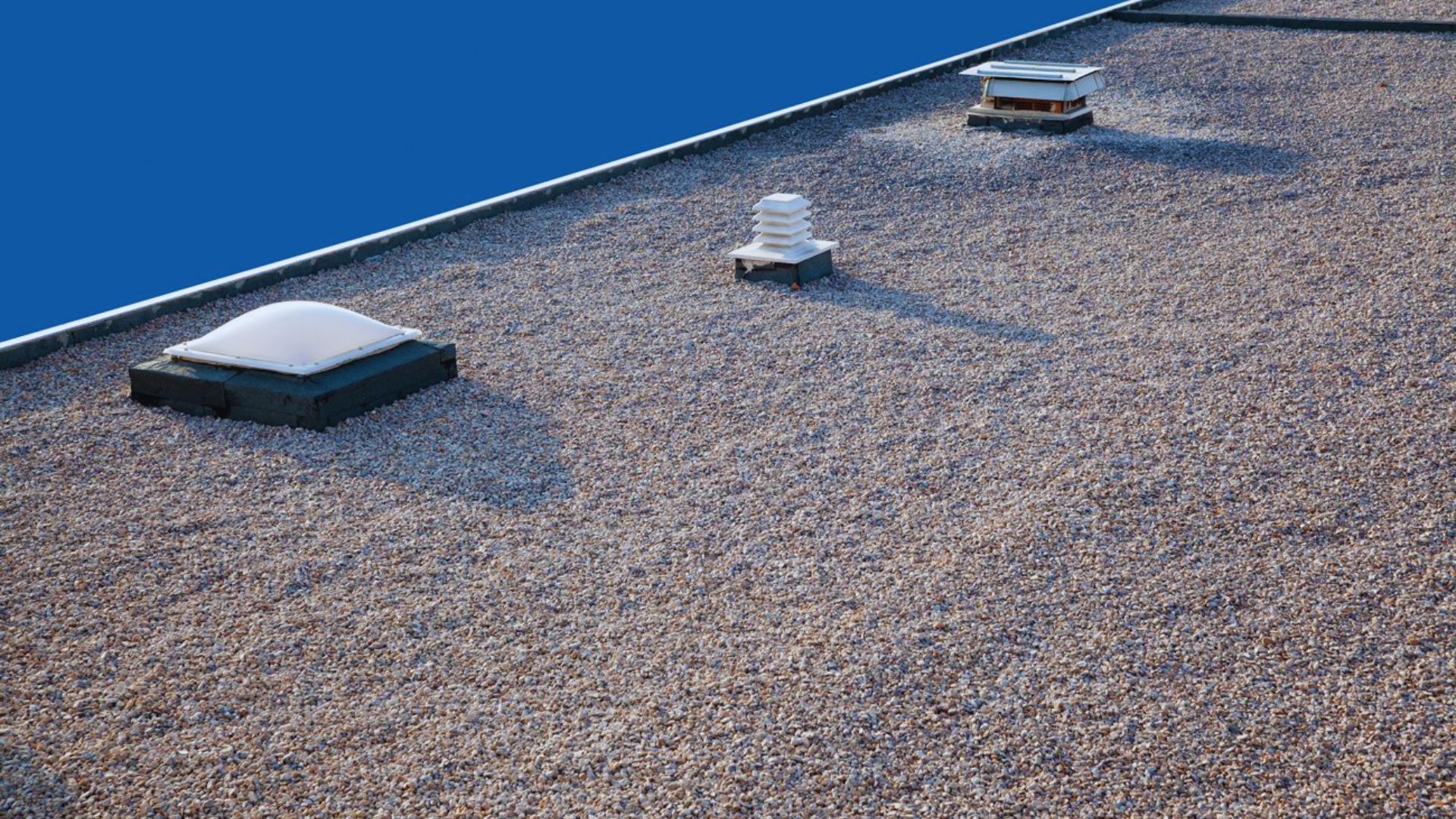
Built-up roofing stacks multiple layers of asphalt and reinforcing fabric. The top gets finished with gravel or a cap sheet. This creates a thick, protective barrier.
Best Uses: Commercial buildings rely on BUR often. Industrial facilities use it too. Some residential projects choose this option for durability.
Pros: BUR lasts up to 30 years when installed correctly. It keeps water out reliably. UV rays don’t damage it easily.
Cons: The weight is a problem though. Your building needs strong support. Installation takes time and requires experienced crews.
2. Modified Bitumen Roofing
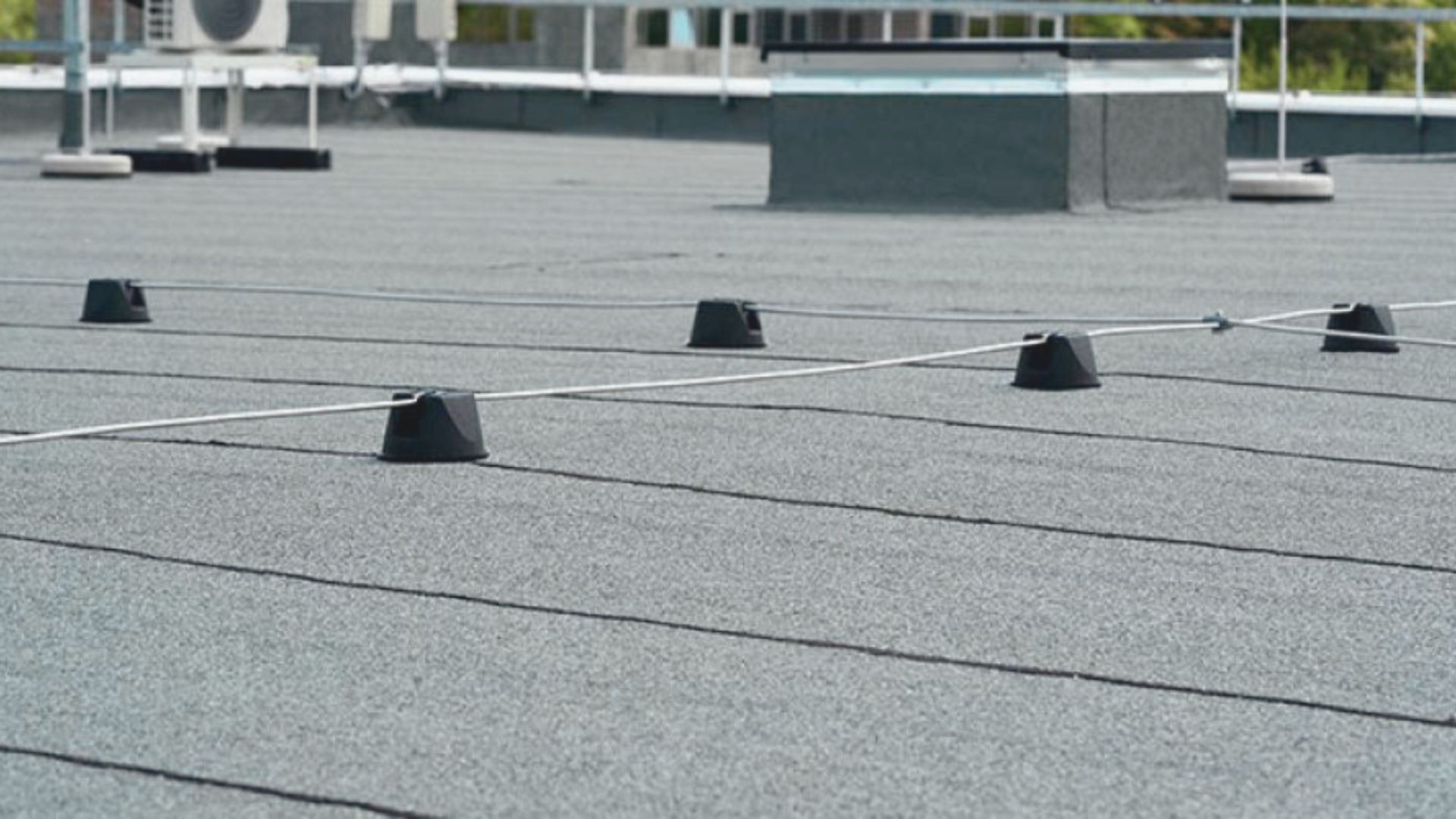
Modified bitumen improves on traditional BUR. Manufacturers combine asphalt with rubber or plastic modifiers. This makes the material more flexible.
Best Uses: Commercial roofs benefit from this material. Residential flat roofs work well with it. Retail stores choose it frequently.
Pros: The flexibility helps it handle temperature changes. Installation goes faster than BUR. Weather doesn’t damage it quickly.
Cons: You’ll need regular maintenance checks. The lifespan runs 10 to 20 years. That’s shorter than some alternatives.
3. Ethylene Propylene Diene Monomer (EPDM)
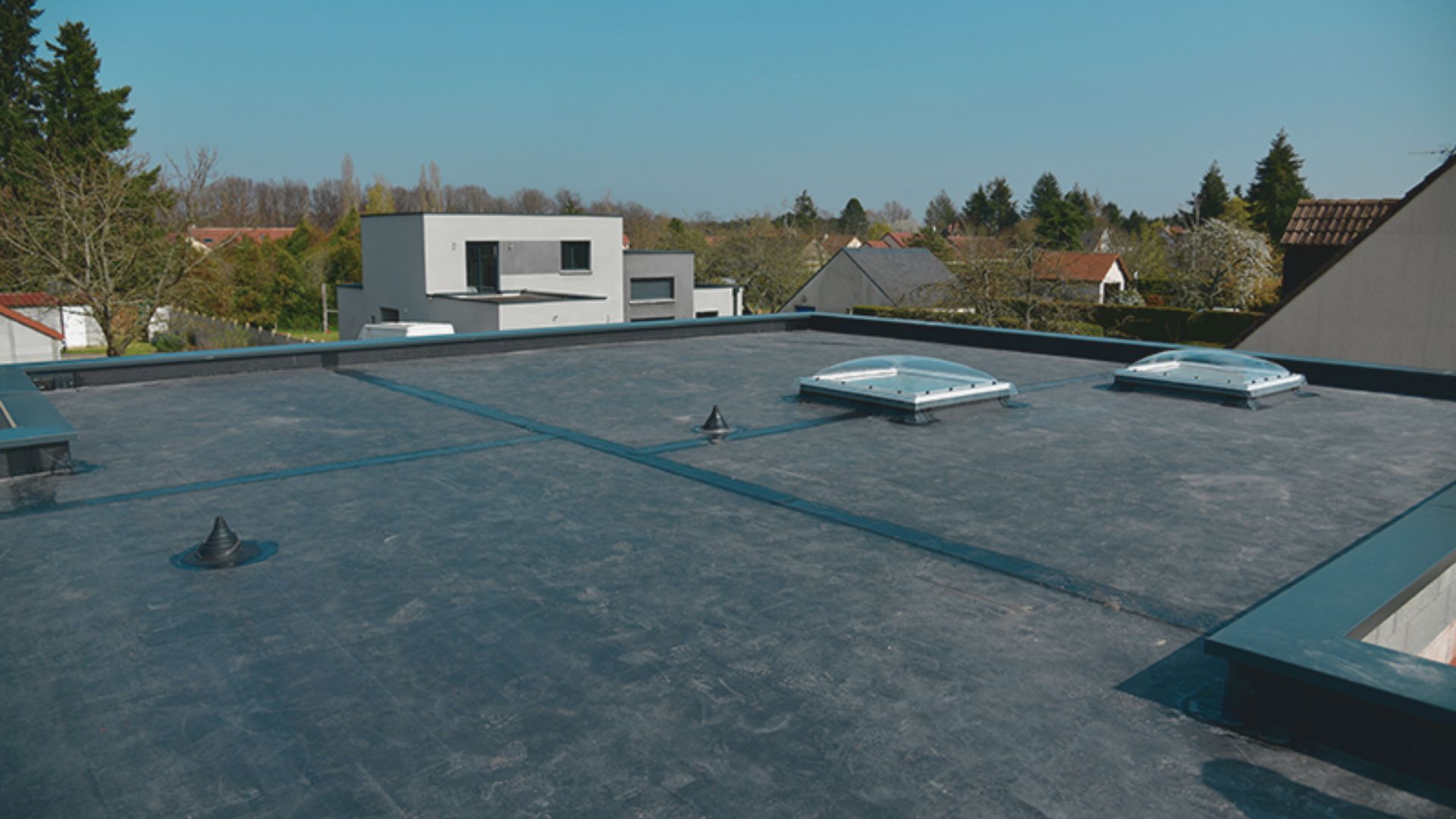
EPDM is a rubber membrane that comes in large sheets. You can get it in black or white. It’s like a giant rubber blanket for your roof.
Best Uses: Commercial buildings use EPDM widely. Green roofs often start with this base. Warehouses appreciate its durability.
Pros: EPDM lasts 25 to 30 years easily. The cost stays reasonable compared to other options. It’s eco-friendly and recyclable.
Cons: The appearance isn’t attractive. It looks industrial and plain. Non-reinforced versions wear down faster in high-traffic areas.
4. Thermoplastic Olefin (TPO)
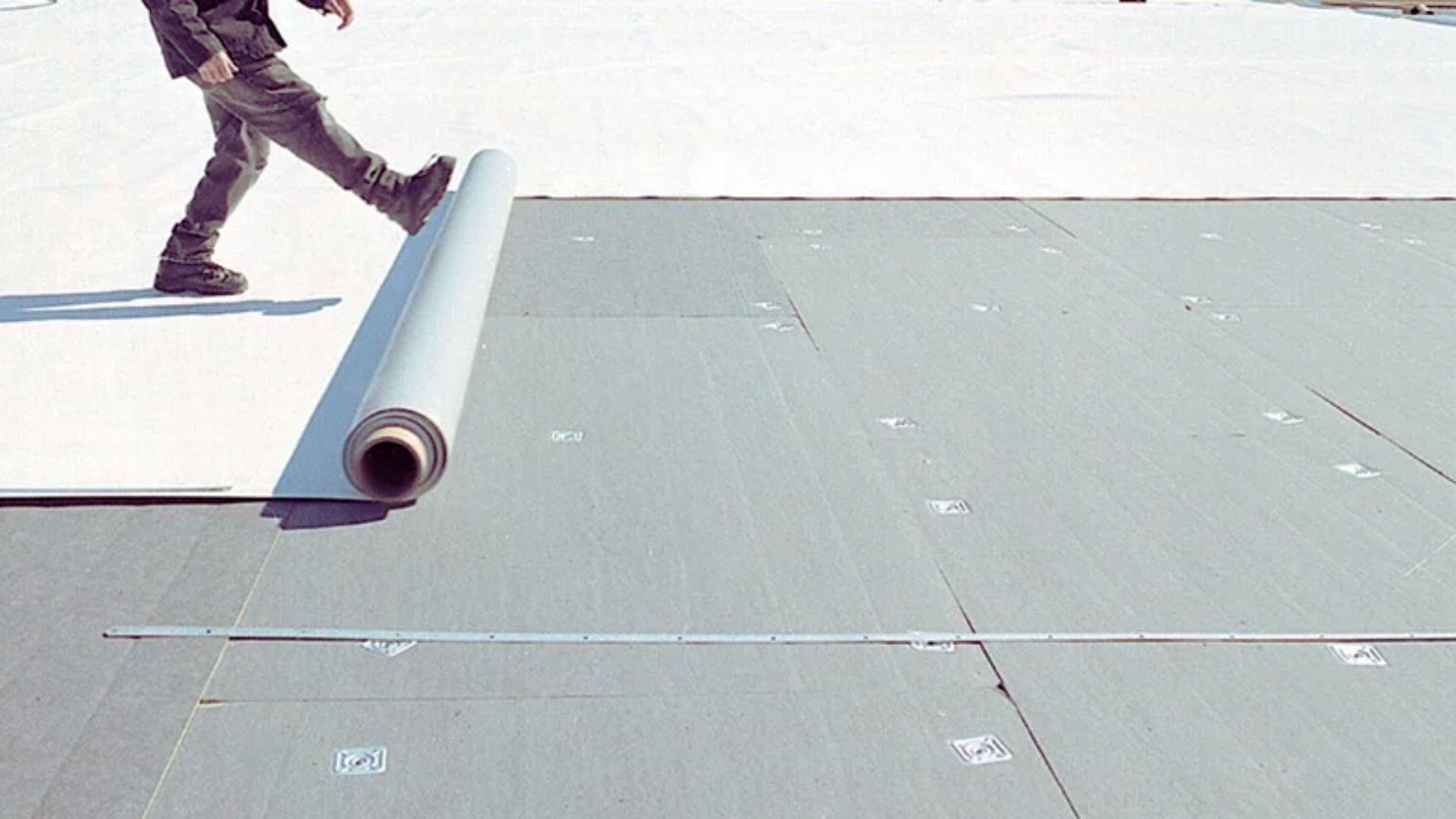
TPO is a single-ply membrane that combines benefits from different materials. It takes EPDM’s durability and adds PVC’s easy installation.
Best Uses: Commercial buildings wanting energy savings choose TPO. Residential buildings use it too. It works well when cooling costs matter.
Pros: TPO reflects heat and lowers energy bills. It resists mold and tears well. You can recycle it when replacement time comes.
Cons: The technology is newer than other options. Some brands crack earlier than expected. Quality varies between manufacturers.
5. Polyvinyl Chloride (PVC)
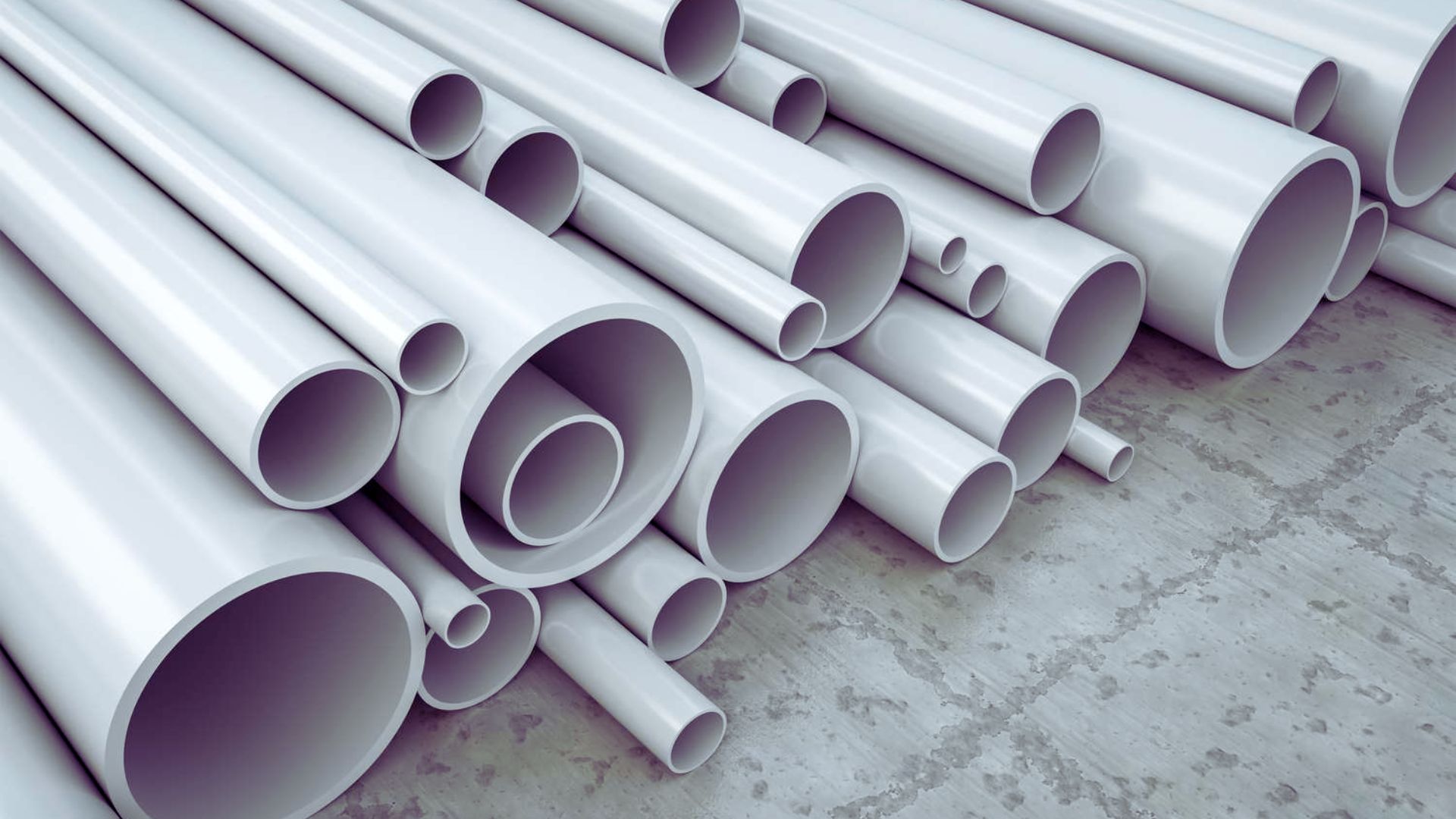
PVC is a single-ply vinyl roofing material. It resists chemicals better than most alternatives. Durability is excellent.
Best Uses: Commercial buildings with chemical exposure need PVC. Industrial facilities rely on it. Restaurants use it because grease doesn’t damage it.
Pros: Chemical resistance is outstanding. PVC can last up to 30 years. It weighs less than many alternatives.
Cons: The price is high compared to other options. Cold climates make it brittle. You’ll pay more upfront.
6. Spray Polyurethane Foam (SPF)
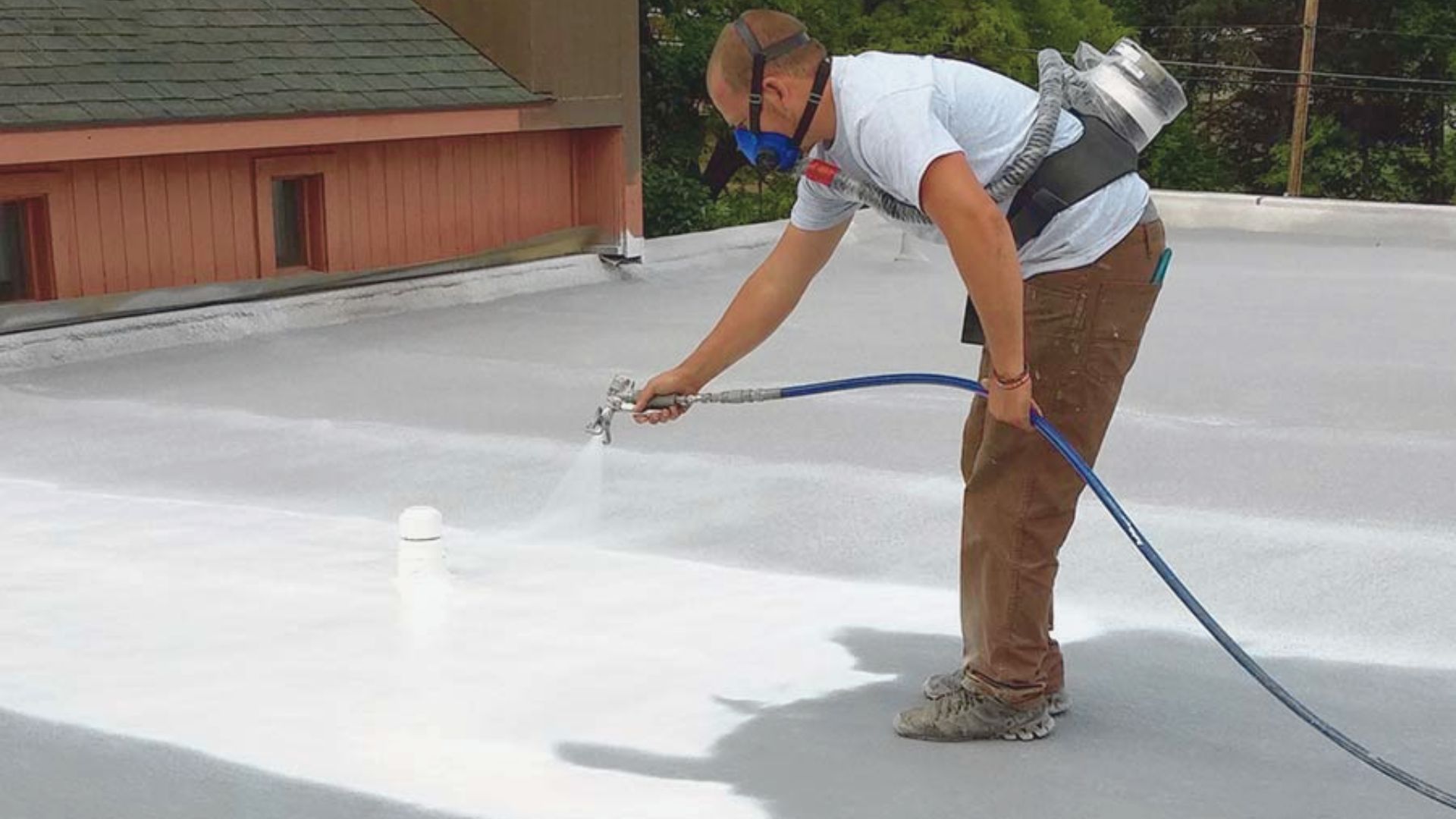
SPF gets sprayed directly onto your roof. It expands into foam and hardens. The result is a seamless, solid layer.
Best Uses: Large commercial areas benefit from SPF. Residential homes needing extra insulation choose it. It works on irregular shapes.
Pros: Insulation value is extremely high. There are no seams to leak. Installation happens quickly.
Cons: UV light damages the foam. You need a protective coating on top. Maintenance can’t be skipped.
7. Metal Flat Roofs
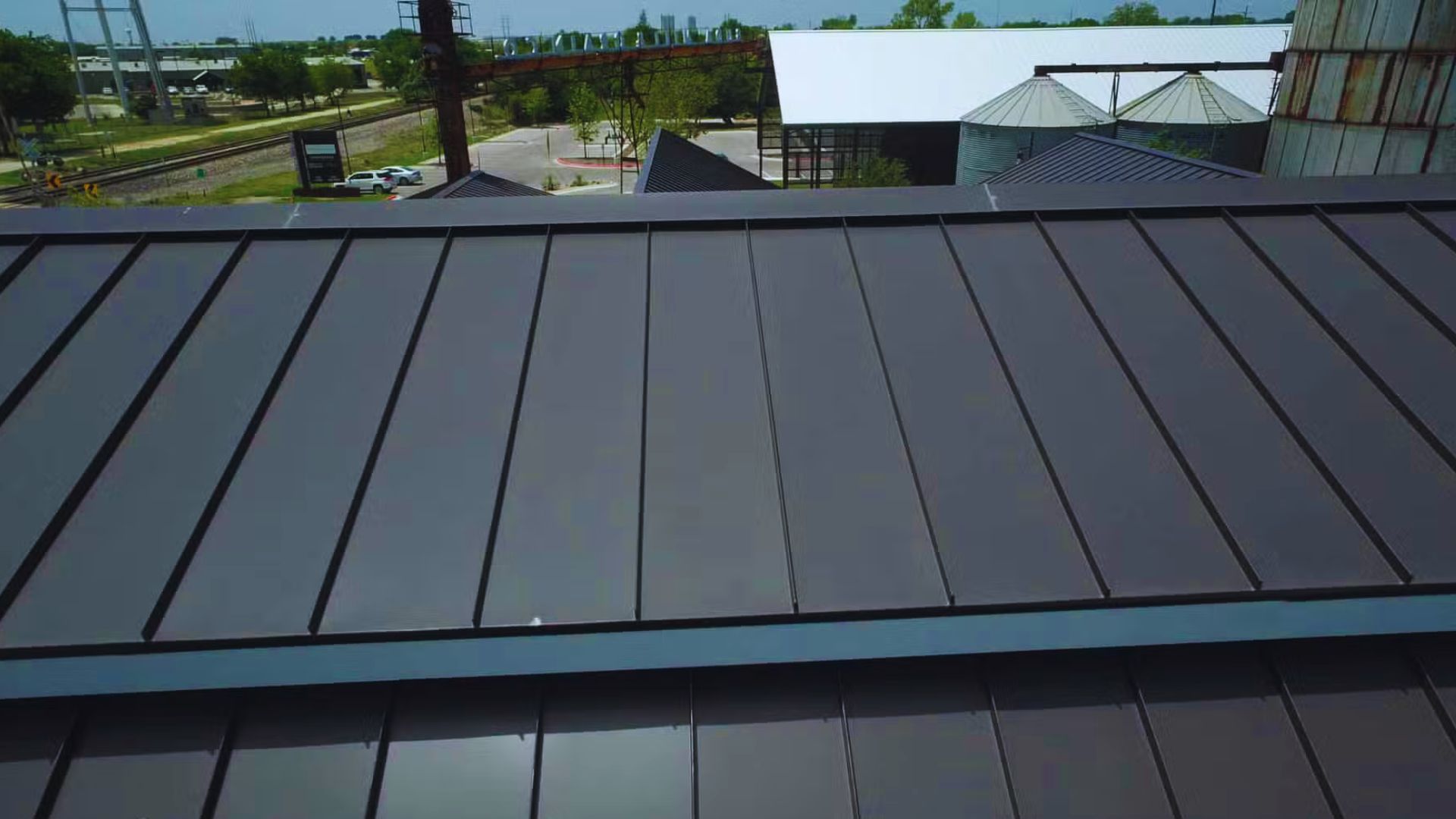
Metal panels made of aluminum, steel, or copper get fastened to your roof deck. They create a solid, durable surface.
Best Uses: Residential homes appreciate longevity. Commercial buildings use metal often. Industrial facilities rely on its strength.
Pros: Metal lasts 40 to 50 years. The weather doesn’t damage it easily. Maintenance needs are minimal.
Cons: The cost is high initially. Rain creates noise inside. Walking on metal roofs is slippery.
8. Green Roofing
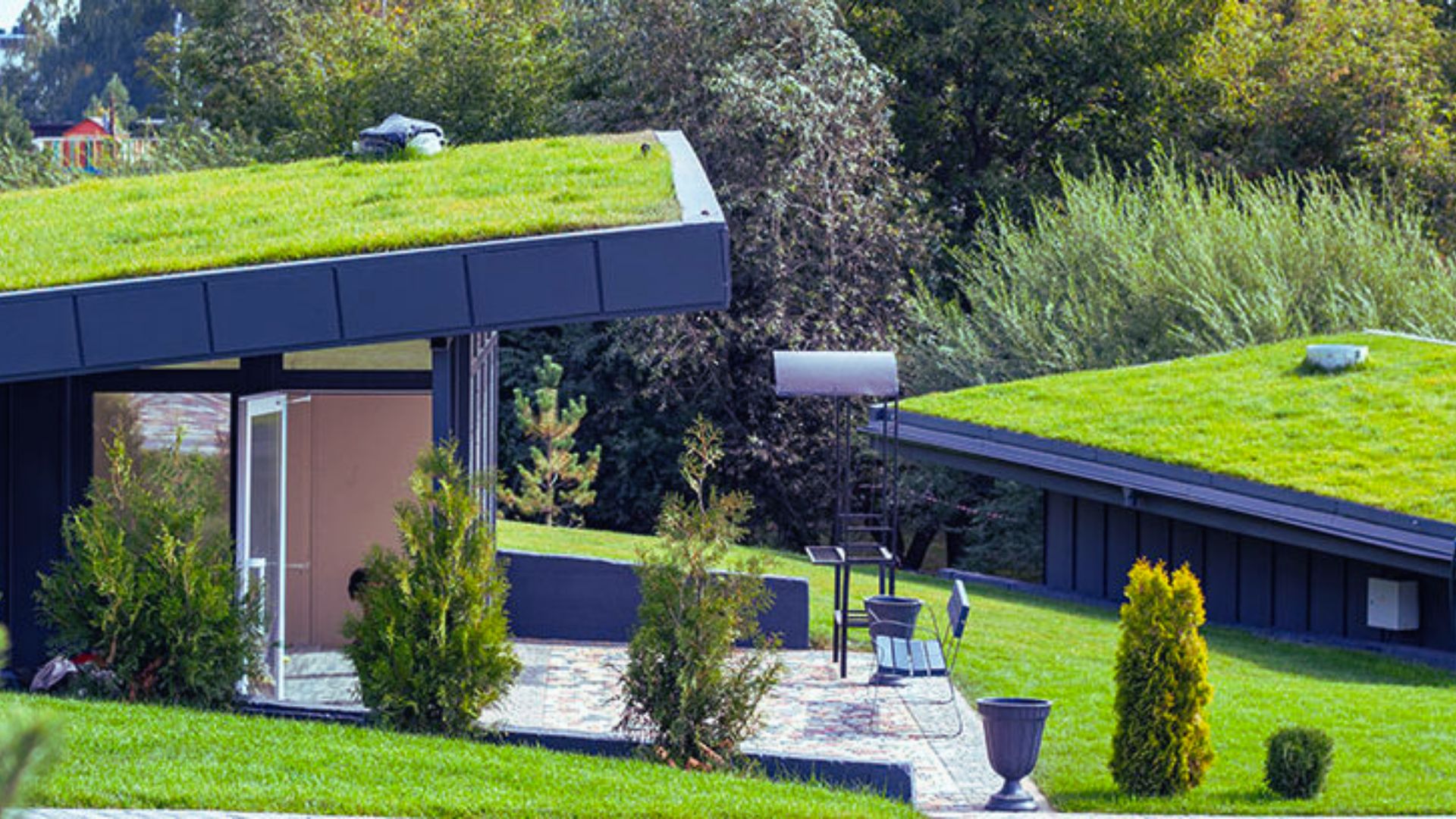
Green roofs start with a waterproof membrane. Soil goes on top. Then you plant vegetation that grows and thrives.
Best Uses:
Urban buildings gain environmental benefits. Eco-friendly residential spaces look beautiful. Commercial buildings improve their image.
Pros: Heat island effects decrease in cities. Insulation improves naturally. The visual appeal is striking.
Cons: Weight is significant. Your building needs structural support. Irrigation systems cost money. Regular maintenance is required.
9. Asphalt Roll Roofing
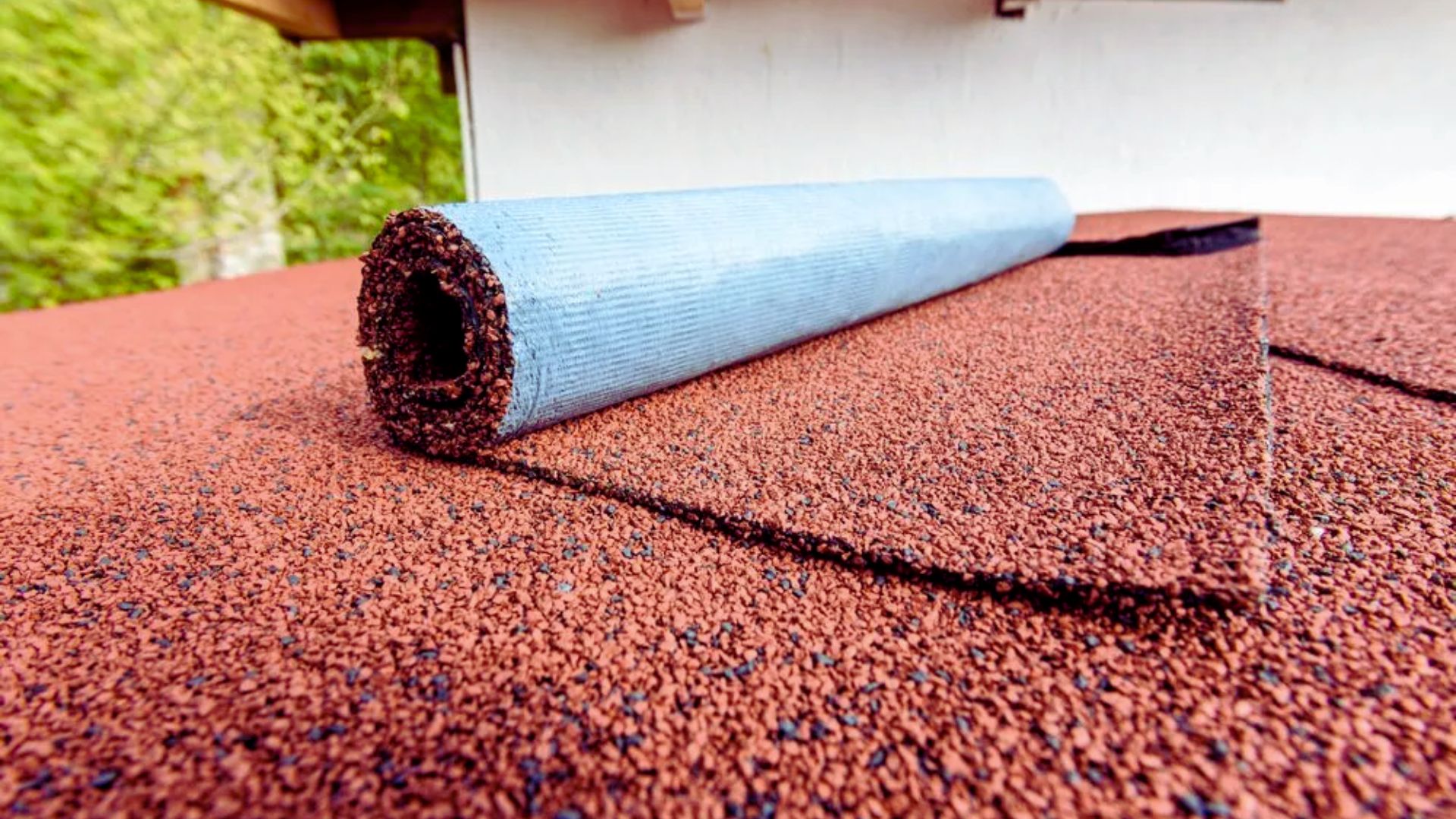
Asphalt roll roofing is a cost-effective material sold in rolls. It’s simple and straightforward. Small roofs use it often.
Best Uses:
Residential sheds work well with roll roofing. Garages don’t need expensive materials. Temporary buildings benefit from low costs.
Pros: The price is very affordable. Installation is easy for DIYers. You can find it at most hardware stores.
Cons: Lifespan is short compared to alternatives. It doesn’t look as nice. Expect to replace it sooner.
10. Flat-Seam Metal Roofing
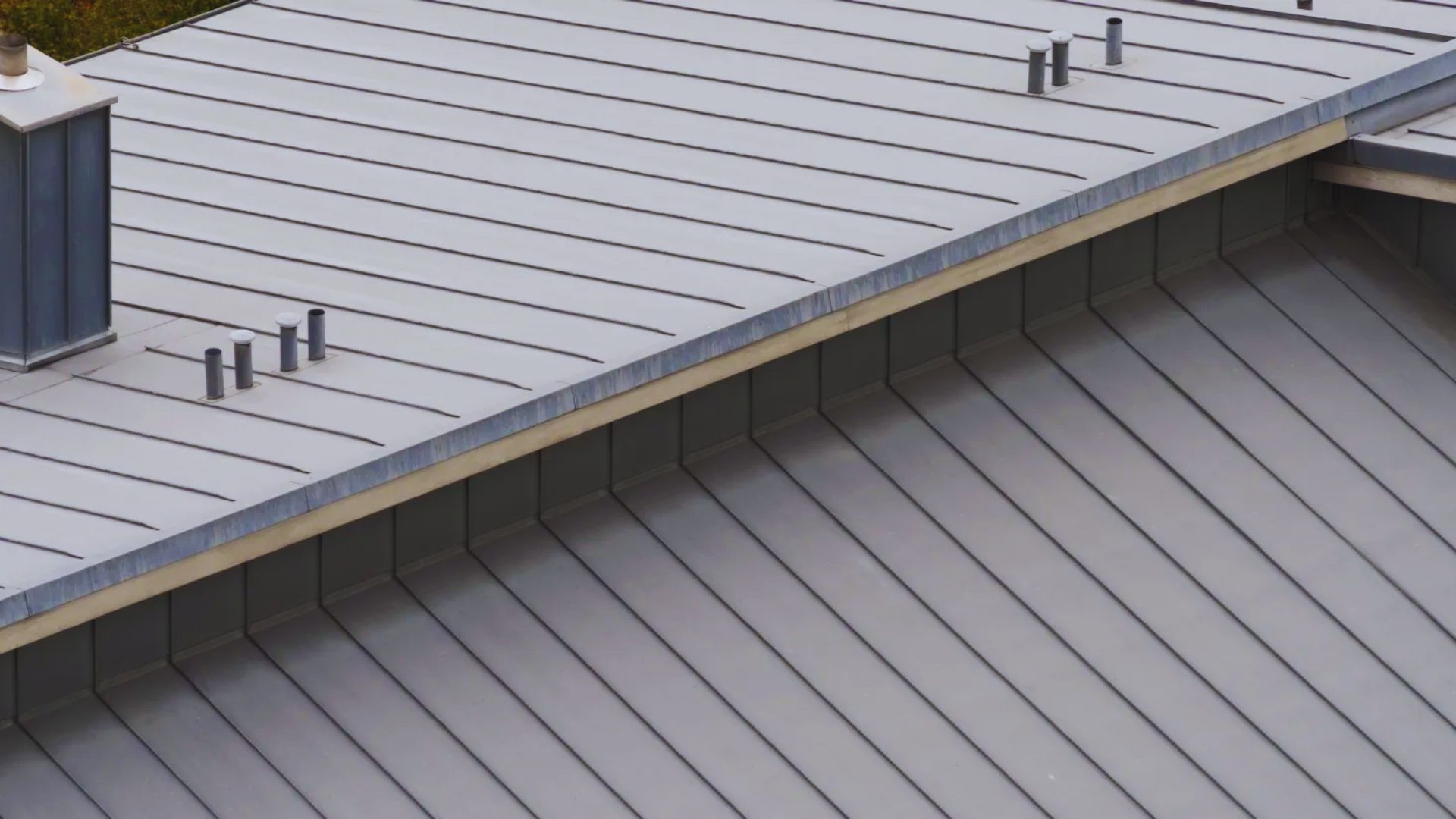
Metal panels with flat-seamed interlocks create this roofing type. Copper or galvanized steel are common choices. The seams lie flat against the roof.
Best Uses: Low-pitch roofs need this durability. Buildings requiring long lifespans choose it. Architectural projects appreciate its clean lines.
Pros: Longevity is excellent. Weather resistance is outstanding. The appearance is clean and professional.
Cons: Expert installation is required. You can’t DIY this successfully. Dissimilar metals touching each other cause corrosion.
11. Fluid-Applied Membranes
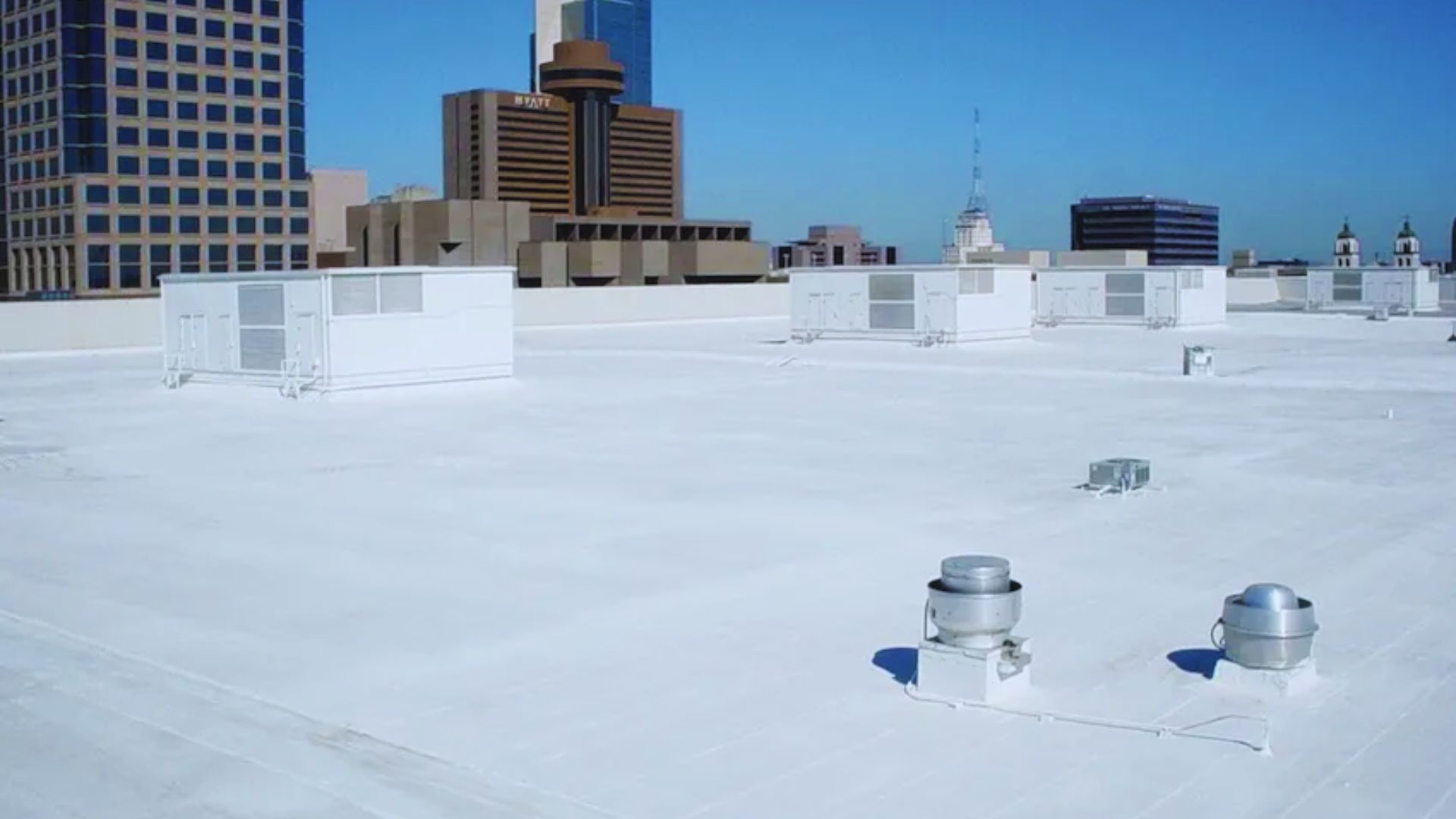
Liquid materials like neoprene or silicone get applied directly. They cure into a rubbery, flexible layer. The result is seamless coverage.
Best Uses: Complex shapes benefit most. Domes need seamless coverage. Vaults and curved surfaces work perfectly.
Pros: You can install this over existing roofs. Environmentally-friendly options exist. Coverage is complete without seams.
Cons: Labor costs are high. Installation takes time and skill. You need experienced contractors who know what they’re doing.
Choosing the Right Material for Your Flat Roof
Match your roof choice to your climate, budget, building type, and style preferences.
- Climate determines material performance. Hot areas need reflective surfaces. Cold regions require materials that stay flexible. Wet climates demand waterproofing that never fails.
- The budget includes more than initial costs. Installation prices vary widely. Maintenance adds up over decades. Lifespan affects your long-term value.
- Building type matters significantly. Commercial buildings need different materials than homes. Industrial facilities have unique requirements. Weight capacity affects what your structure can support.
- Appearance influences your choice. Visible roofs need attractive materials. Hidden roofs prioritize function over appearance.
- Consult a professional roofing contractor. They assess your specific situation. Proper installation ensures your roof reaches its full lifespan. Cutting corners now costs more later.
Conclusion
I’ve shown you 11 materials that work for flat roofs. Each one brings different strengths to your project. Some last longer. Others cost less upfront. A few look beautiful while others focus purely on function.
There’s no universal answer that fits everyone. Your climate, budget, and building needs guide your decision.
I remember when my neighbor chose the wrong material and regretted it for years. Don’t let that happen to you. Talk to a professional who understands your local conditions.
Take your time with this choice. Your roof protects everything underneath it. Share this guide with others facing the same decision.
Frequently Asked Questions
How long do flat roofs typically last?
Lifespan varies by material. Asphalt roll roofing lasts around 10 years while metal and PVC can reach 30 to 50 years.
What is the most affordable flat roof material?
Asphalt roll roofing costs the least upfront. Modified bitumen and EPDM offer mid-range pricing.
Can I install a flat roof myself?
Simple materials like asphalt roll roofing work for DIY. Complex systems need professional installation to avoid leaks.
Which flat roof material is most energy efficient?
TPO and white EPDM reflect heat best. Spray polyurethane foam provides excellent insulation value.
Do flat roofs require special maintenance?
Yes. All flat roofs need regular inspections for debris and standing water. Some materials need more care than others.
