

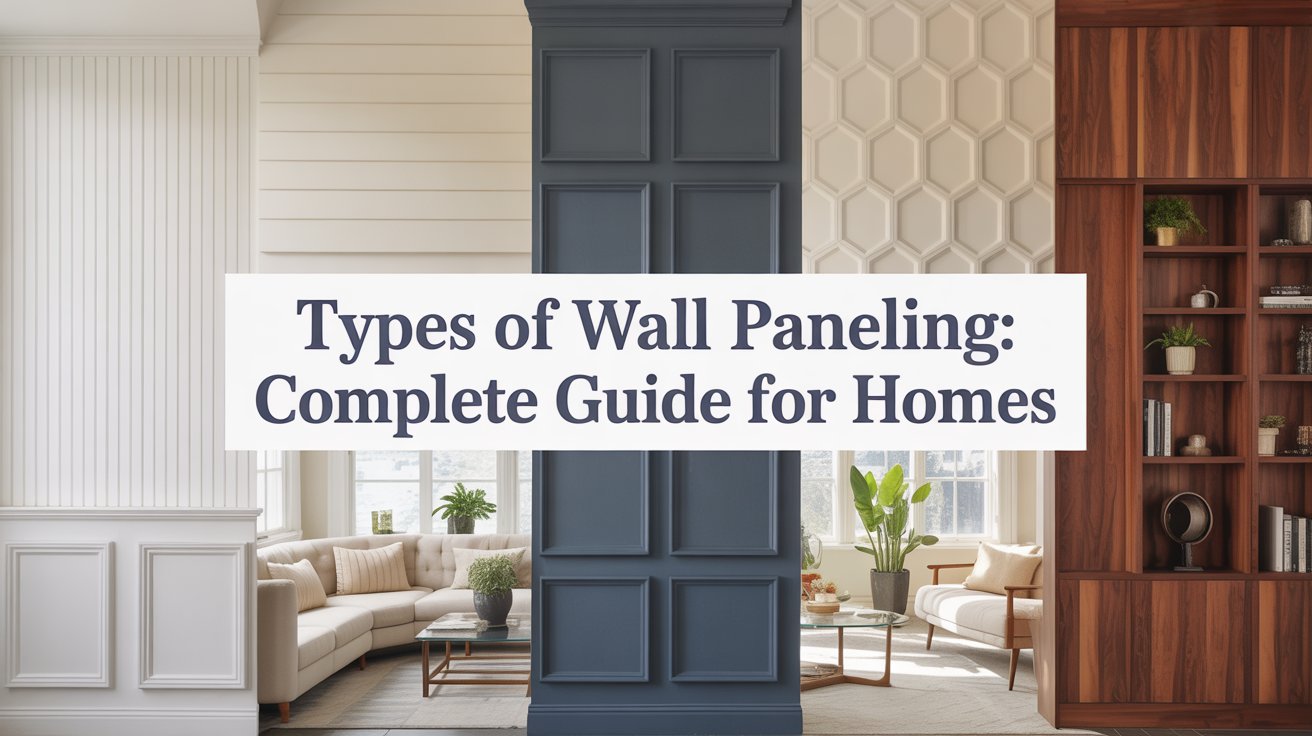
With so many options, selecting wall paneling can be overwhelming. I’ve seen what works and assisted friends in selecting panels for their homes.
Wall paneling comes in a variety of styles, from contemporary geometric patterns to traditional beadboard. To help you make informed decisions, this guide breaks down costs, styles, and materials.
You’ll find how much panels cost, which panels look best in which rooms, and design tricks that enlarge or cozy spaces. I’ll discuss the benefits and drawbacks of wood, MDF, PVC, and other materials.
The correct paneling makes all the difference, whether you’re going for a sleek office or a farmhouse kitchen.
Let’s see what suits your taste and price range.
What is Wall Paneling?
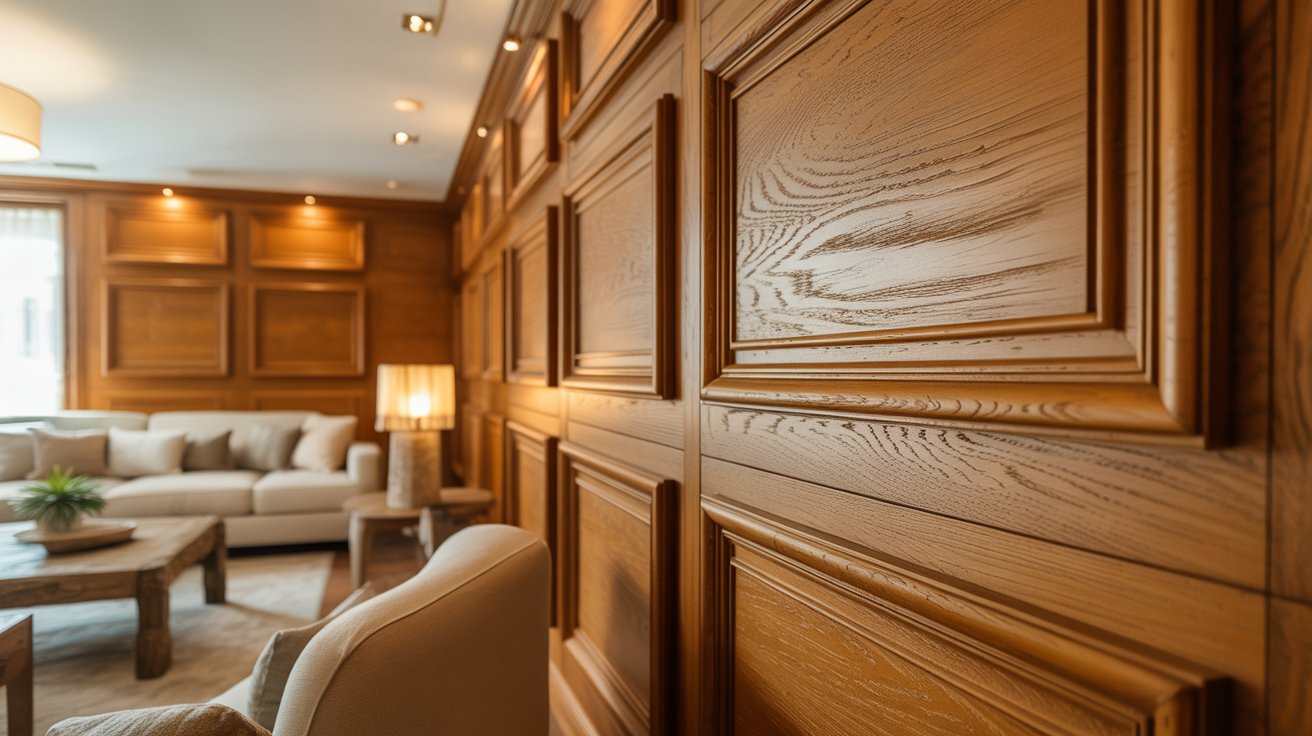
Wall paneling refers to decorative and functional panels installed on walls to improve appearance and performance. These panels come in various materials, patterns, and finishes.
The main benefits include making plain walls more interesting, protecting surfaces from damage, and improving insulation. Panels also help with soundproofing and hide imperfections in existing walls.
You’ll find wall paneling in almost any room. Living rooms use it for accent walls. Bedrooms feature panels behind beds for visual interest.
Dining rooms add panels for a formal atmosphere. Bathrooms and kitchens use moisture-resistant types. Home offices benefit from clean, professional-looking panels.
Paneling works well for both full walls and partial coverage. The installation height and coverage depend on your design goals and budget.
Popular Types of Wall Paneling
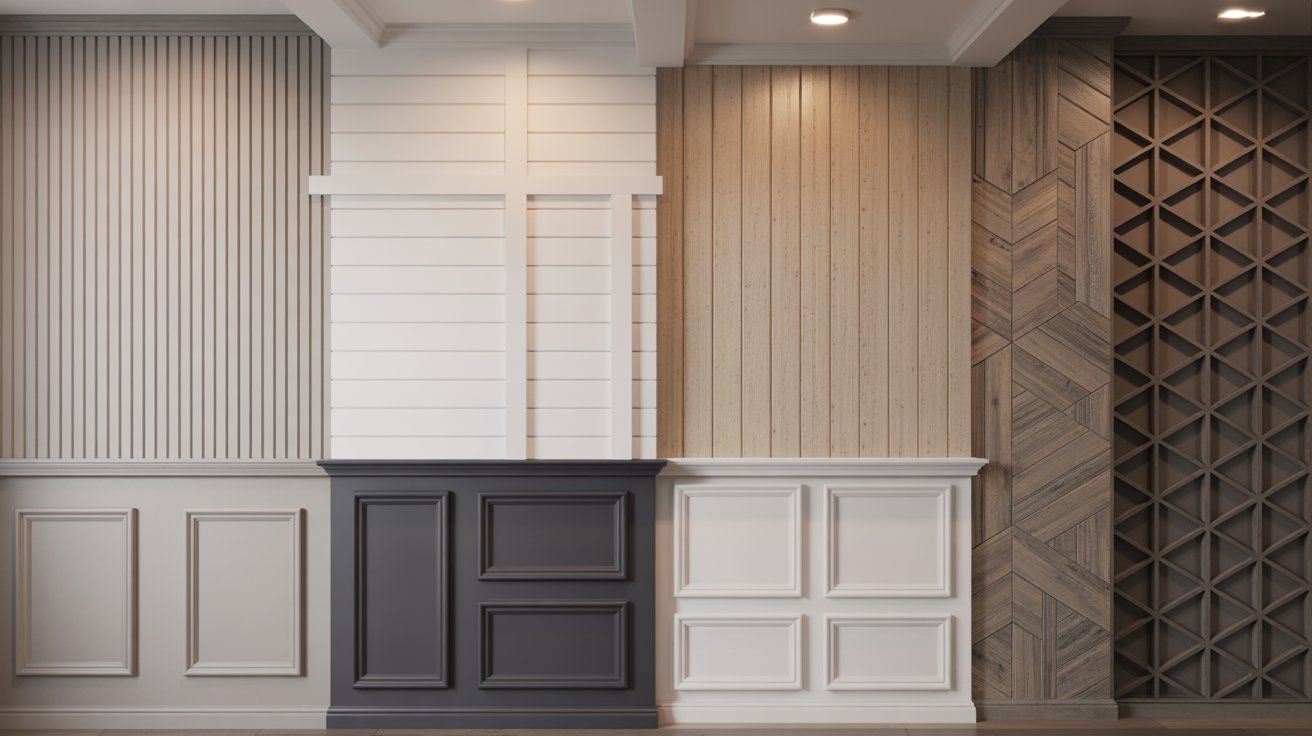
Explore different paneling styles that suit various interior designs, from traditional to modern, each offering unique visual appeal.
Beadboard Paneling
Beadboard features narrow vertical planks with distinctive grooves. This classic style works beautifully in cottage-style homes, coastal interiors, and traditional spaces.
The vertical grooves make ceilings appear higher. Beadboard is affordable and easy to install, but grooves collect dust and require regular cleaning.
Shiplap Paneling
Shiplap consists of wide horizontal boards with overlapping edges that create subtle shadow lines. It suits contemporary interiors, rustic spaces, and transitional designs.
Paint it white for a fresh look, stain for warmth, or leave natural for rustic charm. Horizontal lines make rooms feel wider. It’s more expensive than some options but delivers strong visual impact.
Board and Batten
Board and batten uses wide vertical boards with narrow strips (battens) covering seams. This creates dimensional, structured looks.
The vertical lines make ceilings appear higher. You can space battens evenly or create custom patterns. It requires more material and labor but creates impressive results.
Tongue and Groove Paneling
Tongue and groove features interlocking boards that fit seamlessly without visible gaps. This creates smooth, uniform surfaces on walls or ceilings.
Install horizontally for a traditional appearance, vertically for modern style, or diagonally for a distinct design. It costs more than basic panels but delivers professional results.
Raised Paneling
Raised paneling features a central panel that sits higher than the surrounding frame and molding. It’s ideal for colonial homes, traditional interiors, and formal spaces.
This style requires skilled installation and costs more than simpler options but significantly increases perceived home value.
Flat Panels
Flat panels offer smooth, minimalist surfaces without texture. They suit contemporary homes and minimalist spaces where focus stays on furniture and decor.
Paint or stain any color to match your scheme. They’re easy to clean, affordable, and install quickly.
Geometric & Textured Panels
Geometric panels feature three-dimensional patterns and shapes. Use them for feature walls, accent areas, or artistic focal points.
These panels work well with proper lighting to emphasize shadows and depth. Cost varies widely based on material and design complexity.
Materials Used for Wall Paneling
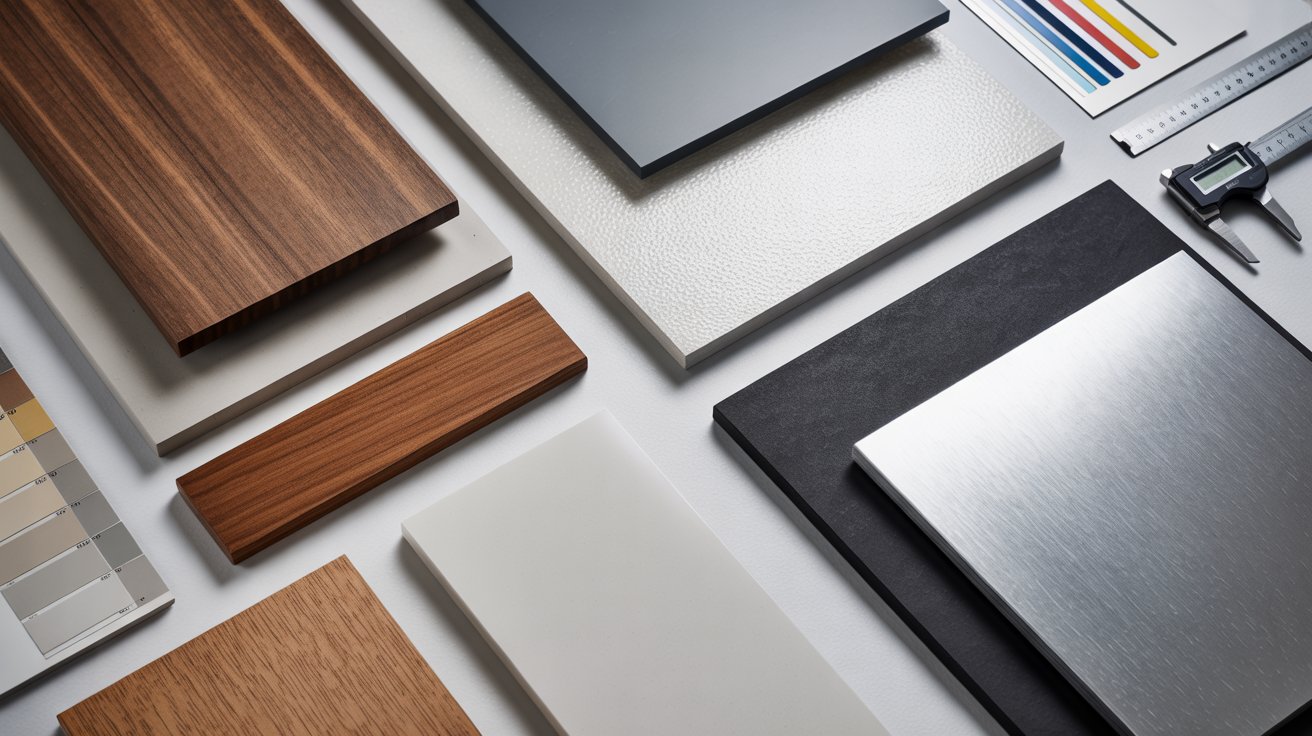
Different materials offer varying benefits for durability, appearance, cost, and maintenance requirements in wall paneling applications.
Wood
Solid wood like oak, pine, and maple offers natural beauty and durability. It can be stained or painted, but it is expensive and requires regular maintenance. Best for climate-controlled rooms away from moisture.
MDF (Medium-Density Fiberboard)
MDF is compressed wood fibers that provide smooth surfaces ideal for painting. It costs less than wood and is DIY-friendly, but it isn’t moisture-resistant. Use in dry areas only.
PVC & WPC (Wood-Plastic Composite)
PVC is plastic-based, while WPC combines wood fibers with plastic. Both resist water and mold exceptionally well. Ideal for bathrooms and kitchens, but lacks an authentic wood appearance.
Gypsum Panels
Lightweight gypsum panels are paintable and easy to install with good insulation. They cost less than other options but are moisture-sensitive and less sturdy. Use in dry, low-impact areas.
Metal & Composite Panels
Metal panels offer durability and fire resistance for a modern look. Composite panels provide design flexibility with improved durability. Both cost more but deliver long-term value.
Choosing the Right Wall Paneling for Your Home
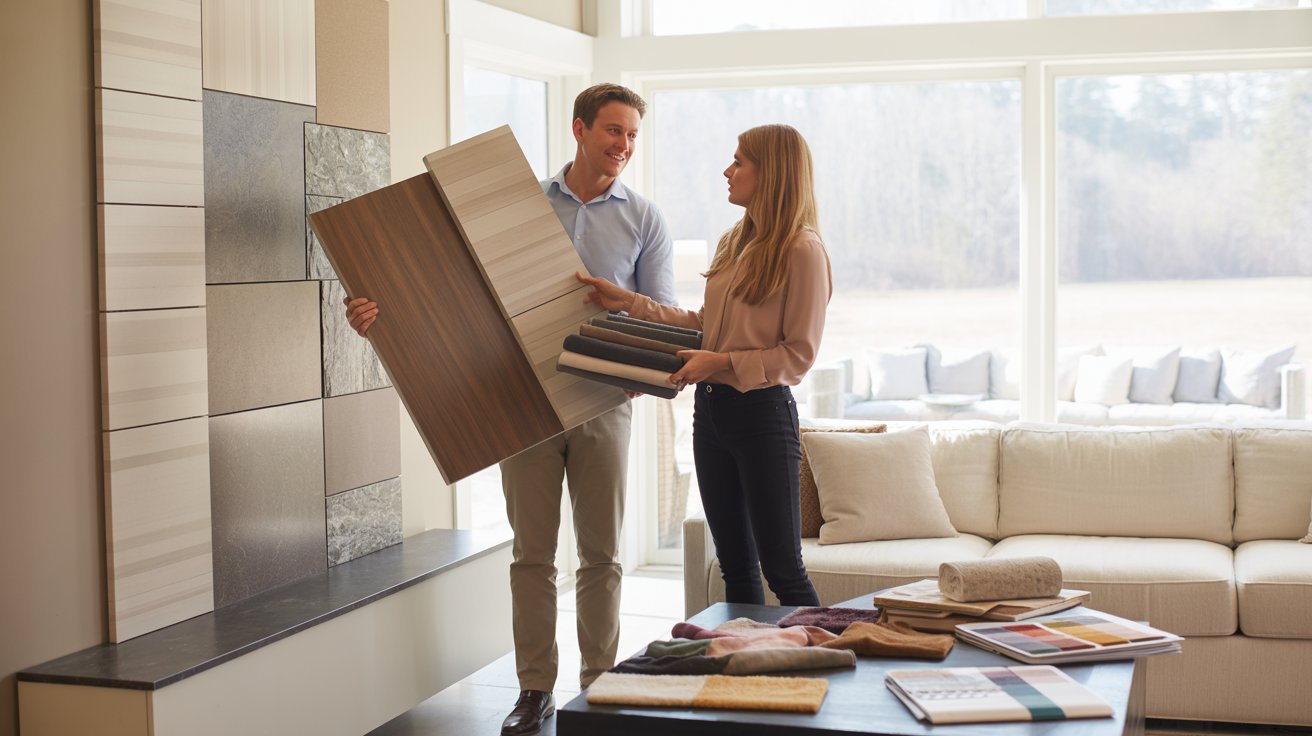
Consider room function, design style, durability needs, maintenance requirements, and budget when selecting the best paneling for your space.
Match location to material. High-moisture areas need water-resistant options like PVC or WPC. High-traffic areas require durable materials.
Align style with your interior. Traditional homes suit beadboard or raised panels. Modern spaces work with flat panels or geometric designs. Rustic interiors pair with natural wood.
Wood and metal last for decades but need maintenance. PVC and WPC are durable and low-maintenance. MDF works well for budget projects in dry areas.
Budget strategically by mixing expensive focal wall panels with affordable options elsewhere for maximum impact.
Wall Paneling by Room
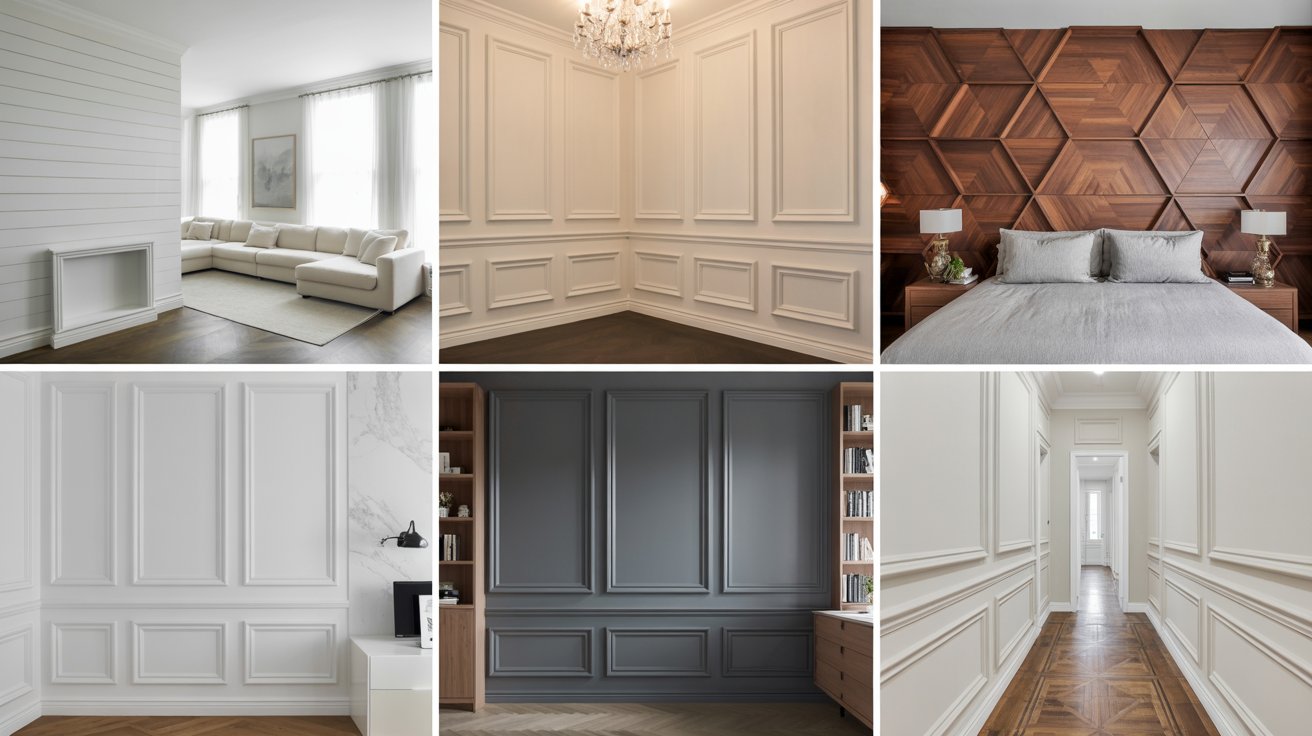
Different rooms benefit from specific paneling types based on function, moisture levels, and design goals for optimal results.
Living Room
Living rooms work well with decorative focal walls behind TVs, fireplaces, or seating areas. Wood, MDF, or textured panels complement furniture and overall design.
Choose colors that enhance the atmosphere without overwhelming the space.
Dining Room
Dining rooms benefit from panels that add warmth and formality. Raised paneling creates traditional elegance while shiplap or board and batten suit modern farmhouse styles.
Install as wainscoting or full wall coverage for dramatic effect.
Bedroom
Bedrooms need soft textures and calming colors for relaxation. Feature walls behind beds create focal points.
Use wood for warmth, painted MDF for budget options, or geometric panels for modern appeal. Keep colors neutral or soft.
Bathroom & Kitchen
Bathrooms and kitchens require moisture-resistant materials like PVC, WPC, and moisture-resistant MDF.
These surfaces handle humidity, resist mold, and clean easily. Avoid regular wood and gypsum in wet areas.
Office / Study
Home offices need professional, clean aesthetics. Flat panels, subtle board and batten, or minimalist designs promote focus.
Choose durable materials and neutral colors that prevent distraction.
Hallways & Entrances
Hallways create first impressions. Panels add character and a welcoming atmosphere. Use durable materials that handle traffic. Wainscoting protects from scuffs. Try bold colors or patterns in these transitional areas.
Wall Paneling Design Tips
- Use light colors like white, cream, or pale gray in small spaces to make rooms feel larger and brighter. These shades reflect light and open up tight areas effectively.
- Choose dark tones like navy, charcoal, or forest green for accent walls in larger rooms. Dark panels create dramatic focal points and add depth without overwhelming the space.
- Install vertical panels to make ceilings appear higher. The eye follows the lines upward, creating an illusion of added height. This works especially well in rooms with standard 8-foot ceilings.
- Use horizontal panels to make narrow rooms feel wider. The side-to-side lines draw attention across the space rather than up and down.
- Feature walls work well when you want the impact without covering entire rooms. Panel one wall and paint the others for a balanced, cost-effective design.
- Full-room paneling creates cohesive, immersive environments. This works best in formal spaces or when achieving specific period styles like colonial or farmhouse designs
Cost Considerations
Understanding material, labor, and additional costs helps you budget effectively for wall paneling projects in your home.
| Material Type | Cost per Square Foot | Durability | DIY Friendly | Best For |
| Solid Wood | $5-$15 | Excellent | Moderate | Traditional, high-end spaces |
| MDF | $1-$4 | Good | Yes | Budget projects, painted finishes |
| PVC | $2-$6 | Excellent | Yes | Bathrooms, kitchens, humid areas |
| WPC | $3-$8 | Excellent | Yes | Moisture-prone areas, durability needs |
| Gypsum | $1-$3 | Fair | Yes | Dry areas, budget projects |
| Metal | $8-$20 | Excellent | Moderate | Modern, industrial designs |
| Composite | $4-$10 | Very Good | Moderate | Versatile applications |
Final Thoughts
Last year, I added shiplap to my dining room, which totally converted the area. Finding the ideal wall paneling type for your house is easier than you might think because there are so many options available.
If you’re not sure, start with one accent wall. Later on, you can always grow. Select panels based on your preferred maintenance schedule and way of life.
Which room will you panel first? Leave a comment with your project ideas.
Frequently Asked Questions
What is the easiest type of wall paneling to install?
Flat MDF panels and tongue-and-groove systems are easiest for DIYers. They require basic tools and straightforward installation. PVC panels are also simple to cut and attach.
How do I maintain wood wall paneling?
Dust regularly with a soft cloth and clean with mild wood cleaner as needed. Reseal or repaint every few years, depending on wear. Avoid excess moisture and direct sunlight to prevent damage.
Can I install wall paneling over existing drywall?
Yes, most paneling installs directly over drywall if the surface is smooth and sound. Fill large holes and remove loose material first. Some heavy panels may require additional wall support.
What’s the most affordable wall paneling option?
MDF and basic gypsum panels are the most budget-friendly options. They cost $1 to $4 per square foot. Painting them yourself saves even more compared to pre-finished materials.
How long does wall paneling last?
Quality wood paneling lasts 20 to 50 years with proper maintenance. PVC and WPC last 15 to 30 years. MDF typically lasts 10 to 20 years, depending on conditions and care.
