

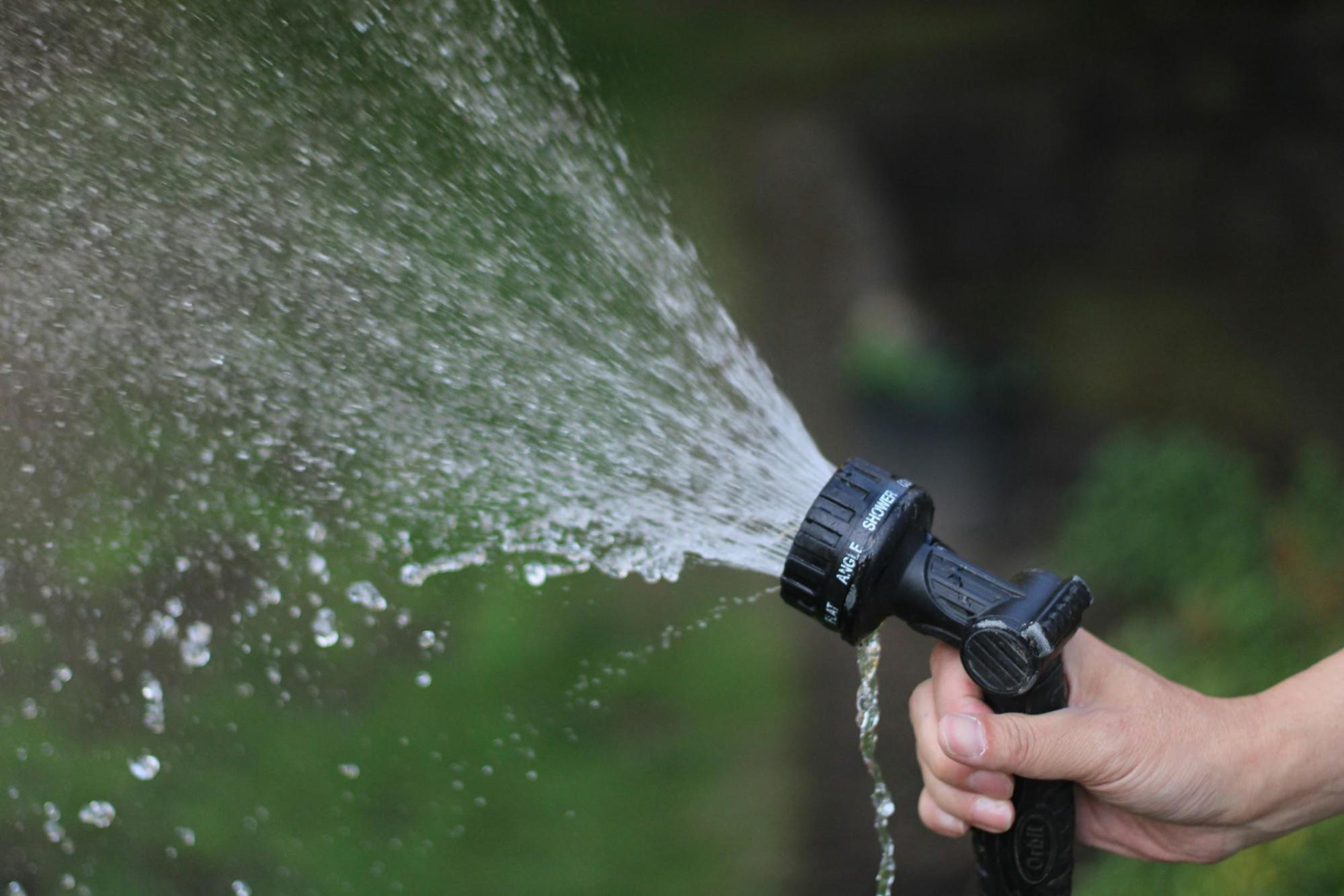
Water usage is a constant part of owning and living in a home. If left unchecked, your water usage can get out of hand, leading to avoidable waste. Using the right methods and implementing the right systems, you can reduce your water use and make your home more environmentally friendly. An environmentally friendly home can increase property value and appeal to modern buyers. In this guide, we will discuss the top water management tips you should incorporate into your home.
Landscaping Choices
Outdoor plants are among the biggest water consumers on your property. Choose drought-tolerant plants like lavender, agave, or Laval grasses that will adapt to the regional climate of your area. These plants require less water, and adding mulch beds makes them much less dependent on your water supply.
The mulch beds lock in moisture, moderate your plants’ temperature, and block weed growth. Plan your landscaping with tree shades which lower the water demand in sunny spots around your yard. Maintain a lawn height of around 3 inches to create shade for roots, reducing water evaporation and promoting the return of nutrients with mulching mowers.
Convert high-maintenance turf to xeriscaping with gravel, groundcovers, or permeable pavers in low-use areas. This slashes irrigation needs by 50% to 75% and enhances your curb appeal.
Watering Practices
Updating your watering practices can help reduce water wastage on your property. Your lawns should be watered deeply but infrequently. Two sessions a week that target 1 inch each promote deep root growth, making your grass more drought-resistant. Water your plants early in the morning or late in the evening, as this reduces evaporation by up to 30% compared to watering at midday. Cooler temperatures and dew help to retain the moisture and require less water.
Your sprinklers should be positioned to cover only plant areas, and you should adjust the spraying patterns to prevent overspraying your pavement. Soil moisture sensors can adjust your sprinkler schedule based on weather data, rain forecasts, and soil dryness, reducing water use by up to 50%. Group plants by water needs to avoid unnecessary overwatering.
Cleaning and Maintenance
Switch to brooms and leaf blowers to clean your patios, driveways, and other outdoor areas. This reduces your water use and saves up to 80 gallons per cleaning session. This also prevents chemical runoff into storm drains and keeps the environment safe. Use fitted covers on your pools to cut evaporation by up to 90% and opt for automatic pool sweeps with recirculation instead of constant filling.
Use power washing sparingly, except when it is absolutely necessary. Use manual scrubbing with minimal water to maintain hardscaping and reduce water usage. Vehicles should be washed on grass or gravel with soap and a low-flow nozzle to allow greywater to be absorbed.
Harvesting Techniques
Recycling water from rain and other sources creates a system that reduces your water consumption. Rain barrels and cisterns should be placed under downspouts to capture rooftop runoff, providing free water for plants and storing up to 100 gallons per rainstorm. Barrels should be equipped with overflow diverters and screens to manage excess flow and prevent pests from entering.
All collected water should be used within a week to maintain the quality. Smaller gardens should be watered using a hand watering can. This can target plant bases and will use up to 50% less water than houses. Integrate grey water systems where permitted or legal, as they use simple filtration to repurpose shower and laundry water for irrigation.
Leak Prevention
Leaks can cause you to lose gallons of water if not dealt with immediately. Monthly inspections of sprinkler heads, drop lines, valves, and hoses for drops, cracks, and leaks can help you detect problems quickly. Fix sprinkler leaks or replace parts immediately, as a single unchecked leak can waste up to 6,000 gallons per year. You should also test underground leaks by monitoring your meter movement and shutting off the underground leaks.
Soggy patches and unusually lush growth in dry areas are also an indicator of water leaks. Your houses should be equipped with high-quality shut-off nozzles to prevent trickles during use and storage. Upgrade your irrigation to drip for your gardens and trees, as it delivers water to the roots at 20% to 50% efficiency compared to spray irrigation.
Endnote
Water management is a collective effort in the home. Every member of your family or occupant of your building must be in sync with these processes to get the maximum benefits. Ensure that every occupant acts as an inspector and reports any leaks immediately. If you have serious complaints, contact a plumbing professional for help. Fixing leaks early helps prevent serious damage that may require thousands of dollars in repairs. Where possible, use DIY solutions to fix problems and call external help only when absolutely necessary.
