

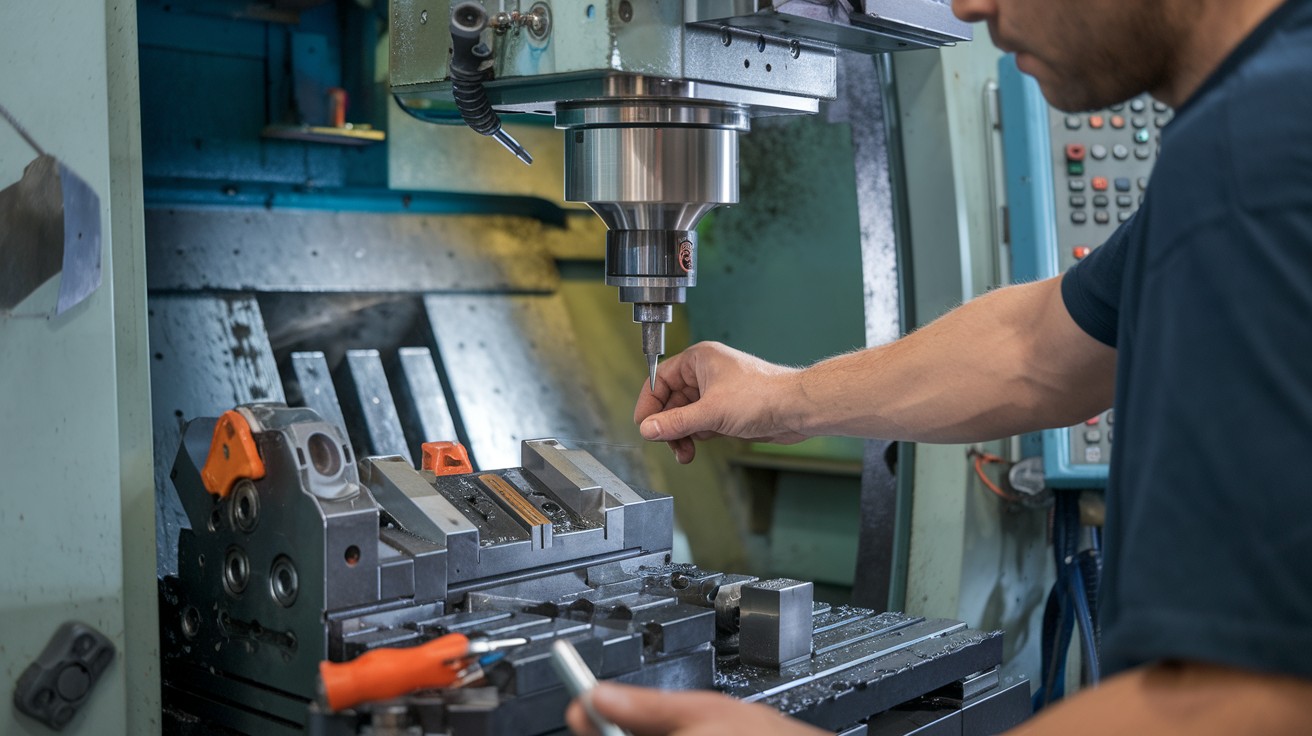
Precision is the heart of CNC machining, and even the smallest error in tool positioning can lead to inconsistent cuts, poor surface finishes, or scrapped parts. That’s where tool offset compensation comes in—a critical technique that allows machinists to fine-tune tool location and cutting depth for maximum accuracy. Whether you’re facing tool wear, part variation, or machine drift, offset compensation ensures your parts stay within tolerance and your production stays efficient.
By mastering tool offset compensation, machinists gain more control over the machining process, reduce setup time, and improve part quality—three essentials for running a profitable, high-precision shop.
Understanding How Tool Offset Compensation Works
Tool offsets are adjustments that tell the CNC machine where the cutting tool is located in relation to the workpiece. Each tool in the machine has unique dimensions—different lengths, diameters, and wear patterns—which must be accounted for to achieve precise cuts.
There are two main types of compensation:
- Length offset adjusts the vertical position of the tool.
- Diameter (or radius) offset adjusts the tool’s width or lateral position.
When programmed correctly, offsets allow your CNC to automatically account for tool wear, changes in tooling, and slight differences between setups. Instead of rewriting the entire program every time a tool changes, you simply update the offset value.
Using a quality lathe tool holder ensures consistent tool positioning and minimizes variation between cuts. Holders that maintain tight concentricity help eliminate micro-shifts that can throw off offsets, especially in high-speed or high-tolerance operations.
Tool wear also plays a big role. Over time, as the cutting edge dulls, the tool effectively becomes shorter. Without offset adjustments, the tool will cut deeper than intended, compromising both precision and surface finish. Regularly updating wear offsets keeps every cut consistent across long production runs.
How to Apply and Optimize Tool Offsets
Measure tools accurately.
Accurate offset values start with precise measurement. Use a height presetter or touch probe to record each tool’s length and diameter. Always double-check measurements before entering them into your CNC’s offset table.
Set zero points carefully.
Defining your work coordinate zero is just as important as tool measurement. Align your part and fixtures correctly before establishing the work offset, ensuring all future cuts reference the same point.
Compensate for tool wear regularly.
Tool wear compensation should be updated periodically—especially during long runs or when machining abrasive materials. Use trial cuts or measurement feedback to determine how much material the tool has lost.
Use wear offsets, not geometry offsets, for fine-tuning.
Geometry offsets define the tool’s original dimensions, while wear offsets allow you to make minor adjustments as the tool wears down. This approach keeps your programming consistent while maintaining accuracy.
Inspect your results.
After setting offsets, perform a test cut and measure the part. If dimensions are slightly off, adjust the wear offset in small increments (typically 0.001 inch or less) until the result matches specifications.
For complex cutting operations such as thread mills, tool offset compensation becomes even more critical. Thread milling involves multiple passes and precise toolpath coordination. Slight offset errors can cause thread pitch deviations or uneven surfaces. By maintaining accurate diameter and depth compensation, you ensure tight, clean threads every time.
The Benefits of Mastering Tool Offset Compensation
Once you’ve implemented a reliable offset routine, the benefits ripple through every stage of machining:
- Improved consistency: Even when swapping tools or running repeat jobs, offsets keep results uniform.
- Reduced scrap: Precise tool positioning means fewer errors and less wasted material.
- Longer tool life: Correct offsets prevent overcutting and reduce stress on the cutting edge.
- Faster setup time: Offsets eliminate the need to reprogram or manually realign parts.
- Better surface finish: Stable and accurate tool paths produce smoother results.
For finishing operations, high-quality end mills work best when paired with proper offset compensation. With the right settings, you’ll achieve tight tolerances, clean edges, and reliable performance—whether you’re milling pockets, profiles, or fine details.
Final Thoughts
Tool offset compensation might seem technical, but once mastered, it becomes second nature. It’s one of the most effective ways to maintain precision, especially in production environments where repeatability is key.
By combining accurate tool measurements, reliable holders, and disciplined offset practices, machinists can deliver consistent, high-quality results—cut after cut.
