

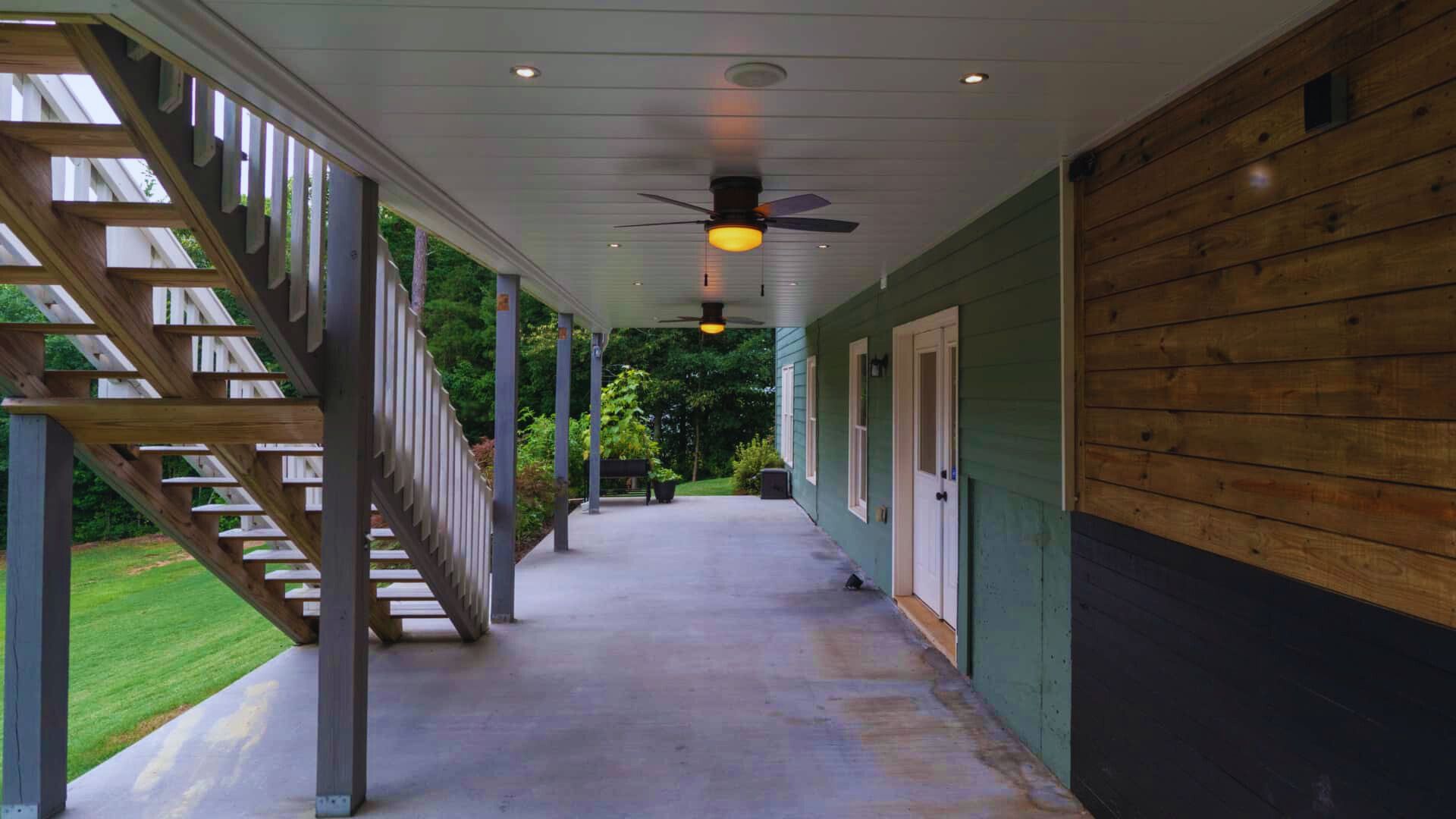
If you have a raised deck, the space underneath it is likely going to waste. I have seen it happen with so many homeowners.
Rain drips through, the ground stays wet, and that whole area becomes useless.
In this article, I will walk you through the benefits of an underdeck system, what it costs, how it compares to other options, and whether it is worth it for your home.
I have spent time researching this topic closely, and so have the Underdeck System Experts, so you can make a confident decision.
By the end, you will know exactly what to expect before spending a single dollar.
What Is an Underdeck System?
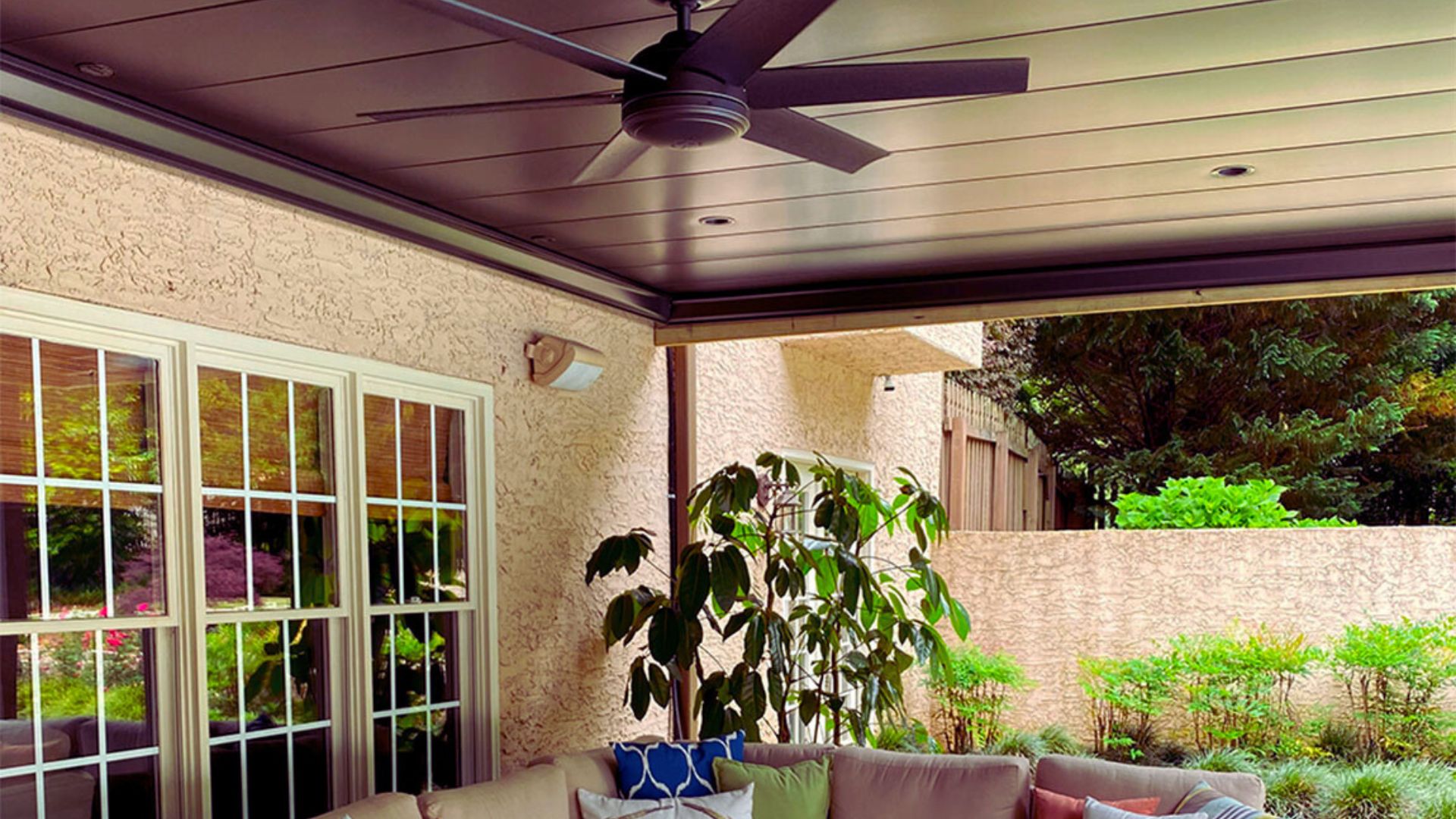
An underdeck system is a ceiling-like structure installed beneath your elevated deck. It catches rainwater and redirects it away from the area below.
Think of it as a roof for the space under your deck. Water hits the panels, flows into a gutter system, and drains away. No puddles. No mess.
Most systems use aluminum or vinyl panels that snap into a frame. They are built to handle heavy rain and last for years with very little upkeep.
The Benefits of an Underdeck System
Here is a quick look at what you get:
1. Creates Additional Outdoor Living Space
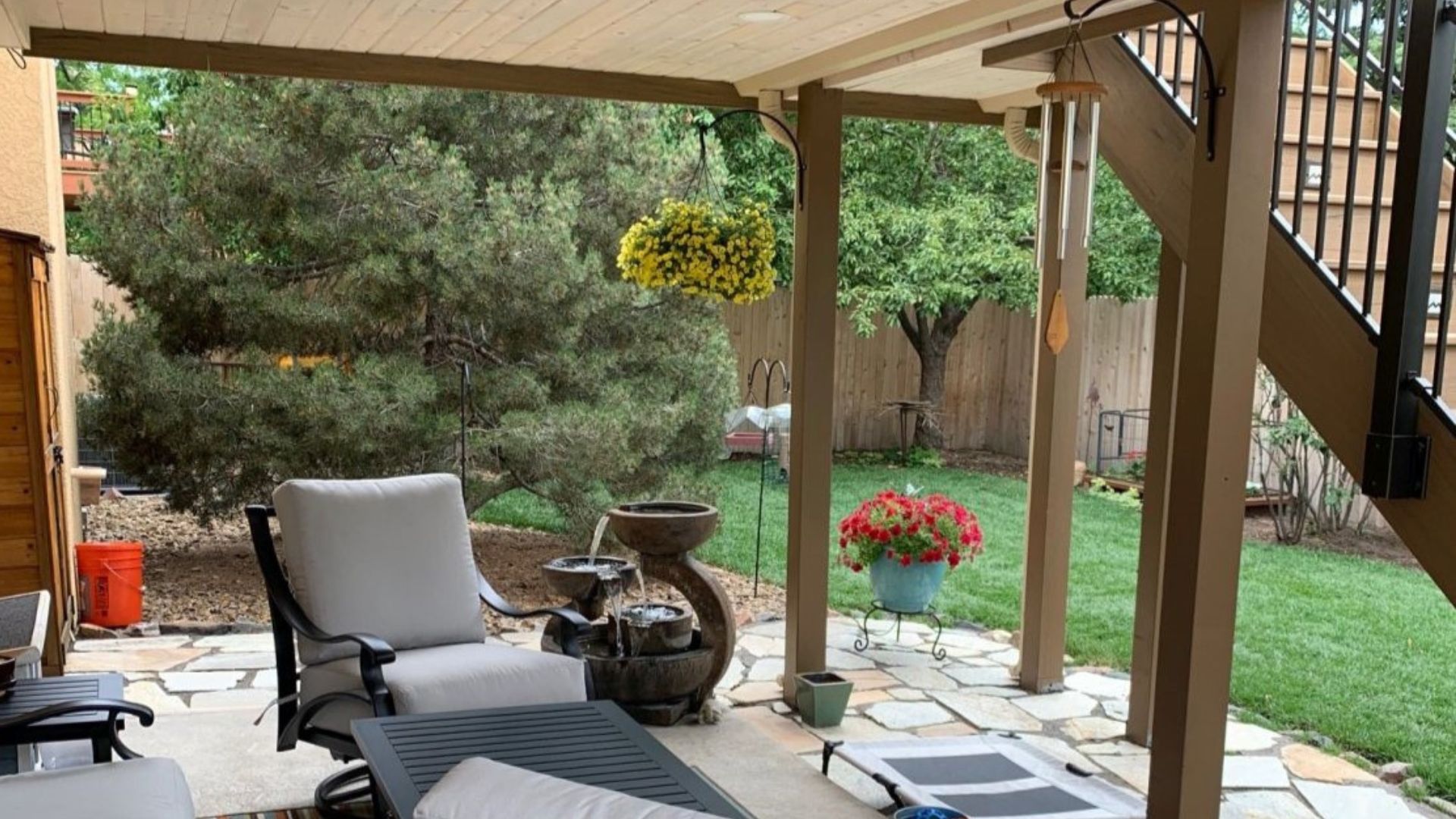
This is the biggest reason most people install one. The space under a raised deck is often large. Without protection, it is basically unusable in bad weather.
With an underdeck system in place, that area becomes a dry, covered space. You can set up outdoor furniture, a grill, a lounge area, or even a small workshop. I have seen people turn it into a full outdoor kitchen.
2. Protects Against Rain and Moisture
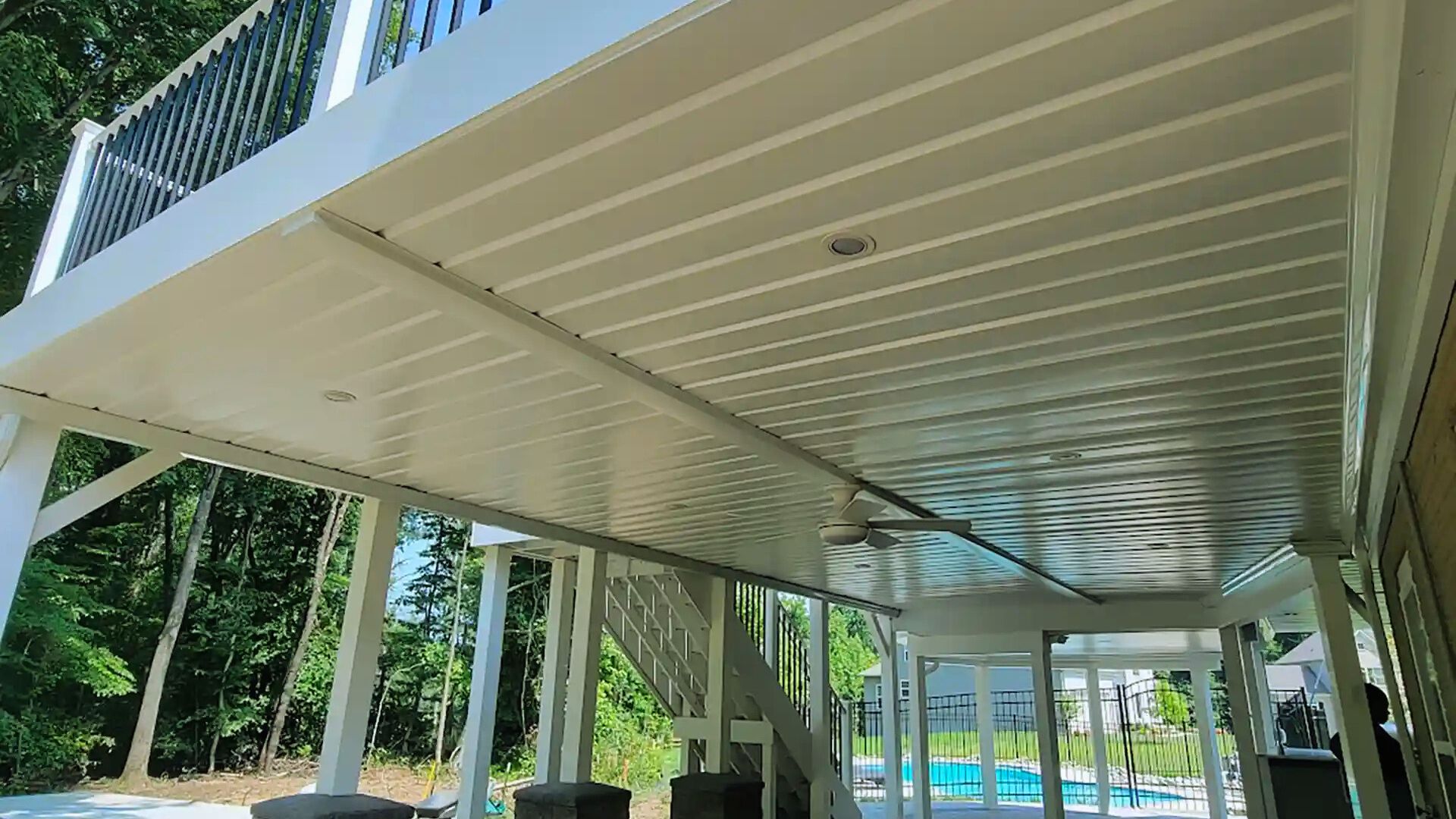
Rain is the main problem for any area under a deck. Water drips between the boards, soaks the ground, and makes the whole space wet and slippery.
An underdeck system stops that. The panels catch every drop and send it to a gutter. You stay dry even during heavy rain. You can use the space year-round instead of only on sunny days.
3. Prevents Mold, Rot, and Structural Damage
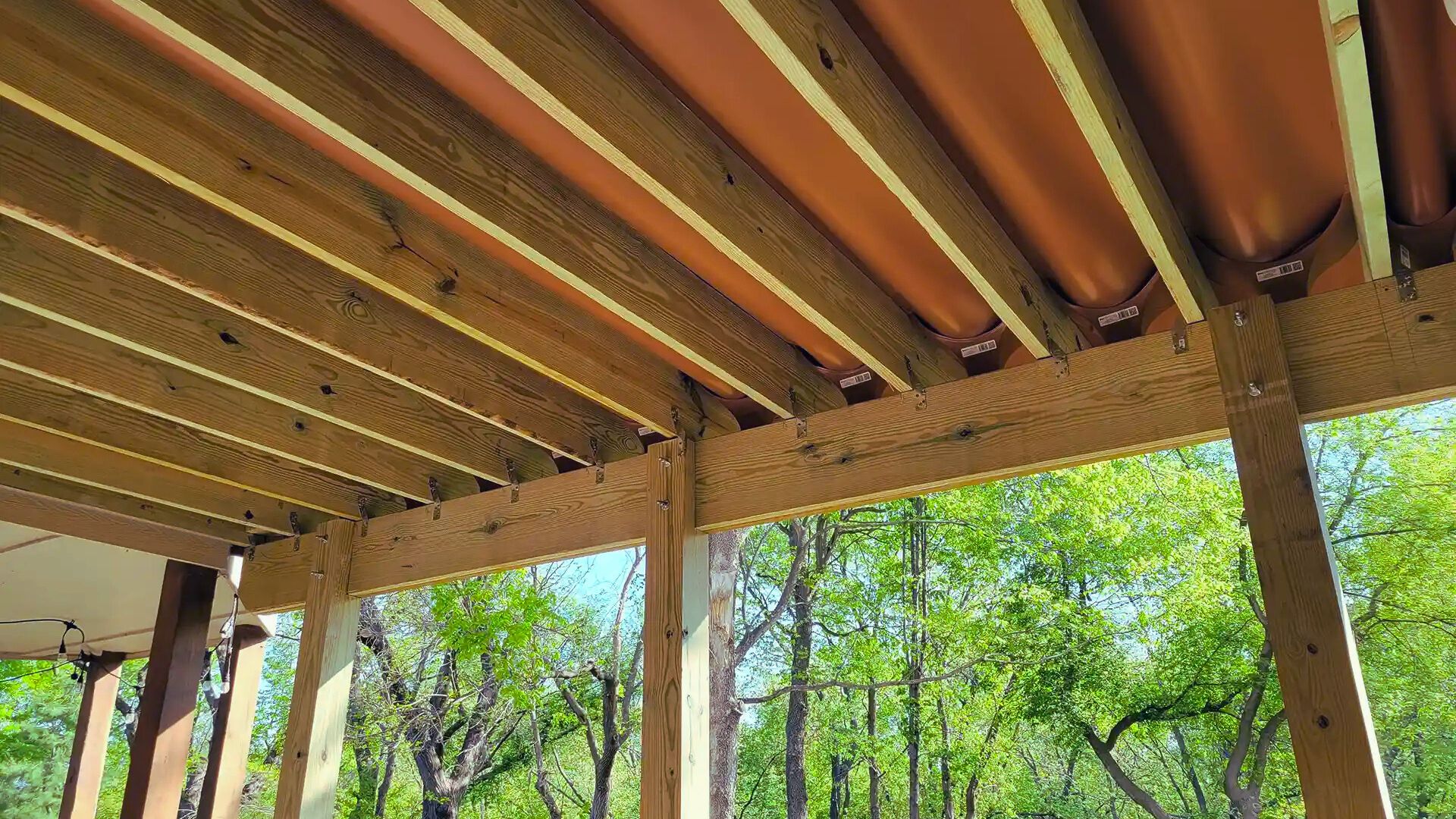
Water and wood do not mix well over time. When moisture builds up under your deck, the wood joists and framing start to break down. That means rot.
Mold is another issue. Damp, dark spaces are perfect for mold growth. If it spreads to the structure of your home, you are looking at a costly repair. An underdeck system keeps things dry and your structure intact.
4. Improves Home Value
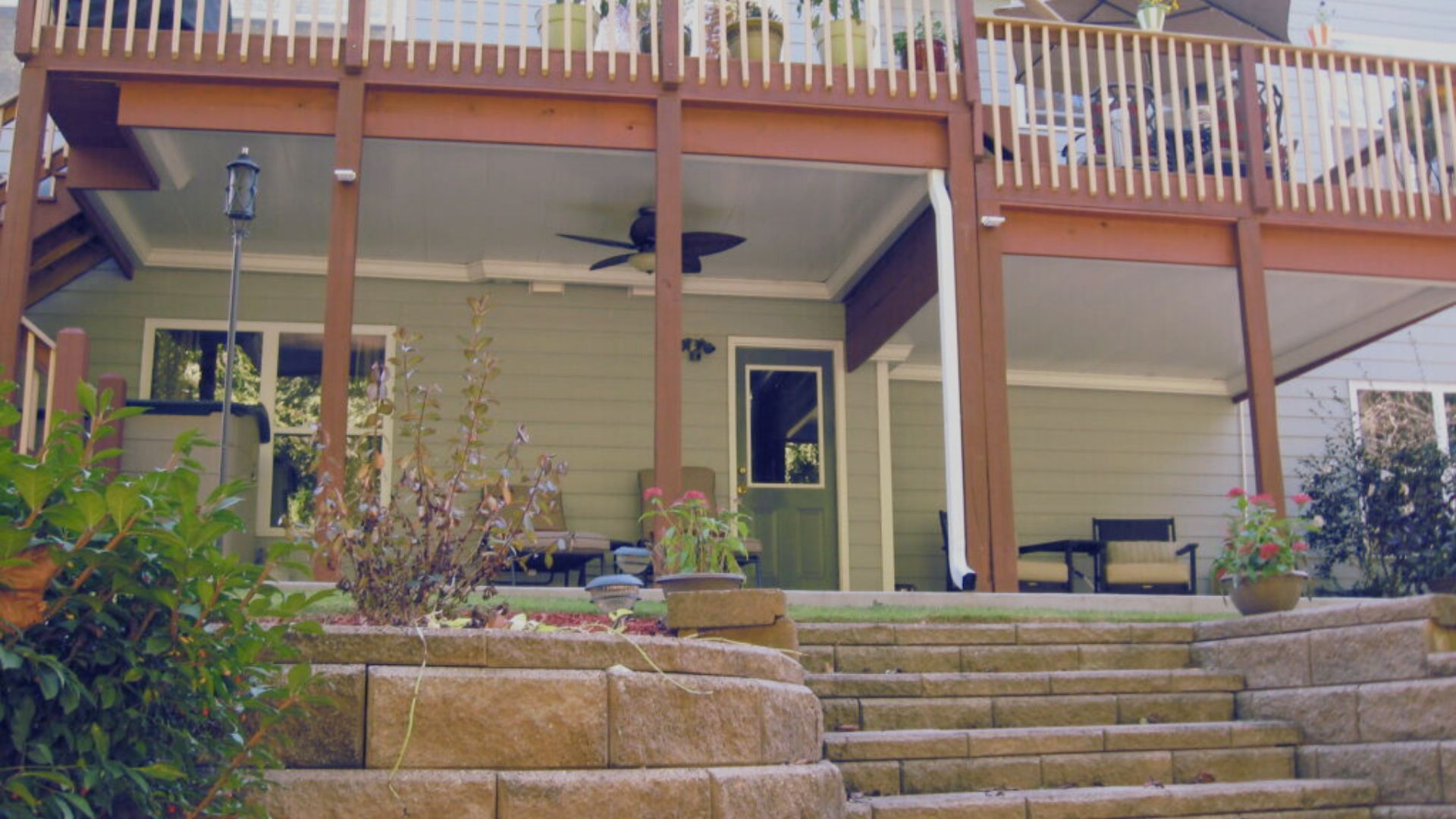
Buyers notice outdoor living space. A clean, usable area under a deck adds to the appeal of your home. Real estate agents often list covered outdoor areas as a selling point.
It suggests the home is well cared for and offers more livable space. It makes your home more attractive when compared to others on the market.
5. Improves How Your Home Looks
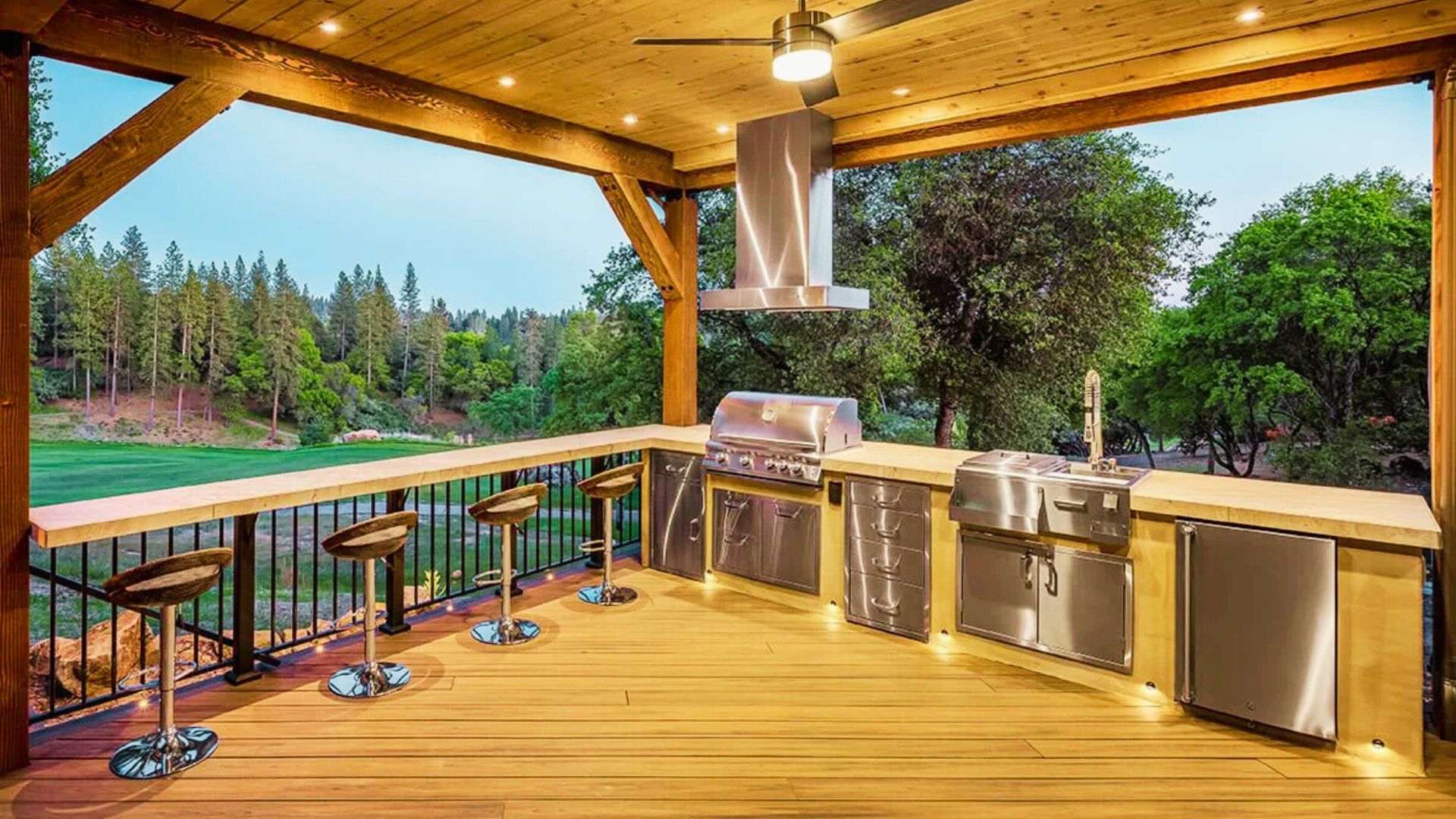
The underside of a deck is not pretty. You usually see exposed joists, wires, pipes, and staining from water. An underdeck system covers all of that.
The panels create a clean, finished ceiling look. Most come in white or light colors that brighten up the space. You can also run lighting along the system to make the area feel more welcoming at night.
6. Low Maintenance and Easy Cleaning
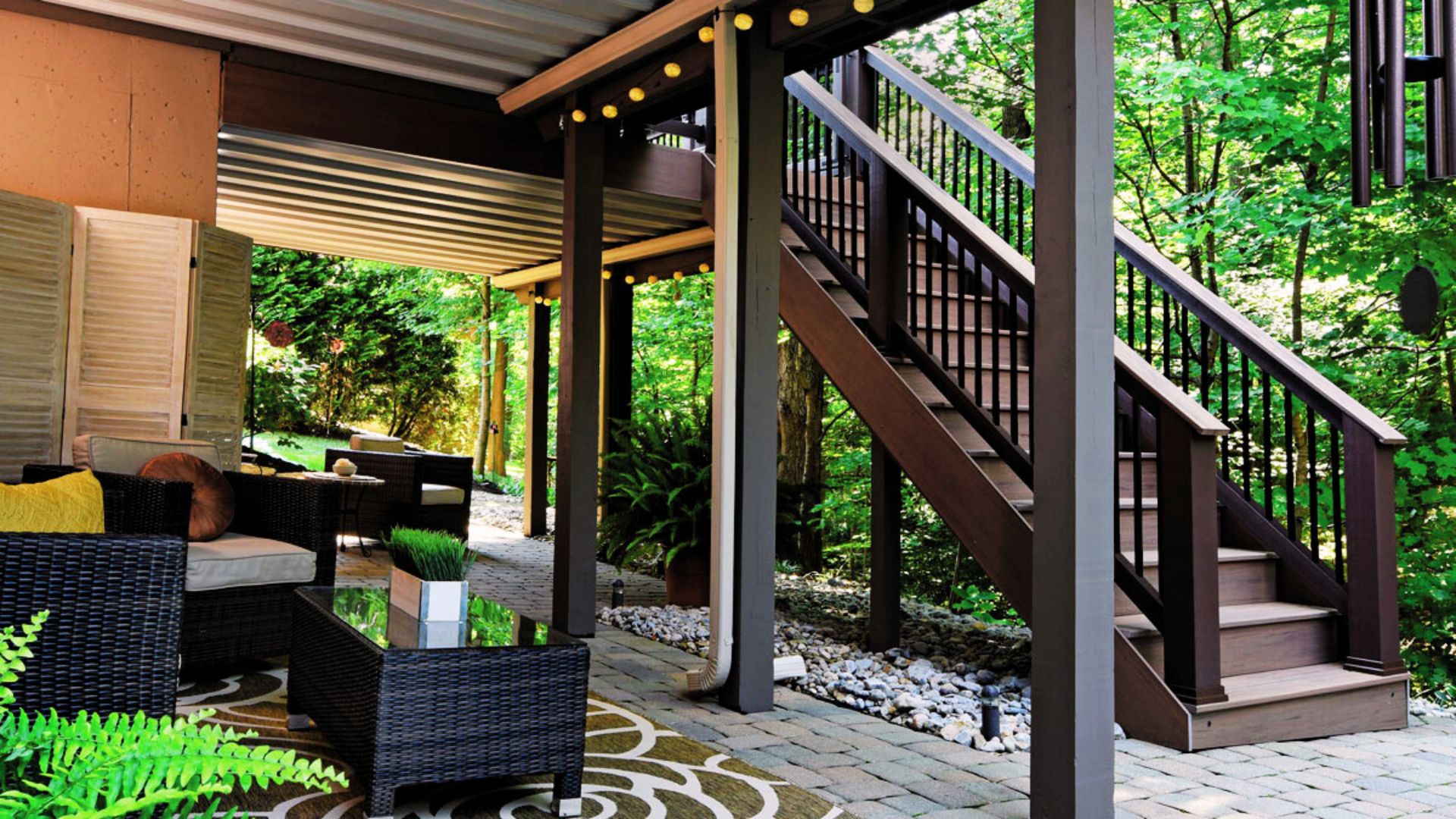
Once installed, most underdeck systems ask very little from you. The panels are designed to shed water and resist staining.
Cleaning is simple. A garden hose and a mild cleaner are usually enough to remove dirt or debris. You do not need to repaint, reseal, or sand anything.
7. Better Drainage and Water Management
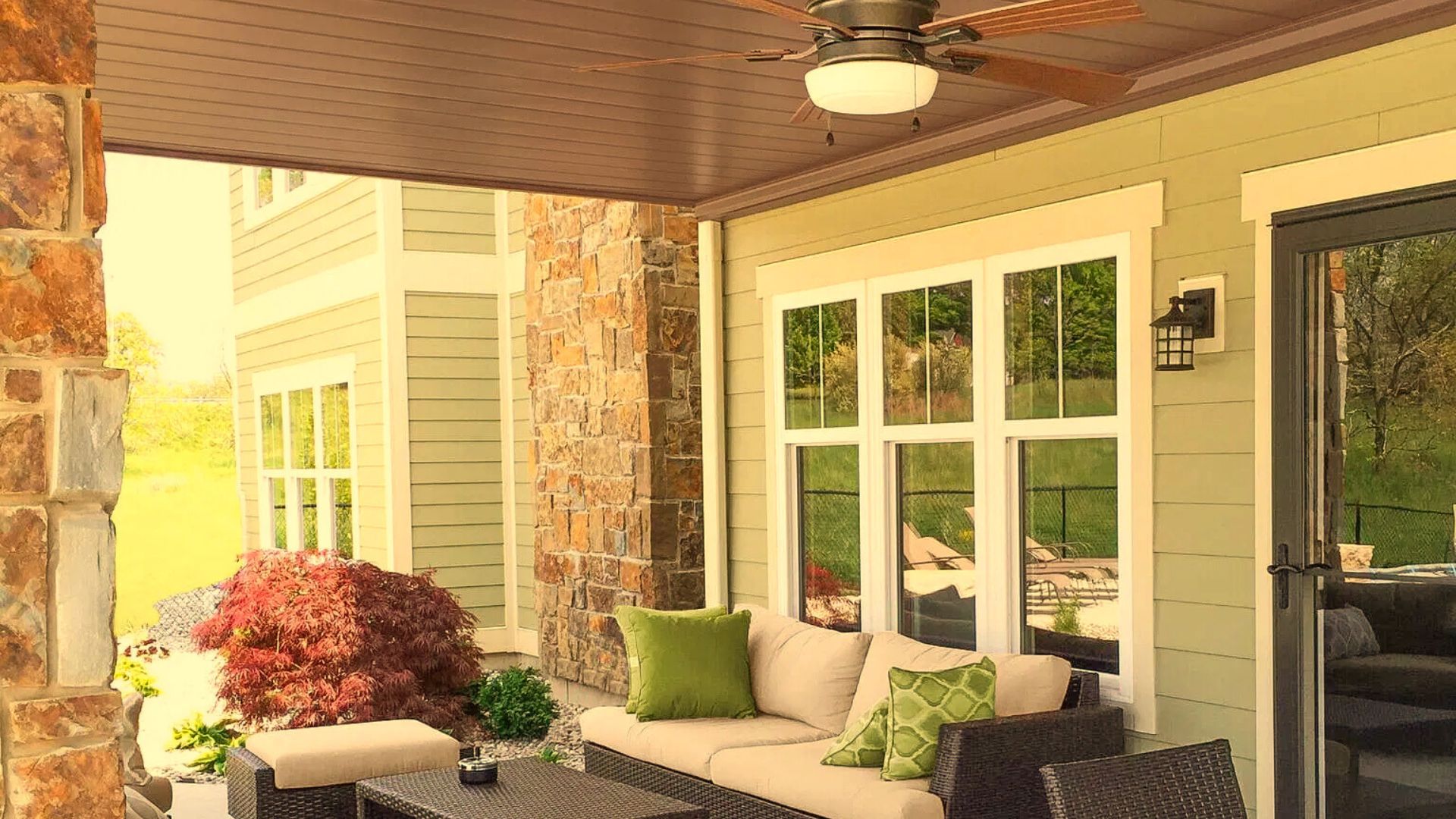
The panels are sloped slightly to guide water into a gutter along the edge. From there, a downspout carries it away from your foundation.
Water near your foundation can cause big problems over time. A good underdeck system handles this automatically without you having to think about it.
8. Extends the Life of Your Deck
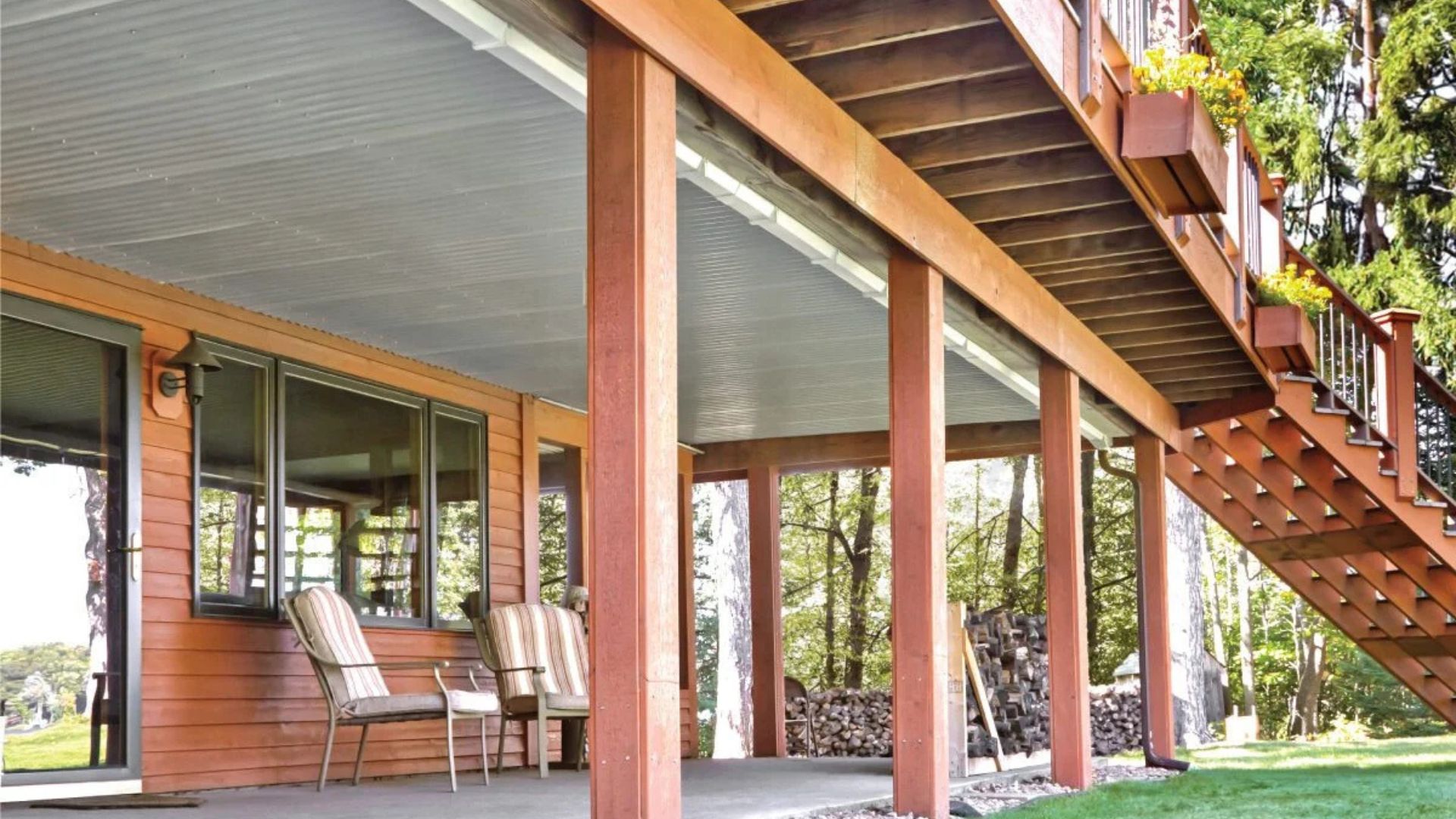
Constant moisture exposure breaks down wood faster than almost anything else. An underdeck system reduces that moisture significantly.
Less water contact means less warping, cracking, and decay. Your deck structure holds up longer, which saves you money on repairs and replacements down the road.
9. Provides a Space for Storage or Utility Use
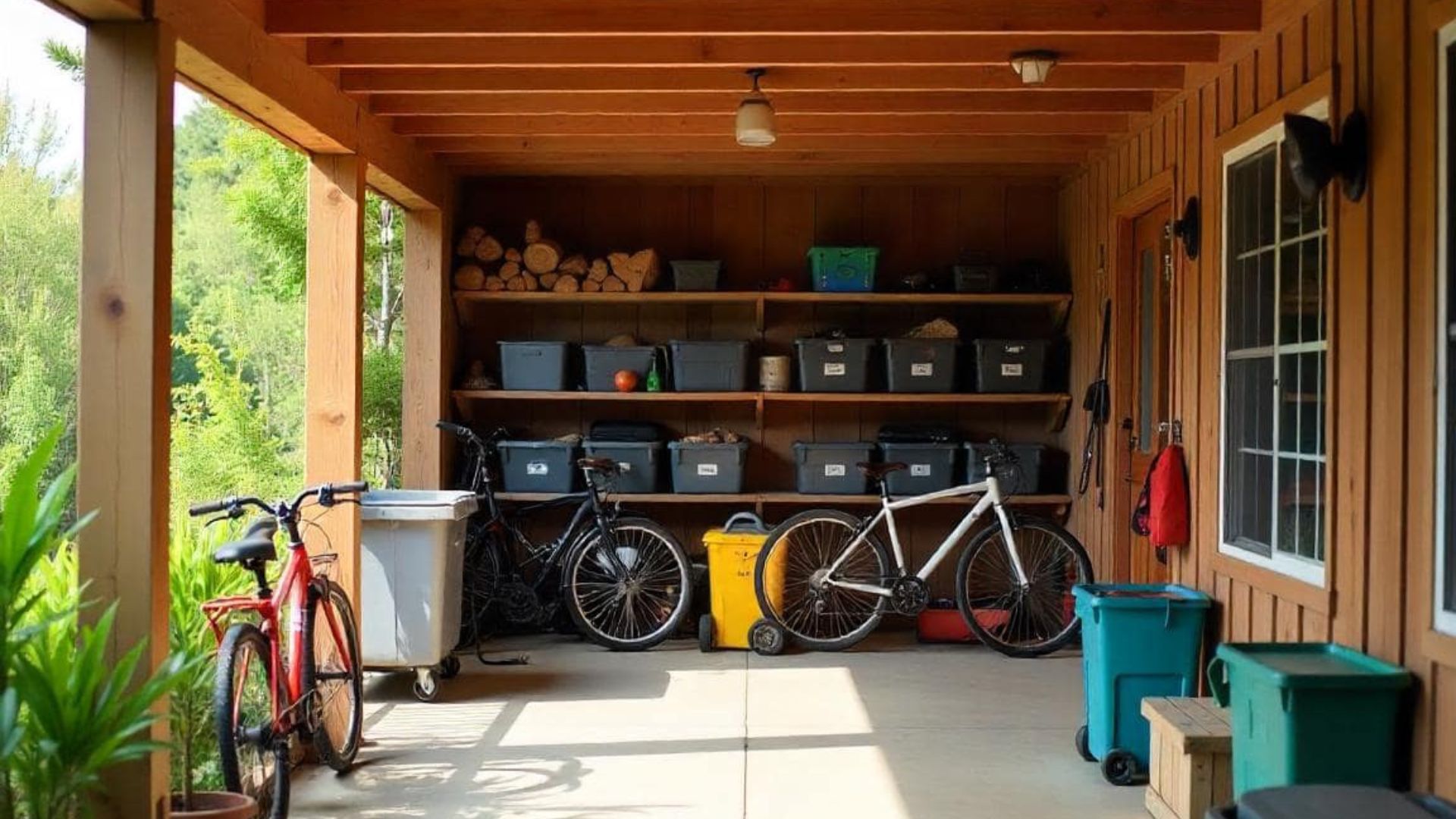
The dry, covered area under your deck becomes practical for storage too. Lawn equipment, garden tools, bikes, and seasonal items can all be stored there.
It keeps your garage less cluttered and gives you easy outdoor access to things you use regularly. It is a simple bonus that many homeowners do not think about until after installation.
Underdeck System vs Traditional Deck Waterproofing
Traditional waterproofing options include rubber membranes applied to the deck surface or drainage mats placed between deck boards. Both have limits.
Rubber membranes can crack, peel, and require reapplication every few years. Drainage mats still let some water through and do nothing for the visual side of things.
An underdeck system is a more complete solution. It gives you full water management, a finished ceiling, and usable space below. It costs more upfront but holds up much better.
Cost of Installing an Underdeck System
The cost of an underdeck system depends on your deck size, the material you choose, and who installs it. Here is a general breakdown to help you plan.
| Deck Size | Vinyl System Cost/th> | Aluminum System Cost | DIY Kit Estimate |
|---|---|---|---|
| 100 sq ft | $1,500 – $2,500 | $2,500 – $3,500 | $800 – $1,200 |
| 200 sq ft | $3,000 – $5,000 | $5,000 – $7,000 | $1,500 – $2,500 |
| 300 sq ft | $4,500 – $7,500 | $7,500 – $10,500 | $2,200 – $3,800 |
| 400 sq ft | $6,000 – $10,000 | $10,000 – $14,000 | $3,000 – $5,000 |
Aluminum systems cost more upfront but tend to outlast vinyl by 10 or more years, making them the better long-term investment for most homeowners.
Is an Underdeck System Worth It?
For most homeowners with a raised deck, yes. The combination of added usable space, protection from water damage, and improved appearance makes it a solid investment.
If your deck is close to the ground, the space below may be too limited to make it practical. But if you have four feet or more of clearance, you have enough to work with.
I think the long-term savings on structural repairs alone can justify the cost. Preventing rot and mold is far cheaper than fixing them.
Potential Drawbacks to Consider
No product is perfect. Here are a few things to keep in mind.
The upfront cost is the biggest barrier for most people. It is not a cheap project.
Installation can be complex. Getting the slope and gutter placement right requires attention to detail.
If the gutters get clogged, water can overflow back into the covered area. Regular checks help prevent this.
In very hot climates, the panels can trap heat under the deck. Ventilation panels can help with this, but it is worth factoring in before you buy.
Maintenance Tips for Long-Lasting Performance
Staying on top of a few simple tasks will keep your system working well for years.
Here is what I recommend:
- Clear the gutters at least twice a year, and more often if trees overhang the deck.
- Check the downspout after heavy storms to make sure it is not blocked or bent out of place.
- Rinse the panels once a year with a garden hose to clear away dust, pollen, and debris.
- Inspect the panel edges and connections every spring for any signs of warping, separation, or loose fittings.
- Look for standing water in the gutter channel after rain. If water is not draining, the slope may need a small adjustment.
- Check for mold or mildew along the panel surface, especially in shaded areas. A mild cleaner handles it quickly.
- Tighten any loose fasteners you find during your seasonal checks to keep the panels secure and gap-free.
These small steps take very little time and protect the investment you made in your system.
Conclusion
An underdeck system does more than keep the rain out. It gives you a real outdoor room, protects your home from water damage, and makes the space below your deck actually worth using.
I think it is one of the smarter home upgrades you can make if you have a raised deck.
Yes, the cost can feel like a lot at first. But the value you get in return, in usable space, structural protection, and home appeal, makes it worthwhile.
If you have been ignoring that muddy, wet space under your deck, now you know what is possible. Is it time to finally make that area work for you?
Frequently Asked Questions
How long does an underdeck system last?
Most aluminum systems last 20 to 30 years with basic upkeep. Vinyl options typically hold up for 10 to 15 years depending on the climate and how well they are maintained.
Can I install an underdeck system myself?
Yes, DIY kits are available and manageable for someone with basic tools and patience. That said, professional installation reduces the risk of leaks from improper slope or panel alignment.
Does an underdeck system require a building permit?
In most areas, no permit is needed since you are not altering the deck structure. It is still worth checking with your local municipality to be sure before starting.
Will an underdeck system work in cold climates?
Yes, most systems are designed to handle freezing temperatures. Aluminum panels handle freeze-thaw cycles well. Just make sure the drainage path does not allow ice to back up.
What is the difference between an underdeck system and a pergola?
A pergola is a freestanding structure built next to or over an outdoor area. An underdeck system attaches to an existing elevated deck and specifically manages water runoff from above.
ges water runoff from above.
