

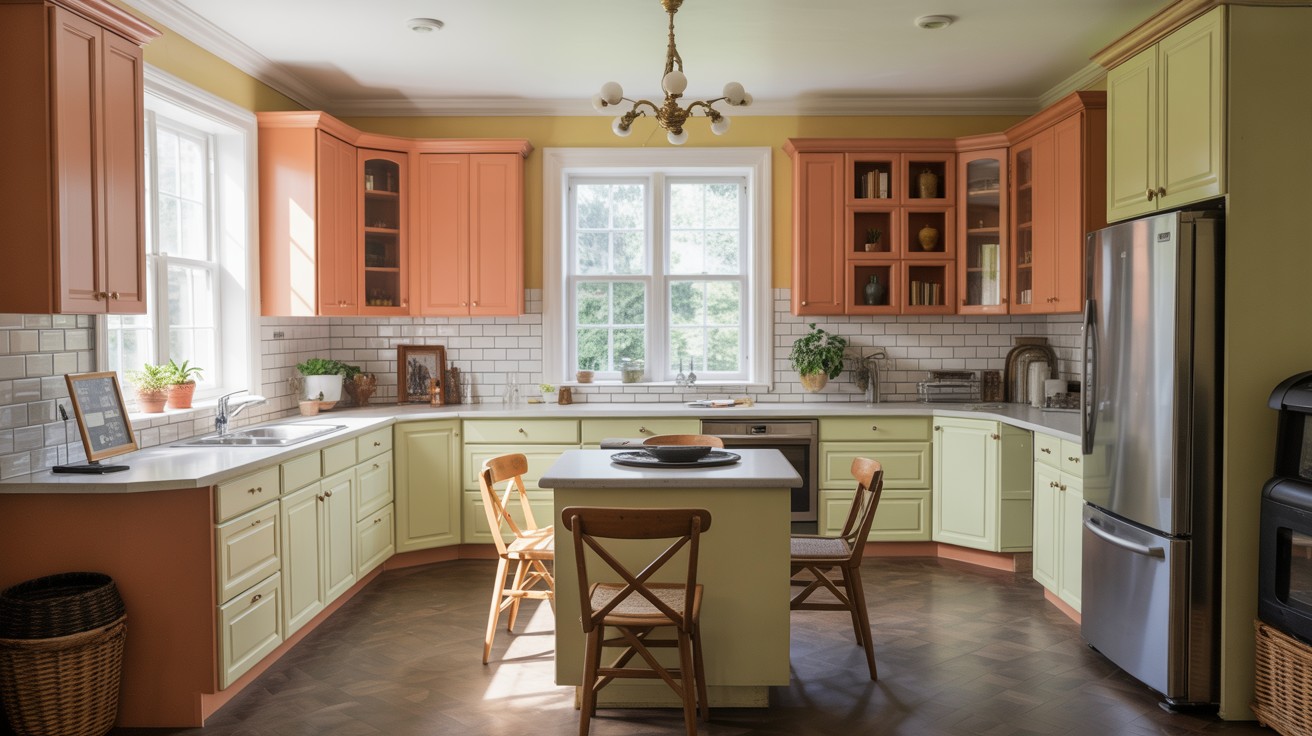
In the opinion of homeowners and designers, storage units mark out the style and functional peculiarities of any kitchen and bathroom. Although custom cabinetry is expensive, wholesale cabinets are inexpensive. When you plan carefully, it becomes easier to see how different elements work together. Smart choices lead to results that feel intentional rather than random.
So, if you plan carefully, it can be possible to mix and match the different styles of your wholesale kitchen cabinets, including their hues and finishes, so that they create a unique, cohesive appearance. This guide discusses ways wholesale cabinets can be mixed and matched in practical ways to create more character and utility in any space. The right approach turns budget-friendly options into a polished design. Even simple changes can make a significant visual impact.
Plan the Layout Before Buying
At a glance, clarity in objectives is the best ground upon which to set the cabinet arrangement. First, take the measurements of the area that is available to use, so you know the needs for storage and the limits of the space. Take into account current appliances, windows, and doors, as these could affect where the cabinets can go. Even a really simple sketch gives an idea of how different styles of cabinets may work together. The function should always come first; each cabinet should satisfy a need, whether it is cookware, pantry, or cleaning supplies.
Balance Colors and Finishes
A mix of cabinetry colors adds depth to a kitchen or bath. You can combine dark and light accents—light shades often give out an open, airy feeling, while darker tones bring warmth and sophistication. Pair contrasting shades on top and bottom units for a more balanced look. One of the more common methods is to combine traditionally white upper cabinets with stylish dark lower cabinets for a classic look. If you are going to play with finishes, always choose one finish to dominate and another to accentuate it before the space becomes busy.
Mix Door Styles With Care
There are thousands of door styles from which you can choose for your wholesale cabinets—including shaker styles, flat panels, and more. Style mixing is a great way to create interest, but too many directions can become visually noisy. Try to keep the number of different door styles to a limit of two or three. Put the most decorated style in a central space, a center of attraction, a basin, or a landmark wall. In less-visible areas, simpler designs can create unity without losing character.
Combine Open and Closed Storage
Open shelves keep frequently used items within reach and provide a staging space for decorative dishes or glassware. Closed cabinets conceal daily messes, creating a clean and neat appearance. The best way to balance it is to put open shelves above work areas or by the windows; this way, they are eye-catchers without overcrowding the space. Most of the storage should be in closed cabinets, which provide good privacy for all those items and small appliances that are not very nice to look at.
Bridging With Hardware
Common material or shape echoed from handles and knobs can unify mixed cabinets. Instead, use hardware in one finish, like brushed nickel or matte black, to create continuity. When cabinets are not in the same color or style, matching pulls or knobs can serve as the unifying force that makes a group of cabinets look like one cohesive set. Enhance some extra character with geometric shapes or interesting finishes that go well with the overall theme. For insights on material durability and finishes, Consumer Reports provides tested recommendations on long-lasting hardware options.
Experiment With Vertical and Horizontal Lines
The way a room feels visually depends on how you put your cabinets. Going all the way up keeps with the height theme and adds additional storage with stacking cabinets. It creates a horizontal feel with cabinets that are often placed over a refrigerator or sink. Changing the orientation of cabinets can create a sense of space and variety. If possible, try to keep things symmetrical for a more orderly, visually pleasing, and calming effect.
Accent With Unique Features
Glass-front doors, beadboard panels, and decorative moldings bring some interesting character and add variety by breaking up those long lines of solid doors. Glass helps to display favorite dishes while keeping them protected from dust. Top or bottom decorative moldings add a custom detail. In private homes, accents should be used sparingly to avoid a cluttered look and maybe saved for special parts of the house only—like a breakfast nook or built-in hutch.
Conclusion
Mixing and matching wholesale cabinets offers endless opportunities for creating a personalized home. Achieving the right balance of colors, shapes, and textures can transform any space into a welcoming, functional area. Even inexpensive cabinets look deliberate and purposeful, with practical planning behind them. These clever tricks allow anyone to turn the normal appearance of cabinets into an eye-catching point of the entire house.
