

One of the foundations of a functioning homestead is your gear: the generator, mower, tiller, or even a snow blower. When these small engines break down, knowing how to repair them yourself can save you big time.
First, small engine repair gives you independence. Rather than hauling your tools to a shop — or worse, going without them when you need them most — you can diagnose and fix problems on the spot. According to homesteading pros, being able to rebuild carburetors or change belts extends the life of your tools.
Next, this skill builds resilience. For example, if a generator goes down during a power outage, you won’t panic or wait for a technician. You’ll already know how to check spark plugs, fuel lines, or air filters.
Finally, learning these mechanical systems helps your broader self-reliance. When you understand how air, fuel, and ignition work, you can apply that knowledge to water pumps or other machinery on your homestead. Small engine repair isn’t just practical — it trains your problem-solving muscle.
Plumbing Repairs That Keep You Flowing
Whether you’re dealing with a leaking faucet in a cabin-style bathroom or a cracked pipe under a garden shed sink, plumbing is always part of homestead life. But many plumbing fixes are surprisingly simple, even if you don’t have a background in construction.
Start by stocking a basic plumbing toolkit: adjustable wrench, plumbers’ tape, replacement washers, PVC or copper fittings, and a pipe cutter or hacksaw.
One common repair: replacing a leaking faucet washer. That drip-drip-drip isn’t just annoying — it’s wasting water and driving up your bills. Shutting off the water, unscrewing the handle, and swapping in a new washer costs very little but improves efficiency.
Another trick is patching small leaks in PVC or copper pipe. If it’s PVC, clean the area, sand lightly, apply primer and cement, and join in a new piece. For copper, a bit of soldering or using a compression fitting will usually do the trick.
If winter is part of your homestead, don’t forget to winterize water lines or fix any cracks before freezing happens. A small crack neglected can lead to a burst pipe when temperatures drop.
Metalwork and Welding: Strengthening Your Barns and Tools
Metal repairs often feel more mysterious, but they’re crucial if you’re building or maintaining sheds, gates, or farm tools. And one of the most practical metal repairs on a small scale is welding — especially if you’ve picked up a welding machine for your homestead.
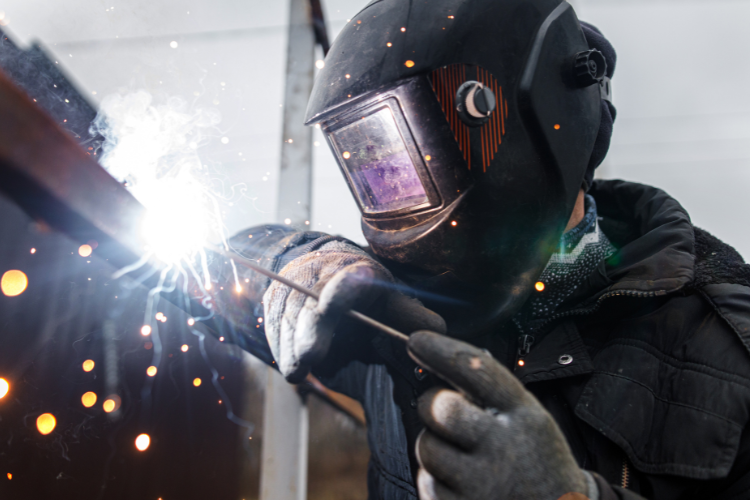
Welding lets you fix bent frames, reinforce braces, or even build custom tools. But safety matters: welding exposes your eyes and skin to harmful UV, infrared radiation, and bright visible light. That’s where a reliable welding lens becomes critical.
If you’re looking for a solid, affordable option, check out the red auto-darkening lens from ridgeproductswelding.com. Their adjustable lens lets you set the shade between 5 and 13, so you can match it to whatever welding process you’re doing — MIG, TIG, stick, even plasma cutting — and protect your eyes while keeping a clear view.
Auto-darkening lenses work by sensing the welding arc and switching from a light, see-through state to a dark protective shade in microseconds.That rapid reaction reduces eye strain and gives you much better control over your weld puddle. You’ll need to keep the sensors clean and make sure your delay and sensitivity settings match your work so the lens doesn’t stay dark too long or flicker.
Also, replacing or adjusting lenses isn’t just for pros. On a homestead, clear, high-quality lenses help when you’re patching a gate or reinforcing a welded tool — it’s safer, faster, and more precise.
General Maintenance: Small Fixes, Big Impact
Beyond engines, plumbing, and welding, there are tons of everyday repairs that matter on a homestead. Taking time to handle them now saves you headaches later.
- Roof and siding – Check once a season for missing shingles, rust, or gaps in siding. A few replacement shingles, some sealant, and a drill can keep water out and make your buildings last for decades.
- Fencing – Whether it’s wood, metal, or welded pipe, fences take a beating. Tighten loose screws, replace rotted boards, or re-weld bent bars. A timely fix prevents livestock escapes or structural trouble later.
- Woodwork – Outdoor wood gets weathered. Re-staining or re-sealing sheds, decks, and raised beds protects them from moisture and rot. Use an exterior-grade stain or sealant every few years.
- Electrical fixes – Small fixes like replacing a broken outlet cover, installing GFCIs near water, or upgrading light fixtures can go a long way for safety. If you’re not sure, consult an electrician, but basic wiring skills help a lot.
- Tool care – Maintain your hand tools and power tools. Sharpen blades, oil hinges, check belts and cords. Well-kept tools last longer and perform better, reducing the chance of breakdowns.
Learning and Growing: Why These Repairs Matter Beyond the Task
It’s more than just fixing things: doing repairs yourself helps you grow confidence. When you figure out how to maintain a generator, patch a pipe, or weld a frame, you’re building a deeper connection to the land and your homestead.
You’ll also save money. Hiring out every job — especially welding or engine repair — adds up. Doing it yourself cuts costs and gives your homestead greater financial flexibility.
Repair skills also foster community. You might help your neighbors fix their tractor or lend a hand with their fence. That builds relationships, and in rural homesteads, those connections are gold.
Getting Started: Simple First Projects to Build Confidence
If you’re just starting out, here are a few manageable projects to build your repair muscles:
- Tune up your mower or generator — Change oil, check spark plug, clean air filter.
- Fix a leaky faucet — Replace the washer and seal.
- Inspect and patch siding — Use caulk or siding clips.
- Clean and test your welding gear — Make sure your auto-darkening lens works, sensors are clear, and settings are dialed in.
- Sharpen your tools — Give your pruners, hoes, or saws a tune-up.
Each of these helps when you scale up to bigger jobs.
Final Thoughts
Turning a city lot into a homestead isn’t just about gaining land. It’s about gaining responsibility, self-reliance, and confidence. Small-scale repairs — whether you’re tackling engine work, plumbing, welding, or regular maintenance — are the backbone of that process. You’re not just saving money: you’re building a deeper relationship with your tools and your property.
Every repair, no matter how small, is part of your homestead story. Doing the work makes you more capable, more prepared, and more grounded. And when you need gear that works as hard as you do — like a reliable auto-darkening welding lens — you can lean on trusted tools that keep you safe and clear-headed while you build.
If you ever feel stuck or overwhelmed, take a step back, pick one project, and start small. You’ll be surprised how much you can accomplish — and how that effort brings real value to life on your homestead.
