

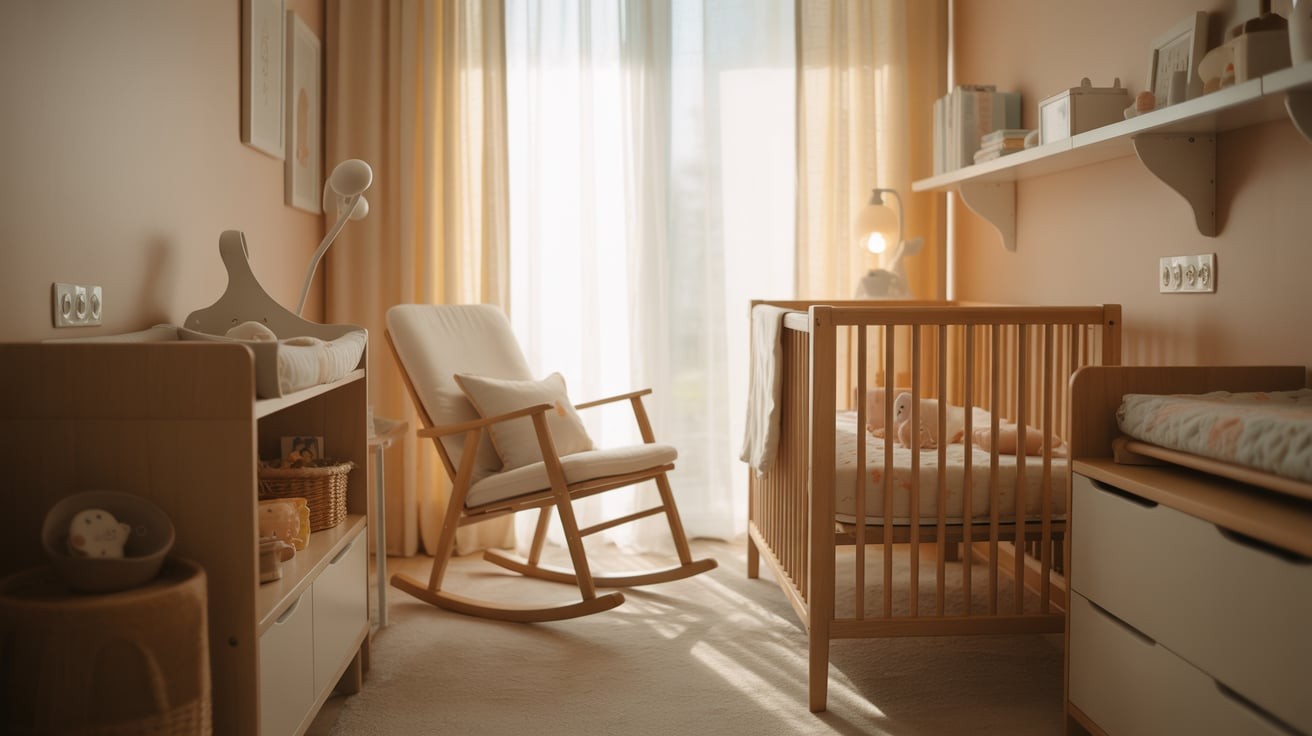
Preparing your apartment for a new baby is one of those moments when your home stops being just a collection of rooms and becomes the backdrop of a new chapter in your life. Every corner, every drawer, every light switch starts to feel like it matters in a new way. You’re not just creating space for a crib or stocking up on diapers. You’re building the environment where long nights, soft mornings, new routines, and small miracles will unfold. And even if you live in a small apartment or feel like you don’t have enough room, you’ll be surprised by how well your home can adapt once you rethink how it’s meant to serve you.
The transition isn’t about turning your apartment into a showroom nursery. It’s about shaping it into a supportive place where you can move easily, rest when you can, and care for your baby without feeling overwhelmed. The more your home fits the rhythm of newborn life, the calmer everything becomes. This article walks you through that shift in a human, practical way—from the early mindset changes to the real, everyday adjustments that help your apartment feel ready for the biggest arrival of your life.
1. Rethinking Your Home: Shifting Into “Baby Mode” Before You Touch Anything
Before you start buying anything or rearranging furniture, it helps to start with a mindset reset. Life with a new baby moves differently, and your apartment will play a much bigger role in your daily routine than it ever has. You’ll spend more time at home, often with less sleep than usual, and suddenly the little inconveniences you used to ignore become things you want to fix.
Walk through your apartment at an easy pace and pay attention to how you use it. Notice the tight walkways, the cluttered shelves, the corners that tend to collect mail and keys, and the spots where you usually drop bags or jackets. These patterns matter because they will either support or disrupt your life once you’re carrying a baby, feeding at odd hours, and navigating in low light.
Think about where the quieter areas of your apartment are. Where do you naturally gravitate when you want a sense of calm? That’s often where your baby will spend much of their early life. Babies don’t need much space; they need consistency and comfort. Understanding the natural “energy map” of your home helps you decide where the essential baby areas belong.
It also helps to think about your nighttime movement. When you picture waking up at 2 a.m. for a feed, what does the walk from your bed to the bassinet feel like? Is the floor clear? Is the lighting soft enough? Is the space easy to navigate half-asleep? These details add up to less stress, which may be the most precious resource you’ll have during the newborn months.
This early shift—seeing your home the way the next version of your life will use it—makes every practical step that follows feel more obvious and less intimidating.
2. Designing the Core Baby Zone: Where the First Months Actually Happen
Many people imagine needing a full nursery from day one, but newborns rarely use an entire room. Most of life with a baby happens within a small radius: the sleep space, a feeding spot, and a place for diaper changes. In an apartment, these areas often sit within the same room, and that’s perfectly normal.
Start by choosing where your baby will sleep. The quietest, most stable part of your bedroom usually works best. A corner away from windows, heaters, or drafts creates a comfortable environment. All you truly need is a bassinet or crib with a firm mattress and fitted sheet. Keeping the setup simple helps you care for your baby without fuss. A tiny side table with a lamp, water bottle, and a few essentials makes nighttime routines smoother.
Now think about where you’ll feed your baby. Whether you breastfeed or bottle feed, the goal is comfort and access. A supportive chair, a place to rest your arms, and somewhere to set things down all make long nights easier. You get to choose a spot that feels good to you—maybe near a window for daytime light or closer to your bed for nighttime feeds. This corner becomes a little oasis during a season when rest feels scarce.
Diaper changes don’t need a full table. A steady dresser with a changing mat works well in apartments. The real trick is keeping whatever you use stocked and within reach. A basket with diapers, wipes, and spare clothes saves you from wandering around looking for things while your baby squirms.
If your apartment is small, creativity goes a long way. Wall shelves hold diapers and lotions without taking up floor space. Under-bed organizers store extra blankets, wipes, and clothing in the next size. A slim rolling cart can serve as a mobile baby station, moving between rooms as your day shifts.
The newborn stage is simple and repetitive. Setting up a clean, functional core zone gives you a home base that supports those early months instead of working against you.
3. Safety as a Layered System, Not a Checklist
Many parents picture safety as a list of products: outlet covers, cabinet locks, corner guards. But the newborn stage calls for a gentler approach. Early safety is more about removing hazards for you, because tired adults carrying fragile babies are the ones who need streamlined spaces. True baby-proofing comes later when your child starts to roll, reach, and crawl.
Start with the sleep area. Keep it minimal. A crib or bassinet with nothing inside it, no pillows, blankets, bumpers, toys, or loose fabric. It may look plain, but it’s the safest environment for your baby. Double-check what’s around the sleep area too: cords, curtains, heaters, shelves that could fall, or pets that might climb nearby.
Then look at the space where your baby will spend time on the floor. Even newborns wiggle more than people expect. Clearing the floor of small objects and cables keeps things safer for those early attempts at rolling and eventually crawling. A soft mat on the floor becomes a warm, clean space for tummy time, which quickly turns into mini explorations.
Take a moment to secure heavy furniture to the wall. It might feel early if your baby can barely open their eyes, but mobility happens faster than people assume. Anchoring furniture now saves you from scrambling later.
The bathroom also deserves attention. Bath time requires everything within reach, towels, creams, diapers, and clothing, so you never have to step away for a second. A non-slip mat helps you handle a wet, squirming baby with confidence.
Even though your baby won’t be opening kitchen drawers anytime soon, the kitchen matters because it becomes your hub for bottle cleaning, sterilizing, and prepping feeding supplies. Keep detergents high, clear off cluttered counters, store anything sharp or heavy safely, and set up a dedicated spot for baby items so they stay clean and organized.
Safety isn’t something you do once and forget. It changes as your baby grows. But if you lay the foundation early, the apartment becomes a calmer place for everyone.
4. Storage Reinvented: Making Room for Baby Gear Without Losing Your Home
New parents are often surprised by how many small items babies require. The baby clothes alone, so tiny yet somehow so numerous, can overwhelm drawers in a matter of weeks. Smart storage is what keeps your apartment feeling like a home rather than a supply closet.
The best way to begin is by clearing space before adding anything new. Go room by room and identify the things you haven’t used in months. Donate what’s still in good shape. Recycle or toss what’s not. Making space is more powerful than any organizing bin you could buy.
Once you declutter, think about storage in two types: the things you need daily and the things you need occasionally. Daily items should stay close to where you care for your baby. That might be a small basket near your bed for nighttime diapers, a section of your closet dedicated to newborn clothes, or a rolling cart with feeding supplies.
Backup storage goes farther away. Bins under your bed can hold extra wipes, blankets, pacifiers, and clothes in the next size up. High shelves can store seasonal items or gadgets you won’t need until your baby is older. This division keeps your main living areas from being swallowed by items you only use once a month.
Vertical storage is your best friend in small apartments. Wall hooks hold carriers, diaper bags, or swaddle blankets. Narrow bookshelves can store baskets of supplies without taking much floor space. Over-door organizers can hold everything from lotions to toys.
Be careful not to overstock early. Marketing loves to tell new parents they need a gadget for every moment, but the truth is that many items either go unused or get replaced later. Start with the essentials and let your real life guide what you add.
Friends and family often give gifts before they meet your baby. Some will be perfect. Others may not fit your lifestyle or your apartment. Keep a small “review later” box somewhere out of the way so you can evaluate items after you settle into your new routine.
Storage evolves with age. What starts as a drawer of swaddles eventually becomes a drawer of rattles, then a drawer of board books, then a drawer of crayons. Thinking of storage as something that rotates rather than something permanent makes the process feel lighter.
5. Quiet Comfort Meets Daily Chaos: Preparing Routines and Shared Living Spaces
Your living spaces take on new roles once a baby enters the picture. The living room, kitchen, and laundry areas all become part of a cycle that repeats throughout the day. You’ll find yourself feeding the baby in the living room, walking around to soothe them, prepping bottles in the kitchen, and washing small loads of laundry far more often than before.
Start with your living room. Clear surfaces of unnecessary clutter so the room feels calm instead of busy. Add soft lighting that you can use during late-evening feeds. Keep a couple of baskets nearby for baby blankets, burp cloths, or toys so they stay tidy rather than scattered.
If you have tall seating or kitchen island seating, such as commercial bar stools, now is a good time to decide whether those pieces still fit your daily flow. Sometimes simply shifting them or storing one away opens up essential space for moving around while carrying your baby.
The kitchen becomes a major hub, especially if you’re bottle feeding. Washing bottles, sterilizing parts, prepping formula, or storing pumped milk quickly becomes a daily routine. Designating one section of your counter for baby feeding supplies helps keep the process smooth. A single drying rack dedicated to bottles saves you from mixing them with everyday dishes.
Laundry shifts too. Babies go through clothes shockingly fast, and you may find yourself doing more frequent loads than you ever expected. Setting up a small dedicated area, maybe a hamper for baby clothes and a spot for stain-treatment supplies, helps you stay on top of it without feeling like laundry has taken over your entire home.
Sound becomes something you pay closer attention to. Apartment life means neighbors, traffic, hallway noise, and upstairs footsteps. Soft rugs, curtains, and small sound buffers help maintain a calmer atmosphere. Many parents discover that a gentle white-noise machine benefits not just the baby but the adults as well.
Even though life changes, keeping parts of your home just for you matters. Your coffee table can stay an adult space. Your sofa doesn’t need to turn into a playground. With a few smart storage spots, you can keep your living room from feeling swallowed by baby items. Having a place in your home where you still feel like yourself is grounding during a time of constant adjustment.
6. Future-Proofing the Apartment: Building a Home That Grows With Your Child
Preparing for a newborn is only part of the story. Babies don’t stay tiny for long, and your apartment will evolve with each new stage. Planning for these changes early can save you a lot of scrambling later.
Once your baby starts rolling, the whole dynamic shifts. Crawling turns your apartment into a world of adventure. Sit on the floor and look around from a baby’s perspective. You’ll notice things you’ve never paid attention to: dangling charger cables, low-lying decorations, wobbly side tables, and areas where a baby could try to climb.
Choosing furniture that can adapt helps your apartment stay organized for years. A crib that converts to a toddler bed, storage bins that can later hold toys instead of diapers, or bookshelves that can be raised as your baby gets taller all help your home grow with your child instead of working against the changes.
Try not to buy items your baby won’t need for many months. Walkers, oversized toys, and toddler items often take up space long before they’re useful. Let your routine guide your purchases rather than guessing what you’ll need in the future.
Consider the social side of things too. Even in a small apartment, you’ll likely have visitors, family, friends, babysitters. A foldable chair, a small organized corner, or a basket of ready-to-grab essentials helps make your space welcoming without crowding it.
Toddlerhood will bring a new wave of needs. Toddlers climb, pull, push, and explore everything. You’ll eventually install cabinet locks, secure cords, add door stoppers, and rethink your entire kitchen setup. Preparing mentally for the next phase makes it less overwhelming when it arrives.
Your home will continue changing as your child grows. That’s part of the beauty of this season. Your apartment doesn’t need to be perfect. It just needs to evolve with you. Every thoughtful adjustment you make now sets the stage for smoother months ahead.
