

Choosing the right door can feel confusing, especially when you’re comparing prehung doors to slab doors.
I’ve been there myself, standing in the hardware store trying to figure out which option would save me time and money.
In this guide, I’ll explain prehung door meaning in simple terms. You’ll learn what makes these doors different, when to use them, and how they compare to other types.
I’ve done the research so you can make a confident choice for your home project. Let’s clear up the confusion together.
Prehung Door Meaning
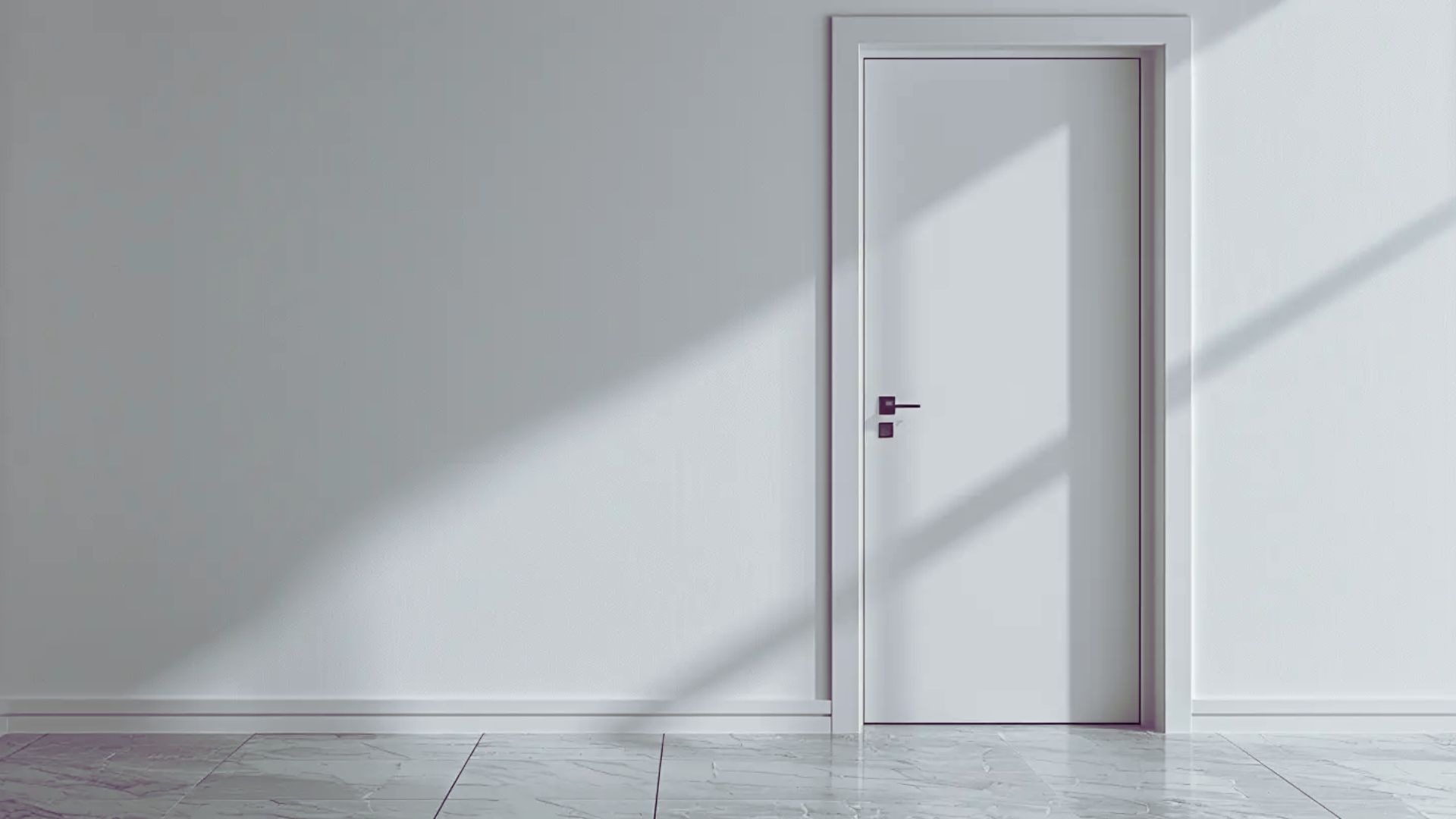
A prehung door comes ready to install with all the main parts attached. The door slab hangs on hinges that are already mounted to the frame.
This complete unit includes the door, frame (jamb), hinges, and pre-drilled holes for hardware.
You don’t need to hang the door yourself or align hinges. This setup saves time and reduces installation mistakes. It works well for new construction or when your existing frame is damaged.
The unit typically includes the door slab in wood, fiberglass, or steel, pre-mounted hinges, the frame structure, bore holes for the doorknob and deadbolt, and weatherstripping for exterior models that blocks drafts and moisture.
Prehung Door vs Other Door Types
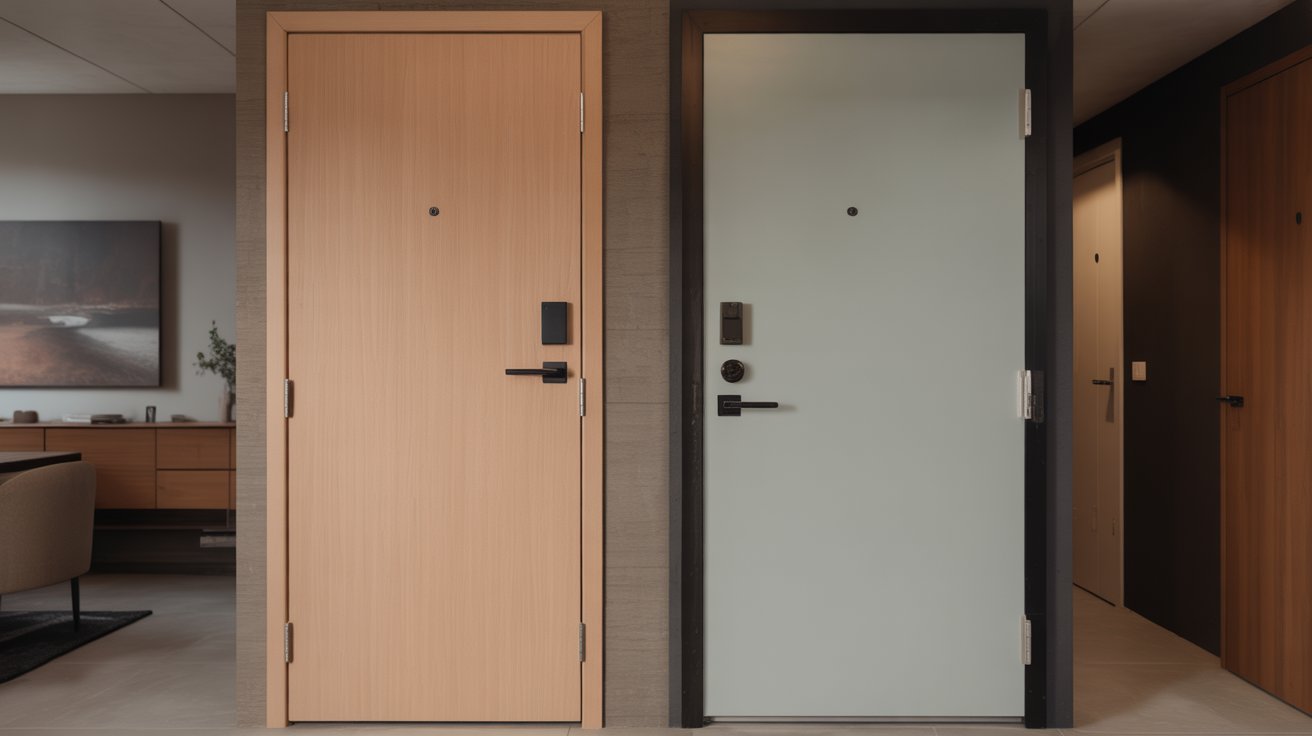
Understanding the differences between door types helps you pick the right option. Each style has specific benefits depending on your project needs.
Prehung Door vs Slab Door
A slab door is just the door panel with no frame or hardware. You buy only the flat piece and install it into an existing frame.
Component differences: A prehung door includes the frame, hinges, and hardware holes. A slab door has none of these parts. You need to buy and install everything separately.
Installation differences: Installing a prehung door means setting the entire unit into the rough opening. With a slab door, you must fit it to the existing frame, attach hinges, and drill holes for the handle.
When to choose each: Pick a prehung door for new builds or when replacing a damaged frame. Choose a slab door if your current frame is in good shape and properly aligned. Slab doors cost less but take more skill to install.
Prehung Door vs Bifold, Barn, and Pocket Doors
These alternative styles serve different purposes than standard swing doors.
Bifold doors fold in half and work well for closets. They save space but don’t seal as tightly as prehung doors.
Barn doors slide along a track mounted above the opening. They add a decorative touch but leave gaps around the edges. Sound and privacy aren’t as good.
Pocket doors slide into the wall cavity. They’re great for tight spaces where a swinging door won’t fit. Installation is more complex because you need to build or modify the wall.
These options work better in specific situations. For most standard doorways, a prehung door offers better security and insulation.
Pros and Cons of Prehung Doors
Prehung doors offer clear advantages but come with some challenges. Here’s what to consider before you buy.
|
Pros |
Cons |
|
Faster Installation: You skip measuring for hinges and drilling holes. Just position the frame, level it, and secure it. This saves time and reduces mistakes for DIYers. |
Heavier and Harder to Maneuver: The complete unit weighs more than a slab door alone. Moving it through narrow hallways or up stairs requires extra effort and likely a helper. |
|
Better Alignment & Fit: Factory assembly means the door and frame match perfectly. The hinges are positioned correctly and gaps are even on all sides. No sticking or uneven closing. |
More Expensive Than Slab Doors: You pay extra for the frame and assembly work. The price difference can be significant when replacing multiple doors. |
|
Ideal for New Construction or Damaged Frames: They fit cleanly into rough openings. If your old frame is warped or cracked, a prehung unit solves multiple problems at once. |
Requires Precise Leveling During Install: The entire unit must be level and plumb in all directions. Poor leveling leads to doors that don’t close properly or gaps that let in drafts. |
When You Should Choose a Prehung Door
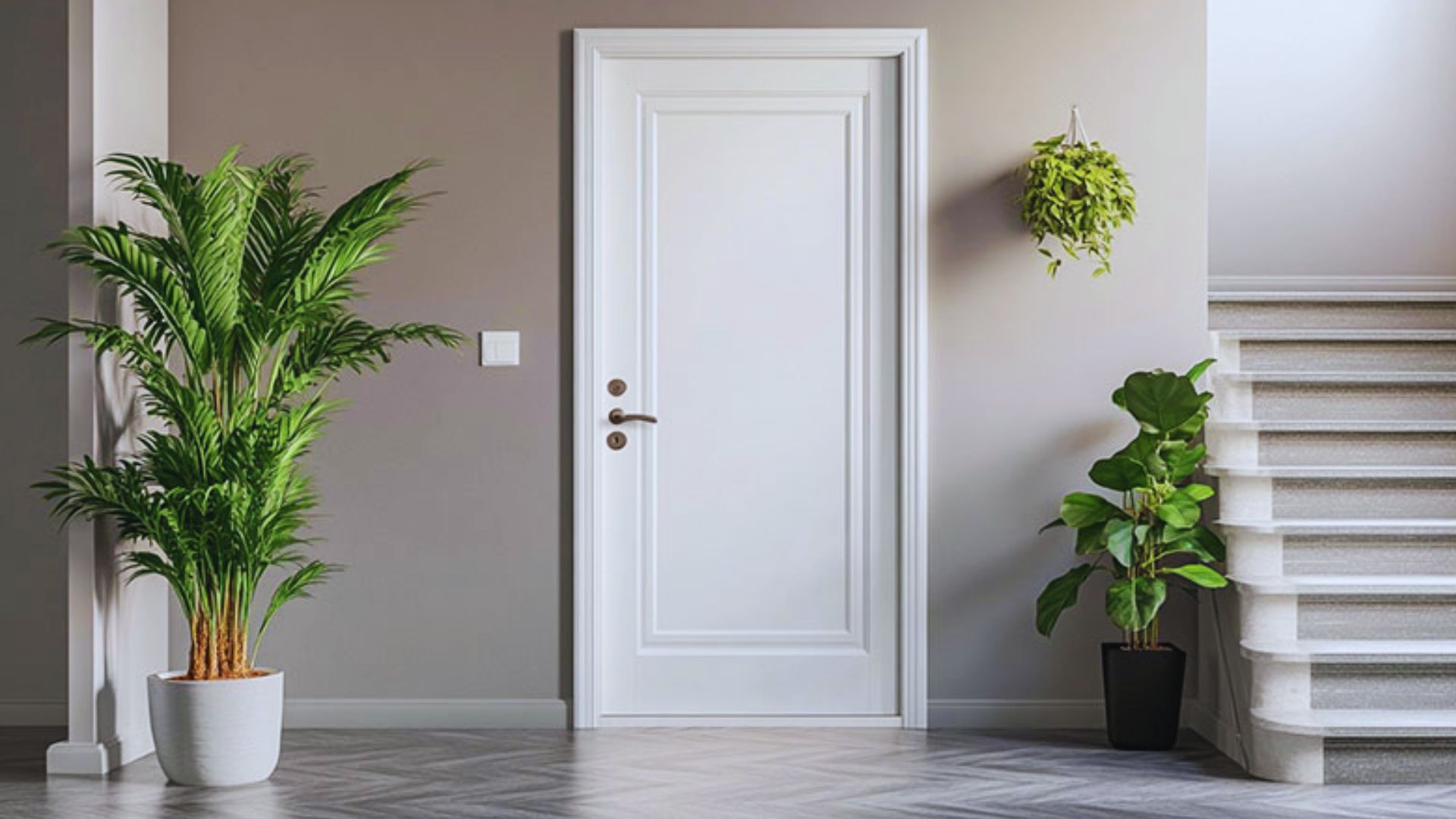
Knowing when to use a prehung door helps you plan your project effectively. The right choice depends on your specific situation.
Best Use Cases
New construction projects almost always call for prehung doors. The rough openings are sized for these units. They install quickly and work reliably.
Replacing an entire doorway is another good time to choose prehung. If your frame is damaged, warped, or rotting, you need the whole assembly anyway. Buying it pre-assembled saves time.
First-time installers benefit from prehung doors too. The pre-aligned components reduce the chance of errors. You can achieve professional results without advanced carpentry skills.
Exterior doors should nearly always be prehung. The weatherstripping and proper seal are critical for energy efficiency and security.
When a Slab Door Is the Better Choice
If your existing frame is solid and square, a slab door makes sense. You save money and avoid unnecessary work.
Replacing a damaged door panel when the frame is fine is a clear case for a slab. You can remove the old door from its hinges and hang the new one.
Custom projects sometimes require slab doors. You might need a specific size or want to match existing hardware. Buying just the slab gives you more flexibility.
Budget-conscious projects with skilled installers can use slab doors to cut costs. Just make sure you have the tools and knowledge to handle the extra steps.
Basic Installation Overview
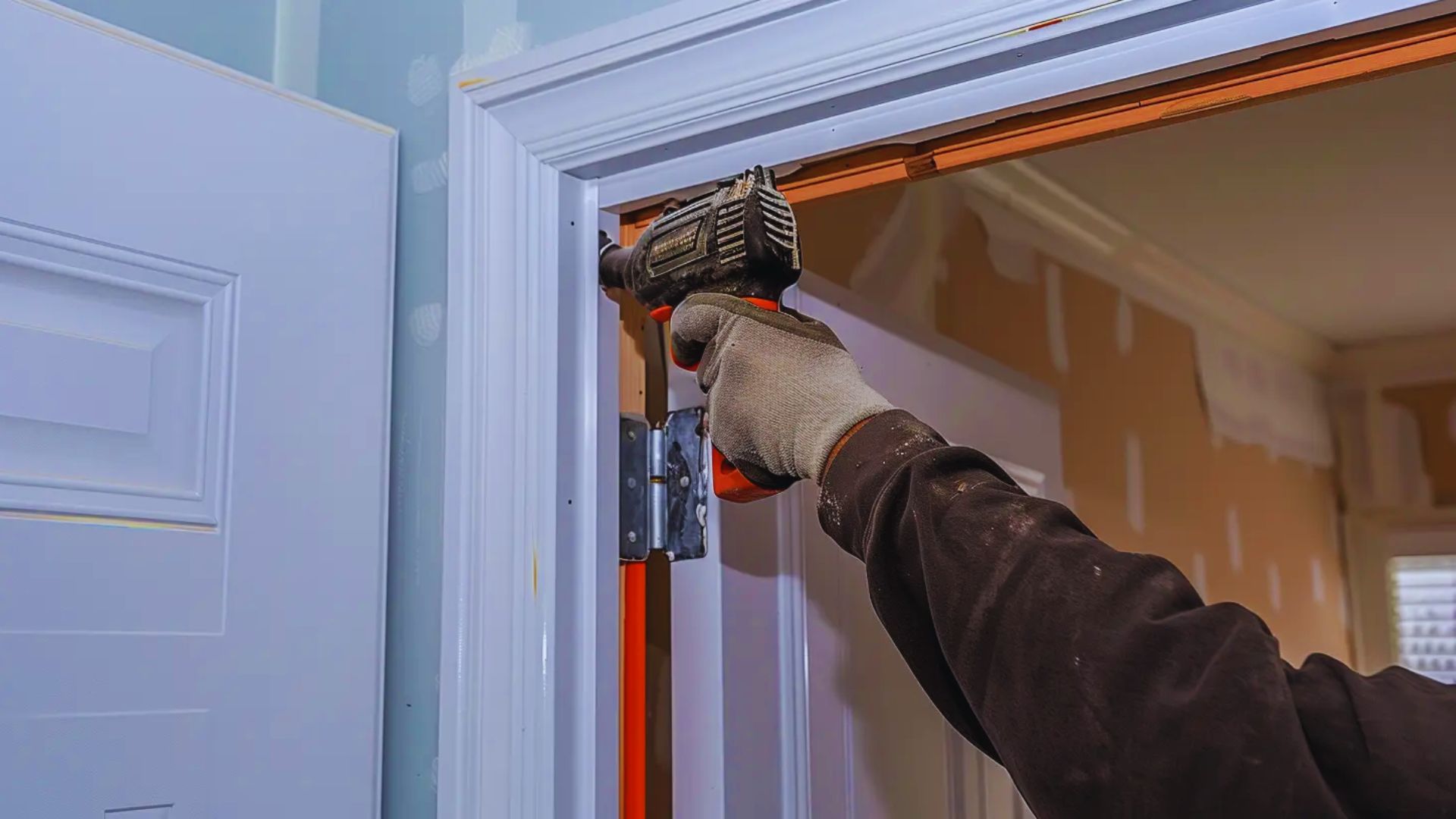
Installing a prehung door requires the right tools and careful attention to detail. Here’s what you need to know.
Tools Required:
A level to check that the frame is plumb and level. A drill with bits for pilot holes. Shims to fill gaps and adjust the position. A hammer for tapping shims into place.
Screws long enough to secure the frame to the rough opening. A utility knife to trim shims. A tape measure for checking dimensions.
Safety glasses protect your eyes from debris. A helper makes the job much easier, especially when positioning the heavy unit.
Step-by-Step Simplified Process:
- First, check the rough opening size. It should be slightly larger than the door frame to allow room for adjustment.
- Set the prehung unit into the opening. Don’t attach it yet. Make sure the door opens and closes in the right direction.
- Place shims between the frame and the rough opening. Start at the hinge side. Use your level to make sure the frame is perfectly plumb.
- Once the hinge side is level, insert shims on the latch side. Check that the top of the frame is level too.
- Open and close the door several times. Make sure it swings freely without sticking. Adjust the shims if needed.
- Drill pilot holes through the frame and into the wall studs. Drive screws through these holes to secure the frame. Don’t overtighten or you’ll bend the frame.
- Check the door operation again. If everything works smoothly, trim the shims flush with the frame using your utility knife.
- Add trim around the door to cover the gaps. This gives a finished look and holds the frame firmly in place.
For exterior doors, apply caulk around the outside to seal against weather.
Conclusion
Now you understand prehung door meaning and how these units compare to other options. I’ve replaced both prehung and slab doors in my own home, and I always appreciate how much easier the prehung units make the job.
Think about your specific needs. Do you have a solid frame or are you starting fresh? That answer will guide your choice.
Feel free to share your door installation experiences in the comments. What worked best for you?
Frequently Asked Questions
Can I install a prehung door myself?
Yes, with basic tools and patience. Take time to level and shim the frame properly. A helper makes the job easier since these units are heavy.
How much does a prehung door cost compared to a slab?
Prehung doors cost $150 to $400 more than slab doors. You’re paying for the pre-assembled frame and hardware convenience.
Do prehung doors come in custom sizes?
Standard sizes like 30, 32, and 36 inches are common. Custom sizes cost more and take longer to arrive.
What’s the difference between interior and exterior prehung doors?
Exterior doors include weatherstripping and use more durable materials. Interior doors are lighter and lack weather seals.
How long does it take to install a prehung door?
Experienced installers need 2 to 4 hours. First-timers should plan for 4 to 6 hours.
