

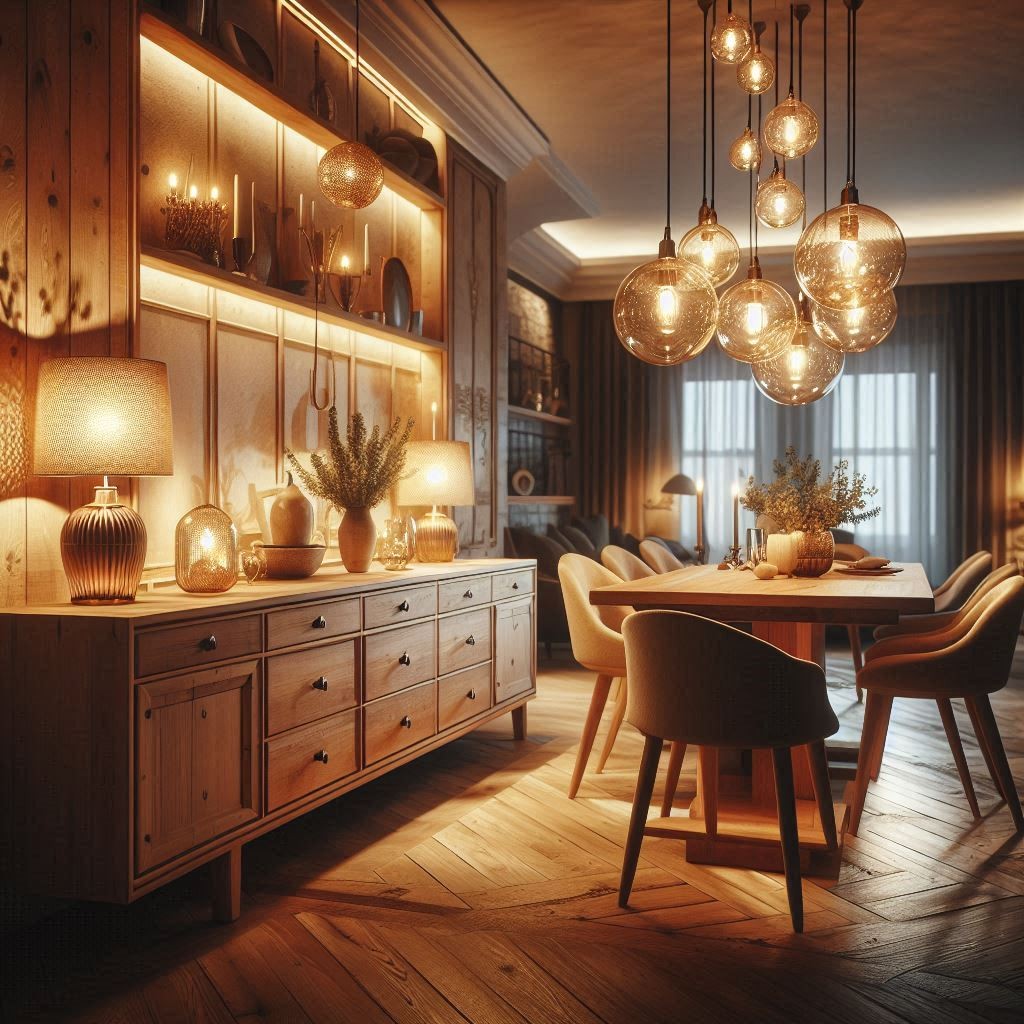
Refreshing the lighting in your eating area is one of those weekend projects that feels small but makes a huge difference. A few smart swaps, a little planning, and the right bulbs can turn a dim corner into the cozy, inviting spot it was meant to be.
This guide walks you through an easy, step by step approach so you can layer light like a pro without getting overwhelmed.
Build a Foundation With Layered Lighting
The best dining areas use layered lighting, mixing ambient, task, and accent sources for warmth and balance. Designers often note that layering helps add depth and lets a room shift easily from bright breakfasts to relaxed dinners.
Start with a main light like a pendant or chandelier, or use a plug in pendant if needed. Then add task lighting, such as a floor lamp, and finish with accent pieces like a small table lamp or picture light for extra sparkle.
Quick wins you can do right now
- Swap in warmer bulbs
- Add a plug in pendant
- Place a mirror to bounce light
These small steps often bring more improvement than homeowners expect, especially if your room has been relying on one lonely overhead bulb for years.
Choose the Right Bulbs for a Warm, Natural Look
Most dining spaces look best with bulbs between 2700K and 3000K. This range gives a warm glow that flatters food, faces, and fabrics.
Equally important is CRI, which tells you how accurately colors appear. Aim for 90 or higher. A high CRI bulb makes meals look appetizing and helps your furniture show its true tones.
When learning about bulb quality and how color temperature affects comfort, it can help to browse trusted lighting explainers. A fundamentals oriented guide byHomes and Gardens breaks down why consistent bulb temperature prevents your room from looking patchy or mismatched.
If you want to go deeper into style inspiration while deciding which fixtures or bulbs might suit your space, you can look at broader regional influences.
Many homeowners check outdining room lighting trends to get a feel for styles that match their home’s architecture and existing furniture. This can help narrow down your options so you choose a fixture that feels right for your home instead of chasing something that looks good only in a showroom.
Pick the Perfect Fixture Size
Sizing a dining light is easier than it seems. Measure your table, then choose a fixture that’s roughly one half to two thirds its width. Hang it about 30 to 36 inches above the tabletop. This keeps the glow intimate but avoids shining light directly into guests’ eyes.
For round tables, a single centered pendant or smaller chandelier works well. For longer rectangular tables, consider a linear chandelier or a pair of pendants spaced evenly. Designers often focus on visual balance more than strict rules, which is why browsing inspiration helps you see how different shapes play out above different tables.
Add Dimmers for Instant Flexibility
A dimmer is the simplest upgrade with the biggest payoff. It lets you brighten the room for homework or projects, then dial things down when it’s time for dinner or a late night snack.
Choose dimmer switches that match your bulb type. LED compatible dimmers are your safest bet if you’re buying new bulbs anyway.
A good layered lighting setup is basically useless without control. Brightness adjusts your experience more than color temperature does, so consider dimmers non-negotiable if you want your upgrade to feel intentional.
Blend Style and Function
You don’t have to overhaul your décor to update your lighting. A new shade, cleaner-looking bulbs, or a modern pendant can completely shift the vibe.
When looking for modern or transitional inspiration, you may find helpful visuals in roundups like the 2024 style overview from Werfactory, which explores finishes, shapes, and materials that are currently popular.
Take note of what blends with your space: brushed brass, matte black, woven textures, or colored glass. If you’ve chosen a bold fixture, keep other layers simple so the room feels balanced rather than busy.
Use Accessories to Boost Light Without Electrical Work
Mirrors, reflective décor, and lighter wall colors amplify light naturally. The most effective trick is placing a mirror on the wall opposite a window or across from a lamp. Even a small, inexpensive mirror can make the space feel brighter and bigger.
Plug in sconces or table lamps are great if you want accent light without wiring. Many homeowners tuck a small lamp onto a sideboard or console to create a warm perimeter glow that makes the dining area feel more inviting.
Stay Safe With Simple Electrical Guidelines
If you’re not touching existing wiring, you’re in the clear. But if you plan to hardwire a new fixture:
- Turn off power at the breaker, not just the switch.
- Use a voltage tester to confirm wires are dead.
- Support heavy fixtures with proper ceiling brackets.
If anything feels uncertain, hire a licensed electrician. It’s a small cost compared to the risk of improper wiring.
Pull Everything Together
Check your space at different times of day. Morning sun can overpower warm bulbs, while evening shadows may need added accent light. Adjust dimmers and reposition lamps until the layers feel balanced. Once lighting is set, most people use their dining area more.
With a simple mix of bulbs, fixtures, and small accessories, your eating area can become a cozy, vibrant spot.
