

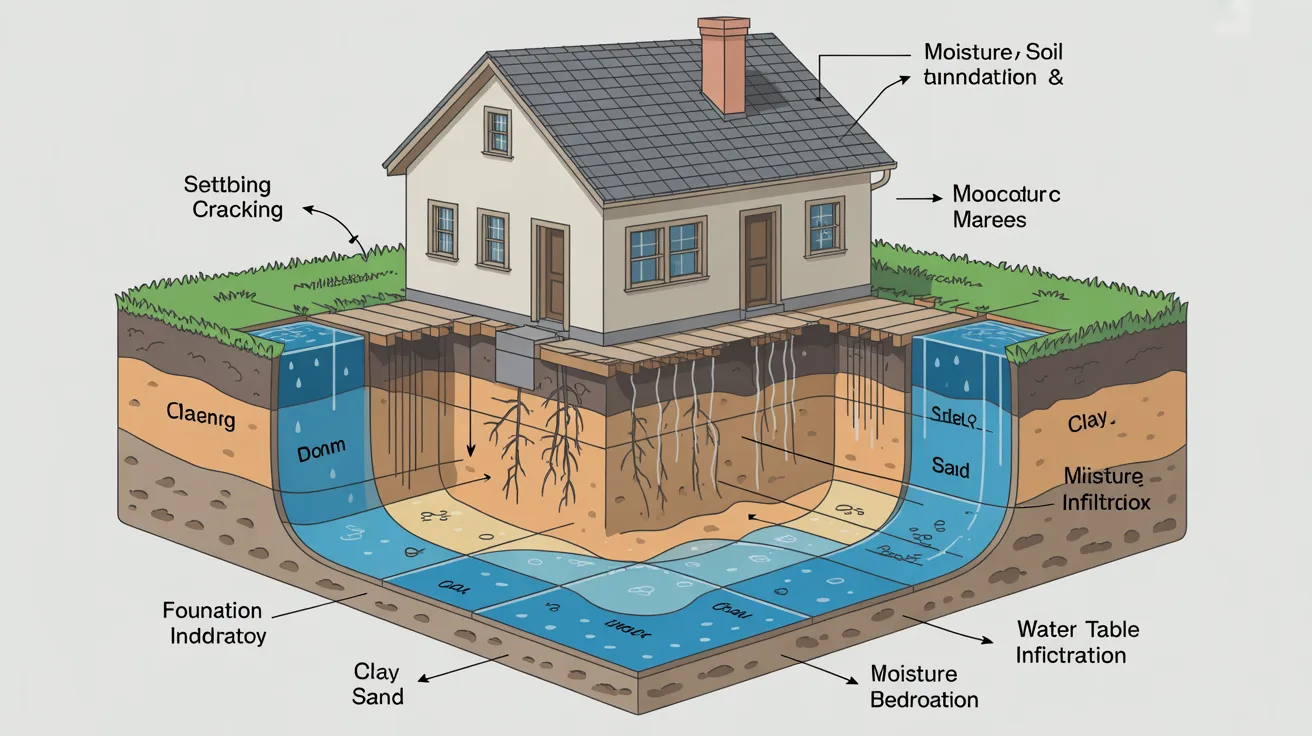
Moisture levels beneath a home create a dynamic environment that dictates the longevity of the structure. Many homeowners view the ground as a static platform, but it is actually a living system that responds to every rain event and dry spell. These interactions determine whether a house remains level or begins to suffer from structural stress.
The forces at play are often invisible to the naked eye until they manifest as cracks or sticking doors. Understanding how soil particles react to water volume is the first step in recognizing why a foundation might settle unevenly over time. This knowledge allows for proactive maintenance instead of reactive repairs.
Managing these environmental variables is essential for maintaining a safe and healthy residence. When questions arise about how natural shifts may be affecting a home, guidance from experienced professionals like esogrepair.com becomes an important next step.
Access to clear, reliable information helps homeowners move forward with confidence rather than uncertainty. Understanding what is happening beneath the structure allows for smarter decisions and long term protection.
Soil Expansion, Contraction, and Erosion
Soil composition determines how the ground behaves when it encounters changing moisture levels throughout the seasons. Clay heavy soils are particularly reactive, absorbing water like a sponge and expanding with immense physical power. This swelling can exert thousands of pounds of upward pressure on a concrete slab or footing.
When the weather turns dry, the opposite process occurs as the moisture evaporates from the earth. The soil contracts and pulls away from the foundation edges, leaving a void where there used to be solid support. This loss of contact forces the structure to settle into the newly created gaps.
Erosion also plays a significant role when water flows unchecked across a property during a heavy storm. Fine particles are washed away from beneath the footings, slowly undermining the stability of the entire building. This steady loss of material creates a lack of support that eventually leads to visible structural damage.
Load Distribution and Foundation Support
A foundation is designed to distribute the total load of a building evenly across a stable patch of earth. When moisture levels become inconsistent, the ground loses its ability to provide uniform support for the heavy masonry. This results in localized stress points that the original architecture was not designed to handle.
Excess moisture can soften the soil to the point where it becomes a liquid like substance under high pressure. This reduction in bearing capacity means the house begins to sink into the earth as it follows the path of least resistance. The load is no longer balanced, causing the framing to twist.
Differential settlement occurs when one section of a home drops faster than the surrounding footprint. This puts an intense strain on the wooden joists and the brickwork as they attempt to bridge the gap. Without a stable and dry base, the structural integrity of the entire residence is compromised by the shifting weights.
Drainage Patterns and Grading
The way water moves across a lot is a primary factor in how well a foundation performs over many decades. Proper grading ensures that rain is directed away from the base of the house rather than pooling near the concrete. Effective yard contours are the first line of defense against soil saturation.
Drainage failures like clogged gutters or short downspouts allow massive volumes of water to settle in one spot. This localized saturation creates a high pressure zone that keeps the soil in a constant state of expansion. Over time, this specific focus of moisture leads to the failure of the nearby support systems.
Maintaining the perimeter involves keeping the soil at a consistent slope to encourage runoff toward the street or a drain. When the ground is flat or slopes toward the building, the saturation levels remain high for long periods. This constant environmental stress eventually finds its way into the structural components of the home.
Early Warning Signs of Stability Issues
Homeowners should stay alert for subtle changes that indicate the soil and moisture conditions are impacting the home. Hairline cracks in the exterior brickwork often follow the mortar joints and suggest that the ground is shifting beneath the footer. These small visual cues are the first warnings of active movement.
Inside the residence, doors and windows that suddenly become difficult to open or close point toward a shift in the framing. When the foundation moves even a small amount, the square openings in the walls become distorted. This functional change is a clear sign that the support system is no longer level.
Sloping floors or gaps between the baseboard and the carpet are also indicators that the interior piers are settling. You might notice that the house feels clammy or smells musty, which suggests that high moisture levels are present in the crawlspace. Recognizing these signs early allows for intervention before the damage becomes extensive.
Managing Soil and Moisture Together
Long term residential stability is not a static state but a result of active management of the ground environment. By treating the soil and the moisture levels as a single system, you can reduce the forces that lead to structural failure. A healthy home depends on a stable and dry base.
Strategies that focus on only one part of the problem rarely provide a permanent solution for the property. Improving the drainage without addressing the soil compaction will not stop the movement in the long run. A holistic view is necessary to protect the investment and ensure the safety of the residents.
Investing in proper site management today prevents the need for complex and expensive foundation repairs in the future. Staying informed about how the local weather impacts your lot keeps you in control of your home. A stable residence is the foundation of a safe and happy family life.
